Antiseptics Guide: Types, Uses, And Safety Tips
Explore the essential role of antiseptics in preventing infections on skin and mucous membranes with safe usage tips.
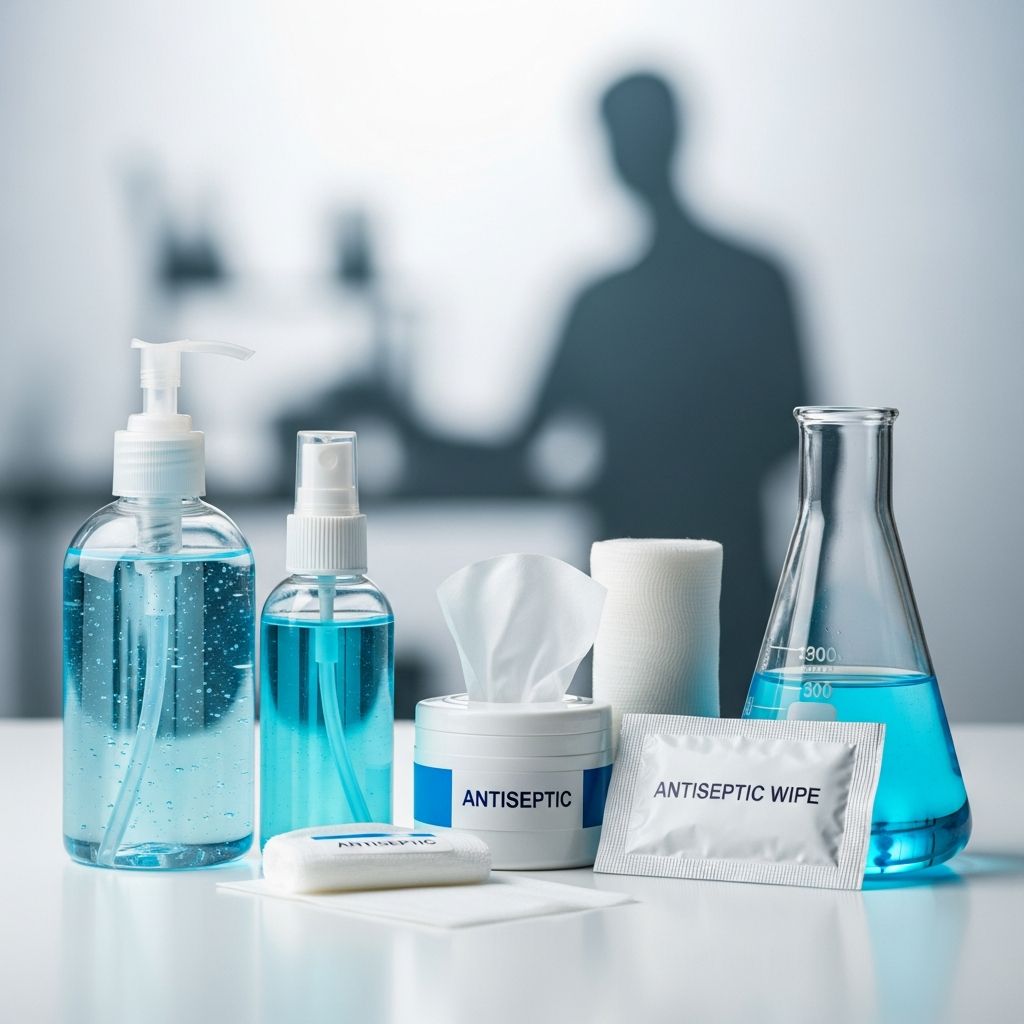
Antiseptics serve as vital tools in modern hygiene and healthcare, targeting microorganisms on living tissues to prevent infections without causing harm to human cells. These agents are selectively toxic, meaning they eliminate bacteria, fungi, and viruses on skin or mucous membranes while sparing surrounding healthy tissue.
Defining Antiseptics and Their Core Functions
At their essence, antiseptics are chemical compounds designed for application on animate surfaces like skin, wounds, and mucosal areas. Unlike broader antimicrobial agents, they focus on momentary inhibition or destruction of pathogens, reducing risks such as surgical site infections or everyday cuts becoming serious. Healthcare professionals rely on them for preoperative skin preparation, while individuals use milder forms for home first aid.
Their selective action stems from mechanisms that disrupt microbial cell walls or metabolic processes, often through oxidative damage or protein denaturation. This distinguishes them from antibiotics, which combat internal infections systemically, and from disinfectants, which tackle inanimate objects with stronger formulations.
Key Distinctions: Antiseptics Versus Related Agents
| Agent Type | Application Site | Primary Use | Examples |
|---|---|---|---|
| Antiseptics | Living tissue (skin, wounds, mucosa) | Infection prevention on body surfaces | Chlorhexidine, povidone-iodine |
| Disinfectants | Inanimate surfaces (tools, floors) | Surface sterilization | Bleach, high-concentration alcohols |
| Antibiotics | Internal body (oral, IV) | Treating established infections | Penicillin, ciprofloxacin |
This table highlights critical differences: antiseptics bridge hygiene and treatment for external threats, with concentrations safe for tissue contact.
Exploring Common Types of Antiseptics
Diverse antiseptics cater to specific needs, varying in spectrum, persistence, and suitability. Broad-spectrum options cover bacteria, fungi, viruses, and sometimes spores, with some offering residual effects for prolonged protection.
Chlorhexidine and Biguanides
Chlorhexidine stands out for its persistent antimicrobial action, binding to skin proteins to inhibit regrowth of microbes for hours after application. Ideal for surgical scrubs, wound cleansing, and oral rinses, it excels in alkaline environments with low irritation potential. Biguanides like it treat open wounds but avoid clean, healing ones to prevent delayed recovery.
Povidone-Iodine (Iodophors)
This complex releases free iodine gradually, providing sustained broad-spectrum activity against bacteria, viruses, and fungi. Used for preoperative skin prep, wound irrigation, and mucosal decontamination, it minimizes systemic absorption risks compared to elemental iodine. Applications include single prophylactic uses before procedures or repeated for wound care.
Alcohols: Ethanol and Isopropanol
Alcohols like 70% ethanol or isopropanol denature proteins rapidly, making them staples for skin antisepsis before injections or as hand sanitizers. They evaporate quickly, offering immediate but non-persistent effects, and pair well with other agents for synergy.
Other Notable Categories
- Peroxides and Permanganates: Oxidative agents for skin disinfection or mouthwashes, effective against a range of pathogens.
- Quaternary Ammonium Compounds: Surface-active agents for minor wounds and equipment prep.
- Halogenated Phenols and Dyes: Found in soaps or burn treatments, providing targeted action.
- Quinolone Derivatives: Wound treatments and throat lozenges with antibacterial properties.
Related Stories



Each type balances efficacy, cost, and side effect profiles, with clinical choices guided by procedure type and patient factors.
Practical Applications in Healthcare and Home
Antiseptics underpin infection control across settings. In hospitals, they feature in:
- Preoperative skin scrubbing to lower surgical site infection rates.
- Wound management for cuts, burns, or ulcers.
- Mucosal prophylaxis, like nasal decolonization or vaginal treatments.
- Hand hygiene between patients, reducing healthcare-associated infections.
For home use, over-the-counter options clean minor injuries, prevent scrapes from festering, or serve as dry hand washes. Mouthwashes with antiseptics treat throat infections, while medicated soaps aid daily hygiene.
Safety Considerations and Potential Risks
While generally safe, misuse can lead to issues. Common concerns include:
- Allergies: Iodine sensitivity or chlorhexidine reactions require patch testing.
- Tissue Irritation: Repeated exposure may delay healing; dilute as needed.
- Resistance: Overuse promotes microbial tolerance, though less than antibiotics.
- Special Populations: Avoid in neonates, pregnant individuals, or thyroid patients for iodine-based products.
Always follow dilution instructions, rinse after oral use, and consult professionals for deep wounds or persistent infections. Storage in clean, dry bottles preserves efficacy.
Best Practices for Effective Use
To maximize benefits:
- Clean the area with soap and water first.
- Apply antiseptic per instructions, ensuring coverage.
- Allow drying for alcohols; use dressings for wounds.
- Monitor for adverse effects and discontinue if needed.
In clinical protocols, combine agents—like alcohol followed by chlorhexidine—for optimal spectrum and persistence.
Advances and Future Directions
Ongoing research refines antiseptics, focusing on resistance mitigation, faster action, and biocompatibility. Nanoparticles and novel biguanides promise enhanced delivery, while guidelines evolve with evidence on residual activity durations.
Frequently Asked Questions (FAQs)
What is the difference between an antiseptic and a disinfectant?
Antiseptics are for living tissues like skin; disinfectants are for surfaces and objects, often at higher strengths unsafe for skin.
Can I use antiseptics on open wounds?
Yes, select types like chlorhexidine or povidone-iodine are designed for wounds, but avoid on healing ones and follow dilution.
Are antiseptics safe for children?
Many are, but check age restrictions; avoid iodine in newborns and supervise use.
How do antiseptics prevent infections?
They kill or inhibit microbes via cell disruption, reducing sepsis risk on applied surfaces.
Can overuse lead to resistance?
Possible, so use judiciously and per guidelines to preserve efficacy.
References
- Antiseptics: Types and Their Uses — Hilaris Publisher. 2018. https://www.hilarispublisher.com/open-access/antiseptics-types-and-their-uses.pdf
- Antiseptics and Disinfectants — MSF Medical Guidelines. 2023-10-01. https://medicalguidelines.msf.org/en/viewport/EssDr/english/antiseptics-and-disinfectants-16688206.html
- Antiseptic: Types, Uses, Safety, and Precautions — Medical News Today. 2023-11-15. https://www.medicalnewstoday.com/articles/antiseptic
- Skin Antiseptics — NCBI StatPearls. 2023-07-17. https://www.ncbi.nlm.nih.gov/books/NBK507853/
- Antiseptics — Drug Office, Hong Kong Government. 2024. https://www.drugoffice.gov.hk/eps/do/en/consumer/news_informations/knowledge_on_medicines/antiseptics.html
Similar Articles








Read full bio of medha deb