Antispasmodic Medication: Uses, Types & Side Effects
Understanding antispasmodic medications: How they work, their uses, and potential side effects.
What Are Antispasmodic Medications?
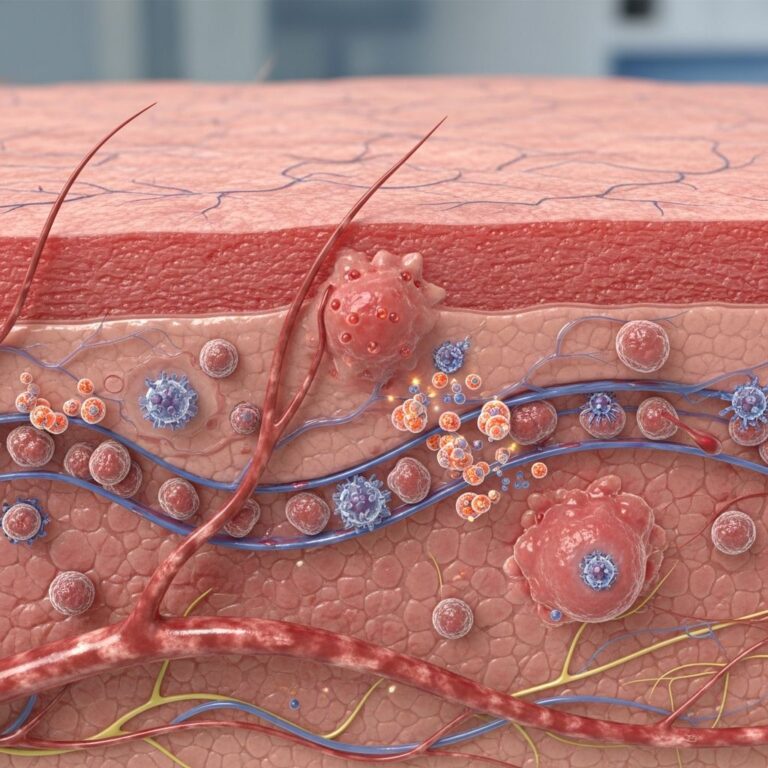
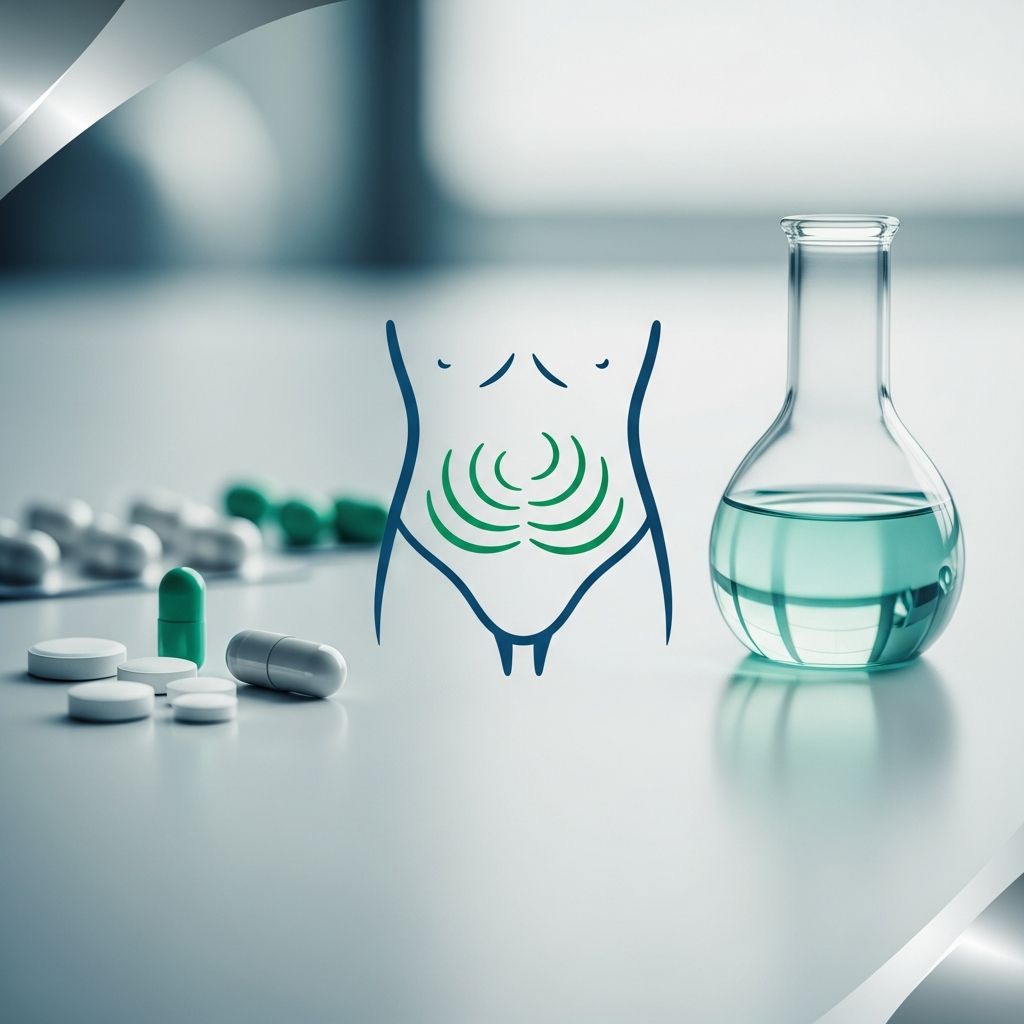
Antispasmodic medications are a class of drugs designed to relax the smooth muscles that line the walls of your internal organs. Unlike skeletal muscles that you consciously control to move your body, smooth muscles work automatically to regulate bodily functions. When these automatic muscle contractions cause pain or discomfort, antispasmodics can provide relief by reducing muscle spasms and tension.
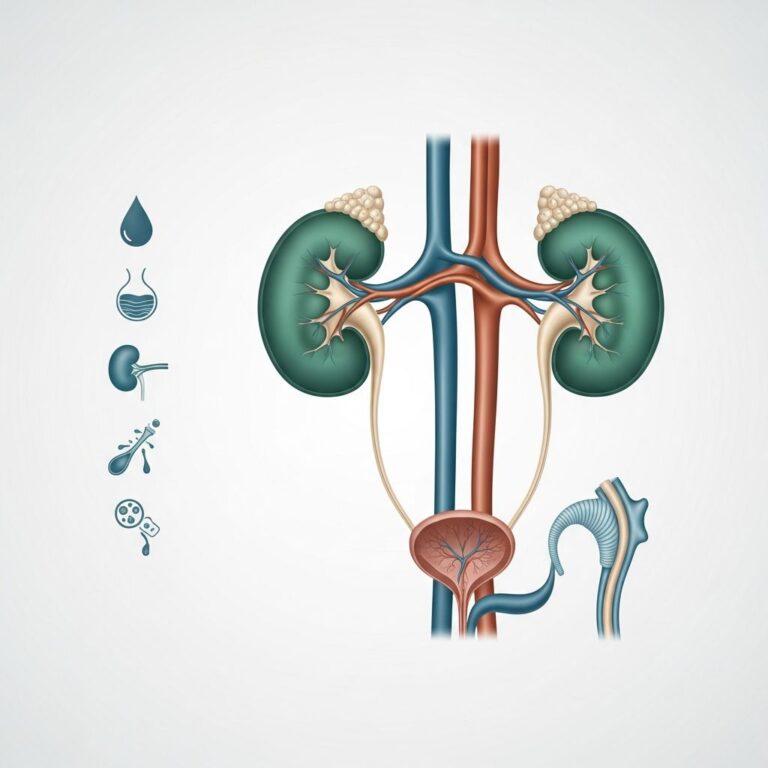
These medications are commonly prescribed by healthcare providers to address abdominal pain related to muscle cramps in your digestive system or urinary system. They can also help reduce excessive urges to urinate or defecate, improving overall quality of life for patients experiencing these symptoms.
How Antispasmodics Work
Antispasmodic medications operate through different mechanisms depending on their classification. The most commonly used antispasmodics in the United States belong to a class of drugs called antimuscarinics. These medications work by acting on your parasympathetic nervous system to block the signals that activate your smooth muscles. By interrupting this communication pathway, antimuscarinics effectively reduce unwanted muscle contractions.
Beyond antimuscarinics, other types of antispasmodics work directly on the smooth muscles in your gut, targeting your stomach and intestines at the muscular level. Additionally, some antispasmodics like peppermint oil function as natural muscle relaxants by inhibiting calcium channels, which leads to relaxation of smooth muscles in the gastrointestinal tract. This mechanism allows for gentler muscle relaxation without the systemic effects of pharmaceutical antimuscarinics.
Common Uses of Antispasmodic Medications
Healthcare providers prescribe antispasmodics for a variety of conditions affecting the abdominal and urinary systems. These medications are particularly effective for treating spasms and related symptoms in multiple organ systems.
Digestive System Conditions
Antispasmodics are frequently used to treat irritable bowel syndrome (IBS), one of the most common functional gastrointestinal disorders. For IBS patients, these medications help reduce cramping and abdominal discomfort by relaxing the intestinal muscles. They are also prescribed for stomach ulcers, where muscle relaxation can alleviate associated cramping and pain. Additionally, antispasmodics help manage general abdominal cramping and colon spasms that may occur without a specific diagnosis.
Urinary System Conditions
Bladder spasms and overactive bladder symptoms are effectively managed with antispasmodic medications. These drugs help reduce the frequency of urination and the urgent need to urinate by relaxing the bladder muscles. They are also used to treat other urinary conditions where smooth muscle hyperactivity causes discomfort.
Medical Procedures
Healthcare providers utilize antispasmodics during medical procedures as well. They may administer the medication by injection before a procedure to help relax the patient and sedate the digestive system, making diagnostic or therapeutic procedures more comfortable and successful.
Types of Antispasmodic Medications
Antimuscarinic Antispasmodics
Antimuscarinics represent the most commonly prescribed antispasmodic class in the United States. Medications in this category include dicyclomine and hyoscyamine, which are frequently used for IBS and related conditions. Dicyclomine works by relaxing the muscles of your stomach and bowel, effectively reducing cramping associated with IBS. Hyoscyamine treats symptoms of multiple conditions including IBS, stomach ulcers, and bladder spasms by relaxing muscles in your digestive tract and bladder while reducing stomach acid production.
Related Stories



Natural Antispasmodics
Peppermint oil represents a natural alternative for antispasmodic treatment. This herbal remedy works by inhibiting calcium channels, leading to smooth muscle relaxation. Peppermint tea or peppermint oil capsules can help relieve colon spasms and other gastrointestinal symptoms. The advantage of peppermint oil is that it rarely causes significant side effects, though some individuals may experience heartburn or nausea.
Calcium Channel Blockers
While calcium channel blockers can technically function as antispasmodics by relaxing smooth muscles, they are primarily used in the U.S. for cardiovascular conditions rather than digestive or urinary complaints. These medications relax your blood vessels to help manage high blood pressure, but they are usually not prescribed for abdominal or urinary spasms due to their potential cardiovascular effects.
Side Effects and Safety Considerations
Common Side Effects of Antimuscarinics
Antimuscarinic antispasmodics block signals in your parasympathetic nervous system, which can produce various side effects ranging from mild to more severe. Most side effects are manageable, but they can become more significant if you take too much medication or if you have certain preexisting conditions. Common side effects include dry mouth, constipation, blurred vision, and dizziness. Since these medications slow down muscle movements in your gastrointestinal tract, you should inform your healthcare provider if you are prone to constipation, as this could be exacerbated.
Serious Considerations
If you have low blood pressure or other cardiovascular conditions, inform your provider before starting antispasmodic therapy. Calcium channel blockers, in particular, can be dangerous if you have low blood pressure. Patients experiencing confusion, difficulty urinating, or severe constipation should contact their healthcare provider immediately, as these may indicate serious adverse effects requiring medication adjustment.
Side Effects of Other Antispasmodics
Peppermint oil rarely causes side effects but has been known to cause heartburn and nausea in some individuals. Calcium channel blockers may cause dizziness, flushing, fatigue, and swelling. Always discuss your complete medical history with your healthcare provider to ensure the safest antispasmodic choice for your specific situation.
Antispasmodics vs. Other Pain Management Options
Research examining the effectiveness of antispasmodics compared to other pain management options like NSAIDs or acetaminophen remains limited. However, antispasmodics have been shown to have more side effects than NSAIDs and acetaminophen, making it essential to weigh the benefits and risks of taking these medications. Your healthcare provider can help determine whether antispasmodics are the most appropriate treatment for your condition or if alternative options might be preferable.
Difference Between Antispasmodics and Antispastics
It is important to understand that antispasmodics and antispastics are two different types of muscle relaxers with distinct mechanisms and applications. Antispastics act on your skeletal muscles, which are the muscles that help you move your body voluntarily. These medications are typically used for conditions like cerebral palsy, multiple sclerosis, and spinal cord injuries that cause muscle tightness and involuntary spasms in skeletal muscles.
Antispasmodics, conversely, act on the smooth muscles inside your organs that move automatically without conscious control. These muscles are governed by your parasympathetic nervous system, a network of nerves that controls your automatic body functions. This fundamental difference means that antispasmodics are not appropriate for skeletal muscle conditions, and antispastics are not effective for abdominal or urinary symptoms.
Available Forms of Antispasmodic Medications
Antispasmodic medications come in various forms to accommodate different patient needs and preferences. These include tablets and capsules for oral administration, which are convenient for home use and long-term management. Sublingual tablets dissolve under the tongue for faster absorption. Solutions provide flexible dosing options for patients who have difficulty swallowing pills. Injections are available for medical procedures or acute situations requiring rapid onset of action.
Important Questions to Ask Your Healthcare Provider
Q: Are antispasmodics safe for long-term use?
A: The safety of long-term antispasmodic use depends on the specific medication, your medical history, and individual tolerance. Your healthcare provider should monitor you regularly and adjust your treatment as needed.
Q: Can I take antispasmodics with other medications?
A: Always inform your healthcare provider about all medications and supplements you are taking. Some antispasmodics may interact with other drugs, so your provider needs complete information to ensure safe treatment.
Q: What should I do if I miss a dose?
A: If you miss a dose, take it as soon as you remember unless it is almost time for your next dose. Never double dose to make up for a missed dose.
Q: How long does it take for antispasmodics to work?
A: The onset of action varies depending on the medication form and type. Injections typically work within minutes, while oral medications may take 30 minutes to an hour to become effective.
Q: Are there natural alternatives to prescription antispasmodics?
A: Peppermint oil is a well-established natural antispasmodic. However, discuss any herbal remedies with your healthcare provider to ensure they are appropriate for your condition and safe with your current medications.
Q: Can antispasmodics cause dependency?
A: Most antispasmodic medications are not considered habit-forming. However, your healthcare provider should monitor your use to ensure you are taking the lowest effective dose.
References
- Antispasmodic Medication: Uses & Side Effects — Cleveland Clinic. 2024. https://my.clevelandclinic.org/health/treatments/antispasmodics
- Dicyclomine injection — Cleveland Clinic. 2024. https://my.clevelandclinic.org/health/drugs/18928-dicyclomine-injection
- Hyoscyamine injection — Cleveland Clinic. 2024. https://my.clevelandclinic.org/health/drugs/19177-hyoscyamine-injection
- Chronic constipation: Update on management — Cleveland Clinic Journal of Medicine, Vol. 84, No. 5. 2017. https://www.ccjm.org/content/84/5/397
- Muscle Relaxers: What They Are, Uses, Side Effects & Types — Cleveland Clinic. 2024. https://my.clevelandclinic.org/health/treatments/24686-muscle-relaxers
Similar Articles








Read full bio of medha deb