Antispasmodic Medicines: Uses, Side Effects, And Alternatives
Learn how antispasmodic medicines relieve IBS pain by relaxing gut muscles, with details on types, usage, side effects, and alternatives.
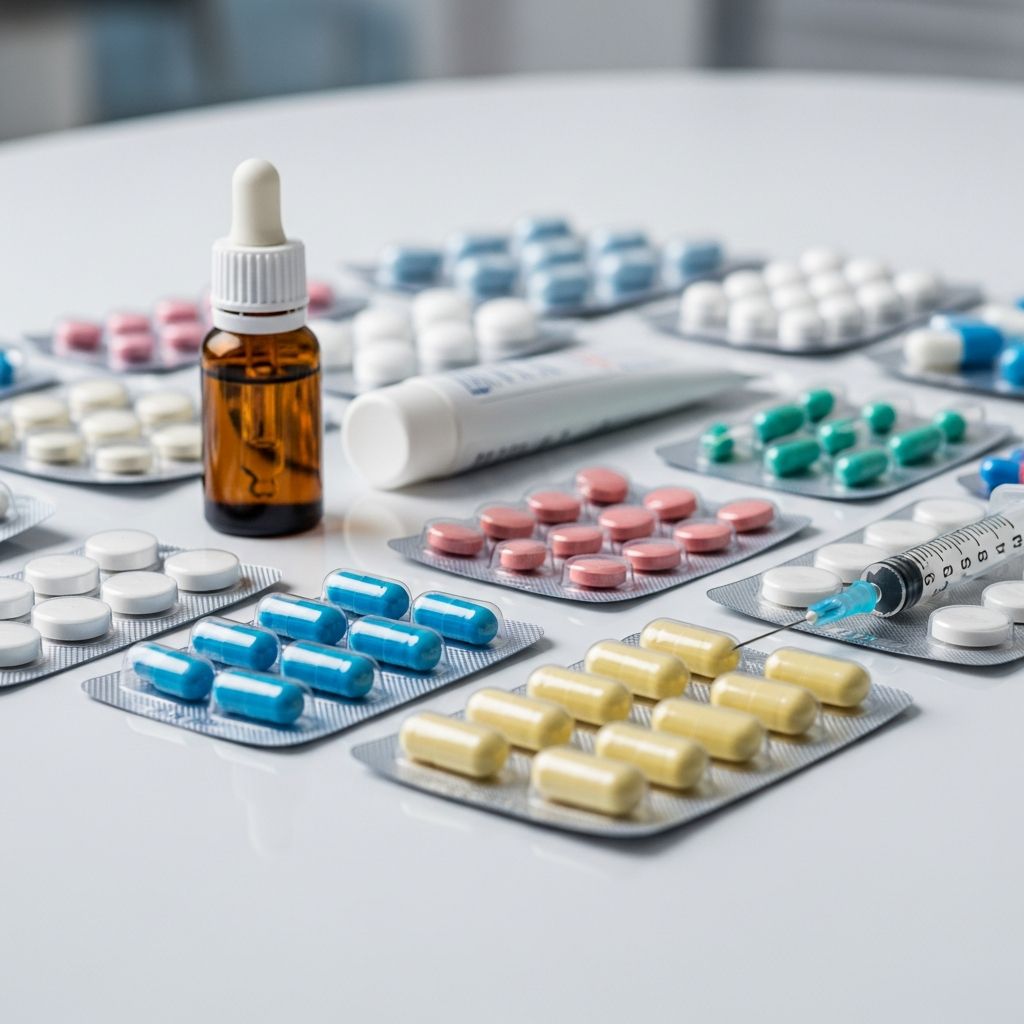
Antispasmodic medicines are commonly used to help treat irritable bowel syndrome (IBS) symptoms, particularly abdominal (tummy) pain. They relieve pain by relaxing the muscles in your gut (bowel).
What are antispasmodic medicines?
Antispasmodic medicines are a large group of medicines that help to relax the muscles in the gut to ease tummy pain. They work by reducing muscle spasms in the intestines, which are a common cause of pain in IBS. These spasms can lead to cramping, bloating, and discomfort during bowel movements.
Antispasmodics are especially useful for people with IBS who experience pain predominantly due to gut muscle contractions rather than constipation or diarrhea alone. They are typically taken as needed, before meals or when symptoms flare up, rather than daily.
How do antispasmodics work for IBS?
In IBS, the gut muscles can contract abnormally strongly or irregularly, causing pain and discomfort. Antispasmodics relax these smooth muscles in the gastrointestinal tract. There are two main types:
- Anticholinergics: These block the neurotransmitter acetylcholine, which triggers muscle contractions.
- Direct smooth muscle relaxants: These act directly on gut muscles to prevent spasms.
By calming these spasms, antispasmodics can reduce abdominal pain, bloating, and cramping. They are more effective for IBS with diarrhea (IBS-D), mixed (IBS-M), or unclassified (IBS-U) than pure constipation-predominant IBS (IBS-C).
About dicyclomine and hyoscyamine
The most commonly prescribed antispasmodics for IBS in many regions are dicyclomine (Bentyl) and hyoscyamine (Levsin). Both are anticholinergics available by prescription only.
- Dicyclomine: Relaxes gut muscles to ease spasms and pain. Typical dose is 20-40 mg up to four times daily as needed. Effective for abdominal pain and may help bloating.
- Hyoscyamine: Works similarly, often used sublingually for quick relief. Doses range from 0.125-0.25 mg every 4 hours as needed.
These are recommended for short-term, as-needed use during pain flares or before triggers like meals.
About alverine, mebeverine, and peppermint oil
Other antispasmodics include alverine (Spasmonal), mebeverine (Colofac), and peppermint oil capsules, which are direct-acting smooth muscle relaxants.
- Mebeverine: A 2022 study showed it effectively treats diarrhea, constipation, pain, and bloating with few adverse effects. Taken 135 mg three times daily before meals.
- Alverine: Relaxes gut muscles; 60-120 mg up to three times daily.
- Peppermint oil: Natural option; enteric-coated capsules (e.g., Colpermin) release in the intestines. A meta-analysis supports its use for IBS pain relief.
These are often available over-the-counter in some countries and preferred for fewer systemic side effects.
Other antispasmodics
Additional options include hyoscine butylbromide (Buscopan), otilonium bromide (Spasmomen), and pinaverium bromide (Dicetel). Hyoscine is an anticholinergic effective for cramps. Otilonium and pinaverium target gut-specific calcium channels, potentially with fewer side effects.
Calcium channel blockers like these may outperform some anticholinergics in reducing pain while minimizing dry mouth or constipation.
How effective are antispasmodics?
Antispasmodics provide relief for IBS pain in many patients, though evidence is mixed due to small trials and varied designs. A 2021 report calls them a cornerstone of IBS treatment. Mayo Clinic notes limited data but frequent clinical use for disorders of gut-brain interaction (DGBI) like IBS.
Related Stories



They work best for spasm-related pain, improving quality of life, but may not fix bloating or bowel habit changes. Response varies; trying different types may be needed.
Cautions
Antispasmodics can cause side effects, especially anticholinergics:
- Dry mouth, constipation, blurred vision, dizziness, nausea, heartburn.
Avoid if you have glaucoma, prostate enlargement, myasthenia gravis, heart issues, or bowel obstruction. Not for long-term use without doctor advice; may worsen constipation in IBS-C.
Who should not take antispasmodics?
Contraindicated in:
- Glaucoma (angle-closure).
- Urinary retention or prostate issues.
- Severe constipation or paralytic ileus.
- Thyrotoxicosis, rapid heart rate.
- Pregnancy/breastfeeding (consult doctor).
Interact with other anticholinergics, antidepressants. Elderly more prone to side effects.
Other treatments for IBS
Antispasmodics target pain; combine with:
- For IBS-C: Polyethylene glycol (Miralax), linaclotide (Linzess), lubiprostone (Amitiza), tenapanor (Ibsrela).
- For IBS-D: Loperamide (Imodium), alosetron (Lotronex for severe cases).
- TCAs: Amitriptyline, nortriptyline for pain and motility.
- Lifestyle: Diet (low FODMAP), exercise, stress management.
Frequently Asked Questions
Q: Are antispasmodics safe for long-term use?
A: Generally for short-term/as-needed use; long-term risks side effects like constipation. Consult your doctor.
Q: Can I take antispasmodics with other IBS meds?
A: Yes, often combined (e.g., with laxatives), but check for interactions.
Q: Do antispasmodics cure IBS?
A: No, they manage symptoms; no cure for IBS.
Q: Is peppermint oil as effective as prescription antispasmodics?
A: Comparable for pain relief with fewer side effects for some.
Q: When should I see a doctor for IBS pain?
A: If severe, persistent, with weight loss, bleeding, or new symptoms.
References
- Irritable Bowel Syndrome (IBS) Medications and Treatments — GoodRx. 2024. https://www.goodrx.com/conditions/irritable-bowel-syndrome/medications-for-ibs
- Antispasmodics for IBS: How They May Relieve IBS Symptoms — Healthline. 2024. https://www.healthline.com/health/antispasmodic-for-ibs
- Antispasmodic medications for IBS: Definition, effectiveness, and more — Medical News Today. 2024. https://www.medicalnewstoday.com/articles/antispasmodic-for-ibs
- Use of antispasmodics for the treatment of abdominal pain — Mayo Clinic. 2023-10-18. https://www.mayoclinic.org/medical-professionals/digestive-diseases/news/use-of-antispasmodics-for-the-treatment-of-abdominal-pain/mac-20526520
- Antispasmodic Medication: Uses & Side Effects — Cleveland Clinic. 2024. https://my.clevelandclinic.org/health/treatments/antispasmodics
- IBS Treatment – Irritable Bowel Syndrome — National Jewish Health. 2024. https://www.nationaljewish.org/conditions/ibs/treatment
- About mebeverine — NHS. 2024. https://www.nhs.uk/medicines/mebeverine/about-mebeverine/
Similar Articles








Read full bio of medha deb