Anus Anatomy And Function: A Comprehensive Guide
Understanding the anus: Its anatomy, functions, and role in digestive health.
Understanding the Anus: Anatomy and Function
The anus is the opening at the end of your digestive tract where waste exits your body. While it may seem like a simple passageway, the anus is actually a complex anatomical structure with sophisticated functions that play a crucial role in your digestive health and quality of life. Understanding how your anus works, along with its anatomy and potential health issues, can help you maintain better overall health and recognize when something might be wrong.
What Is the Anus?
The anus is the external opening of your anal canal, which represents the final portion of your large intestine. It serves as the gateway through which waste products from your digestive system leave your body. The anus is not simply a passive opening; rather, it is an intricately designed structure containing specialized muscles and sensory nerves that work together to maintain continence and allow for voluntary control of bowel movements. This remarkable coordination between muscles and nerves is what allows you to decide when and where to have a bowel movement, representing one of the body’s most important regulatory functions.
Anatomy of the Anus
The Anal Canal
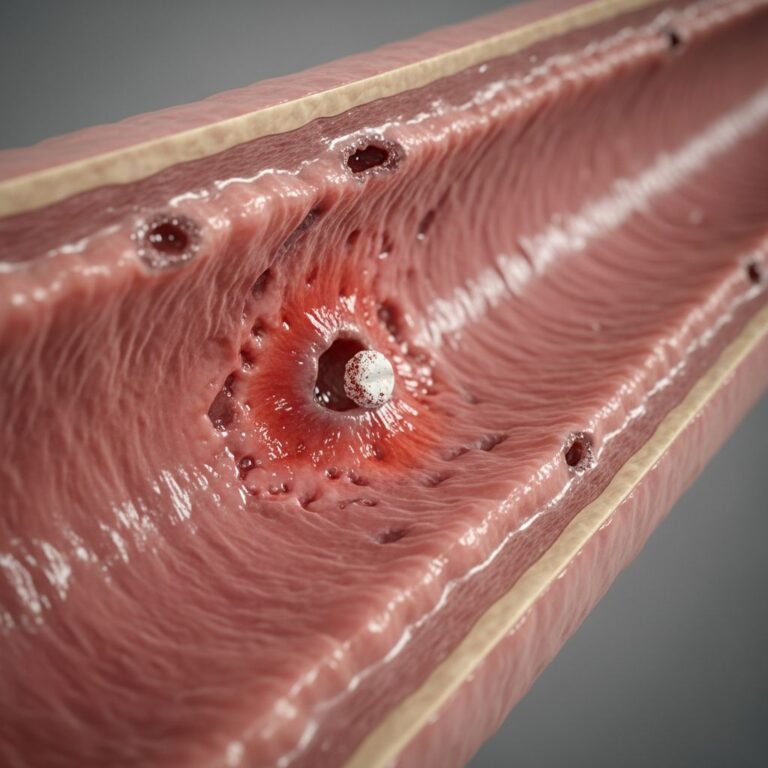
The anal canal is approximately 2 to 3 inches (5 centimeters) long and serves as the passage connecting your rectum to the external anus opening. This canal has a sophisticated structure with multiple layers of tissue and muscle that contribute to its function. The anal canal is lined with specialized tissue that contains sensory receptors capable of distinguishing between solid waste, liquid, and gas—a remarkable sensory ability that contributes to your body’s ability to control bowel movements with precision. The walls of the anal canal are relatively thin compared to other parts of the large intestine, allowing for the delicate coordination of muscle contractions needed during defecation.
The Anal Sphincters
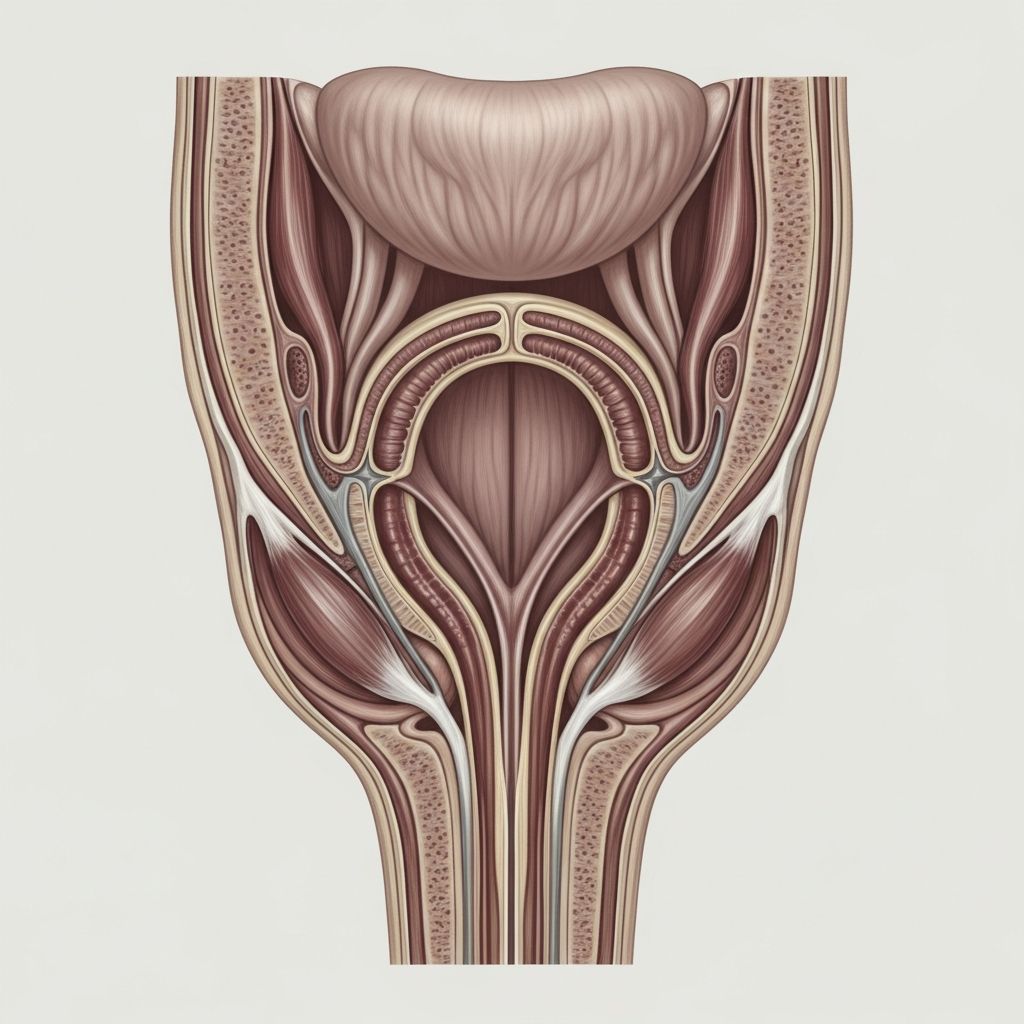
The most important muscular structures of the anus are the anal sphincters, which consist of two distinct muscle rings that work together to control bowel movements. These sphincters represent one of the most sophisticated control mechanisms in the human body:
Internal Anal Sphincter: This involuntary muscle is located just inside the anus and works automatically without conscious effort. The internal sphincter remains contracted most of the time, helping to prevent stool or gas from leaking out unexpectedly. When waste enters the rectum, stretch receptors signal the internal sphincter to relax temporarily, allowing you to sense that you need to have a bowel movement. This reflex action happens automatically and is crucial for maintaining continence throughout the day and night.
External Anal Sphincter: Unlike the internal sphincter, the external anal sphincter is under your voluntary control. This skeletal muscle is composed of three distinct parts that work together, and it’s the muscle you consciously contract when you choose to hold in stool or relax when you decide it’s an appropriate time to have a bowel movement. The ability to control this muscle develops during childhood as part of toilet training and represents an important developmental milestone.
Supporting Structures
The anus is supported by the pelvic floor muscles, which form a supportive hammock-like structure beneath your pelvic organs. These muscles work in coordination with the anal sphincters to maintain continence and support normal bowel function. The perineal body, a mass of fibromuscular tissue located near the anus, plays a significant role in supporting the pelvic floor and can be vulnerable to injury, particularly during childbirth.
Related Stories



Primary Functions of the Anus
Continence and Bowel Control
The primary function of the anus is to maintain continence—the ability to control when and where you have a bowel movement. This remarkable function involves constant, coordinated activity between your internal sphincter, external sphincter, sensory nerves, and brain. Throughout the day, your internal anal sphincter remains contracted, preventing accidental leakage of stool or gas. Your pelvic floor muscles provide additional support and help maintain the correct angle of the rectum to prevent incontinence. This continuous coordination allows you to go about your daily activities without worry while still maintaining the ability to recognize when your bowel is full and needs to be emptied.
Discrimination Between Stool and Gas
One of the most remarkable functions of the anus and anal canal is the ability to distinguish between solid waste, liquid stool, and gas. The sensory receptors lining the anal canal are so sensitive that they can detect the nature of the rectal contents and signal your brain accordingly. This allows you to pass gas discreetly without simultaneously having a bowel movement, and it helps prevent embarrassing accidents. This sensory discrimination is a sophisticated neurological function that many people take for granted.
Elimination of Waste
When your rectum becomes sufficiently full, stretch receptors in the rectal wall send signals to your brain indicating that it’s time to have a bowel movement. When you decide it’s an appropriate time, you consciously relax your external anal sphincter while your abdominal muscles contract to increase pressure. The internal sphincter also relaxes, allowing stool to pass through the anal canal and exit your body. The mucus secreted by the rectal lining helps lubricate this process, making elimination smoother and more comfortable.
How the Anus Works During Bowel Movements
The process of having a bowel movement involves a sophisticated interplay between your nervous system, muscles, and hormones. When stool enters your rectum from your sigmoid colon, stretch receptors in the rectal wall detect the presence of waste and send signals to your brain. Your brain then sends signals back to your anus and rectum, creating the urge to defecate.
At this point, you have a choice. If it’s not an appropriate time to have a bowel movement, you can consciously contract your external anal sphincter and pelvic floor muscles to hold the stool in. The internal sphincter will re-contract, and the sensation will pass. However, if it is an appropriate time, you can relax your external sphincter and contract your abdominal muscles to increase intra-abdominal pressure. This coordinated effort forces the stool through the anal canal and out of your body. The entire process typically takes only a few minutes.
Nerve Control and Sensation
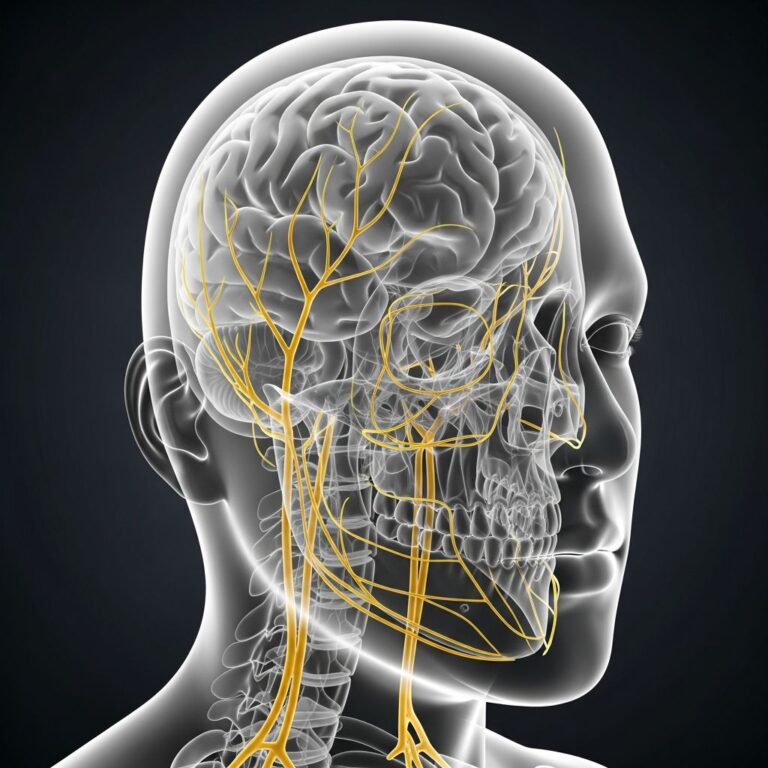
The pudendal nerve plays a crucial role in anus function by sending sensations from your anus to your brain and by controlling the sphincter muscles that help you regulate bowel movements. This nerve carries sensory information that allows you to feel the urge to defecate and provides the motor signals that allow you to consciously control your external anal sphincter. Damage to the pudendal nerve, which can occur through childbirth, chronic straining, or other causes, can result in fecal incontinence or difficulty with bowel control.
Common Anus Health Conditions
Hemorrhoids
Hemorrhoids are swollen blood vessels in and around the anus and rectum. Internal hemorrhoids occur inside the rectum and often cause bleeding with bowel movements. External hemorrhoids occur under the skin around the anus and can cause pain, itching, and discomfort. Hemorrhoids are extremely common and are often caused by straining during bowel movements, constipation, or pregnancy.
Anal Fissures
An anal fissure is a small tear in the tissue lining the anal canal, typically caused by passing hard or large stools. These tears can be extremely painful and may bleed. Most anal fissures heal on their own with conservative treatment, though chronic fissures may require medical intervention.
Anal Abscesses and Fistulas
An anal abscess is a collection of pus near the anus, usually caused by a bacterial infection in the anal glands. If left untreated, an abscess can develop into an anal fistula, an abnormal tunnel connecting the anal canal to the skin surface. These conditions require medical evaluation and treatment to prevent serious complications.
Fecal Incontinence
Fecal incontinence is the inability to control bowel movements, resulting in involuntary leakage of stool. This can result from weakened sphincter muscles, nerve damage, or other conditions affecting bowel control. Treatment options may include dietary changes, medications, pelvic floor exercises, or in some cases, surgical intervention.
Maintaining Anus Health
Keeping your anus healthy involves several important practices:
Maintain Regular Bowel Habits: Try to have bowel movements at consistent times and don’t ignore the urge to defecate. This helps prevent constipation and the straining that can lead to hemorrhoids and fissures.
Eat a High-Fiber Diet: Adequate fiber intake helps promote regular, soft bowel movements that are easier to pass without straining. This is one of the most important factors in maintaining anus health.
Stay Hydrated: Drinking sufficient water helps keep stools soft and prevents constipation, reducing the need for straining.
Practice Good Hygiene: Clean the anal area gently with warm water, preferably using a bidet or wet wipes rather than dry toilet paper alone. Pat dry rather than rubbing.
Avoid Straining: Never strain excessively during bowel movements. If you’re having difficulty passing stool, consider dietary changes or consulting a healthcare provider.
Exercise Regularly: Physical activity promotes healthy digestion and regular bowel movements.
When to See a Healthcare Provider
You should consult a healthcare provider if you experience:
– Persistent pain or itching in the anal area
– Rectal bleeding
– Changes in bowel habits lasting more than a few weeks
– Signs of infection, such as fever with anal pain
– Fecal incontinence or inability to control bowel movements
– A lump or growth near the anus
Diagnostic Tests for Anus and Rectal Problems
If you’re experiencing anus or rectal symptoms, your healthcare provider may recommend diagnostic tests to evaluate the problem. Anorectal manometry is a specialized test that measures the pressure in your anal and rectal muscles to determine whether they’re too strong, too weak, or not triggering at the right time. During this test, a flexible tube with pressure sensors is placed in your anus and rectum, and a balloon is inflated to activate the nerves that trigger the urge to defecate. This test helps evaluate muscle function and nerve reflexes.
Frequently Asked Questions
Q: What is the difference between the anus and rectum?
A: The rectum is the lower portion of your large intestine where stool collects before elimination, while the anus is the opening through which stool exits your body. The anal canal connects these two structures.
Q: How long is the anal canal?
A: The anal canal is approximately 2 to 3 inches (about 5 centimeters) long.
Q: Can I control my anal sphincters?
A: You can voluntarily control your external anal sphincter, which allows you to hold in stool until it’s an appropriate time to have a bowel movement. Your internal anal sphincter works automatically without conscious effort.
Q: Why is the distinction between stool and gas important?
A: The sensory receptors in your anal canal allow your body to distinguish between solid stool, liquid stool, and gas. This prevents embarrassing situations where you might accidentally pass stool when trying to pass gas.
Q: What nerve controls the anus?
A: The pudendal nerve sends sensations from your anus to your brain and controls the sphincter muscles that help you regulate bowel movements.
Q: What causes hemorrhoids?
A: Hemorrhoids are often caused by straining during bowel movements, constipation, pregnancy, or sitting for prolonged periods. They result from swollen blood vessels in and around the anus.
Q: Is fecal incontinence treatable?
A: Yes, fecal incontinence can often be managed through dietary changes, medications, pelvic floor exercises, or surgical interventions depending on the underlying cause.
References
- Rectum: Function, Anatomy, Length & Location — Cleveland Clinic. 2024. https://my.clevelandclinic.org/health/body/24785-rectum-function
- Large Intestine & Colon: Function, Anatomy & Location — Cleveland Clinic. 2024. https://my.clevelandclinic.org/health/body/22134-colon-large-intestine
- Sphincters: What They Are, Locations & Function — Cleveland Clinic. 2024. https://my.clevelandclinic.org/health/body/sphincters
- Perineum: Location, Anatomy, Function & Conditions — Cleveland Clinic. 2024. https://my.clevelandclinic.org/health/body/24381-perineum
- Pudendal Nerve: Function, Anatomy and Branches — Cleveland Clinic. 2024. https://my.clevelandclinic.org/health/body/22000-pudendal-nerve
- Anorectal Manometry: What It Is, Procedure Details & Results — Cleveland Clinic. 2024. https://my.clevelandclinic.org/health/diagnostics/12760-anorectal-manometry
Similar Articles








Read full bio of medha deb