Anxiety and Heart Disease: Understanding the Connection
Learn how anxiety impacts cardiovascular health and discover effective management strategies.
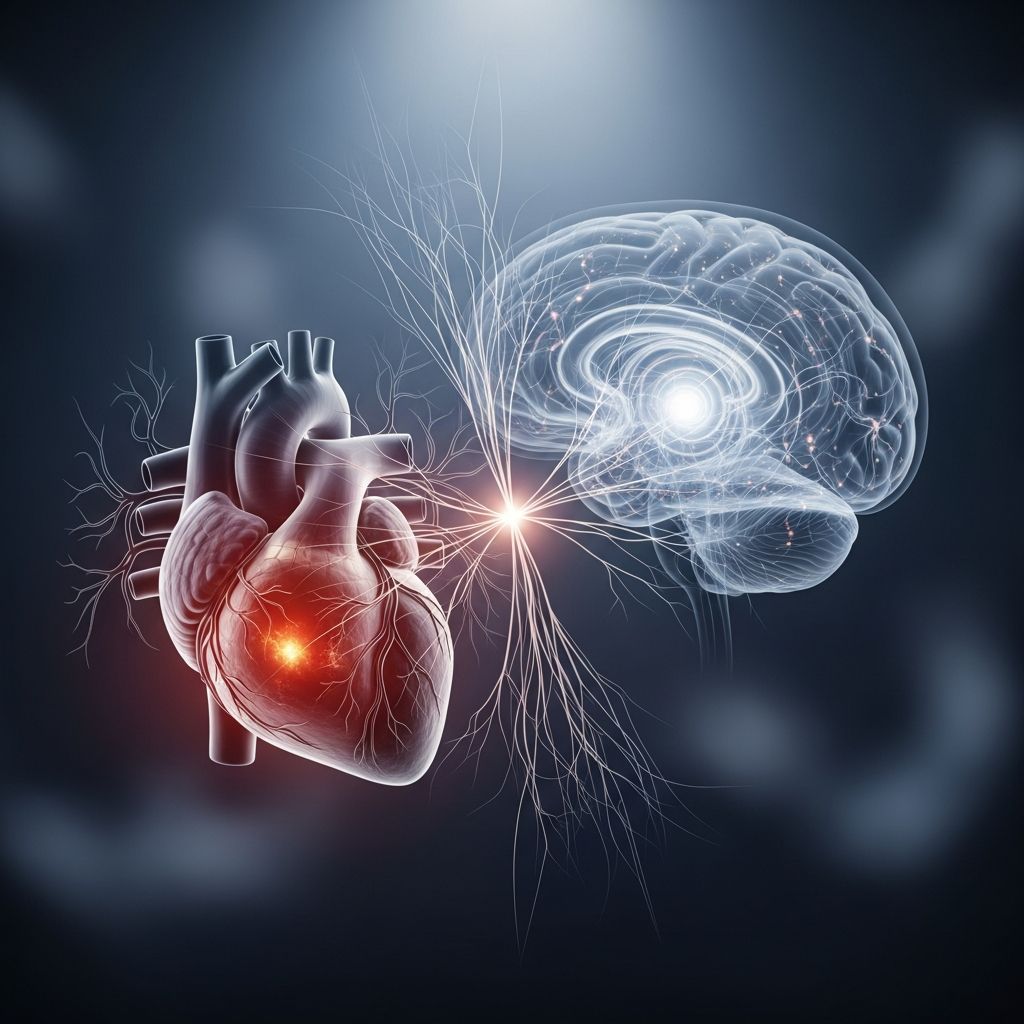
Anxiety disorders and cardiovascular disease share a complex relationship that has become increasingly recognized by medical professionals. When anxiety becomes chronic or severe, it can significantly impact heart health and increase the risk of developing cardiovascular complications. Understanding this connection is essential for recognizing how mental health directly influences physical wellbeing.
The relationship between anxiety and heart disease operates through multiple biological pathways. When individuals experience anxiety, their bodies activate the “fight or flight” response, triggering a cascade of physiological changes designed to prepare the body for immediate threats. While this response is beneficial in short-term emergencies, chronic activation can have damaging long-term effects on the cardiovascular system.
How Anxiety Affects the Cardiovascular System
The physiological response to anxiety involves rapid and significant changes throughout the body. When anxiety strikes, heart rate increases dramatically, blood vessels constrict and expand in ways that redirect blood flow to muscles while reducing flow to the stomach and reproductive organs. The lungs’ smallest airways expand wider, pupils dilate, and the brain receives a surge of oxygen. Muscle tone increases, and sugar and fat stores mobilize to fuel immediate action.
In the short term, this acute stress response causes no lasting problems. When the threat has passed, the body activates its parasympathetic nervous system, which activates the “rest and digest” functions. A separate set of glands and hormones work to slow the heart rate, realign blood vessels, and restore normal bodily functions.
However, when anxiety becomes chronic and the threat system remains constantly activated, the body experiences continuous wear and tear. This persistent activation weakens blood vessels, raises baseline blood pressure, and increases the risk of weight gain and cardiovascular disease. Additionally, chronic stress can impair immune function and has been linked to increased dementia risk.
The Link Between Mental Health and Cardiovascular Disease
Research has demonstrated a powerful connection between depression, poor mental health, and cardiovascular disease risk. Individuals with depression face significantly higher odds of developing cardiovascular disease compared to those without depression. Studies show that people with depression have 2.32 times higher odds of experiencing cardiovascular events such as myocardial infarction, angina, or stroke.
The association between mental health and heart disease extends beyond those with clinical depression diagnoses. Poor mental health days are associated with increased cardiovascular risk even among individuals without formal psychiatric diagnoses. This graded relationship means that as mental health worsens, cardiovascular risk increases proportionally.
Related Stories



Young adults are not exempt from this connection. Depression and poor mental health among young adults are associated with premature cardiovascular disease and suboptimal cardiovascular health. Individuals with depression show higher odds of developing suboptimal cardiovascular health—defined as having two or more cardiovascular risk factors including hypertension, high cholesterol, overweight or obesity, smoking, diabetes, physical inactivity, and inadequate fruit and vegetable intake.
Multiple Pathways Connecting Anxiety to Heart Disease
Several mechanisms explain how anxiety and mental health problems increase cardiovascular disease risk:
Behavioral Factors: Depression and anxiety are frequently associated with unhealthy lifestyle choices, including sedentary behavior, poor eating habits, and increased smoking rates. These behaviors directly contribute to cardiovascular disease development and worsen existing heart conditions.
Physiological Mechanisms: Chronic stress from anxiety triggers abnormalities in glucose and lipid homeostasis, disrupts coagulation cascades, and creates inflammatory responses that damage the cardiovascular system. These biological changes accumulate over time, increasing the risk of heart attacks, strokes, and other cardiac events.
Brain Circuitry Changes: Prolonged anxiety can actually alter brain circuitry, keeping the nervous system in a constant state of threat detection. This rewiring causes individuals to remain anxiously vigilant, perpetuating the stress response and its associated cardiovascular damage.
Anxiety Disorders and Cardiovascular Risk
Various forms of anxiety disorders are associated with increased cardiovascular disease risk. Generalized anxiety disorder, panic disorder, social anxiety, and post-traumatic stress disorder all involve sustained physiological activation that taxes the heart and blood vessels. The chronic elevation of stress hormones like cortisol and adrenaline creates a hostile environment for cardiovascular health.
When anxiety leads to avoidance behaviors—where individuals consistently avoid situations, thoughts, or activities that trigger anxiety—the problem intensifies. This avoidance reinforces the anxiety cycle and prevents the natural habituation that allows anxiety to diminish over time. The brain learns to associate more and more situations with threat, expanding the range of triggers and maintaining constant vigilance.
The Protective Power of Positive Well-Being
While negative mental health increases cardiovascular disease risk, positive well-being offers remarkable protection. Positive well-being—encompassing optimism, life satisfaction, happiness, and a sense of vitality—has been shown to reduce coronary artery disease risk by nearly one-third in high-risk populations with family history. In the highest-risk individuals, positive well-being reduced incident coronary artery disease by nearly 50 percent.
Even in general population samples, positive well-being provided a 13 percent reduction in coronary artery disease risk, independent of traditional cardiovascular risk factors. This protective effect persisted even after accounting for factors like smoking, cholesterol, blood pressure, and obesity, suggesting that emotional and psychological health operates through distinct biological pathways.
Recognizing Symptoms and Seeking Help
Individuals experiencing both anxiety and heart disease should be aware of overlapping symptoms. Anxiety can manifest as chest pain, shortness of breath, rapid heartbeat, dizziness, and nausea—the same symptoms associated with cardiac events. This overlap makes diagnosis challenging and highlights the importance of comprehensive medical evaluation.
If you experience persistent chest discomfort, unexplained heart palpitations, or anxiety that interferes with daily functioning, seek medical evaluation promptly. Cardiologists and mental health professionals can work together to distinguish between anxiety symptoms and genuine cardiac problems, ensuring appropriate treatment.
Treatment and Management Strategies
Mental Health Treatment: Evidence-based treatments for anxiety disorders include cognitive-behavioral therapy (CBT), which helps individuals identify and change thought patterns that trigger anxiety. Medications such as selective serotonin reuptake inhibitors (SSRIs) can help regulate brain chemistry and reduce anxiety symptoms.
Stress Reduction Techniques: Mindfulness meditation, deep breathing exercises, progressive muscle relaxation, and yoga have all demonstrated benefits for reducing anxiety and improving cardiovascular health. Regular practice of these techniques helps regulate the nervous system and promotes the “rest and digest” response.
Lifestyle Modifications: Regular physical activity, adequate sleep, healthy nutrition, limiting caffeine and alcohol, and maintaining strong social connections all contribute to better mental and cardiovascular health. Exercise, in particular, serves the dual benefit of improving mood and strengthening the heart.
Professional Support: Working with mental health professionals ensures proper diagnosis and treatment planning. Psychologists, psychiatrists, and counselors can provide individualized approaches based on the specific anxiety disorder and personal circumstances.
Clinical Implications and Prevention
Healthcare providers increasingly recognize the need to assess mental health when evaluating cardiovascular disease risk. Screening for depression and anxiety should become a routine part of cardiovascular health assessments. For individuals with established cardiovascular disease, mental health screening is particularly important for optimizing secondary prevention and reducing the risk of future cardiac events.
Additionally, individuals with depression or anxiety but without current cardiovascular disease should understand that improving their mental health may help prevent future heart disease development. The bidirectional relationship between mental and cardiovascular health means that treating mental health conditions actively supports long-term heart health.
The Public Health Perspective
The rising prevalence of anxiety disorders represents a significant public health challenge with far-reaching consequences for cardiovascular health. Millions of Americans struggle with anxiety, and many lack access to affordable mental health care. Addressing this crisis requires innovative approaches to diagnosis, development of new treatments, and ensuring that mental health services reach those most in need.
The good news is that mental health professionals and researchers understand how anxiety affects the brain and body, and evidence-based treatments exist that work. By prioritizing mental health care and making it accessible to all populations, society can simultaneously reduce cardiovascular disease burden and improve overall well-being.
Frequently Asked Questions
Q: Can anxiety alone cause heart disease?
A: Anxiety alone does not directly cause heart disease, but chronic anxiety significantly increases the risk through multiple mechanisms including hormonal changes, behavioral factors, and inflammation. Combined with other risk factors like smoking, high cholesterol, or hypertension, anxiety substantially elevates cardiovascular disease risk.
Q: How can I distinguish between anxiety symptoms and a heart attack?
A: Both anxiety and heart attacks can cause chest pain, shortness of breath, and rapid heartbeat. However, anxiety attacks typically have a clear trigger, peak within minutes, and resolve without medical intervention, while heart attacks may persist and worsen. Always seek immediate medical attention if you suspect a heart attack, as healthcare professionals can perform tests to determine the cause.
Q: What is the most effective treatment for anxiety-related heart concerns?
A: Treatment often involves a combination approach including cognitive-behavioral therapy, stress reduction techniques, appropriate medications, lifestyle modifications, and sometimes cardiology consultation. Working with both mental health and cardiac specialists ensures comprehensive care addressing both conditions.
Q: Can treating anxiety reduce my heart disease risk?
A: Yes. Successfully treating anxiety through therapy, medication, and lifestyle changes can reduce cardiovascular disease risk by improving psychological well-being and removing the chronic stress burden on the heart. The protective effect of improved mental health is independent of traditional cardiac risk factors.
Q: Are women or men more affected by anxiety-related heart disease?
A: Research shows no significant sex differences in the association between anxiety and heart disease, though men are less likely to report poor mental health or seek treatment. Both men and women should prioritize mental health screening and treatment for cardiovascular disease prevention.
References
- Anxiety Fallout: Understanding the Neurobiological Cascade of Stress Response — Johns Hopkins University Hub Magazine. 2020. https://hub.jhu.edu/magazine/2020/winter/anxiety-public-health-crisis/
- Association of Depression and Poor Mental Health With Premature Cardiovascular Disease Among Young Adults — Journal of the American Heart Association. 2023. https://www.ahajournals.org/doi/10.1161/jaha.122.028332
- Effect of Positive Well-Being on Incidence of Symptomatic Coronary Artery Disease — National Center for Biotechnology Information. 2013. https://pmc.ncbi.nlm.nih.gov/articles/PMC3788860/
- Anxiety and Cardiac Disease Clinical Overview — Johns Hopkins University Research. https://pure.johnshopkins.edu/en/publications/anxiety-and-cardiac-disease-6/
Similar Articles








Read full bio of medha deb