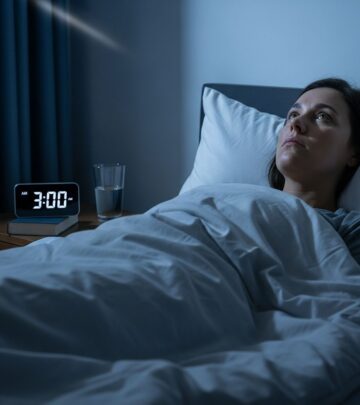
Anxiety And Swallowing Problems: 6 Effective Treatments
Understand how anxiety triggers swallowing difficulties, symptoms, causes, diagnosis, and effective treatments to regain normal eating.
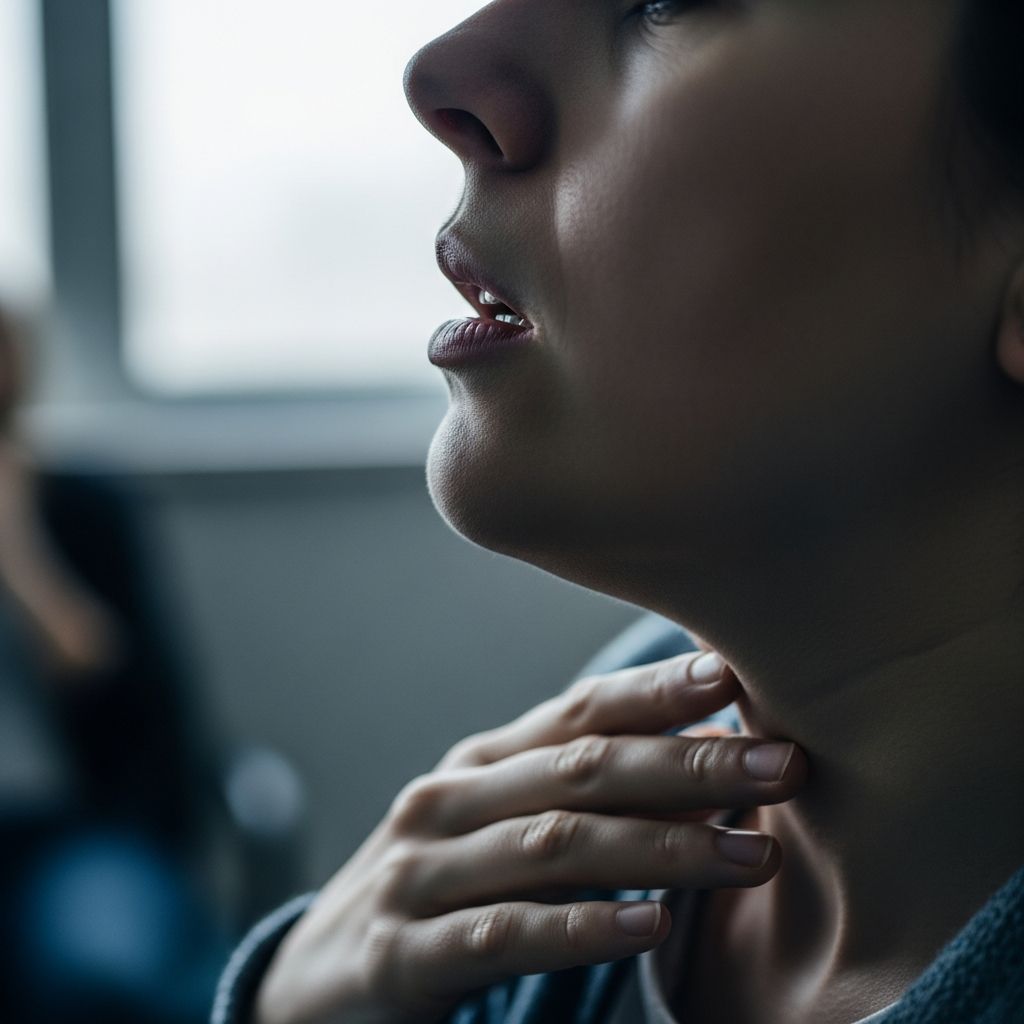
Difficulty swallowing, known as
dysphagia
, can stem from anxiety, creating a cycle of fear and physical tension that disrupts eating and drinking. This condition, often manifesting asphagophobia
(fear of swallowing) orglobus sensation
(feeling of a lump in the throat), affects daily life but is treatable through therapy and medical intervention.What Is the Link Between Anxiety and Swallowing Problems?
Anxiety frequently causes
swallowing difficulties
by triggering muscle tension in the throat, leading to sensations of choking or food sticking. This is distinct from physical dysphagia but can mimic it, prompting panic during meals.Stress hormones during anxiety episodes tighten the esophagus and pharynx, making swallowing feel impossible. Patients may avoid solids, leading to weight loss and nutritional issues.
Symptoms of Anxiety-Related Swallowing Problems
Common signs include:
- Anxiety building before meals, with rapid heartbeat and sweating.
- Taking tiny bites followed by excessive liquids to force swallowing.
- Reluctance to eat in public due to fear of choking or embarrassment.
- Panic attacks triggered by the act of swallowing.
- Switching to a liquid diet, causing unintended weight loss.
- Globus sensation: Persistent feeling of a lump unrelated to eating, worsened by stress.
These symptoms align with phagophobia, a phobia listed in the DSM, where individuals dread swallowing food, liquids, or even pills.
Causes of Swallowing Problems Linked to Anxiety
Several factors contribute:
- Prior choking incidents or witnessing choking, instilling lasting fear.
- Anxiety disorders like panic disorder or social anxiety disorder (SAD), causing throat tightness.
- Specific food fears, such as undercooked meats.
- Emotional effects from chronic dysphagia, including anger, sadness, and heightened anxiety in patients and families.
While psychological, these must be differentiated from physical causes like GERD, esophageal issues, or bone spurs compressing the esophagus.
Physical vs. Psychological Causes of Dysphagia
| Type | Causes | Symptoms | Treatment Focus |
|---|---|---|---|
| Psychological (Anxiety-Related) | Phagophobia, globus sensation, panic disorders | Fear-driven avoidance, tension without obstruction | Therapy (CBT, exposure) |
| Physical | Esophageal strictures, bone spurs (osteophytes), GERD | Actual choking, hoarseness, food impaction | Surgery, medications, swallowing therapy |
Anxiety mimics physical dysphagia but lacks structural damage; misdiagnosis delays relief.
Diagnosis: Ruling Out Physical Issues
Doctors start with a detailed history: frequency, duration, and triggers of symptoms.
- Physical exams and tests (e.g., endoscopy, CT scans) exclude GERD, tumors, or osteophytes.
- Assess for co-existing conditions like eating disorders or SAD.
- Swallowing evaluations by speech-language pathologists differentiate functional from organic dysphagia.
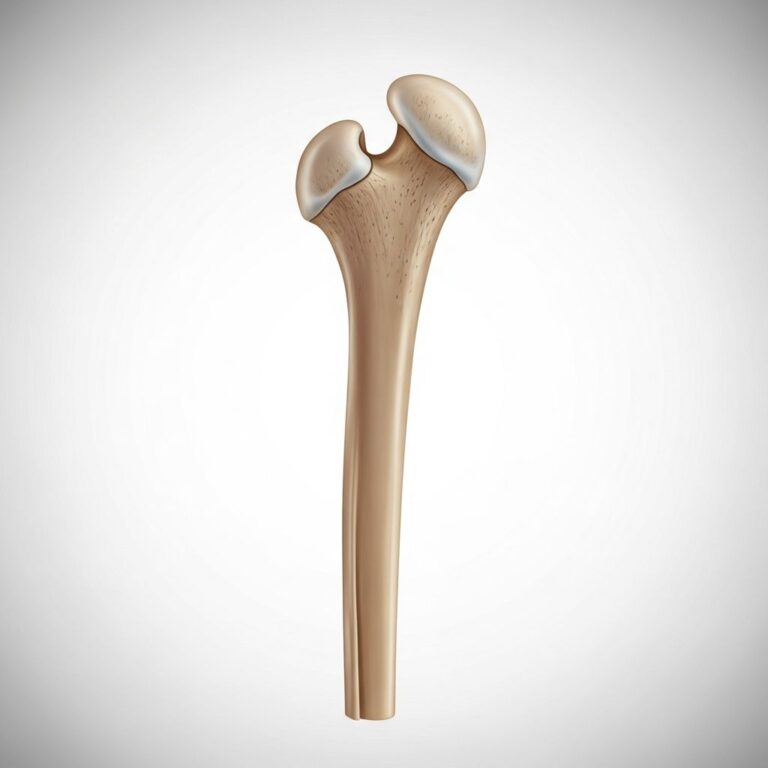
One case revealed bone spurs from diffuse idiopathic skeletal hyperostosis (DISH) mimicking anxiety via esophageal compression, confirmed by CT.
Treatments for Anxiety and Swallowing Difficulties
Effective options target both mind and body:
- Cognitive Behavioral Therapy (CBT): Identifies and replaces negative thoughts about swallowing.
- Exposure Therapy: Gradual exposure to feared foods reduces phobia intensity.
- Eye Movement Desensitization and Reprocessing (EMDR): Uses sensory stimuli to process trauma like past choking.
- Hypnotherapy: Uncovers root causes in a relaxed state.
- Medications: Anti-anxiety drugs for symptom relief during therapy.
- Swallowing retraining post-physical treatment, as in surgery recovery.
Related Stories



Therapy improves quality of life, reducing social isolation and nutritional risks.
Impact on Quality of Life
Dysphagia from anxiety limits social eating, causes mood disorders, and strains family dynamics with shared anxiety and sadness.
Patients report fear of choking dominating thoughts, while families worry about health decline. Treatment restores normalcy, as one patient post-surgery noted a “huge improvement” in life.
When to See a Doctor
Seek help if swallowing issues persist beyond stress episodes, involve weight loss, or include choking risks. Primary care can refer to specialists for comprehensive evaluation.
Frequently Asked Questions (FAQs)
Is swallowing anxiety a real condition?
Yes,
phagophobia
is a recognized phobia causing intense fear of swallowing, often linked to anxiety disorders.Can anxiety cause a lump in the throat?
Absolutely;
globus sensation
from stress creates this feeling without physical blockage.How is anxiety-related dysphagia treated?
Treatments include
CBT
, exposure therapy, EMDR, hypnotherapy, and medications.Could swallowing problems be physical, not anxiety?
Yes, conditions like esophageal compression from bone spurs require imaging to rule out.
Does dysphagia affect mental health?
It heightens
anxiety, anger, and sadness
, impacting patients and families.Preventing and Managing Swallowing Anxiety
Practice deep breathing before meals, start with safe foods, and build exposure gradually. Speech therapy aids retraining post-treatment.
Long-term, addressing underlying anxiety prevents recurrence, enhancing daily functioning.
References
- How to Overcome Swallowing Anxiety? — Baptist Health. 2023-approx. https://www.baptisthealth.com/blog/behavioral-health/how-to-overcome-swallowing-anxiety
- He had problems swallowing and sometimes choked when he talked—was it anxiety? — UC Davis Health. 2022-07-25. https://health.ucdavis.edu/news/headlines/he-had-problems-swallowing-and-sometimes-choked-when-he-talked-was-it-anxiety/2022/07
- Swallowing difficulty — MedlinePlus (U.S. National Library of Medicine). 2024-approx. https://medlineplus.gov/ency/article/007543.htm
- Emotional and Psychological Effects of Dysphagia: Validation of a Questionnaire — National Center for Biotechnology Information (PMC). 2021-04-02. https://pmc.ncbi.nlm.nih.gov/articles/PMC8019588/
- Dysphagia and quality of life: a narrative review — Archives of Craniofacial Medicine. 2024. https://www.e-acnm.org/journal/view.php?doi=10.15747%2FACNM.2024.16.2.43
Similar Articles








Read full bio of medha deb