Anxiety and Complementary Health Approaches
Explore evidence-based complementary approaches to managing anxiety and stress effectively.
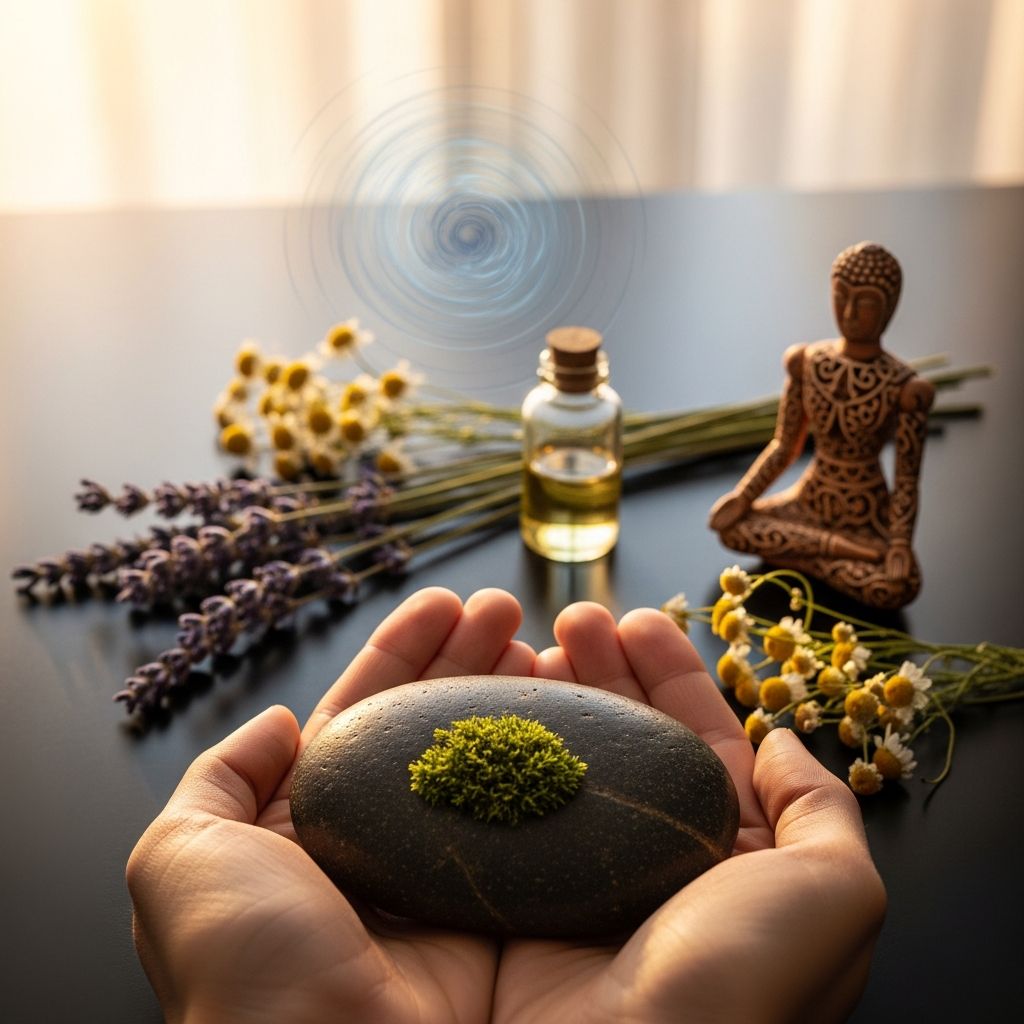
Understanding Anxiety and Complementary Health Approaches
Anxiety is a common experience affecting millions of individuals worldwide, ranging from occasional worry during stressful situations to diagnosed anxiety disorders. While conventional treatments like cognitive behavioral therapy and medications remain first-line approaches, many people are exploring complementary and integrative health approaches to support their anxiety management journey. There is a growing body of research examining how some complementary and integrative approaches may help reduce anxiety or help people cope with it. Some studies have focused on the anxiety that people experience in everyday life or during stressful situations, while others have focused on anxiety disorders.
Complementary health approaches represent a diverse range of practices and products that individuals may use alongside conventional medical treatment. Understanding these approaches, their evidence base, and their safety profiles can help individuals make informed decisions about their anxiety management strategies in consultation with healthcare providers.
What’s the Bottom Line?
Current Research Status
The landscape of research on complementary health approaches for anxiety has expanded considerably, offering both promising findings and important limitations. Some complementary health approaches may help to relieve anxiety during stressful situations such as medical procedures. However, it is important to understand that complementary approaches have not been proven effective in treating anxiety disorders as primary standalone treatments.
The research suggests several key takeaways. Yoga has shown helpfulness in managing anxiety symptoms, but it is not clear if yoga is effective for anxiety disorders, and more high-quality research is needed. Similarly, mindfulness-based practices may be as effective as established treatments for managing anxiety symptoms, but more research is needed to draw definitive conclusions. Hypnosis has been studied for anxiety related to medical or dental procedures, with some studies showing promising results, but the overall evidence remains inconclusive.
Classification of Complementary Health Approaches
Complementary approaches can be classified by their primary therapeutic input, which refers to how the therapy is taken in or delivered. Understanding these categories helps individuals identify approaches that align with their preferences and lifestyle.
Primary Therapeutic Input Categories
- Nutritional approaches: Special diets, dietary supplements, herbs, probiotics, and microbial-based therapies that focus on dietary and supplemental interventions
- Psychological approaches: Meditation, hypnosis, music therapies, and relaxation therapies that engage the mind and emotional processes
- Physical approaches: Acupuncture, massage therapy, and spinal manipulation that involve direct physical intervention
- Combination approaches: Psychological and physical combinations such as yoga, tai chi, and dance therapies, or psychological and nutritional combinations like mindful eating
- Other complementary health approaches: Additional modalities including art therapy and other integrative practices
What the Science Says About Complementary Health Approaches for Anxiety
Psychological and Physical Approaches
Acupuncture
Acupuncture is an ancient Chinese practice that has gained attention in Western medicine for its potential anxiety-reducing properties. There is some limited evidence that acupuncture may help reduce anxiety symptoms. However, it is important to note that the overall quality of the studies that have been conducted is low, which means that more rigorous research is needed before definitive conclusions can be reached about its effectiveness. Although some studies suggest that acupuncture might reduce anxiety, the research is too limited to allow definite conclusions to be reached.
Mindfulness Meditation
Mindfulness-based practices represent one of the most extensively researched complementary approaches for anxiety. Some studies suggest that mindfulness-based practices may be as effective as or more effective than some established treatments for reducing anxiety, but more research is needed. The evidence base for mindfulness is particularly strong for managing everyday anxiety and stress-related symptoms.
Mindfulness-Based Stress Reduction
Recent high-quality research has demonstrated compelling results for mindfulness-based stress reduction. A 2023 randomized controlled trial involving 208 participants with anxiety disorders found that mindfulness-based stress reduction is not less effective than escitalopram, a commonly prescribed medication for treating anxiety disorders. This finding is particularly significant as it suggests that mindfulness-based approaches may be comparable to pharmacological interventions for certain individuals.
Additionally, a 2021 trial in 108 adults with generalized social anxiety disorder found that cognitive behavioral group therapy and mindfulness-based stress reduction may be effective treatments with long-term benefits. Both treatments may help people regulate their emotional responses, addressing one of the core challenges in anxiety management.
Comparison of Mindfulness-Based Interventions
A comprehensive 2021 review of 23 studies with 1,815 adult participants diagnosed with anxiety disorders, such as generalized anxiety disorder or social anxiety disorder, found that acceptance- and mindfulness-based interventions resulted in short-term reduction in anxiety. The researchers recommended further high-quality studies to establish longer-term effectiveness and optimal implementation strategies.
Safety of Meditation
One of the advantages of meditation as an anxiety management tool is its favorable safety profile. Meditation is generally considered to be safe for healthy people. A 2019 review found no apparent negative effects of mindfulness-based interventions for patients with anxiety disorders, making meditation an accessible option for many individuals seeking natural anxiety relief.
Relaxation Techniques
Relaxation techniques represent a broad category of evidence-supported approaches for anxiety management. These techniques may reduce anxiety in people with chronic medical problems and those who are having medical procedures. However, it is important to note that cognitive behavioral therapy may be more helpful than relaxation techniques in treating at least some types of anxiety disorders, suggesting that relaxation techniques may be most effective as part of a comprehensive anxiety management plan.
Yoga
Yoga has gained significant popularity as a mind-body practice for anxiety relief, combining physical postures, breathing techniques, and mindfulness elements. A 2021 review looked at the evidence on yoga for people who have been diagnosed with anxiety disorders. Although the reviewers identified some promising results, they concluded that there is insufficient evidence to recommend the routine practice of yoga as primary treatment for patients with anxiety disorders.
More specific research on yoga varieties has provided additional insights. A 2021 study of Kundalini yoga for generalized anxiety disorder involving 226 participants, 155 of whom completed the study, found that Kundalini yoga improved symptoms but was less helpful than cognitive behavioral therapy, an established first-line treatment for this condition. This suggests that while yoga may provide supplementary benefit, it should not replace established first-line treatments when available.
Other Psychological and Physical Approaches
Massage Therapy, Tai Chi, and Qigong
Several other complementary practices show potential for anxiety reduction. Although some studies suggest that complementary health practices such as massage therapy, tai chi, and qigong may reduce anxiety, more high-quality randomized controlled trials that include larger numbers of people are needed before definite conclusions can be reached. These practices, which combine physical movement with mindfulness elements, warrant further investigation through rigorous scientific methodologies.
Evidence Summary Table
| Complementary Approach | Evidence Quality | Effectiveness for Anxiety | Best Use |
|---|---|---|---|
| Mindfulness-Based Stress Reduction | Moderate to High | Comparable to some medications | General anxiety and stress management |
| Yoga | Limited | Some benefit but insufficient for primary treatment | Supplementary approach alongside other therapies |
| Relaxation Techniques | Moderate | Helpful for medical procedure anxiety | Situational anxiety relief |
| Acupuncture | Limited | Possibly helpful but inconclusive | Exploratory approach under professional guidance |
| Massage Therapy | Limited | May reduce anxiety but needs more research | Complementary relaxation practice |
| Tai Chi and Qigong | Limited | Potentially beneficial but inconclusive | Physical and mind-body wellness |
Research Findings and Meta-Analyses
Broader research syntheses have provided valuable insights into the comparative effectiveness of different approaches. A 2019 meta-analysis involving 862 participants with anxiety disorders or high trait anxiety compared meditation techniques to relaxation therapies and concluded that meditation seems to be slightly more effective than relaxation in the treatment of anxiety. The meta-analysis also found that meditation might remain more effective at 12-month follow-up, suggesting that meditation may have longer-lasting benefits for some individuals.
Additionally, a 2019 systematic review and meta-analysis of 34 studies found that interventions based on cognitive-behavioral programs, self-reflection, and mindfulness-based approaches produce satisfactory and significant results in relation to the reduction of stress, anxiety, and depression in students. This finding highlights the effectiveness of these approaches for anxiety in specific populations, particularly young adults managing academic stress.
NCCIH-Funded Research Initiatives
The National Center for Complementary and Integrative Health is actively supporting research to advance understanding of complementary approaches for anxiety. Current research projects include:
- A study of mindfulness training delivered via mobile health to reduce depression and anxiety, exploring innovative delivery methods for mindfulness interventions
- A study of neural mechanisms and sex differences in responses to mindfulness-based stress reduction in people with generalized anxiety disorder, investigating biological mechanisms and individual variation
- An evaluation of three bioenergetic supplements—creatine, cyclocreatine, and acetyl-L-carnitine—in people with depression and anxiety, examining nutritional approaches to mental health
Important Considerations for Choosing Complementary Approaches
Working with Healthcare Providers
It is crucial that individuals interested in complementary approaches for anxiety work closely with their healthcare providers. Shared decision-making about the use of complementary approaches should be informed by current evidence, individual health status, and potential interactions with conventional treatments. Healthcare providers can help evaluate whether complementary approaches are appropriate additions to an individual’s anxiety management plan.
Anxiety Disorders vs. Everyday Anxiety
An important distinction exists between using complementary approaches to manage everyday anxiety or stress-related anxiety and using them to treat diagnosed anxiety disorders. While complementary approaches may help relieve anxiety during stressful situations such as medical procedures, they have not been proven effective as primary treatments for anxiety disorders such as generalized anxiety disorder, social anxiety disorder, or panic disorder.
Frequently Asked Questions
Q: Are complementary health approaches safe for everyone with anxiety?
A: While many complementary approaches are generally safe, individual responses vary. Meditation is considered safe for healthy people, and mindfulness-based interventions showed no apparent negative effects in studies. However, certain approaches may not be suitable for all individuals, and it is important to consult with a healthcare provider before starting any new anxiety management approach, especially if you have other medical conditions or take medications.
Q: Can complementary approaches replace conventional anxiety treatments?
A: Complementary approaches should not replace conventional first-line treatments for anxiety disorders without medical guidance. While some approaches like mindfulness-based stress reduction show effectiveness comparable to certain medications for some individuals, established treatments like cognitive behavioral therapy remain the recommended first-line approaches. Complementary approaches work best as part of a comprehensive treatment plan.
Q: How long does it take to see results from complementary approaches?
A: The timeline for experiencing benefits varies depending on the approach and individual factors. Some people may notice relief from situational anxiety relatively quickly with relaxation techniques or meditation, while others may need more time to develop a consistent practice and experience benefits. Research suggests that meditation may have longer-lasting effects at follow-up periods of 12 months or more.
Q: Which complementary approach is most effective for anxiety?
A: Based on current research, mindfulness-based stress reduction and meditation appear to have the strongest evidence base for anxiety reduction. However, the most effective approach depends on individual preferences, lifestyle, and the type of anxiety being addressed. What works best for one person may not work as well for another, making it important to find an approach that resonates with you.
Q: Are there any complementary approaches I should avoid?
A: While most complementary approaches are generally safe, approaches with limited evidence should be used cautiously and ideally under professional guidance. Always inform your healthcare provider about any complementary approaches you are considering to ensure they do not interfere with other treatments or medications you may be taking.
References
- Anxiety and Complementary Health Approaches — National Center for Complementary and Integrative Health (NCCIH), National Institutes of Health. 2025-12-01. https://www.nccih.nih.gov/health/anxiety-and-complementary-health-approaches
- Identifying complementary and alternative medicine recommendations associated with anxiety management in clinical practice guidelines: A systematic review — Frontiers in Psychiatry. 2023-12-08. https://www.frontiersin.org/journals/psychiatry/articles/10.3389/fpsyt.2023.1290580/full
- Anxiety and Complementary Health Approaches: What the Science Says — National Center for Complementary and Integrative Health (NCCIH), National Institutes of Health. 2025-12-01. https://www.nccih.nih.gov/health/providers/digest/anxiety-and-complementary-health-approaches-science
- Stress, Anxiety, and Sleep Problems: Considering Complementary Approaches — National Center for Complementary and Integrative Health (NCCIH), National Institutes of Health. 2025-05. https://www.nccih.nih.gov/health/stress-anxiety-and-sleep-problems-considering-complementary-approaches
- Things To Know About Complementary Health Approaches for Anxiety — National Center for Complementary and Integrative Health (NCCIH), National Institutes of Health. 2025-12-01. https://www.nccih.nih.gov/health/tips/things-to-know-about-complementary-health-approaches-for-anxiety
- Complementary Health Approaches and Integrative Health in Occupational Therapy Practice — American Occupational Therapy Association (AOTA). https://research.aota.org/ajot/article/77/Supplement%203/7713410200/25025/Complementary-Health-Approaches-and-Integrative
Similar Articles







Read full bio of Sneha Tete