Anxiety Disorders: Causes, Symptoms, Treatment & Types
Understand anxiety disorders, their causes, symptoms, and effective treatment options available today.
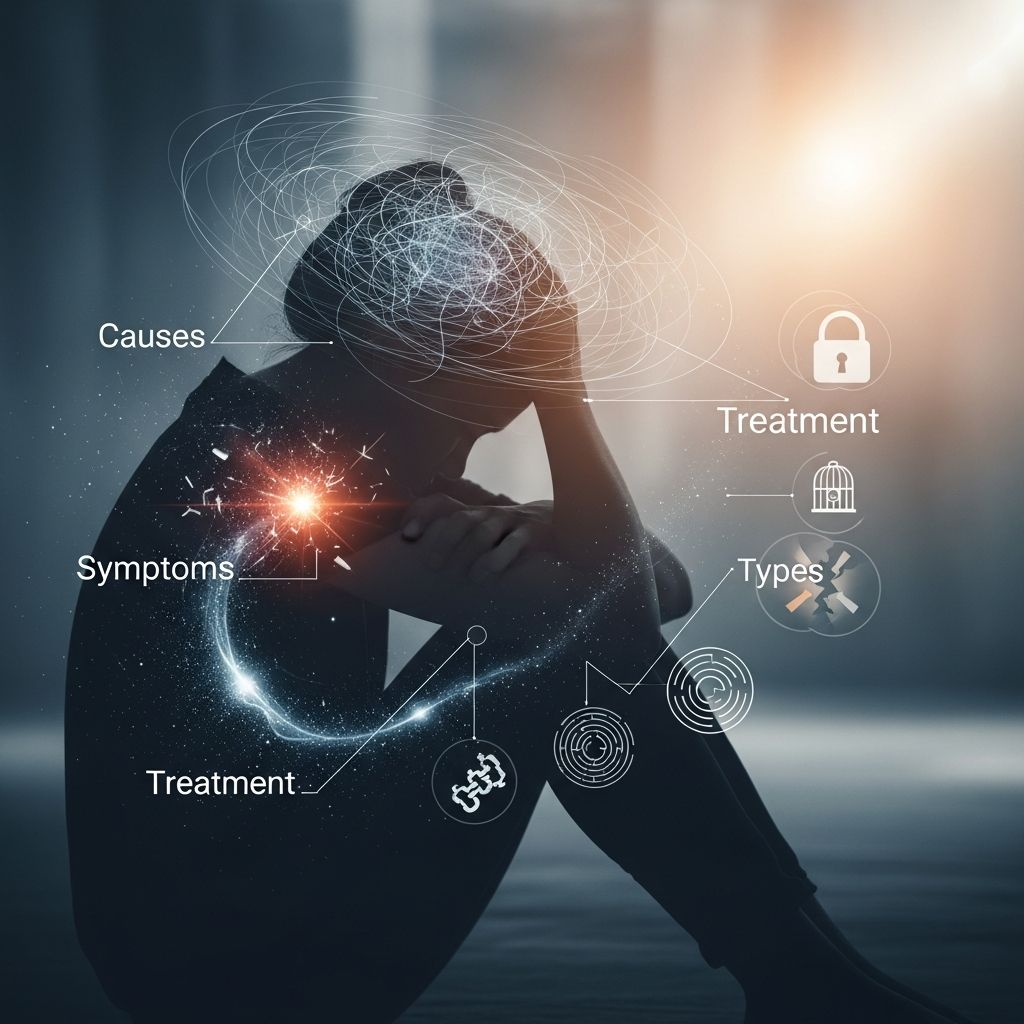
Understanding Anxiety Disorders
Anxiety disorders are a group of mental health conditions that cause fear, dread, and other symptoms that are out of proportion to the situation at hand. These are serious mental illnesses where individuals experience constant and overwhelming worry that can become crippling in their daily lives. Unlike the occasional nervousness everyone experiences, anxiety disorders involve persistent and uncontrollable responses that interfere with normal functioning, relationships, and work performance.
An anxiety disorder is diagnosed when a person’s response is not appropriate for the situation, when the individual cannot control the response, or when the anxiety significantly interferes with normal daily functioning. It’s important to understand that anxiety disorders are real medical conditions—not the result of personal weakness, character flaws, or poor upbringing. Research increasingly shows that these disorders result from a combination of biological factors and environmental stresses.
Types of Anxiety Disorders
There are several recognized types of anxiety disorders, each with unique characteristics and symptoms:
Generalized Anxiety Disorder (GAD)
Generalized anxiety disorder involves excessive, unrealistic worry and tension even when there is little or nothing to provoke the anxiety. People with GAD experience a constant feeling of being overwhelmed and have difficulty managing worry about everyday things. To receive a GAD diagnosis, individuals must feel worried most days for at least six months, with worry that is hard to manage. Adults typically experience at least three of the following symptoms: restlessness, fatigue, difficulty concentrating, irritability, muscle tension, and sleep disturbances.
Panic Disorder
People with panic disorder have feelings of terror that strike suddenly and repeatedly with no warning. These panic attacks come without apparent triggers and can be terrifying for those experiencing them. Other symptoms include sweating, chest pain, heart palpitations (unpleasant sensations of irregular heartbeats), and a feeling of choking, which might make the person feel like they are having a heart attack or losing their mind. The unpredictability of panic attacks often leads people to avoid certain situations or develop agoraphobia.
Social Anxiety Disorder
Social anxiety disorder, also known as social phobia, is a medical condition that causes fear and anxiety when individuals are around people in social situations. People with this condition experience intense fear of being judged, embarrassed, or scrutinized by others. This can severely limit their ability to engage in social activities, maintain relationships, or perform well in work settings.
Specific Phobias
Specific phobias involve intense, irrational fear of particular objects or situations. These fears are out of proportion to the actual danger posed and can lead to significant avoidance behaviors that interfere with daily life.
Agoraphobia
Agoraphobia involves a fear of two or more situations including crowds, enclosed spaces, open spaces, public transportation, or being outside of home alone. The immense anxiety and avoidance of certain environments, along with social and occupational dysfunction, must be present for six months or more to make a diagnosis. This condition can become so severe that individuals become essentially housebound.
Separation Anxiety Disorder
Related Stories



Separation anxiety disorder affects both children and adults and causes excessive fear or anxiety when separated from attachment figures. Symptoms include excessive worry about harm or loss of a caregiver, difficulty leaving home, difficulty sleeping alone or outside the home, reluctance to be alone, nightmares regarding separation, and complaints about physical symptoms such as stomach pain or headaches when away from caregivers.
Illness Anxiety Disorder (Hypochondria)
Illness anxiety disorder is a chronic mental illness sometimes known as hypochondria. People with this disorder have a persistent fear that they have a serious or life-threatening illness despite few or no symptoms. This constant health-related anxiety can be extremely distressing and lead to frequent medical appointments and tests.
Common Symptoms of Anxiety Disorders
While symptoms vary depending on the type of anxiety disorder, general symptoms of anxiety include:
– Excessive worry and tension- Restlessness or feeling on edge- Difficulty concentrating or mind going blank- Irritability- Muscle tension- Sleep disturbances- Physical symptoms such as rapid heartbeat, shortness of breath, trembling, or sweating- Dizziness or lightheadedness- Nausea or stomach upset- Fear of losing control or dying
Causes of Anxiety Disorders
The exact cause of anxiety disorders is not fully understood; however, anxiety disorders—like other forms of mental illness—are not the result of personal weakness, character flaws, or poor upbringing. As scientists continue their research on mental illness, it is becoming increasingly clear that many of these disorders are caused by a combination of factors.
Biological Factors
Biological factors play a significant role in the development of anxiety disorders. These may include brain chemistry imbalances involving neurotransmitters such as serotonin and norepinephrine, genetic predisposition to anxiety, and neurological differences in how the brain processes fear and threat.
Environmental Stresses
Environmental factors can trigger or exacerbate anxiety disorders. These include traumatic experiences, chronic stress, major life changes, significant losses, or ongoing difficult situations. The interplay between biological vulnerability and environmental triggers often determines whether an individual develops an anxiety disorder.
Diagnosis of Anxiety Disorders
If you suspect you have an anxiety disorder, healthcare providers use a comprehensive approach to diagnosis. First, a physical exam is performed to rule out any medical conditions that might be causing your symptoms. If no physical illness is found, you might be referred to a psychiatrist or psychologist—mental health professionals specially trained to diagnose and treat mental illnesses.
Assessment Tools and Procedures
Psychiatrists and psychologists use specially designed interview and assessment tools to evaluate patients for anxiety disorders. These may include:
– Mood questionnaires like the GAD-7 for generalized anxiety disorder screening- Detailed interviews about symptom duration and intensity- Observation of facial expressions, speech patterns, and overall behavior- Laboratory tests to rule out medical causes- Assessment of how symptoms affect daily functioning and relationships
Diagnostic Criteria
The standard reference manual used for diagnosis of recognized mental illnesses in the United States is the Diagnostic and Statistical Manual of Mental Disorders, Fifth Edition (DSM-5-TR), published by the American Psychiatric Association. Providers use these criteria to ensure accurate diagnosis and appropriate treatment planning. Healthcare providers will check that symptoms cannot be better explained by another mental health disorder such as panic disorder, social anxiety, obsessive-compulsive disorder, or post-traumatic stress disorder (PTSD), and that the anxiety is not caused by drugs or medications you are taking.
Treatment Options for Anxiety Disorders
Although the exact treatment approach depends on the type of disorder, anxiety disorders are real disorders that require treatment. Recovery is not simply a matter of will and self-discipline. Fortunately, much progress has been made in the treatment of people with anxiety disorders. One or a combination of the following therapies might be used for most anxiety disorders:
Psychotherapy (Talk Therapy)
Psychotherapy is a type of counseling that addresses the emotional response to mental illness. It is a process in which trained mental health professionals help people by talking through strategies for understanding and dealing with their disorder. Therapy provides a safe, supportive setting where you can explore your thoughts, emotions, and behaviors. Research shows that the largest improvement happens with combined treatment—medications plus therapy together.
Cognitive Behavioral Therapy (CBT)
Cognitive behavioral therapy is one of the most effective approaches for treating anxiety disorders. People suffering from anxiety disorders often participate in this type of therapy in which they learn to recognize and change thought patterns and behaviors that lead to troublesome feelings. Through talking and asking questions, your therapist helps you gain a different perspective. Over time, CBT may help reduce excessive worry and build healthier coping skills. CBT usually takes place over multiple sessions and helps you learn to respond better to and cope with stress, anxiety, and difficult situations.
Medication
Medicines used to reduce the symptoms of anxiety disorders include antidepressants and anxiety-reducing medications. The most commonly prescribed medications are:
– Selective serotonin reuptake inhibitors (SSRIs)- Serotonin-norepinephrine reuptake inhibitors (SNRIs)- Tricyclic antidepressants (TCAs)- Beta-blockers for specific physical symptoms- Benzodiazepines for short-term use during acute panic episodes
Your healthcare provider will work with you to find the right treatment plan based on your symptoms, needs, and overall health. It’s important to maintain open and honest communication with your provider about how medications are working and any side effects you experience.
Why Early Diagnosis and Treatment Matter
Early diagnosis and treatment can significantly limit the problems caused by an anxiety disorder and improve the overall outlook. Unfortunately, many anxiety disorders are not recognized and, as a result, not treated. Without treatment, anxiety disorders can worsen over time and lead to increased disability, relationship problems, and reduced quality of life. If left untreated, anxiety can become more severe and may lead to comorbid conditions such as depression or substance abuse.
Living with Anxiety Disorders
While anxiety disorders can significantly impact your life, they are highly treatable conditions. With proper treatment and support, most people with anxiety disorders can manage their symptoms effectively and return to enjoying their daily activities. Your healthcare provider will treat the whole you—physically, mentally, and emotionally—to create highly specific solutions focused on your unique combination of needs.
Frequently Asked Questions
Q: Are anxiety disorders a sign of weakness?
A: No. Anxiety disorders are real medical conditions caused by a combination of biological and environmental factors, not personal weakness or character flaws. They require professional treatment just like any other medical condition.
Q: Can anxiety disorders be cured?
A: While anxiety disorders cannot always be completely cured, they are highly treatable. With appropriate therapy and medication, most people can effectively manage their symptoms and significantly improve their quality of life.
Q: How long does treatment for anxiety disorders take?
A: Treatment duration varies depending on the type and severity of the anxiety disorder and the individual’s response to treatment. Some people see improvement within weeks, while others may need several months of consistent treatment to achieve symptom management.
Q: Can children have anxiety disorders?
A: Yes. Anxiety disorders can affect both children and adults. Children may experience generalized anxiety disorder, separation anxiety disorder, specific phobias, and other anxiety conditions. Early intervention is important for better outcomes.
Q: What should I do if I think I have an anxiety disorder?
A: Contact your primary care physician or a mental health professional. Be as open and honest as you can about your symptoms. Your honesty helps your provider truly understand what you’re going through so they can offer the right care to help you feel better.
Q: Can I manage anxiety on my own without professional help?
A: While self-care strategies can be helpful, anxiety disorders typically require professional treatment. Recovery is not simply a matter of will and self-discipline. Psychotherapy and medication have strong evidence for effectiveness.
References
- Anxiety Disorders: Causes, Symptoms, Treatment & Types — Cleveland Clinic. 2024. https://my.clevelandclinic.org/health/diseases/9536-anxiety-disorders
- An Overview of Anxiety Disorders — Cleveland Clinic Abu Dhabi. 2024. https://www.clevelandclinicabudhabi.ae/en/health-hub/health-resource/diseases-and-conditions/an-overview-of-anxiety-disorders
- Generalized Anxiety Disorder (GAD): Symptoms & Treatment — Cleveland Clinic. 2024. https://my.clevelandclinic.org/health/diseases/23940-generalized-anxiety-disorder-gad
- Social Anxiety Disorder: Symptoms, Tests, Causes & Treatments — Cleveland Clinic. 2024. https://my.clevelandclinic.org/health/diseases/22709-social-anxiety
- Panic Attacks & Panic Disorder: Causes, Symptoms & Treatment — Cleveland Clinic. 2024. https://my.clevelandclinic.org/health/diseases/4451-panic-attack-panic-disorder
- Diagnostic and Statistical Manual of Mental Disorders, Fifth Edition Text Revision (DSM-5-TR) — American Psychiatric Association. 2022. https://www.psychiatry.org/psychiatrists/practice/dsm
- Understanding Anxiety Disorders: A Helpful Guide for Health Professionals — Osmosis. 2024. https://www.osmosis.org/blog/understanding-anxiety-disorders-a-helpful-guide-for-health-professionals
Similar Articles








Read full bio of Sneha Tete