Anxiety In Children: 8 Types, Symptoms, And Treatment Options
Understanding anxiety symptoms, causes, and effective treatments for children to support their emotional wellbeing.
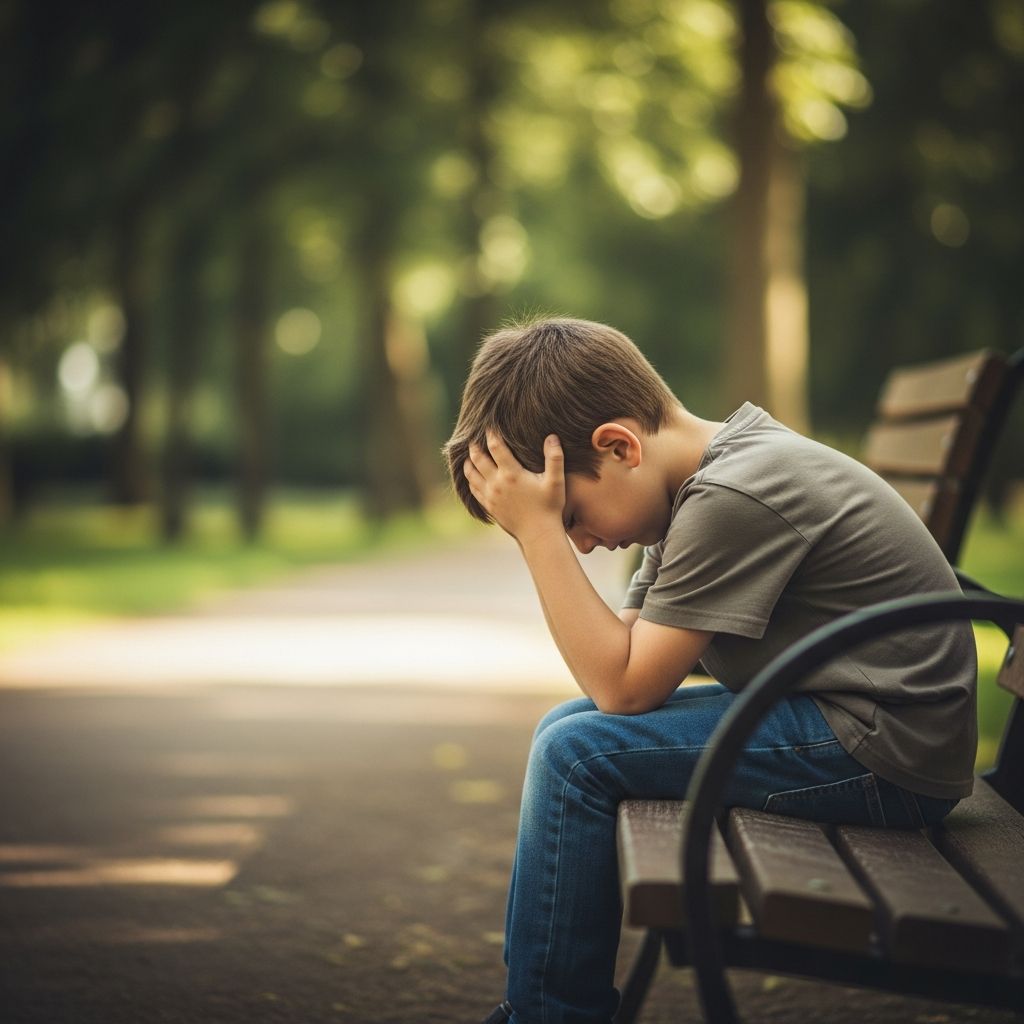
Anxiety in children occurs when excessive worries or fears persist for at least six months and interfere with daily life, affecting up to 1 in 5 children with disorders more severe than typical fears. Early recognition and intervention through therapies like cognitive behavioral therapy (CBT) can significantly reduce symptoms and help children engage fully in activities, school, and social interactions.
Symptoms of Anxiety in Children
Children often struggle to express anxiety verbally, manifesting it through behaviors and physical complaints rather than words. In young children, signs include becoming irritable, tearful, or clingy; difficulty sleeping or waking at night; bedwetting; nightmares; and frequent stomachaches or headaches. Older children may lack confidence in trying new things, struggle with concentration, have sleep or eating issues, display angry outbursts, harbor negative thoughts about impending doom, or avoid school, friends, or public outings.
Physical symptoms from autonomic activation are common, such as sweating, rapid heartbeat, chest tightness, nausea, chills, muscle tension, or faintness, often peaking in panic attacks. Behavioral responses involve extreme avoidance, crying, tantrums, or clinging when facing feared situations, persisting over time and impairing education, social life, or relationships.
Types of Anxiety Disorders in Children
- Generalised Anxiety Disorder (GAD): Excessive worry about everyday issues like school, family, or health, lasting at least six months with restlessness, fatigue, irritability, muscle tension, and sleep disturbances.
- Social Anxiety Disorder: Intense fear of social situations or scrutiny, leading to avoidance of school, parties, or speaking in public; physical signs include blushing, sweating, or trembling.
- Separation Anxiety Disorder: Excessive distress when separating from home or caregivers, beyond age-appropriate levels, often causing school refusal or physical complaints.
- Panic Disorder: Recurrent panic attacks with sudden intense fear, palpitations, shortness of breath, dizziness, or chest pain, sometimes leading to agoraphobia.
- Specific Phobias: Irrational fears of objects or situations like animals, heights, or needles, triggering immediate anxiety and avoidance.
- Selective Mutism: Consistent failure to speak in specific social situations despite ability elsewhere, often linked to social anxiety.
- Obsessive-Compulsive Disorder (OCD): Intrusive thoughts (obsessions) and repetitive behaviors (compulsions) to reduce anxiety.
- Post-Traumatic Stress Disorder (PTSD): Anxiety following trauma, with flashbacks, nightmares, hypervigilance, and avoidance.
These disorders differ from normal childhood fears by their intensity, duration, and interference with functioning.
Causes of Anxiety in Children
Anxiety arises from a mix of genetic, biological, environmental, and psychological factors. A family history increases risk, as do brain chemistry imbalances or overactive fear responses. Temperament plays a role; shy or inhibited children are more prone. Environmental stressors like family conflict, bullying, academic pressure, trauma, or major changes (e.g., moving, parental divorce) can trigger or worsen anxiety.
Learned behaviors from anxious parents or overprotective parenting may contribute. Medical events, such as painful procedures or hospitalizations, heighten anxiety due to loss of control and unfamiliarity, potentially leading to trauma responses like aggression or withdrawal. Up to 15-20% of children experience severe trauma, amplifying vulnerability.
When to Get Help
Seek professional help if anxiety is severe, worsening, persistent, or disrupts daily activities like school attendance, friendships, or sleep. Indicators include frequent physical complaints without medical cause, school refusal, extreme clinginess, or avoidance of enjoyable activities. Early intervention prevents long-term impacts on self-esteem, confidence, and development.
Consult a GP for assessment; they may refer to child psychologists, psychiatrists, or CAMHS (Child and Adolescent Mental Health Services). Prompt action improves outcomes, as untreated anxiety can lead to depression or substance issues later.
Diagnosis
Diagnosis involves clinical interviews, questionnaires, and observation to rule out physical causes. Tools assess symptom severity, duration, and impact. Specific disorders are identified by symptom patterns: e.g., GAD requires six months of worry across multiple domains. Healthcare providers distinguish from normal development, considering context and triggers.
Related Stories



Treatment of Anxiety in Children
First-line treatment is
cognitive behavioral therapy (CBT)
, effective alone or with medication. CBT teaches coping skills to manage physical sensations, reframe thoughts, and face fears gradually via exposure. Sessions (individual, group, or family-based) build confidence quickly, often within weeks.For severe cases,
medication
like selective serotonin reuptake inhibitors (SSRIs, e.g., sertraline) may be prescribed, ideally with CBT. Medications address brain chemistry but require monitoring for side effects. Other supports include parental training to reinforce skills at home.In healthcare settings, the CARE approach reduces anxiety: offer
Choices
for control; provideAgenda
(what to expect); buildResilience
by highlighting strengths; offerEmotional support
to normalize fears.| Treatment Type | Description | Best For |
|---|---|---|
| CBT | Learns coping, exposure, thought challenging | All ages, mild-severe |
| Medication (SSRIs) | Balances brain chemicals | Severe, with CBT |
| Family Therapy | Involves parents/school | Young children |
| CARE Principles | Choices, Agenda, Resilience, Emotions | Medical settings |
Self-Help for Parents
Parents play a crucial role. Stay calm and model coping; avoid over-reassurance that reinforces fears. Encourage gradual exposure: e.g., short separations building to full school days. Use relaxation techniques like deep breathing or mindfulness apps designed for kids.
- Talk openly: Validate feelings without amplifying worries (“I see you’re scared; let’s find ways to feel braver.”).
- Maintain routines for security.
- Promote healthy habits: Exercise, sleep, balanced diet reduce symptoms.
- Limit screen time; engage in play-based coping practice.
- Monitor for bullying or academic stress; collaborate with school.
Resources: NHS parenting courses, books like “What to Do When You Worry Too Much,” or apps like Smiling Mind.
Prognosis
With treatment, most children improve significantly, resuming normal activities and building resilience. CBT equips lifelong skills; early help prevents chronic issues. Some may need ongoing support during stressors, but full recovery is common.
Frequently Asked Questions (FAQs)
Q: How common is anxiety in children?
A: Up to 1 in 5 children develop anxiety disorders, with 1 in 12 children and 1 in 4 adolescents affected.
Q: Can anxiety cause physical symptoms?
A: Yes, including stomachaches, headaches, nausea, palpitations, and sleep issues, often without medical cause.
Q: Is medication safe for children?
A: SSRIs are used cautiously under supervision, combined with therapy for best results.
Q: How can parents help at home?
A: Model calm, encourage exposure, use relaxation techniques, and maintain routines.
Q: When does normal worry become a disorder?
A: When persistent (6+ months), intense, and interferes with daily life.
References
- Anxiety in Children: Causes, Symptoms & Treatment — Cleveland Clinic. 2023. https://my.clevelandclinic.org/health/diseases/anxiety-in-children
- Anxiety in children — NHS. 2024. https://www.nhs.uk/mental-health/children-and-young-adults/advice-for-parents/anxiety-in-children/
- Minimizing pediatric healthcare-induced anxiety and trauma — PMC (NCBI). 2016-05-08. https://pmc.ncbi.nlm.nih.gov/articles/PMC4857227/
- Anxiety Disorders in Children and Adolescents — AAFP. 2022-12-01. https://www.aafp.org/pubs/afp/issues/2022/1200/anxiety-disorders-children-adolescents.html
- Anxiety and Depression in Children — CDC. 2024. https://www.cdc.gov/children-mental-health/about/about-anxiety-and-depression-in-children.html
Similar Articles








Read full bio of Sneha Tete