Anxiety In Parkinson’s Disease: 5 Effective Strategies
Discover how anxiety affects those with Parkinson's, its root causes, recognition tips, and proven management strategies for better daily living.
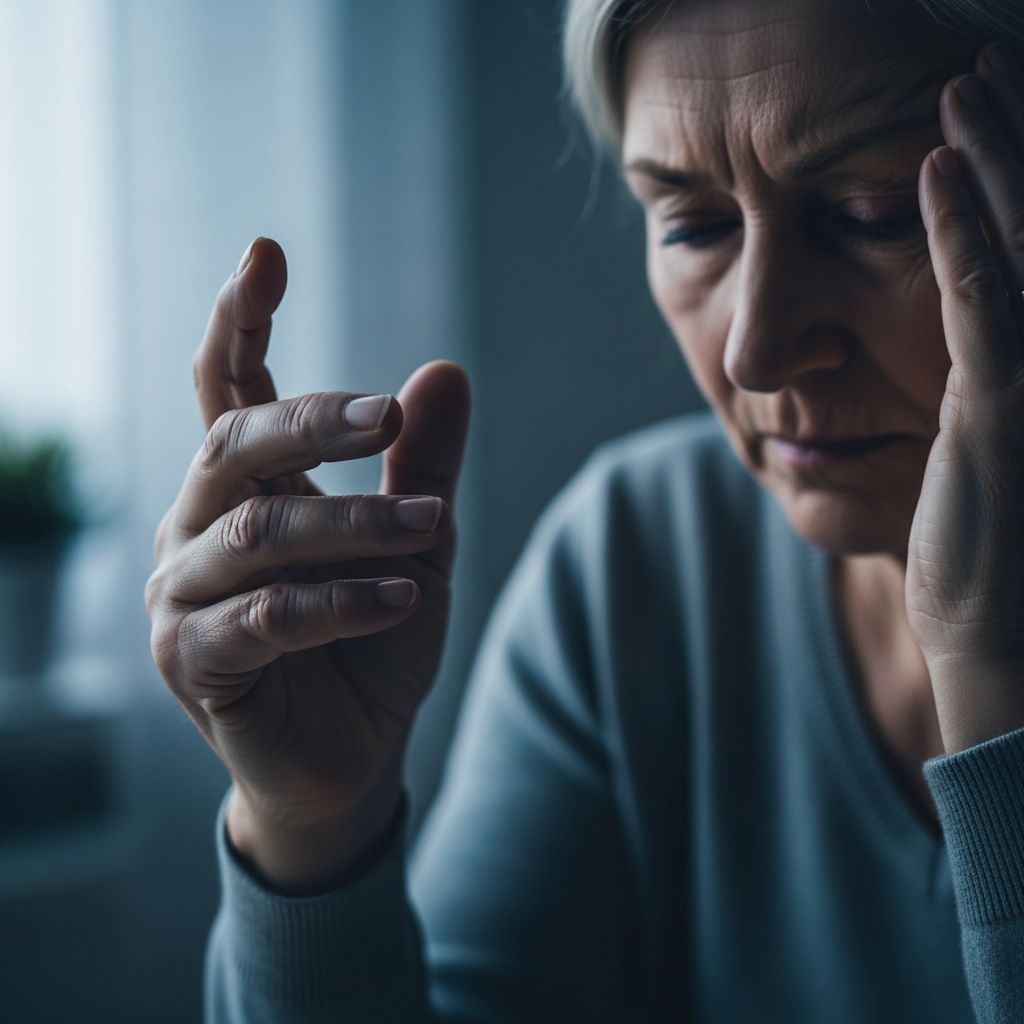
Anxiety stands as one of the most frequent non-motor challenges faced by individuals living with Parkinson’s disease (PD), impacting nearly 40% of patients and often emerging alongside motor symptoms or even preceding diagnosis.
The Hidden Burden of Emotional Distress in PD
Parkinson’s disease extends far beyond tremors and stiffness; it profoundly influences emotional health. Anxiety manifests as persistent worry, sudden panic episodes, or a constant state of unease, significantly diminishing quality of life. Research highlights that these mood alterations stem from the same neurodegenerative processes affecting movement, involving disruptions in dopamine, serotonin, and norepinephrine pathways.
Patients frequently report heightened vulnerability during ‘off’ periods when medications wane, exacerbating both motor fluctuations and emotional turmoil. This interplay not only heightens physical discomfort but also fosters social withdrawal and dependency on caregivers, underscoring the need for comprehensive care.
Neurological Foundations of Anxiety
At its core, PD involves the progressive loss of dopamine-producing neurons in the substantia nigra, but its reach extends to limbic structures like the amygdala and locus coeruleus, critical for emotional regulation. Neuroimaging studies reveal reduced dopaminergic and noradrenergic activity in these areas among anxious PD patients, correlating with symptom severity.
Serotonin imbalances further contribute, as pathways generating this mood-stabilizing neurotransmitter overlap with those producing dopamine. Episodic anxiety often synchronizes with motor ‘off’ states, where feelings of despair surge, only to subside with medication peaks, suggesting a direct neurochemical link.
Contributing Factors Beyond the Brain
While biology plays a starring role, psychosocial elements amplify anxiety. The shock of diagnosis, uncertainty about disease progression, and daily symptom management breed chronic stress. Isolation arises as mobility declines, severing social ties and fostering loneliness.
- Medication Fluctuations: ‘Off’ periods trigger panic and irritability.
- Lifestyle Pressures: Adapting to unpredictable symptoms heightens vigilance.
- Social Disconnect: Reduced participation in activities leads to withdrawal.
- Comorbid Conditions: Overlap with depression in up to 50% of cases intensifies emotional load.
Genetic predispositions and co-existing health issues, like sleep disturbances, compound these risks, creating a multifaceted trigger web.
Recognizing Anxiety Manifestations
Anxiety in PD disguises itself amid normal stress responses but escalates to disrupt routines. Key indicators include:
| Symptom Category | Common Signs | PD-Specific Impact |
|---|---|---|
| Emotional | Persistent fear, racing thoughts, irritability | Worsens during ‘off’ times, mimics depression |
| Physical | Heartbeat racing, sweating, dizziness, nausea | Amplifies tremor or rigidity |
| Behavioral | Avoidance of social settings, sleep disruption | Increases isolation and fall risk |
| Cognitive | Hypervigilance, repetitive worries | Impairs focus on PD management |
These symptoms, if unrelenting, signal clinical anxiety rather than transient worry, often co-occurring with somatic complaints that prompt frequent medical visits.
Diagnostic Approaches
Healthcare providers assess anxiety through detailed histories, symptom scales like the Hamilton Anxiety Rating Scale, and exclusion of other causes. Referral to psychiatrists or neurologists specialized in movement disorders ensures nuanced evaluation, considering PD’s unique profile.
Differential diagnosis distinguishes PD-related anxiety from reactive stress or medication side effects, vital for tailored interventions.
Comprehensive Treatment Landscape
Treatment hinges on individualized plans blending pharmacology, psychotherapy, and lifestyle tweaks. Dopamine agonists or adjustments to levodopa can alleviate anxiety tied to motor fluctuations, with SSRIs like sertraline proving effective for persistent cases without worsening motor symptoms.
Related Stories



- Pharmacological Options: SSRIs, SNRIs, or benzodiazepines short-term; optimize PD meds first.
- Psychotherapy: Cognitive Behavioral Therapy (CBT) reframes catastrophic thinking.
- Emerging Therapies: Mindfulness and exercise show promise in pilot studies.
Pharmacological Interventions
Optimizing antiparkinsonian drugs often yields dual benefits. For non-responsive anxiety, antidepressants targeting serotonin are first-line, backed by clinical consensus.
Psychotherapeutic Strategies
CBT empowers patients to challenge anxiety-provoking thoughts about PD progression. Group sessions foster community, reducing isolation.
Lifestyle and Self-Management Techniques
Empowering daily habits fortifies resilience:
- Journaling: Log triggers and patterns for proactive adjustment.
- Physical Activity: Tailored exercise boosts endorphins and dopamine.
- Sleep Hygiene: Consistent routines combat insomnia-fueled anxiety.
- Social Engagement: Virtual or in-person PD support networks.
- Mindfulness Practices: Meditation reduces hyperarousal.
These approaches, when integrated, enhance treatment adherence and outcomes.
Caregiver and Family Involvement
Loved ones play pivotal roles by recognizing signs, encouraging professional help, and participating in therapy. Education on PD anxiety demystifies behaviors, easing relational strains.
Research Frontiers and Future Directions
Ongoing studies probe deeper into noradrenergic therapies and neuromodulation, promising refined interventions. Longitudinal data affirm early anxiety as a prodromal marker, urging vigilant screening.
Frequently Asked Questions (FAQs)
Can anxiety precede Parkinson’s diagnosis?
Yes, anxiety may signal PD years in advance due to early limbic involvement.
Does PD medication worsen anxiety?
No, but ‘off’ periods can; dose timing adjustments often help.
Is therapy effective for PD anxiety?
Absolutely, CBT demonstrates robust efficacy in reducing symptoms.
How common is anxiety with depression in PD?
Co-occurrence is frequent, affecting mood regulation pathways similarly.
Can lifestyle changes alone manage anxiety?
They complement but rarely suffice without medical oversight.
Navigating anxiety in PD demands a holistic lens, blending medical insight with personal agency to reclaim vitality.
References
- Anxiety — Parkinson’s Foundation. 2023. https://www.parkinson.org/understanding-parkinsons/non-movement-symptoms/anxiety
- Anxiety in Parkinson’s disease: identification and management — PMC (PubMed Central). 2014-02-01. https://pmc.ncbi.nlm.nih.gov/articles/PMC3886380/
- Depression & Anxiety | Parkinson’s Disease — Michael J. Fox Foundation. 2023. https://www.michaeljfox.org/symptoms/depression-anxiety
- Anxiety and Parkinson’s Disease – YouTube — Parkinson’s Foundation. 2023. https://www.youtube.com/watch?v=8AzlHjA6D2M
- Parkinson’s disease – Symptoms and causes — Mayo Clinic. 2023-10-07. https://www.mayoclinic.org/diseases-conditions/parkinsons-disease/symptoms-causes/syc-20376055
Similar Articles








Read full bio of medha deb