Anxiolytics: Understanding Anti-Anxiety Medications
Comprehensive guide to anxiolytic medications for treating anxiety disorders and symptoms.
Anxiolytics: What They Are, Uses, Side Effects & Types
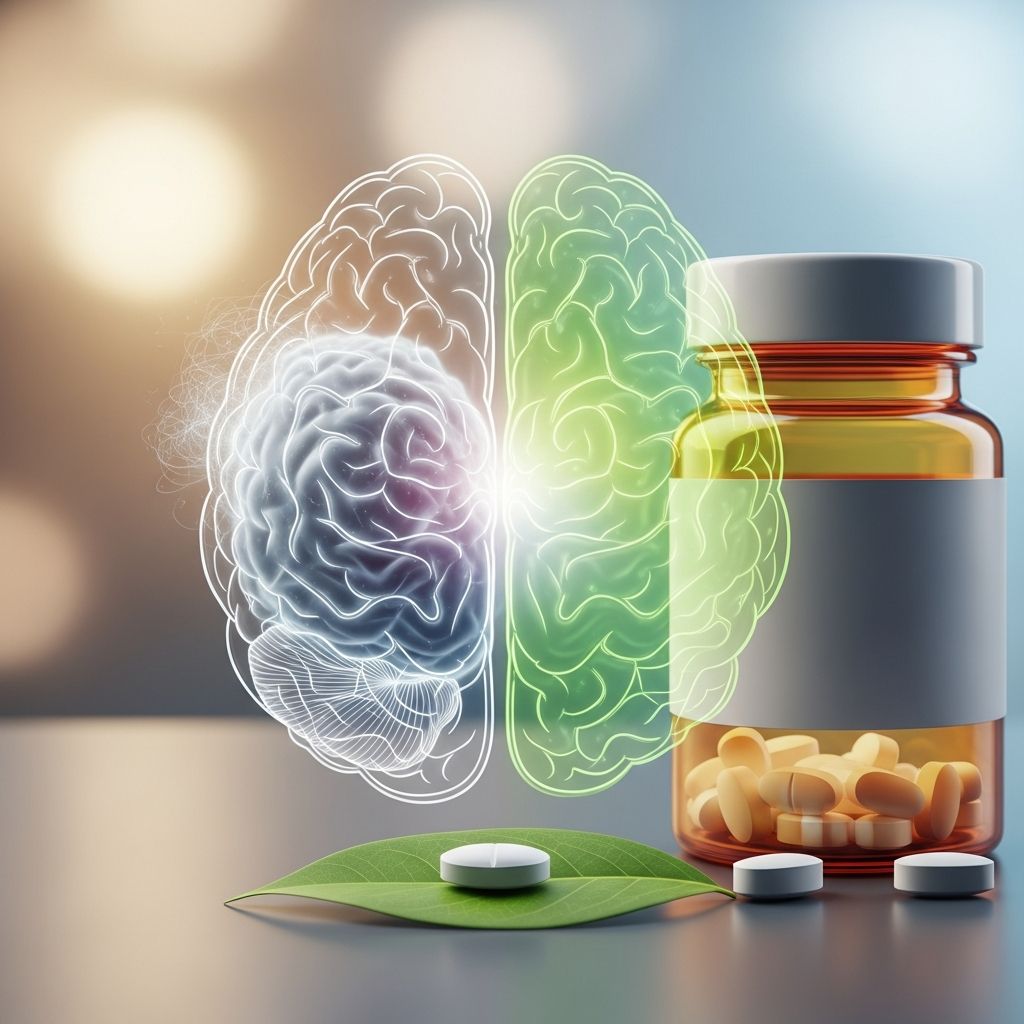
Anxiety disorders affect millions of people worldwide and can significantly impact daily functioning, work performance, relationships, and overall quality of life. Anxiolytics are medications specifically designed to treat anxiety symptoms and help individuals manage the various anxiety disorders they may experience. These medications work through different mechanisms in the brain and nervous system to reduce worry, panic, and the physical symptoms associated with anxiety. Understanding how anxiolytics work, their benefits, risks, and available options is essential for anyone considering treatment for anxiety.
Understanding Anxiety Disorders and Their Impact
Anxiety is more than just feeling nervous or stressed. When anxiety becomes persistent, excessive, and interferes with daily functioning, it may indicate an anxiety disorder. These conditions can greatly disrupt your ability to work, maintain relationships, sleep well, and enjoy activities you normally find fulfilling. Beyond mental health impacts, untreated anxiety can contribute to several chronic physical health conditions, making treatment an important aspect of maintaining overall wellness.
Anxiety disorders encompass several distinct conditions, each with specific symptoms and treatment approaches. Generalized anxiety disorder (GAD), panic disorder, social anxiety disorder, specific phobias, and post-traumatic stress disorder (PTSD) are among the most common anxiety conditions. Anxiolytic medications can address symptoms across these various conditions, though treatment plans are typically tailored to individual needs and circumstances.
What Are Anxiolytics?
Anxiolytics are a class of medications designed to alleviate anxiety symptoms by affecting brain chemistry and nervous system activity. The term encompasses multiple medication classes that work through different mechanisms. These medications span several drug categories, including selective serotonin reuptake inhibitors (SSRIs), serotonin-norepinephrine reuptake inhibitors (SNRIs), benzodiazepines, and other therapeutic agents. Each type has distinct characteristics, benefits, and considerations.
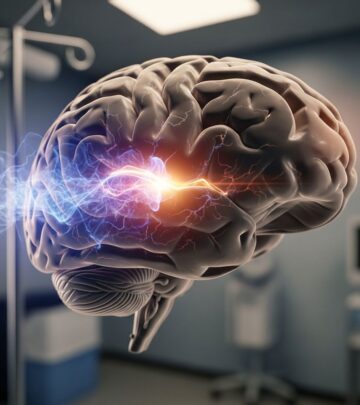
Anxiolytics function by modulating neurotransmitter levels and activity in the central nervous system. By adjusting how nerve cells communicate and respond to signals, these medications can reduce the physical and psychological manifestations of anxiety. The choice of medication depends on factors including the specific anxiety condition, symptom severity, patient medical history, and individual response to treatment.
Common Conditions Treated with Anxiolytics
Anxiolytics can treat various anxiety-related conditions and disorders. The possible conditions that may involve anxiolytics as treatment include:
– Generalized Anxiety Disorder (GAD)- Panic disorder and panic attacks- Social anxiety disorder- Specific phobias- Post-traumatic stress disorder (PTSD)- Obsessive-compulsive disorder (OCD)- Anxiety symptoms related to depression- Performance anxiety- Sleep disorders related to anxiety- Acute stress reactions
Beyond these primary anxiety disorders, anxiolytics may also help manage anxiety symptoms that occur alongside other medical or psychiatric conditions. Healthcare providers assess each patient’s specific situation to determine whether anxiolytic treatment is appropriate and which medication type would be most beneficial.
Types of Anxiolytic Medications
Selective Serotonin Reuptake Inhibitors (SSRIs)
SSRIs are among the most commonly prescribed anxiolytics and are considered first-line treatment for many anxiety disorders. These medications work by increasing serotonin levels in the brain, a crucial neurotransmitter involved in mood regulation and anxiety response. Serotonin is often called the “mood-boosting” chemical because increasing its availability in the brain produces anti-anxiety effects.
Related Stories



SSRIs function by blocking the reuptake of serotonin at the neuronal level, meaning they prevent nerve cells from reabsorbing serotonin after it has been released. This increases serotonin concentration in the spaces between nerve cells, enhancing communication and promoting mood stabilization. Unlike some other medications, SSRIs interact selectively with serotonin systems without affecting other brain receptors or ion channels significantly.
Paroxetine and escitalopram are specifically FDA-approved for treating generalized anxiety disorder. SSRIs are beneficial for both acute response and long-term maintenance treatment of anxiety disorders. However, they typically require 4 to 6 weeks to exert their full anxiolytic effect, which is why they are often used in combination with faster-acting medications during initial treatment phases.
Serotonin-Norepinephrine Reuptake Inhibitors (SNRIs)
SNRIs represent another important class of first-line anti-anxiety medications. These medications work similarly to SSRIs but affect two neurotransmitters instead of one. SNRIs increase both serotonin and norepinephrine levels in the brain. Norepinephrine plays a role in attention, alertness, and mood regulation, making SNRIs effective for a broader range of anxiety symptoms.
Common SNRIs used for anxiety treatment include venlafaxine in extended-release form and duloxetine, both of which are indicated for generalized anxiety disorder treatment. SNRIs are as effective as SSRIs in treating anxiety disorders, though individual responses vary. Like SSRIs, SNRIs typically require several weeks to reach full effectiveness, making them suitable for long-term management rather than acute anxiety relief.
Benzodiazepines
Benzodiazepines are a distinct class of CNS depressants that work through a different mechanism than SSRIs and SNRIs. These medications slow down brain and nervous system activity by enhancing the effects of GABA (gamma-aminobutyric acid), a neurotransmitter that promotes relaxation and reduces nerve excitability.
Benzodiazepines work by increasing chloride ion flow into nerve cells, making the nerve membrane more negatively charged and more difficult to depolarize. This reduces nervous system excitability and produces rapid anxiety relief. Unlike SSRIs and SNRIs, benzodiazepines work quickly—often within 30 minutes to an hour—making them valuable for acute anxiety, panic attacks, and emergency situations.
However, benzodiazepines are recommended for short-term use only, not as first-line long-term treatment. They carry risks of dependence, tolerance, and withdrawal, especially with prolonged use. Common benzodiazepines include lorazepam (Ativan), which helps the nervous system calm down and is frequently prescribed for acute anxiety. Benzodiazepines are often used alongside SSRIs or SNRIs during the initial treatment phase, providing rapid symptom relief while waiting for antidepressants to take effect.
Other Anxiolytic Medications
Beyond these primary classes, other medications may provide anxiolytic effects. Buspiron is indicated specifically for generalized anxiety disorder and has the advantage of slower onset but less sedating properties and fewer withdrawal effects compared to benzodiazepines.
Sympatholytics, including beta-blockers like propranolol and alpha-agonists like prazosin, can reduce anxiety by modulating the sympathetic nervous system. Beta-blockers reduce anxiety by decreasing heart rate and preventing physical tremors associated with anxiety responses. These medications may be particularly helpful for performance anxiety or PTSD-related symptoms.
Tricyclic antidepressants (TCAs), such as imipramine and clomipramine, are considered second-line treatment for anxiety due to more significant adverse effects compared to first-line options, though they may be appropriate for specific anxiety presentations.
Benefits of Anxiolytic Treatment
Anxiolytics provide significant benefits for individuals struggling with anxiety disorders. These medications can dramatically improve quality of life by reducing excessive worry, preventing panic attacks, and alleviating the physical symptoms of anxiety such as racing heart, muscle tension, and sleep disruption.
When combined with psychotherapy, anxiolytics become even more effective. Research demonstrates that the largest improvements in anxiety outcomes occur when medications are used together with mental health therapy. Cognitive behavioral therapy (CBT), one of the most effective psychotherapy approaches for anxiety, works synergistically with anxiolytic medications to help individuals identify negative thought patterns, develop coping strategies, and build healthier responses to anxiety triggers.
By treating anxiety effectively, individuals can restore their ability to work productively, maintain meaningful relationships, enjoy social activities, and achieve better sleep quality. Addressing anxiety also helps prevent the development of secondary health complications that untreated anxiety can trigger.
Potential Side Effects and Considerations
Like all medications, anxiolytics can produce side effects and potential complications. The specific side effects depend on which medication class and individual drug you’re taking. Common side effects may include:
– Drowsiness and sedation- Dizziness or lightheadedness- Headaches- Nausea- Sexual dysfunction- Weight gain or loss- Sleep disturbances- Agitation or restlessness
SSRIs and SNRIs may paradoxically increase anxiety initially due to negative feedback through serotonergic autoreceptors. This is why a concurrent benzodiazepine is sometimes used temporarily until the anxiolytic effect of the SSRI occurs. Additionally, some individuals may experience mood and behavior changes such as anxiety, nervousness, irritability, or hostility, particularly at the beginning of treatment or after dose changes.
Benzodiazepines carry specific risks including dependence, tolerance, and withdrawal symptoms if discontinued abruptly. Combining benzodiazepines with other CNS depressants—including opioids, alcohol, or certain sleep medications—can be dangerous, potentially causing excessive sedation, breathing difficulties, and in severe cases, coma or death.
Tricyclic antidepressants may produce antihistamine effects like sedation and weight gain, as well as anticholinergic effects such as blurred vision, dry mouth, and constipation. Some individuals may experience more serious effects like arrhythmias or aggression.
Important Considerations Before Starting Anxiolytics
Before beginning anxiolytic treatment, it’s crucial to work closely with your healthcare provider. Your provider will assess your medical history, current medications, symptom severity, and individual circumstances to determine the most appropriate treatment approach. They can explain potential side effects specific to your prescribed medication and discuss how to minimize or manage them.
It’s important to inform your healthcare provider about all medications you’re taking, including over-the-counter drugs and supplements, as interactions are possible. Be honest about your medical history, including any history of substance use, as this affects medication recommendations.
Anxiety treatment is most effective when medications are combined with psychotherapy and lifestyle modifications including regular exercise, adequate sleep, stress management techniques, and healthy diet choices. Your healthcare provider can help you develop a comprehensive treatment plan tailored to your specific needs.
Long-Term Management of Anxiety
While anxiolytics are valuable tools for managing anxiety, long-term treatment plans typically involve multiple approaches. SSRIs and SNRIs are preferred for long-term maintenance treatment due to their safety profile and lower dependence risk. Benzodiazepines are generally recommended for short-term use only, though some individuals may require longer-term management under close medical supervision.
Regular communication with your healthcare provider is essential during anxiolytic treatment. Your provider should monitor your response to medication, assess for any emerging side effects, and adjust dosages or medications as needed. Many people benefit from periodically reviewing their treatment plan to ensure it remains effective and appropriate for their current circumstances.
Frequently Asked Questions (FAQs)
Q: How long does it take for anxiolytics to work?
A: This depends on the medication type. Benzodiazepines work within 30 minutes to an hour, making them useful for acute anxiety. SSRIs and SNRIs typically require 4 to 6 weeks to reach full effectiveness, though some improvement may be noticed within the first 2-3 weeks. This is why faster-acting medications are sometimes used initially while waiting for antidepressants to take effect.
Q: Can I become dependent on anxiolytics?
A: Dependence risk varies by medication type. Benzodiazepines carry significant dependence and withdrawal risks, especially with long-term use, which is why they’re recommended for short-term treatment only. SSRIs and SNRIs have much lower dependence potential and are safer for long-term use. Your healthcare provider will monitor for any concerning patterns and discuss strategies to minimize dependence risks.
Q: Is it safe to combine anxiolytics with other treatments?
A: Anxiolytics work best when combined with psychotherapy, which significantly enhances treatment outcomes. However, combining anxiolytics with other medications requires careful medical oversight to avoid dangerous interactions. Always inform your healthcare provider about all medications you’re taking. Combining benzodiazepines with opioids, alcohol, or other CNS depressants is particularly dangerous.
Q: What should I do if I experience side effects?
A: Contact your healthcare provider promptly if you experience concerning side effects. Many side effects improve as your body adjusts to the medication. Your provider may adjust your dose, change the timing of medication, or recommend strategies to manage specific side effects. Never stop taking prescribed anxiolytics abruptly without medical guidance, as this can cause withdrawal symptoms.
Q: Are there non-medication alternatives for anxiety?
A: Yes, psychotherapy—particularly cognitive behavioral therapy—is highly effective for anxiety disorders. Other evidence-based approaches include lifestyle modifications like regular exercise, meditation, deep breathing techniques, adequate sleep, and stress management. The most effective treatment typically combines medication with therapy and lifestyle changes, customized to your individual needs.
References
- Anxiolytic — Wikipedia. Accessed 2025. https://en.wikipedia.org/wiki/Anxiolytic
- Serotonin and Norepinephrine Reuptake Inhibitors — Cleveland Clinic. Accessed 2025. https://my.clevelandclinic.org/health/treatments/24797-snri
- Lexapro (Escitalopram): Anxiety & Depression Treatment — Cleveland Clinic. Accessed 2025. https://my.clevelandclinic.org/health/drugs/18917-escitalopram-tablets
- Lorazepam (Ativan): Treatment for Anxiety — Cleveland Clinic. Accessed 2025. https://my.clevelandclinic.org/health/drugs/20243-lorazepam-tablets
- Benzodiazepines: What They Are, Uses, Side Effects & Risks — Cleveland Clinic. Accessed 2025. https://my.clevelandclinic.org/health/treatments/24570-benzodiazepines-benzos
- Generalized Anxiety Disorder (GAD): Symptoms & Treatment — Cleveland Clinic. Accessed 2025. https://my.clevelandclinic.org/health/diseases/23940-generalized-anxiety-disorder-gad
Similar Articles








Read full bio of medha deb