Apathy In Parkinson’s Disease: Expert Guide To Motivation
Discover how apathy impacts Parkinson's patients, its distinction from depression, and effective strategies for management and improvement.

Apathy manifests as a profound reduction in motivation, interest, and emotional responsiveness in individuals with Parkinson’s disease (PD), impacting up to 40% of patients. This non-motor symptom arises from disruptions in brain networks involving dopamine, distinct from motor tremors or rigidity, and often coexists with cognitive or mood challenges but can occur independently.
The Nature of Apathy in Neurological Contexts
In Parkinson’s, apathy represents a motivational disorder where individuals struggle to initiate or sustain activities that once brought pleasure, such as hobbies or social interactions. Unlike fleeting laziness, it stems from altered brain chemistry, particularly dopamine loss in regions beyond the substantia nigra, affecting goal-directed behaviors. Patients may report feeling emotionally flat, with diminished reactivity to positive or negative stimuli, leading to withdrawal from daily routines.
Key characteristics include:
- Reduced initiative in starting tasks without external prompting.
- Loss of enthusiasm for previously enjoyable pursuits.
- Emotional blunting, showing less affection or concern for others.
- Avoidance of novel experiences or planning efforts.
This triad of behavioral, cognitive, and emotional deficits disrupts normal functioning, often more bothersome than motor issues for some.
Prevalence and Risk Factors Among PD Patients
Studies indicate apathy affects approximately 40% of the PD population overall, dropping to 22% in those without depression or cognitive impairment. Higher rates correlate with advanced disease stage, older age, severe motor symptoms, and comorbidities like depression, anxiety, or mild cognitive impairment (MCI).
A meta-analysis of ‘pure apathy’ cases—excluding depression and dementia—linked it strongly to memory and executive function deficits, underscoring its tie to prefronto-subcortical circuits. Factors elevating risk include:
- Cognitive decline, with lower Mini-Mental State Examination (MMSE) scores.
- Depression, though apathy persists independently in reward-deficient states.
- Progression of PD, as networked brain damage expands.
| Risk Factor | Prevalence Impact | Source |
|---|---|---|
| General PD Population | ~40% | |
| Without Depression/Cognition Issues | ~22% | |
| With MCI or Dementia | Higher (not quantified) |
Brain Mechanisms Driving Apathy
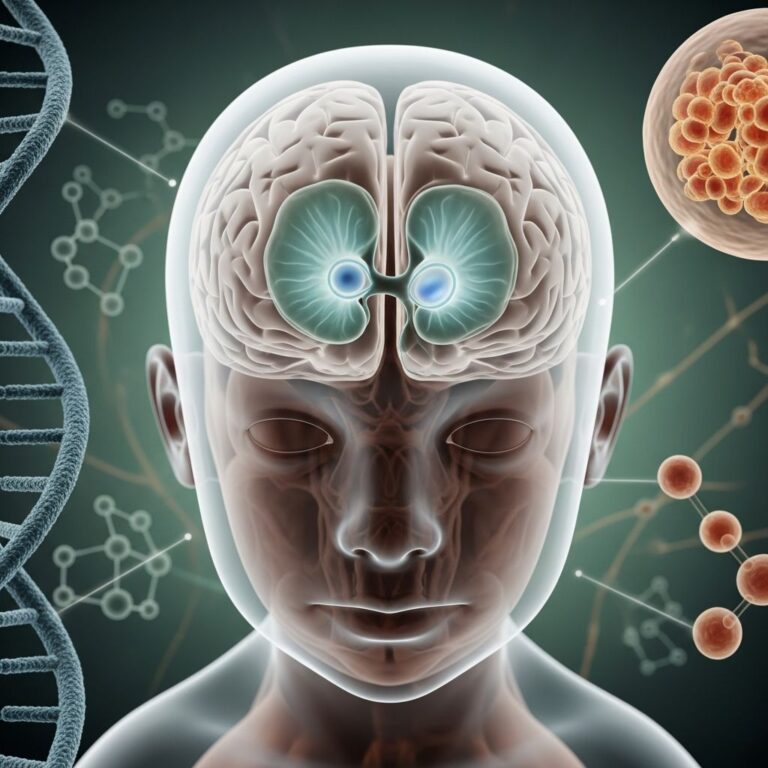
Dopamine deficiency, central to PD motor symptoms, also impairs motivation via disruptions in basal ganglia-frontal lobe connections. Apathy involves reduced activity in the nucleus accumbens (NAcc) and medial prefrontal regions, leading to reward deficiency. This contrasts with depression’s heightened subgenual anterior cingulate cortex (sgACC) activity and negative rumination.
In pure apathy, patients lack insight into their disinterest, unlike depressed individuals who attribute inactivity to sadness. Network damage affects emotional processing areas, contributing to autoactivation deficits—trouble self-starting behaviors—and cognitive inertia in planning.
Differentiating Apathy from Depression and Cognitive Decline
Apathy and depression overlap but are distinct: depression features sadness, guilt, hopelessness, and intrusive negative thoughts, while apathy shows emotional indifference without these. Care partners note apathetic individuals participate only when prompted, lacking self-criticism.
Cognitive impairments like executive dysfunction mimic apathy but are separated clinically: pure apathy links to memory/executive deficits sans full dementia. Diagnosis requires assessing for isolated apathy via structured interviews focusing on initiative, interest, and reactivity.
Related Stories



- Apathy Indicators: Indifference, reduced novelty-seeking, emotional flatness.
- Depression Indicators: Sadness, pessimism, suicidal thoughts.
- Cognitive Overlap: Planning deficits, but apathy lacks overt memory loss explanation.
Effects on Daily Life and Relationships
Apathy hinders PD management: affected individuals skip exercise, medications, or therapies, worsening outcomes. Socially, it strains relationships as family perceives neglect, mistaking it for laziness. Daily tasks demand extra effort, eroding quality of life more than motor symptoms in some cases.
Caregivers face emotional burden, navigating prompting without fostering dependence. Long-term, apathy accelerates isolation, cognitive decline, and care needs.
Diagnostic Approaches for Accurate Identification
Clinicians use tools like the Apathy Scale or interviews probing behavioral (initiative), cognitive (interest), and emotional (reactivity) domains. Exclude depression via scales like the Geriatric Depression Scale; assess cognition with MMSE or MoCA. Neuroimaging may reveal prefrontal hypometabolism, but clinical history predominates.
Early detection is key, as apathy signals progression and guides interventions.
Treatment Strategies and Management Options
No FDA-approved apathy-specific drugs exist, but PD medications like levodopa or dopamine agonists may alleviate symptoms by boosting reward pathways. For depression-linked cases, antidepressants (e.g., SSRIs) help, but pure apathy requires behavioral focus.
Pharmacological Approaches:
- Dopamine enhancers: Improve motivation in 30-50% of cases.
- Methylphenidate: Stimulates prefrontal activity for reward deficits.
- Amantadine: Off-label for executive apathy.
Non-Pharmacological Interventions:
- Cognitive Behavioral Therapy (CBT): Builds goal-setting skills.
- Exercise: Aerobic activity restores dopamine response.
- Structured routines: External cues via apps or partners.
- Mindfulness: Enhances emotional awareness.
| Strategy Type | Examples | Evidence Level |
|---|---|---|
| Medication | Levodopa, SSRIs | Moderate |
| Therapy | CBT, occupational therapy | Emerging |
| Lifestyle | Exercise, social engagement | Strong |
Role of Care Partners in Supporting Patients
Family encourages gentle prompting, shared activities, and positive reinforcement without criticism. Educate on apathy’s neurological basis to reduce frustration. Support groups foster community, while tracking mood aids professionals.
Lifestyle Modifications to Combat Apathy
Regular physical activity, like tai chi or walking, counters dopamine loss and boosts mood. Nutrition rich in omega-3s supports brain health; routines with music or pets spark interest. Setting micro-goals builds momentum, preventing overwhelm.
Research Directions and Future Outlook
Ongoing studies target apathy circuits with neuromodulation (e.g., DBS) and novel dopaminergic agents. Precision medicine tailoring treatments to pure vs. comorbid apathy promises better outcomes.
Frequently Asked Questions (FAQs)
What is the main difference between apathy and depression in PD?
Apathy involves lack of motivation without sadness, while depression includes negative emotions like guilt.
Can apathy in PD be treated effectively?
Yes, via medications, therapy, and lifestyle changes, with partial improvement in most cases.
How common is apathy without other symptoms?
About 22% of PD patients experience isolated apathy.
Does exercise help with PD apathy?
Yes, it enhances dopamine function and motivation.
Should family members push apathetic PD patients?
Gentle encouragement works best; avoid pressure to prevent resistance.
References
- MDS SIC Blog: Apathy in Parkinson’s Disease — International Parkinson and Movement Disorder Society. 2023-05-15. https://www.movementdisorders.org/MDS/Scientific-Issues-Committee-Blog/Apathy-in-Parkinsons.htm
- Ask the MD: Apathy and Parkinson’s Disease — Michael J. Fox Foundation. 2022-11-10. https://www.michaeljfox.org/news/ask-md-apathy-and-parkinsons-disease
- Expert Briefing: Addressing the Challenge of Apathy in Parkinson’s — Parkinson’s Foundation (YouTube). 2023-08-20. https://www.youtube.com/watch?v=Y94sRO1FzE4
- Apathy and PD Fact Sheet — Parkinson’s Foundation. 2024-01-12. https://www.parkinson.org/library/fact-sheets/apathy
- Apathy in PD — Stanford Parkinson’s Community Outreach. 2023-09-05. https://med.stanford.edu/parkinsons/symptoms-PD/apathy.html
Similar Articles








Read full bio of medha deb