Aphakia: Complete Guide To Causes, Diagnosis, And Treatment
Discover the causes, symptoms, treatments, and management strategies for aphakia, the condition where the eye lacks its natural lens.
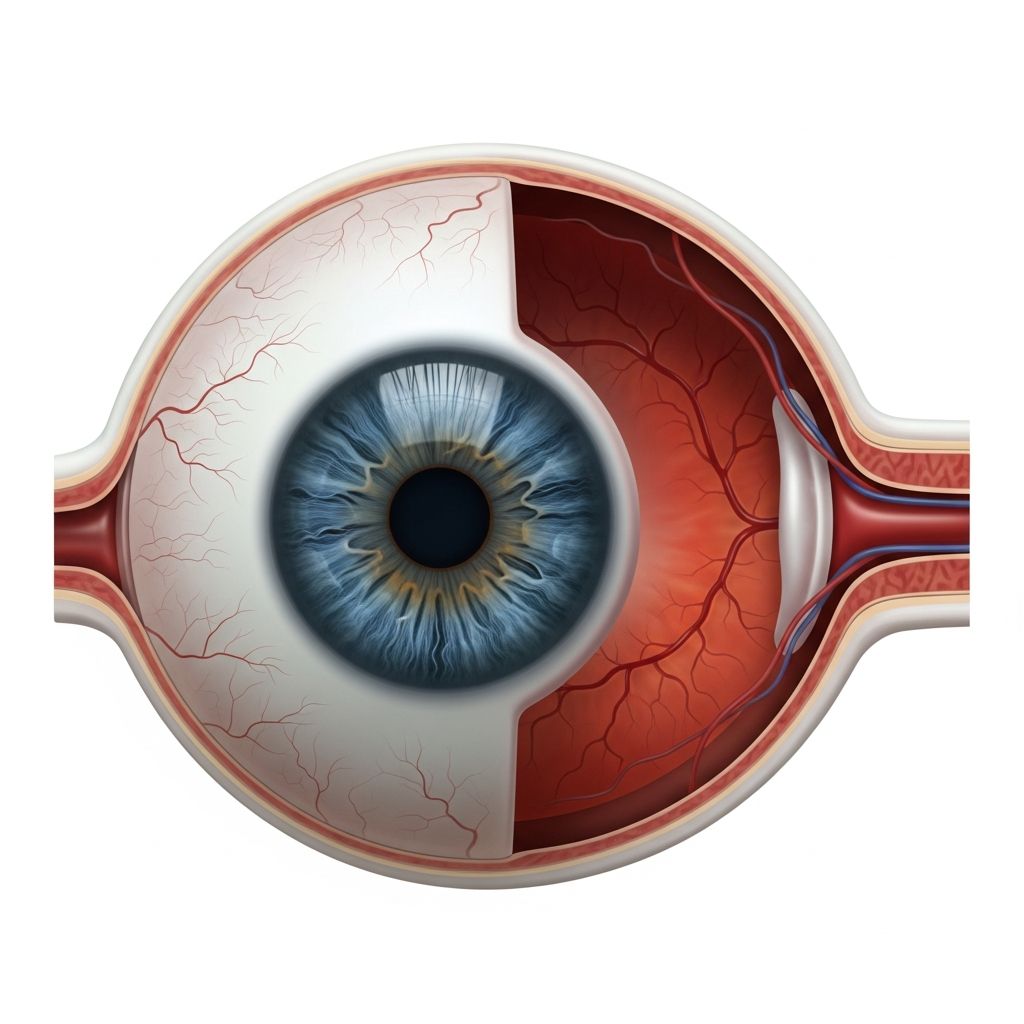
The human eye relies on a clear, flexible structure called the crystalline lens to bend and focus incoming light rays precisely onto the retina. When this lens is missing—a condition known as
aphakia
—vision becomes profoundly impaired, characterized by extreme farsightedness and an inability to adjust focus for near or far objects. This comprehensive guide explores the underlying mechanisms, clinical manifestations, diagnostic approaches, corrective strategies, potential risks, and strategies for living with or preventing this sight-altering condition.The Role of the Crystalline Lens in Vision
Positioned behind the colored iris and in front of the vitreous humor, the crystalline lens is a biconvex, transparent organ that dynamically changes shape through a process called accommodation. This allows the eye to shift focus seamlessly from distant horizons to nearby reading material. Without it, light rays converge behind the retina rather than on it, resulting in hyperopia (farsightedness) of around +10 to +15 diopters, alongside a complete loss of accommodative power.
In normal vision, the lens works in tandem with the cornea—the eye’s front surface—to refract light. Its absence creates a deep anterior chamber and alters the eye’s optical power dramatically, often tinting perceptions with blue (cyanopsia) or red (erythropsia) hues due to unfiltered short wavelengths reaching the retina. Understanding this foundational role is key to grasping why aphakia disrupts everyday visual tasks like driving, reading, or recognizing faces.
Primary Causes Leading to Lens Absence
Aphakia rarely occurs spontaneously; it typically stems from deliberate intervention or external forces. The most prevalent trigger is
cataract surgery
, where the clouded natural lens is extracted and often replaced with an artificial intraocular lens (IOL). Cataracts affect millions worldwide, making this the leading iatrogenic (treatment-induced) cause.Traumatic injuries rank second, including perforating wounds, blunt force, or ulcers that dislodge or destroy the lens. In such cases, emergency surgery may remove lens fragments to prevent inflammation or infection. Congenital aphakia, though exceedingly rare (fewer than 200 cases reported), arises from genetic mutations or developmental anomalies during fetal growth, sometimes linked to syndromes like aniridia or Peters anomaly. Other contributors include rare infections, tumors, or lens subluxation/dislocation from conditions like Marfan syndrome.
| Cause Type | Examples | Prevalence | Typical Onset |
|---|---|---|---|
| Surgical | Cataract extraction | Most common | Adulthood |
| Traumatic | Injury, wounds | Common in accidents | Any age |
| Congenital | Genetic defects | Rare | Birth |
Recognizing the Signs: Symptoms and Clinical Features
The hallmark of aphakia is
severely blurred vision
across all distances, as the eye struggles to form sharp images. Patients often report extreme difficulty with near vision, faded colors, and a persistent farsighted blur that glasses alone may not fully correct without high-powered lenses. Photophobia (light sensitivity) is prominent, exacerbated by glare and halos around lights, especially at night.Additional indicators include iridodonesis—a shimmering or jiggling iris due to lost lens support—and a visible scar on the limbal ring post-surgery. Depth perception falters, complicating activities like pouring liquids or navigating stairs. In children, untreated cases risk amblyopia (lazy eye), where the brain suppresses input from the affected eye. Post-surgical color shifts, like blue-tinted vision from ultraviolet penetration, usually resolve within weeks.
Related Stories



- Visual disturbances: Hyperopia, no accommodation, monocular diplopia (double vision in one eye).
- Light-related issues: Glare, halos, photophobia.
- Other sensory changes: Faded hues, erythropsia/cyanopsia.
How Specialists Diagnose Aphakia
Diagnosis begins with a comprehensive eye exam, including visual acuity tests revealing profound hyperopia. Slit-lamp biomicroscopy confirms the lens’s absence, deep anterior chamber, and any iris tremors. Retinal evaluation via funduscopy assesses for secondary damage, while optical coherence tomography (OCT) or ultrasound biomicroscopy provides detailed imaging.
In congenital cases, genetic testing or family history review aids confirmation. Tonometry measures intraocular pressure to rule out glaucoma risks. Early detection is vital, particularly in pediatrics, to initiate prompt correction and prevent permanent vision loss.
Correction and Treatment Pathways
Managing aphakia focuses on optical rehabilitation and complication prevention.
Spectacle correction
with high-plus lenses (e.g., +12D aphakic glasses) is simplest but induces image magnification (up to 25%), causing distortion, especially in unilateral cases.**Contact lenses**, particularly rigid gas-permeable (RGP) or soft aphakic designs, offer better cosmesis and minimal magnification, ideal for active individuals or children. They must be worn consistently to avoid amblyopia. The gold standard is
intraocular lens (IOL) implantation
, a secondary procedure placing a synthetic lens in the capsular bag, sulcus, or anterior chamber, restoring near-normal focus.For infants or high-risk eyes, initial contact lens use bridges to IOL surgery around age 2-5. Refractive surgeries like corneal inlays are experimental. Postoperative monitoring ensures stability.
Potential Risks and Long-Term Complications
Untreated or mismanaged aphakia invites serious issues.
Aphakic glaucoma
arises from surgical trauma or angle damage, elevating intraocular pressure and threatening the optic nerve. Retinal detachment risk heightens post-trauma or surgery, signaled by flashes, floaters, or peripheral shadows.Chronic inflammation (uveitis), cystoid macular edema, or corneal decompensation can occur. In kids, strabismus or nystagmus may develop without timely intervention. Regular follow-ups mitigate these through pressure control, anti-inflammatory drops, or laser therapy.
Strategies for Prevention and Risk Reduction
While congenital aphakia defies prevention, surgical aphakia is minimized via meticulous cataract techniques like phacoemulsification with IOL placement. Protective eyewear thwarts trauma-related cases. Prenatal genetic counseling benefits at-risk families. Post-op, adherence to medications and checkups prevents complications.
Living Well with Aphakia: Daily Management Tips
Adapting involves consistent lens wear, UV-protective sunglasses for glare, and low-vision aids like magnifiers. Occupational therapy aids children, while adults benefit from vision rehab. Support groups foster coping strategies. With proper care, many achieve functional vision, resuming work, hobbies, and independence.
Frequently Asked Questions (FAQs)
Can aphakia be cured completely?
Yes, IOL implantation often restores near-normal vision, though some residual refractive errors may require glasses.
Is aphakia painful?
No, it primarily affects vision without pain unless complications like glaucoma arise.
How does aphakia affect children differently?
Children risk amblyopia if uncorrected, necessitating early contacts or surgery.
What is the prognosis after treatment?
Excellent with IOLs; most patients regain good acuity and quality of life.
Can both eyes be affected?
Yes, bilateral aphakia occurs in advanced bilateral cataracts or congenital cases.
References
- Aphakia – Causes, Symptoms, Diagnosis, and Treatment — Apollo Hospitals. 2023. https://www.apollohospitals.com/diseases-and-conditions/aphakia
- Aphakia: Symptoms, Causes and Treatments Available — Miami Contact Lens. 2022. https://www.miamicontactlens.com/blog-post/about-aphakia
- Aphakia — Wikipedia (informational, primary sources referenced). 2024. https://en.wikipedia.org/wiki/Aphakia
- What Is Aphakia? – WebMD — WebMD. 2023. https://www.webmd.com/eye-health/aphakia-overview
- Aphakia in Adults and Children — 2020 Detroit. 2022. https://www.2020detroit.com/aphakia-in-adults-and-children/
- Aphakia Treatment & Management — Kraff Eye Institute. 2023. https://kraffeye.com/eye-conditions/aphakia
- What is Aphakia? Causes, Symptoms, and Treatment Options — Vision Concern. 2023. https://visionconcern.com/blog/aphakia
Similar Articles








Read full bio of Sneha Tete