Aphasia: Understanding Symptoms, Causes, and Treatment
Comprehensive guide to aphasia: causes, types, symptoms, diagnosis, and effective treatment options.
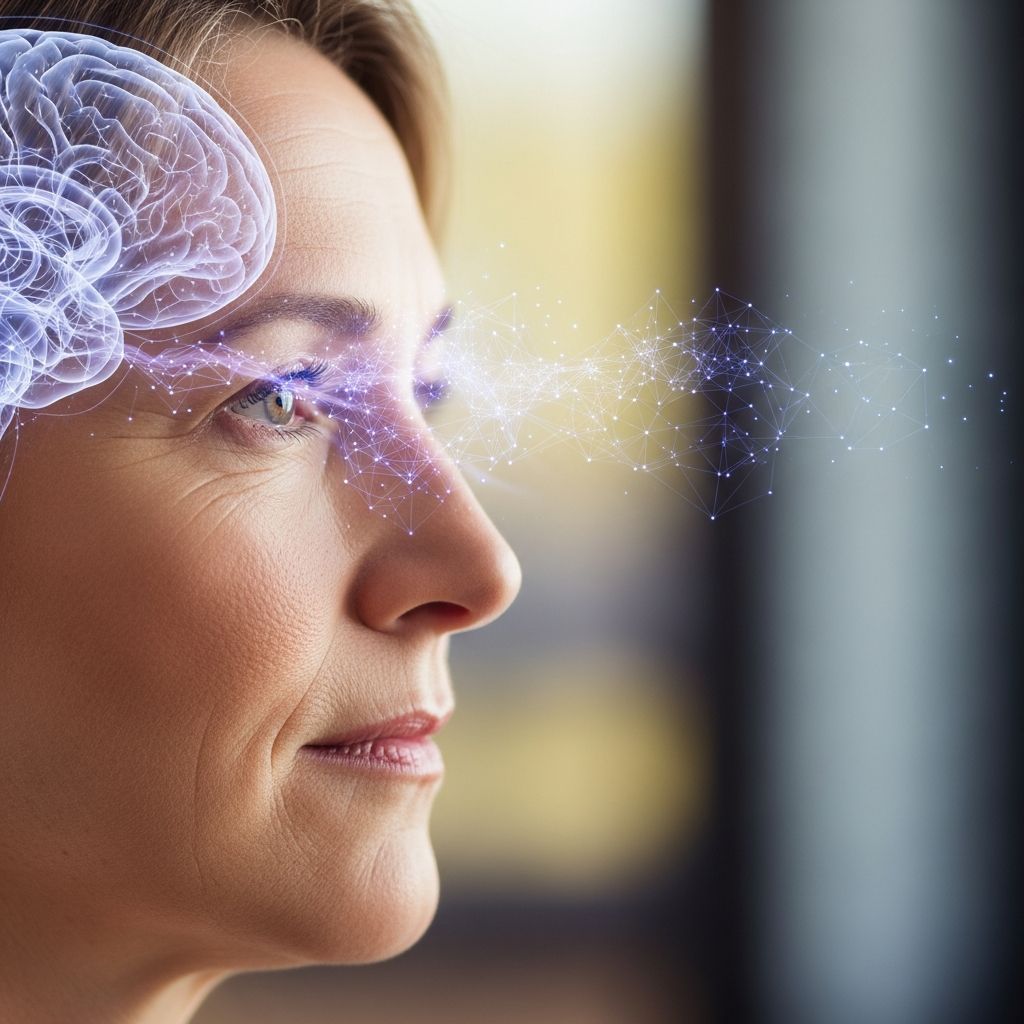
Understanding Aphasia: A Comprehensive Guide
Aphasia is a language disorder that results from damage to the brain areas responsible for communication. This condition affects approximately 100,000 to 180,000 people in the United States annually and occurs in 21-38% of stroke survivors. Unlike simple speech difficulties, aphasia impacts the cognitive processes underlying language comprehension and expression, making it a complex condition that requires specialized treatment and support.
What Is Aphasia?
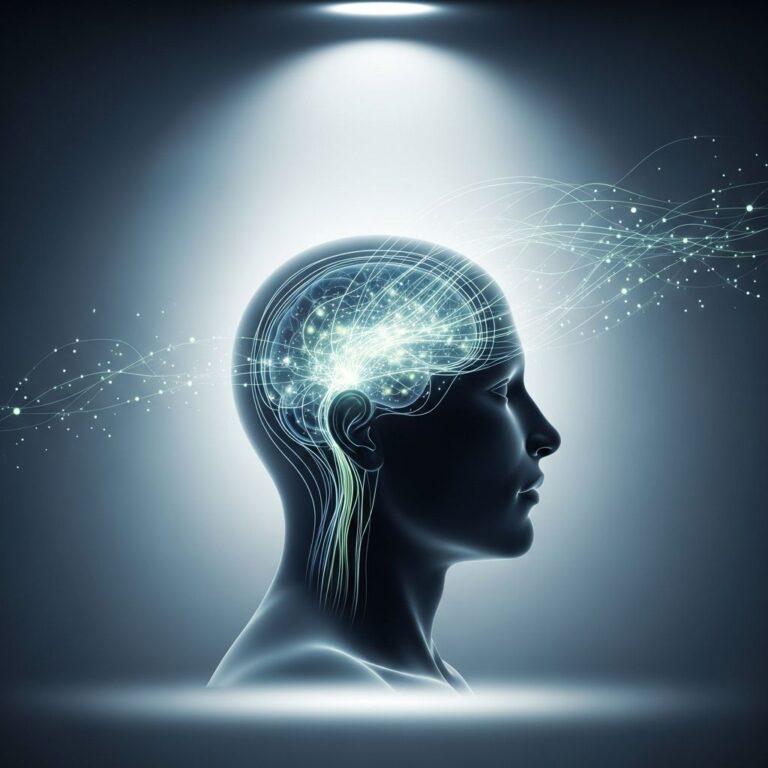
Aphasia is characterized as a disruption of the cognitive processes underlying language, affecting how individuals understand, process, and produce speech. It is not a disease itself but rather a symptom of an underlying neurological condition. People with aphasia may have difficulty finding words, forming sentences, understanding others, or combining thoughts into organized speech. The severity and specific symptoms depend on the location and extent of brain damage.
The condition can impact various aspects of communication, including listening comprehension, speaking ability, reading, and writing. Additionally, individuals with aphasia may experience associated problems with memory and concentration, which can further complicate their recovery and daily functioning.
Causes of Aphasia
Aphasia develops when damage occurs to the language centers of the brain, typically located in the left hemisphere. The most common causes include:
Stroke
Stroke is the leading cause of aphasia. When blood flow to the brain is interrupted, brain cells in the language areas may be damaged or destroyed, resulting in sudden onset of aphasia. The type and severity of aphasia depend on which brain regions are affected and how extensive the damage is.
Traumatic Brain Injury (TBI)
Head trauma from accidents, falls, or violence can damage the brain tissue responsible for language processing, leading to aphasia. The severity varies depending on the force and location of the injury.
Other Causes
Additional causes of aphasia include brain tumors, infections, degenerative neurological diseases, and progressive conditions that affect brain function over time. Unlike stroke-induced aphasia, which typically occurs suddenly, aphasia from degenerative diseases develops gradually.
Types of Aphasia
Aphasia manifests in different forms depending on which brain regions are affected. Understanding these distinctions is crucial for diagnosis and treatment planning.
Expressive Aphasia (Broca’s Aphasia)
Expressive aphasia, also known as Broca’s aphasia, is the most common type of aphasia. It results from damage to Broca’s area, located in the frontal lobe of the brain. Individuals with expressive aphasia have difficulty forming words and sentences, often struggling with grammar and complete sentence construction. They may use only a few words and experience significant frustration when attempting to communicate their thoughts clearly.
People with this type of aphasia generally retain better comprehension abilities and may understand much of what others say to them, but their ability to produce language is substantially impaired. This disconnect between understanding and speaking can lead to emotional distress and depression.
Receptive Aphasia (Wernicke’s Aphasia)
Receptive aphasia, also called Wernicke’s aphasia, stems from damage to Wernicke’s area, located in the temporal lobe. This type affects comprehension of spoken language and the ability to choose correct words. Individuals may speak fluently but have difficulty understanding what others communicate to them.
Unlike expressive aphasia, people with receptive aphasia often speak in longer phrases and sentences, though their speech may lack meaningful content. They may struggle to follow conversations or understand written language, making communication particularly challenging.
Related Stories



Global Aphasia (Total Aphasia)
Global aphasia represents damage to both Broca’s and Wernicke’s areas, resulting in impairment of both speaking and comprehension abilities. This is the most severe and most difficult type of aphasia to treat. However, individuals with global aphasia may still communicate using pictures, physical gestures, and other compensatory strategies.
Some individuals with global aphasia may experience spontaneous recovery of speech and language comprehension shortly after their brain injury due to brain plasticity, though this is relatively uncommon. Recovery typically requires intensive, long-term rehabilitation.
Symptoms of Aphasia
The symptoms of aphasia vary significantly depending on the type and severity. Common symptoms include:
Speech and Language Difficulties
– Speaking in short or incomplete sentences- Using wrong words or nonsensical speech- Difficulty finding the right word, particularly nouns and verbs- Problems with grammar and sentence structure- Speaking in a halting or labored manner- Inability to understand spoken or written language- Difficulty following conversations
Cognitive and Emotional Effects
Beyond language difficulties, individuals with aphasia may experience problems with memory and concentration. They often face emotional challenges including frustration, anxiety, and depression due to communication barriers and changes in independence. The psychological impact of aphasia should not be underestimated, as it significantly affects quality of life and relationships.
Diagnosis of Aphasia
Diagnosing aphasia involves a comprehensive evaluation by healthcare professionals, particularly speech-language pathologists. The diagnostic process typically includes:
Clinical Assessment
Physicians conduct intensive language testing to evaluate comprehension, expression, repetition, naming, and reading/writing abilities. They observe how the individual communicates and note specific language deficits.
Imaging Studies
To identify the location and extent of brain damage, physicians may use one or more of the following diagnostic imaging tools:
– Computed Tomography (CT) scan- Magnetic Resonance Imaging (MRI) scan- Positron Emission Tomography (PET) scan
These imaging techniques help localize the brain injury and predict the type of aphasia, guiding treatment planning.
Recognizing Stroke Symptoms: The FAST Test
Because stroke is the leading cause of aphasia, recognizing stroke symptoms promptly is critical. Healthcare providers use the FAST test to identify potential stroke victims:
Face
Look for facial drooping or asymmetry, which may indicate stroke.
Arm
Check if the person can raise both arms equally or if one arm is weak or numb.
Speech
Listen for slurred speech or difficulty speaking and understanding.
Time
If any of these signs are present, call 911 immediately. Time is critical in stroke treatment—early intervention can minimize brain damage and improve outcomes.
Treatment Approaches for Aphasia
Treatment for aphasia involves a team-based, multidisciplinary approach that combines behavioral therapy with advanced techniques. Early intervention is crucial, as therapy is most effective when started within the first two weeks after stroke or brain injury.
Speech-Language Therapy (SLT)
Speech-language therapy is the primary and most critical treatment for all types of aphasia. SLT can employ two main approaches:
Impairment-Based Approaches
These approaches help individuals re-learn language skills through structured exercises such as repeating words on flashcards, answering questions to practice language usage, and targeted drills to strengthen specific language abilities. This method focuses on restoring lost functions.
Functional Communication Approaches
These strategies focus on finding alternative ways to communicate beyond speaking, such as miming, body language, gestures, and visual aids. This person-centered approach emphasizes practical communication in real-world contexts.
Advanced Therapeutic Techniques
Recent medical research has explored cutting-edge treatments to complement traditional speech-language therapy:
– Transcranial Magnetic Stimulation (TMS): Uses magnetic pulses to stimulate brain activity and enhance language recovery- Transcranial Direct Current Stimulation (tDCS): Applies low electrical currents to modulate cortical excitability and facilitate synaptic plasticity
These brain stimulation techniques are designed to work alongside behavioral therapy to optimize recovery outcomes.
The Multidisciplinary Team
Effective aphasia treatment requires collaboration among various specialists including:
– Speech-language pathologists (SLPs)- Neurologists and physiatrists- Occupational therapists- Physical therapists- Cognitive therapists- Nutritionists- Social workers- Psychologists
This comprehensive team approach addresses not only language recovery but also physical rehabilitation, cognitive function, emotional well-being, and social reintegration.
Principles of Effective Aphasia Recovery
Research demonstrates several key principles that enhance aphasia recovery:
Intensity and Timing
Intense treatment for short periods is more effective than a similar number of therapy sessions spread over longer periods. Starting therapy early capitalizes on spontaneous recovery in the immediate post-stroke period when the brain is most neuroplastic.
Neuroplasticity
The brain’s ability to reorganize and form new neural connections (neuroplasticity) is fundamental to aphasia recovery. Early and intense therapy takes advantage of this capacity, particularly in the first weeks and months following brain injury.
Individualized Treatment
Treatment must be person-centered, considering the individual’s life circumstances, preferences, coping mechanisms, and concomitant medical, sensory, behavioral, and psychological issues. Evidence-based practice integrates current research with practitioner expertise and client preferences and values.
Home Practice and Support
Frequent and individually tailored speech-language therapy combined with daily home practice leads to the greatest improvement in aphasia recovery. Family involvement and supportive environments are vital for both recovery and mental health.
Prognosis and Recovery
The prognosis for aphasia varies considerably depending on multiple factors including the type of aphasia, severity of the brain injury, individual’s age and overall health, and intensity of rehabilitation. While global aphasia presents the greatest recovery challenges, even individuals with severe aphasia can make meaningful progress with appropriate treatment and support.
Spontaneous recovery often occurs in the first weeks and months following stroke or brain injury, but continued therapy is essential for maximizing functional communication abilities and independence.
Living With Aphasia: Support and Resources
Beyond formal treatment, individuals with aphasia benefit from supportive environments and community resources. Support groups, aphasia associations, and counseling services help address the emotional and social impacts of this condition. Family education and communication strategies enhance interactions and prevent isolation.
Adaptive communication devices and digital applications that generate spoken sentences can supplement natural speech and facilitate meaningful communication in daily life.
Frequently Asked Questions
What is the difference between aphasia and dysarthria?
Aphasia is a language disorder affecting the cognitive processes of comprehension and expression, while dysarthria is a motor speech disorder affecting the muscles used for speaking. They may occur together but require different treatment approaches.
Can aphasia be cured?
Complete recovery from aphasia is possible in some cases, particularly with mild aphasia and early intensive treatment. However, many individuals experience partial recovery with residual language difficulties. The goal of treatment is to maximize functional communication and independence.
How long does aphasia recovery take?
Recovery timelines vary significantly. Most spontaneous recovery occurs within the first three months post-stroke, but meaningful progress can continue for years with ongoing therapy and practice. Recovery is a gradual process that requires patience and persistence.
Is speech therapy always necessary for aphasia?
While some individuals may experience spontaneous recovery, speech-language therapy significantly enhances recovery outcomes and should be initiated as early as possible. Therapy is considered the primary treatment approach for all types of aphasia.
Can family members help with aphasia recovery?
Yes, family involvement is crucial. Family members can support home practice, use recommended communication strategies, provide emotional support, and help the individual remain engaged in meaningful activities and social interactions.
References
- Exploring Aphasia: A Comparative Guide to the Three Main Types of Aphasia — Neurolutions. 2025. https://www.neurolutions.com/after-stroke/exploring-aphasia-a-comparative-guide-to-the-three-main-types-of-aphasia/
- Aphasia: Current Concepts in Theory and Practice — National Center for Biotechnology Information (NCBI). https://pmc.ncbi.nlm.nih.gov/articles/PMC4041294/
- The Handbook of Adult Language Disorders — Johns Hopkins University Press. https://pure.johnshopkins.edu/en/publications/the-handbook-of-adult-language-disorders/
- Living With Aphasia — Johns Hopkins Press. https://www.press.jhu.edu/newsroom/living-aphasia
Similar Articles








Read full bio of medha deb