Apheresis: Medical Procedure for Blood Component Removal
Understanding apheresis: A comprehensive guide to blood separation therapy and its medical applications.
What Is Apheresis?
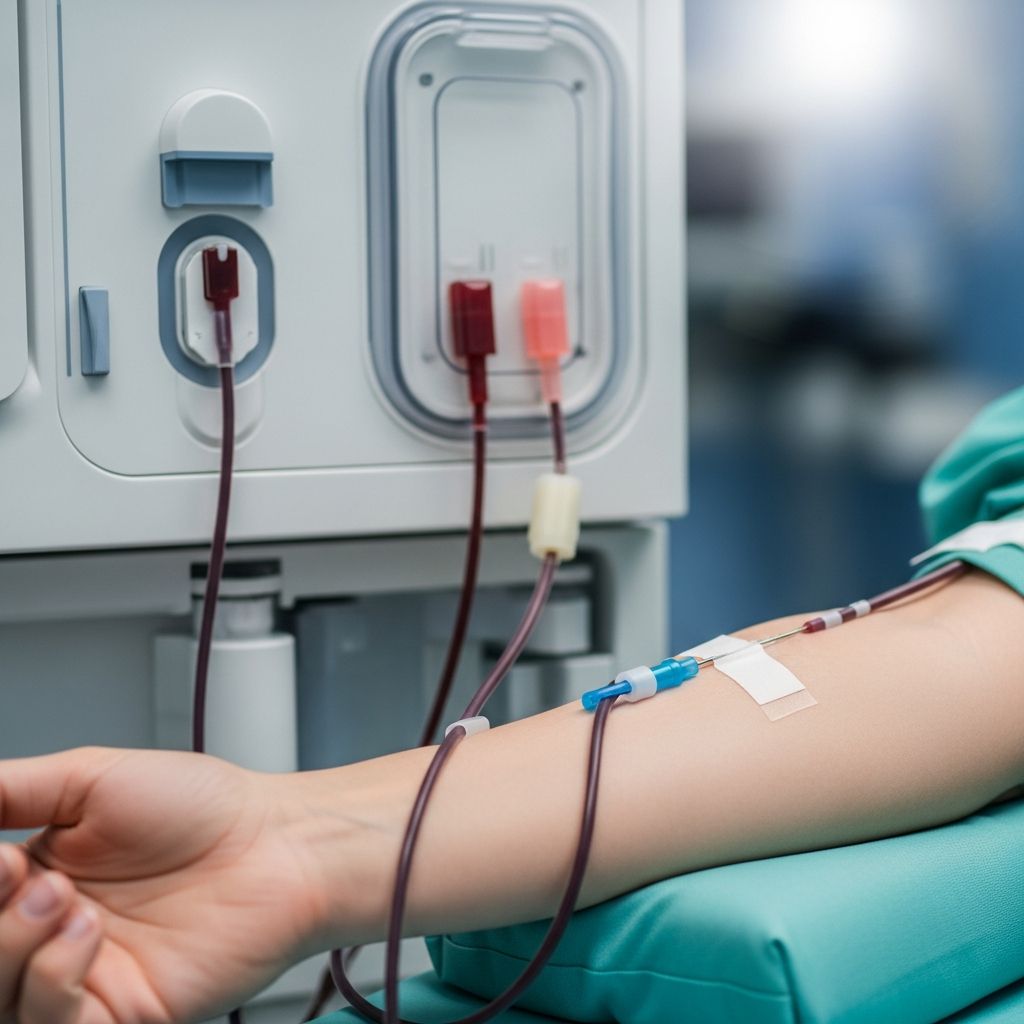
Apheresis, also known as pheresis or automated blood collection, is a specialized medical procedure that involves the systematic withdrawal of blood from a patient’s body, separation of specific blood components, removal of targeted elements, and return of the remaining blood back to the patient’s circulation. This innovative therapeutic technique has become an essential tool in modern medicine for treating various blood disorders and collecting vital blood components for transplantation and research purposes.
The term apheresis encompasses several specialized variations depending on which blood component is being removed. Plasmapheresis involves the removal of plasma from whole blood, leukapheresis focuses on removing white blood cells, and plateletpheresis targets platelet removal. Each variant serves distinct clinical purposes and requires slightly different technical approaches, though they all follow the same fundamental principle of blood component separation and selective removal.
Types of Apheresis Procedures
Modern medical practice recognizes several distinct types of apheresis procedures, each designed to address specific clinical needs:
Plasmapheresis (Plasma Exchange)
Plasmapheresis, commonly referred to as plasma exchange or “plex,” is a medical procedure where a specialized device separates whole blood into its cellular components and plasma. The extracted plasma is then discarded and replaced with a colloid fluid, typically a combination of human serum albumin and fresh frozen plasma. This reconstituted blood is then returned to the patient. This procedure utilizes large-bore, double-lumen catheters to ensure sufficient blood volume flow through the apheresis machine over several hours.
Leukapheresis
Leukapheresis is a procedure that specifically removes white blood cells from a patient’s blood. Healthcare providers perform this procedure to ease symptoms that occur when abnormal white blood cells multiply uncontrollably. Leukapheresis serves dual purposes: it can urgently treat certain leukemias by reducing dangerous white blood cell counts, and it can collect blood stem cells for use in stem cell and bone marrow transplants for treating blood cancers.
Plateletpheresis
Plateletpheresis involves the selective removal and collection of platelets from donor blood. This procedure is commonly used to collect platelets from healthy donors for transfusion to patients who have critically low platelet counts due to cancer or chemotherapy treatments.
Why Apheresis Is Performed
Apheresis serves multiple critical therapeutic and collection functions in modern healthcare. The primary indications for apheresis include:
Treatment of Blood Cancers
Blood cancers, including hematological malignancies, can cause the bone marrow to malfunction and produce dangerously elevated numbers of platelets or white blood cells, creating life-threatening situations if these cell levels are not rapidly decreased. When oral medications prove insufficient for more acute cases, apheresis becomes a crucial intervention. The procedure effectively reduces these dangerous cell counts to safe levels, allowing patients to proceed with chemotherapy and other cancer treatments without facing the complications of leukostasis or thrombotic events.
Related Stories



Stem Cell Collection for Transplantation
Apheresis plays a vital role in collecting blood and bone marrow stem cells from patients undergoing cancer treatment. These harvested cells are essential for stem cell and bone marrow transplants, particularly following chemotherapy for blood cancers. The procedure ensures that sufficient quantities of healthy stem cells are collected to enable successful bone marrow reconstruction and recovery after intensive cancer treatment.
Donor Blood Component Collection
Beyond therapeutic applications, apheresis is routinely used to collect specific blood components from healthy donors. These collected components—including plasma, white blood cells, and platelets—are provided to cancer patients who lack these elements due to their disease or as side effects of cancer treatment, potentially saving lives through transfusion support.
Conditions Treated with Apheresis
Apheresis is employed in treating various medical conditions, particularly:
- Acute leukemias with dangerously elevated white blood cell counts
- Chronic myeloid leukemia (CML)
- Polycythemia vera with elevated red blood cells
- Essential thrombocythemia with elevated platelet counts
- Multiple myeloma
- Lymphomas undergoing chemotherapy treatment
- Other blood cancers requiring chemotherapy support
Patient Preparation for Apheresis
Proper preparation is essential for ensuring a safe and effective apheresis procedure. Patients should follow specific preparatory guidelines to optimize outcomes and minimize complications.
Pre-Procedure Evaluation
Before undergoing apheresis, patients typically undergo comprehensive medical evaluation and testing. Healthcare providers may conduct blood tests to assess baseline blood counts, electrolyte levels, particularly calcium, and overall organ function. Patients with pre-existing low calcium levels may be advised to take calcium supplements prior to the procedure, as apheresis can further reduce calcium levels during treatment.
Clothing and Comfort
Patients should wear comfortable, loose-fitting clothing that allows easy access to the arms. Since the procedure typically lasts between one hour and fifteen minutes to four hours, patients are encouraged to bring reading materials, listen to music, or watch television during the procedure to maintain comfort and pass the time.
Dietary and Medication Considerations
Patients should eat a light meal before the procedure and maintain normal hydration. Specific medications may need adjustment based on individual circumstances, which should be discussed with the healthcare team prior to the appointment.
The Apheresis Procedure: Step-by-Step Process
Positioning and IV Placement
The patient is positioned for maximum comfort, usually in a recliner or specialized bed designed for extended procedures. Two intravenous lines are typically placed in the patient’s arms, usually in the inner elbow area where veins are easily accessible. The first IV line is used to withdraw blood from the patient, while the second IV line returns blood to the patient’s circulation. In some cases, providers may use a single large catheter called a central line, which contains both the withdrawal and return functions and is typically placed near the neck or under the collarbone for patients requiring multiple procedures.
Blood Circulation Through the Machine
Blood flows from the first IV through tubing into the specialized apheresis machine. Inside the machine, blood is separated into its component parts using centrifugation or other separation technologies. The targeted components—whether plasma, white blood cells, or platelets—are selectively removed from the blood based on the specific clinical indication.
Component Separation and Return
The apheresis machine uses sophisticated technology to separate blood into its constituent parts. The desired components are removed and either discarded (in therapeutic apheresis) or collected for banking or transplantation (in collection apheresis). The remaining blood components are then recombined and returned to the patient through the second IV line, maintaining continuous circulation throughout the procedure.
Procedure Duration
The entire apheresis procedure typically requires between one hour and fifteen minutes to four hours to complete, depending on several factors including the specific blood component being targeted, the patient’s blood volume, the desired collection quantity, and the efficiency of blood flow through the machine. Patients may need to have the procedure repeated on subsequent days if sufficient quantities of target cells were not collected during the first session.
Calcium Management During Procedure
During apheresis, patients may experience numbness or tingling sensations in their hands, feet, and around the mouth, which indicates that calcium levels are dropping. Healthcare providers actively monitor for these signs and can add calcium directly to the IV fluid to manage these sensations and prevent more serious complications related to hypocalcemia.
Different Settings for Apheresis
Apheresis procedures can be performed in various healthcare settings depending on the clinical situation and patient needs:
- Hospital Inpatient Units: For critically ill patients requiring intensive monitoring
- Outpatient Clinics: For stable patients undergoing routine apheresis procedures
- Bedside Procedures: For patients who cannot be transported to specialized units
- Dedicated Apheresis Centers: Specialized facilities with equipment and expertise specifically for these procedures
- Mobile Apheresis Labs: Portable units that can be transported to various locations to increase access to these specialized procedures
After the Apheresis Procedure
Immediate Post-Procedure Monitoring
Following completion of apheresis, patients remain under close medical supervision to monitor for potential complications. Healthcare providers carefully observe the IV insertion sites for signs of bleeding. Direct pressure may need to be applied to the insertion sites for five to ten minutes to ensure proper clotting and prevent hematoma formation. Patients are monitored for tingling sensations in the face and arms, which may indicate low calcium levels requiring intervention, as well as dizziness or lightheadedness.
Blood Tests and Follow-Up
Healthcare providers may take blood tests to assess blood counts, calcium levels, and other important parameters. Depending on test results, patients may require blood transfusions to replace red blood cells and platelets if levels are critically low. Patients typically receive detailed discharge instructions and guidance on recognizing warning signs that warrant immediate medical attention.
Ongoing Treatment Plan
For cancer patients treated with therapeutic apheresis, the lowered blood cell counts must be maintained through additional treatments. Patients typically are placed on oral agents or receive chemotherapy to maintain safe cell levels. Without continued treatment, blood cell counts will again rise to unsafe levels, potentially requiring repeat apheresis procedures.
Potential Risks and Complications
While apheresis is generally considered a safe procedure when performed by experienced healthcare teams, patients should be aware of potential risks:
Common Side Effects
- Tingling or numbness in extremities due to low calcium levels
- Mild bruising or discomfort at IV insertion sites
- Temporary fatigue following the procedure
- Low blood volume sensations
Serious Complications (Rare)
- Bleeding from IV insertion sites or throughout the body
- Infection at catheter sites or systemic infection
- Air embolus (rare) occurring during removal of access lines
- Severe hypocalcemia requiring emergency intervention
- Hypovolemia or low blood volume
Results and Expected Outcomes
Successful apheresis reduces blood cell counts to safe levels, allowing cancer patients to proceed with chemotherapy and other necessary treatments. For patients undergoing apheresis for stem cell collection, successful completion ensures adequate cell quantities for planned transplantation procedures. However, it is important to understand that apheresis is not a cure for blood disorders or blood cancer. Rather, it is a supportive treatment that must be combined with other therapies including chemotherapy, targeted therapy, or stem cell transplantation to achieve long-term disease control and remission.
Frequently Asked Questions
Q: How long does an apheresis procedure typically take?
A: Apheresis procedures typically take between one hour and fifteen minutes to four hours to complete, depending on the specific component being removed, the patient’s blood volume, and the quantity needed. Some patients may require multiple procedures on consecutive days.
Q: What should I wear to an apheresis procedure?
A: Wear comfortable, loose-fitting clothing that allows easy access to both arms for IV placement. Consider bringing entertainment such as books, music, or a tablet to help pass the time during the procedure.
Q: Will apheresis cure my blood cancer?
A: No, apheresis is not a cure but rather a supportive treatment. It reduces dangerously elevated blood cell counts to safe levels, allowing you to receive chemotherapy and other cancer treatments. It is typically combined with additional therapies for long-term disease control.
Q: What causes tingling during apheresis?
A: Tingling in the hands, feet, and around the mouth indicates that calcium levels are dropping during the procedure. Healthcare providers can add calcium to your IV to manage these sensations.
Q: Can I donate blood components through apheresis if I am healthy?
A: Yes, healthy individuals can undergo apheresis procedures to donate specific blood components to help cancer patients who lack these elements due to their disease or chemotherapy side effects.
Q: What happens if I experience bleeding after apheresis?
A: Contact your healthcare provider immediately if you experience significant bleeding from IV sites or notice unexplained bruising. Healthcare providers will provide specific instructions on when to seek emergency care.
References
- Apheresis — EBSCO Health. 2024. https://www.ebsco.com/research-starters/health-and-medicine/apheresis
- Leukapheresis: Procedure, Uses Types & What It Is — Cleveland Clinic. 2024. https://my.clevelandclinic.org/health/treatments/22926-leukapheresis
- Plasmapheresis in MS Fact Sheet — Cleveland Clinic. 2024. https://my.clevelandclinic.org/departments/neurological/depts/multiple-sclerosis/ms-approaches/plasmapheresis-in-ms
- Plasmapheresis (Plasma Exchange): Therapy, Procedure & What It Is — Cleveland Clinic. 2024. https://my.clevelandclinic.org/health/treatments/24197-plasmapheresis-plasma-exchange
- Autologous Stem Cell Transplant — Cleveland Clinic. 2024. https://my.clevelandclinic.org/health/procedures/autologous-stem-cell-transplant
- Apheresis Donation — Lee Health Blood Centers. 2024. https://www.leehealth.org/our-services/blood-centers/apheresis-donation
- Donor blood-count changes during and after plateletpheresis — Cleveland Clinic Journal of Medicine, 2024. https://www.ccjm.org/content/ccjom/54/5/411.full.pdf
Similar Articles








Read full bio of medha deb