Apocrine Glands: Function, Location & Health
Understanding apocrine glands: their role in sweat production, body odor, and skin health.
Understanding Apocrine Glands: Function and Structure
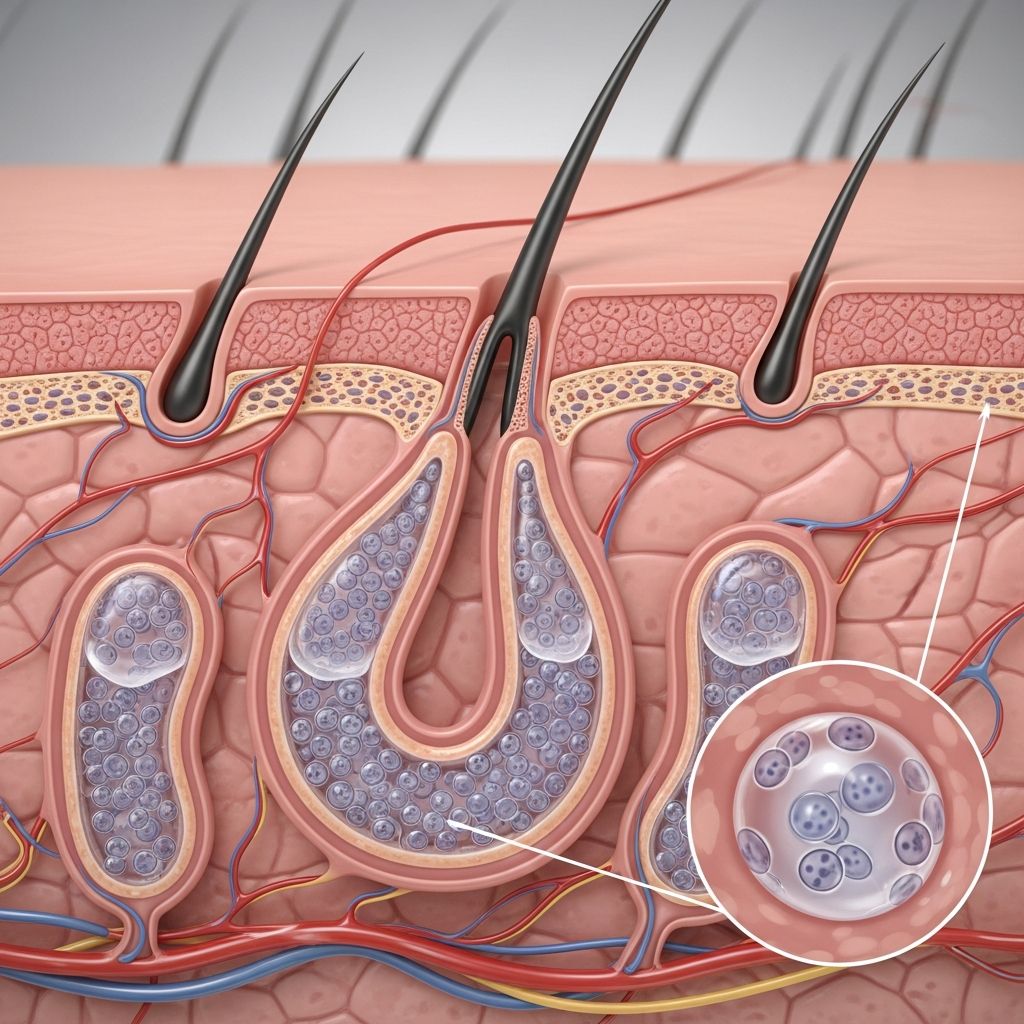
Apocrine glands are specialized structures within your skin that produce and secrete various bodily substances, most notably thick, oily sweat and earwax. These glands are classified as part of your body’s exocrine system, which means they release substances through ducts rather than directly into the bloodstream. Unlike endocrine glands that produce hormones, apocrine glands do not produce hormones; instead, they manufacture and release other types of substances to the surface of your skin and tissues.
The primary function of apocrine glands involves producing the thick, sticky sweat that many people associate with stress and emotional responses. However, these glands also produce other important substances, depending on their location and specific type. Understanding how apocrine glands work and where they’re located can help you better manage your body’s responses and recognize when something might need medical attention.
Location of Apocrine Glands
Apocrine sweat glands are distributed throughout specific areas of your body, primarily where you have hair follicles and where skin tends to be thicker. The main locations include:
- Armpits (axillary region) – the most prominent location
- Genital and perineal areas
- Areolar area around the nipples
- Ear canals (ceruminous glands)
- Eyelids (Moll’s glands)
These glands are strategically positioned in areas where you have hair growth, as they release sweat into hair follicles beneath your skin’s surface rather than directly onto the skin. From the follicles, the sweat travels upward along the hair shaft until it reaches your skin’s surface. This unique delivery method distinguishes apocrine glands from another type of sweat gland called eccrine glands, which secrete sweat directly to the skin’s surface.
Structural Components of Apocrine Glands
Each apocrine sweat gland consists of two main anatomical parts that work together to produce and deliver sweat:
- Secretory coil: Located deep within the dermis (the layer beneath your skin’s surface), this portion produces the actual sweat
- Duct: Carries the sweat upward through the skin layers and into hair follicles, allowing it to reach the skin’s surface
This two-part structure ensures that apocrine sweat is efficiently produced in the deeper layers of your skin and transported to emerge near hair shafts, creating the characteristic appearance and behavior of apocrine sweating.
When Do Apocrine Glands Become Active?
An interesting developmental aspect of apocrine glands is that they are present from birth but remain inactive until puberty. This delay in function is likely related to hormonal changes that occur during adolescence. While apocrine glands lie dormant during childhood, other sweat glands called eccrine glands are already working from birth, which is why young children can sweat to cool down but typically don’t experience the stress-related sweating or body odor associated with apocrine glands.
However, ceruminous glands (apocrine glands in your ear canal) and Moll’s glands (on your eyelids) begin working at birth, producing earwax and other secretions respectively. This variation in activation timing demonstrates the different roles various apocrine glands play in your body.
Related Stories



The Function of Apocrine Sweat
Emotional Sweating and Stress Response
Your apocrine sweat glands produce sweat primarily in response to strong emotions such as stress, anxiety, excitement, or fear. This type of sweating is known as emotional sweating and is distinctly different from the cooling sweat produced by eccrine glands. When you experience nervousness before a presentation or anxiety on a first date, your apocrine glands activate, often producing visible sweat in inconvenient locations like your armpits.
Experts don’t fully understand the precise function of emotional sweat in humans, though it may serve purposes beyond thermoregulation. In other mammals, similar sweat may play a role in sexual attraction or communication. However, scientists believe that if this function exists in humans, it represents only a minor role compared to the gland’s stress-response function.
Thermoregulation: A Minor Role
While many people assume that all sweat helps cool the body, apocrine glands actually play only a minor role in thermoregulation. The primary responsibility for cooling your body falls to eccrine glands, which are distributed across most of your skin surface and produce the clear, watery sweat that evaporates to reduce body temperature during exercise, fever, or exposure to heat.
Apocrine sweat, by contrast, is thicker and stickier than eccrine sweat because it contains not just water but also fats (lipids), proteins, sugars, and ammonia. This composition makes it less efficient for cooling purposes but particularly prone to producing odor when it comes into contact with bacteria on your skin.
The Chemical Trigger: Neurotransmitters and Gland Activation
The activation of apocrine glands involves your nervous system and specific chemical messengers called neurotransmitters. While eccrine glands are primarily stimulated by acetylcholine through cholinergic stimulation, apocrine glands respond to different neurotransmitters including epinephrine and norepinephrine through a process known as adrenergic stimulation. This distinction explains why apocrine glands activate during emotional responses when your body releases adrenaline, rather than during simple temperature increases.
Your sympathetic nervous system controls the innervation of sweat glands, sending signals through the brain stem to the spinal cord and then to sympathetic neurons. When your body perceives stress or danger, these neural pathways activate, triggering your apocrine glands to produce sweat as part of your fight-or-flight response.
Apocrine Glands and Body Odor
The relationship between apocrine glands and body odor is one of the most noticeable aspects of these glands’ function. The sweat produced by apocrine glands itself doesn’t inherently smell bad; rather, body odor develops when this sweat comes into contact with bacteria naturally present on your skin. The rich composition of apocrine sweat—containing fats, proteins, and other organic compounds—provides an ideal food source for these bacteria, which break down the sweat components and produce odor as a byproduct.
This is why apocrine sweat tends to produce more noticeable body odor than eccrine sweat, and why body odor is typically strongest in areas where apocrine glands concentrate, such as armpits and the groin. Additionally, body odor doesn’t appear in young children despite their ability to sweat because their apocrine glands don’t become active until puberty.
Differences Between Apocrine and Eccrine Glands
Understanding the distinctions between these two types of sweat glands helps clarify their different roles in your body:
| Feature | Apocrine Glands | Eccrine Glands |
|---|---|---|
| Primary Function | Emotional sweating, stress response | Thermoregulation, cooling |
| Sweat Composition | Thick, oily, rich in fats and proteins | Clear, watery, mostly water and salt |
| Body Odor Production | Yes, when mixed with bacteria | No odor |
| Distribution | Armpits, groin, nipples, ear canals, eyelids | Entire body surface |
| Activation Timing | Puberty (except ear/eyelid glands) | From birth |
| Release Method | Into hair follicles | Directly to skin surface |
Conditions Affecting Apocrine Glands
When apocrine gland function becomes problematic, various conditions can develop that affect your quality of life and comfort:
- Persistent body odor: Excessive or unusual body odor that doesn’t respond to normal hygiene measures
- Hyperhidrosis: Excessive sweating, particularly from apocrine glands in emotional situations
- Painful skin boils: Infected accumulations of pus that can form around apocrine gland areas
- Itchy bumps and skin irritation: Patches of inflamed, uncomfortable skin in apocrine gland-rich areas
- Hidradenitis suppurativa: A chronic skin condition affecting areas with apocrine glands, though current research suggests hair follicle occlusion rather than direct apocrine gland inflammation is the primary cause
If you experience any of these symptoms, consulting with a healthcare provider is important to identify the underlying cause and develop an appropriate treatment plan.
When to Seek Medical Attention
You should contact a healthcare provider if you experience:
- Persistent body odor that interferes with your daily life
- Recurrent painful boils or skin infections in apocrine gland areas
- Itchy bumps or rashes that don’t improve with over-the-counter treatments
- Excessive sweating that affects your emotional well-being or social interactions
- Signs of skin infection such as warmth, redness, or drainage
A healthcare provider can identify the specific cause of your symptoms and recommend appropriate treatments, which may range from topical solutions to more advanced interventions depending on the condition’s severity.
Frequently Asked Questions
Q: Why do I sweat more in my armpits when I’m nervous?
A: Your armpits contain a high concentration of apocrine glands that activate in response to emotional stress and anxiety. During nervous situations, your sympathetic nervous system triggers these glands to produce thick, oily sweat as part of your body’s stress response.
Q: Are apocrine glands the only cause of body odor?
A: Apocrine glands are the primary source of body odor in areas like armpits and the groin. However, body odor results from the interaction between apocrine sweat and bacteria on your skin, so bacteria play an equally important role in odor production.
Q: Why don’t children have body odor if they sweat?
A: Children primarily sweat through eccrine glands, which produce odorless, watery sweat. Their apocrine glands don’t activate until puberty, which is why body odor typically doesn’t appear until the teenage years.
Q: Can you remove apocrine glands surgically?
A: Yes, in severe cases of hyperhidrosis or other conditions, surgical removal or destruction of apocrine glands may be considered. However, this is typically reserved for cases that don’t respond to other treatments, and a healthcare provider should discuss potential risks and benefits.
Q: Are apocrine glands the same as ceruminous glands?
A: Ceruminous glands are a type of apocrine gland located in your ear canal that produce earwax. So while all ceruminous glands are apocrine glands, not all apocrine glands are ceruminous glands.
Q: What is the composition of apocrine sweat?
A: Apocrine sweat is primarily water but also contains fats (lipids), proteins, sugars, ammonia, and salt. This rich composition is what makes it thicker and stickier than eccrine sweat and more likely to produce odor when combined with skin bacteria.
References
- Apocrine Glands Function & Location — Cleveland Clinic. 2024-08-22. https://my.clevelandclinic.org/health/body/apocrine-glands
- Essential hyperhidrosis—pathogenesis and treatment — Cleveland Clinic Journal of Medicine. 1969. https://www.ccjm.org/content/ccjom/36/2/79.full.pdf
- Body Odor: Causes, Changes, Underlying Diseases & Treatment — Cleveland Clinic. 2024. https://my.clevelandclinic.org/health/symptoms/17865-body-odor
- What Is Sweat & Why Do We Sweat? — Cleveland Clinic. 2024. https://my.clevelandclinic.org/health/body/sweat
- Hyperhidrosis: Types, Causes, Symptoms & Treatment — Cleveland Clinic. 2024. https://my.clevelandclinic.org/health/diseases/17113-hyperhidrosis
Similar Articles








Read full bio of Sneha Tete