Appendicitis Causes: Understanding Risk Factors
Explore the primary and secondary causes of appendicitis, from blockages to infections.
Understanding Appendicitis: What Causes This Serious Condition
Appendicitis is an inflammation of the appendix, a small finger-shaped pouch attached to the lower right side of your large intestine. When the appendix becomes inflamed and fills with pus, it requires immediate medical attention. The condition affects approximately 5% of the population during their lifetime and is the leading cause of emergency abdominal surgery. Understanding what causes appendicitis is crucial for recognizing symptoms early and seeking appropriate treatment.
Primary Cause: Obstruction of the Appendiceal Lumen
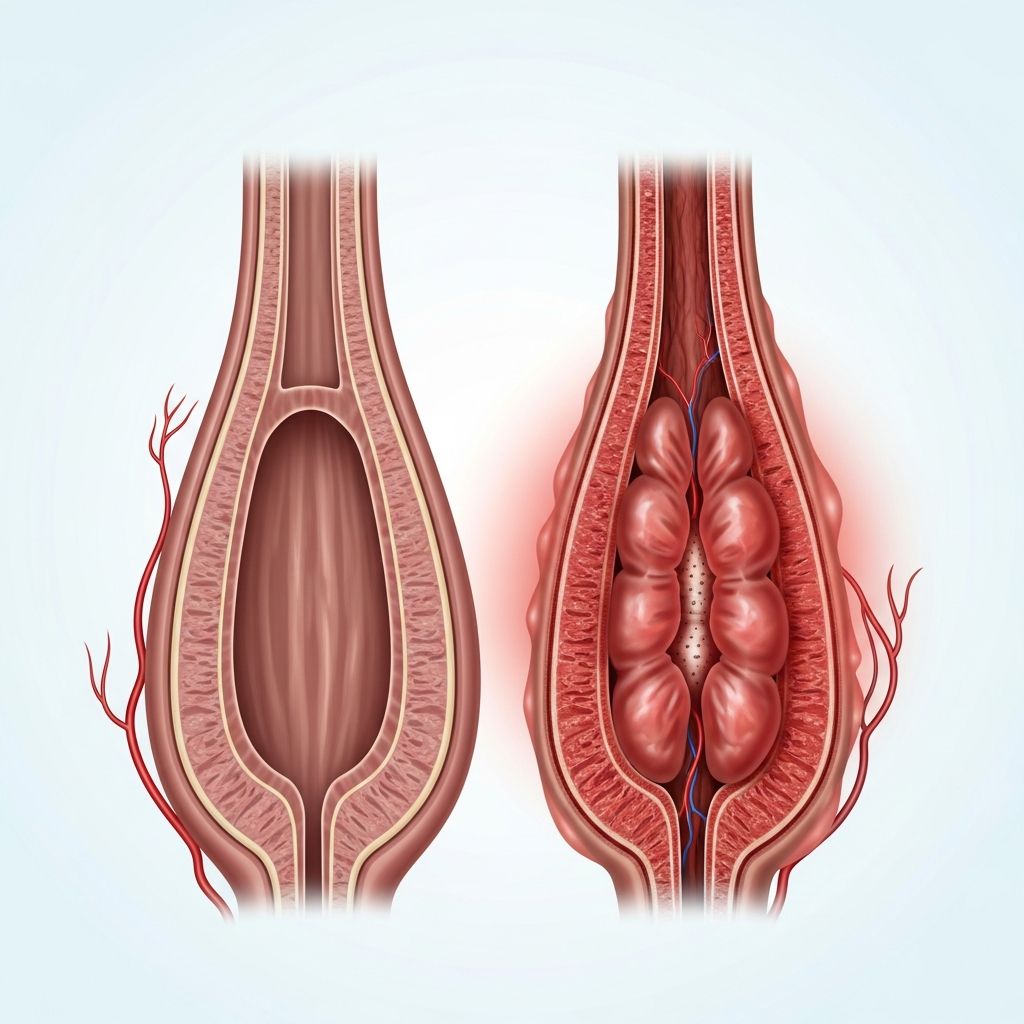
The primary cause of appendicitis is obstruction of the appendiceal lumen—the hollow opening of the appendix. When something blocks this narrow passage, it creates a chain reaction that leads to inflammation and infection. The blockage prevents normal fluid drainage from the appendix, causing pressure to build up inside the organ. This increased intraluminal and intramural pressure leads to small vessel occlusion, thrombosis, and lymphatic stasis, ultimately causing the appendix wall to become ischemic and necrotic.
Common Causes and Obstructions
Several factors can obstruct the appendiceal opening, triggering appendicitis. These causes vary by age and individual circumstances:
Appendicoliths (Fecoliths)
Appendicoliths, also known as fecoliths, are hardened deposits of stool within the appendix. These stone-like formations are one of the most common causes of appendicitis in adults and occur when feces accumulate and harden in the narrow appendiceal passage. The hardened material becomes trapped and blocks the opening, preventing normal drainage and causing bacterial overgrowth.
Lymphoid Hyperplasia
In the pediatric population, lymphoid hyperplasia is the most common cause of acute appendicitis. This condition involves an overgrowth of lymphoid tissue in the appendix, leading to inflammation and localized ischemia. Reactive lymphoid hyperplasia is frequently misdiagnosed as a primary etiology of appendicitis, though it represents a significant cause in children and teenagers.
Tumors and Neoplasms
In adults, various types of tumors can obstruct the appendix and trigger inflammation. These include appendiceal adenocarcinoma, mucocele, and carcinoid tumors. While tumors are less common than fecoliths or lymphoid hyperplasia, they represent an important consideration, especially in older adults presenting with appendicitis symptoms.
Intestinal Parasites
Parasitic infections can also obstruct the appendiceal lumen. While more common in areas with poor sanitation, parasitic blockages remain a documented cause of appendicitis worldwide.
Other Obstructing Materials
Additional materials that may block the appendiceal opening include:
- Undigested seeds or nuts (rare)
- Foreign bodies accidentally ingested
- Mucus buildup
- Swollen lymph nodes pressing on the opening
The Role of Bacterial Infection
Once the appendiceal lumen becomes obstructed, bacterial overgrowth occurs. Your large intestine naturally contains many bacteria, including aerobic and anaerobic species such as Escherichia coli and Bacteroides spp. When these bacteria become trapped in the obstructed appendix, they multiply rapidly, causing acute inflammation and potentially leading to abscess formation.
Related Stories



During early-stage appendicitis, aerobic organisms dominate the bacterial population. As the disease progresses, the bacterial community becomes more diverse, transitioning to a mixture of aerobic and anaerobic bacteria. Commonly involved organisms include E. coli, Peptostreptococcus, Bacteroides, and Pseudomonas.
Recent research using next-generation sequencing has revealed that patients with complicated perforated appendicitis exhibit significantly higher bacterial phyla loads compared to those with uncomplicated appendicitis. This finding suggests that the severity and potential complications of appendicitis correlate with increased bacterial abundance, highlighting the importance of timely intervention.
Age-Specific Causes
The underlying causes of appendicitis vary significantly across different age groups, requiring age-specific diagnostic and treatment considerations.
Children and Adolescents
Acute appendicitis in pediatric patients is most commonly caused by lymphoid hyperplasia. This condition is particularly prevalent in teenagers and younger children, making it the primary consideration when evaluating appendicitis in this population.
Adults
In adult populations, acute appendicitis is commonly attributed to fecaliths, infections, and tumors. Fecoliths become increasingly common with age, making them the leading cause in older adults. Infections may develop secondary to other conditions or as the primary trigger.
Risk Factors That Increase Appendicitis Susceptibility
While appendicitis can affect anyone, certain demographic and health factors increase the likelihood of developing this condition.
Age
Appendicitis is most common in people between ages 10 and 30. While the condition can occur at any age, the peak incidence falls within this decade-long window. In children, appendicitis is most common during the teen years, though younger children also develop it.
Sex
Men have a slightly higher risk of appendicitis than women. The reason for this sex difference is not entirely clear but represents a consistent finding in epidemiological data.
Family History
Having a family history of appendicitis appears to raise your risk of developing the condition, though the underlying mechanism remains unclear. While appendicitis itself is not inherited, genetics may be involved in susceptibility to some of its causes.
Secondary Causes and Contributing Conditions
Beyond primary mechanical obstructions, several conditions can contribute to appendicitis development.
Inflammatory Bowel Disease
Chronic conditions like inflammatory bowel disease can cause chronic inflammation in and around the appendix. This persistent inflammation may lead to lymphoid hyperplasia or scar tissue formation, potentially triggering acute appendicitis episodes.
Mild Bacterial Overgrowth
Chronic or recurrent mild bacterial overgrowth can cause persistent, low-grade inflammation in the appendix. This may progress to acute appendicitis or contribute to chronic appendicitis, characterized by intermittent episodes of mild inflammation.
Intermittent Obstruction
Some appendicitis cases result from partial or intermittent obstruction—when something temporarily blocks the appendiceal opening but may move in and out. This intermittent blockage can cause recurring inflammation before eventually leading to acute appendicitis.
Understanding Chronic Appendicitis
Chronic appendicitis differs from acute appendicitis in its development and progression. The theory of chronic appendicitis suggests that something causes mild inflammation on and off for an extended period. This may result from a chronic condition like inflammatory bowel disease, mild bacterial overgrowth, or a partial obstruction that intermittently blocks the appendiceal opening.
Chronic inflammation can lead to lymphoid hyperplasia or even scar tissue development in the appendix if sustained over a long time. While chronic appendicitis occurs in approximately 1% of the population, distinguishing it from acute appendicitis can be challenging.
Lifestyle Factors and Appendicitis Risk
Certain lifestyle choices may influence your appendicitis risk.
Dietary Fiber Intake
Eating more fiber actually reduces your risk of appendicitis. Adequate fiber intake promotes healthy bowel movements and reduces fecalith formation, the leading cause of appendicitis in adults. However, while rare reports exist of undigested seeds or nuts causing blockages, dietary fiber’s overall protective effect is well-established.
Acute Illness and Ischemia
Severe physiological stress from critical illness can cause bowel ischemia—a temporary reduction of blood flow to your intestines. While unlikely to directly cause appendicitis in most cases, ischemic colitis may rarely affect the appendix during severe illness.
Pathophysiology: How Obstruction Leads to Inflammation
Understanding the biological mechanisms behind appendicitis helps explain why prompt treatment is essential.
When the appendiceal lumen becomes obstructed, pressure rapidly builds inside the organ. This increased pressure causes small vessels to become occluded and leads to thrombosis and lymphatic stasis. The obstructed appendix fills with mucus and becomes increasingly distended. As lymphatic and vascular compromise continues, the appendix wall undergoes ischemia and necrosis.
Simultaneously, trapped bacteria multiply within the obstructed appendix. The mucosa and deeper tissue layers become infiltrated with neutrophils—white blood cells responding to infection. The severity of this inflammatory response correlates directly with infection duration and severity.
If left untreated, significant inflammation and necrosis make the appendix susceptible to perforation. A perforated appendix can form a localized abscess or, in severe cases, lead to peritonitis—a life-threatening infection of the abdominal cavity lining.
Why Prompt Treatment Matters
Appendicitis requires immediate medical attention because complications progress rapidly. When bacteria-filled contents breach the appendix wall, serious complications develop, which is why healthcare providers treat appendicitis as a medical emergency. Complications can progress through stages including abscess formation, peritonitis, and sepsis if the condition remains untreated.
Frequently Asked Questions
Q: Can appendicitis be caused by constipation?
A: While constipation may increase fecalith formation risk, constipation alone does not directly cause appendicitis. However, the hardened stool associated with constipation can contribute to blockages that trigger inflammation.
Q: Is appendicitis hereditary?
A: Appendicitis itself is not inherited, but genetics may influence susceptibility to some of its causes. Having a family history of appendicitis does appear to raise your risk, though the exact mechanism remains unclear.
Q: Can diet prevent appendicitis?
A: Eating a diet high in fiber may help reduce appendicitis risk by promoting healthy bowel movements and preventing fecalith formation. However, no diet guarantees prevention of this condition.
Q: What are the early warning signs of appendicitis?
A: Early warning signs typically include sudden pain that begins around the belly button and shifts to the lower right belly, along with nausea, vomiting, and loss of appetite. Pain typically worsens with movement and may be accompanied by fever.
Q: How quickly does appendicitis develop?
A: Acute appendicitis can develop rapidly once obstruction occurs. Bacterial overgrowth and inflammation progress relatively quickly, making rapid medical intervention essential to prevent perforation and serious complications.
References
- Appendicitis – StatPearls — National Center for Biotechnology Information (NCBI), National Library of Medicine. 2025. https://www.ncbi.nlm.nih.gov/books/NBK493193/
- Appendicitis: Signs, Symptoms and Treatment — Cleveland Clinic. 2024. https://my.clevelandclinic.org/health/diseases/8095-appendicitis
- Appendicitis — Symptoms and Causes — Mayo Clinic. 2024. https://www.mayoclinic.org/diseases-conditions/appendicitis/symptoms-causes/syc-20369543
Similar Articles








Read full bio of Sneha Tete