Appendicitis: 3 Stages, Symptoms, Diagnosis, Treatment
Comprehensive guide to recognizing, diagnosing, and treating appendicitis to prevent serious complications.
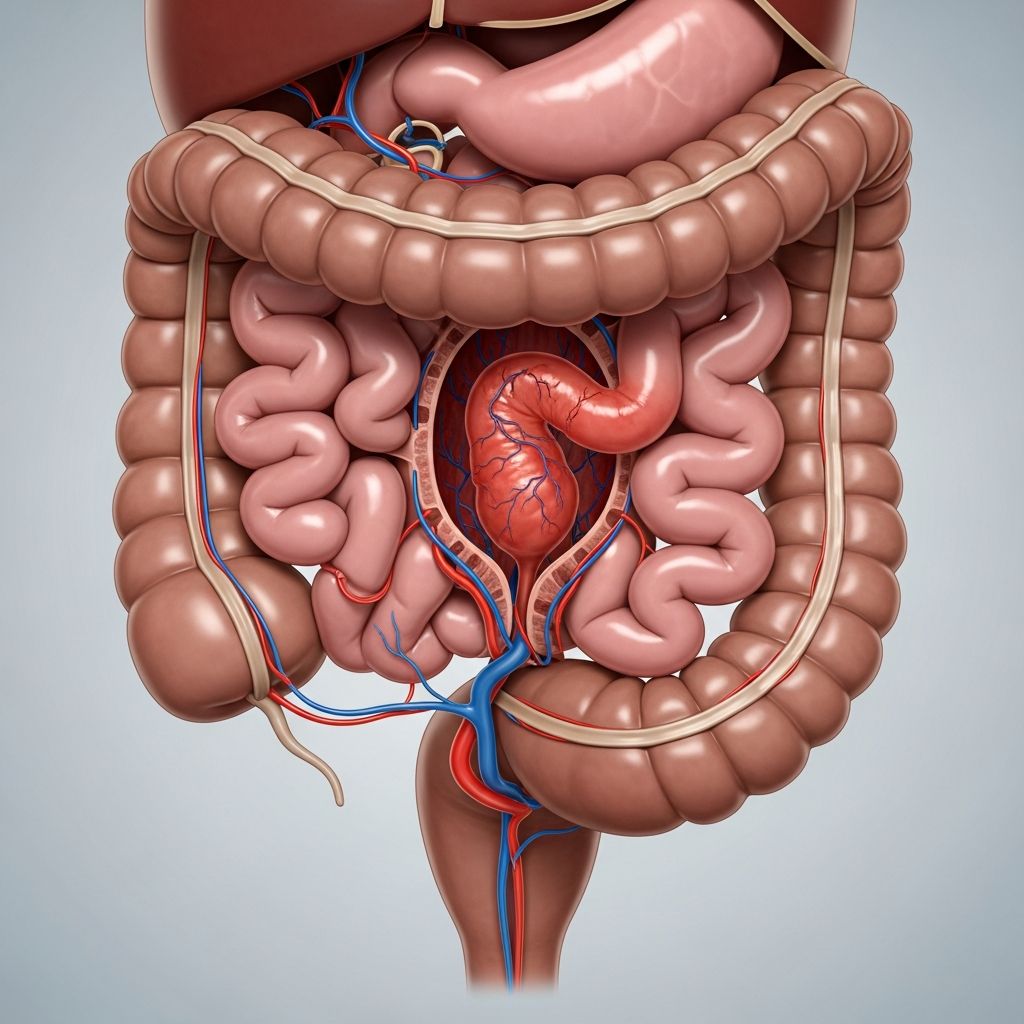
Appendicitis involves inflammation of the appendix, a small tube-like structure attached to the large intestine, often leading to severe abdominal discomfort that demands prompt medical care. Early recognition of its signs can significantly reduce the risk of life-threatening issues like rupture.
The Appendix: Structure and Function
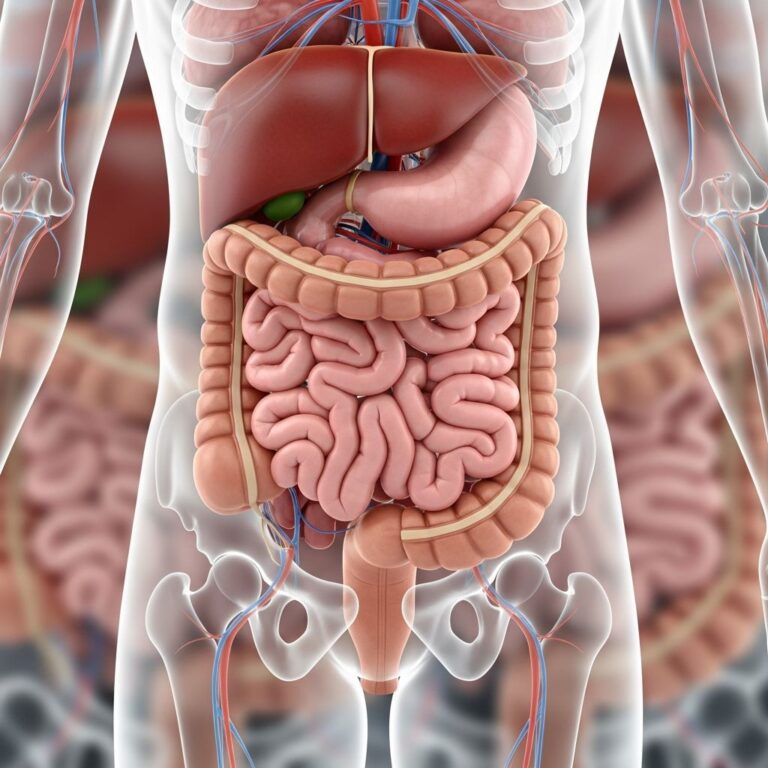
The appendix is a narrow, finger-shaped pouch extending from the cecum, the pouch-like beginning of the large intestine in the lower right abdomen. Though once considered vestigial, recent studies suggest it may act as a reservoir for beneficial gut bacteria, aiding recovery from intestinal illnesses. Measuring about 3 to 4 inches long, it sits near the junction of the small and large intestines. Despite its modest role, blockage or infection in this organ triggers acute appendicitis, affecting roughly 7% of people over their lifetime.
Why Appendicitis Develops: Key Causes
Most cases stem from obstruction of the appendix lumen, the inner channel. Common culprits include fecaliths—hardened stool lumps—enlarged lymphoid tissue from infections, or tumors. This blockage traps mucus and bacteria, causing bacterial overgrowth, swelling, and pressure buildup. The rising pressure compresses blood vessels, leading to tissue death if untreated. Other triggers encompass parasitic worms or seeds, though fecaliths dominate in adults.
Recognizing the Signs: Symptom Progression
Initial discomfort often starts as vague aching around the navel or upper abdomen, accompanied by loss of appetite, nausea, or mild vomiting. Within hours, pain migrates to the lower right quadrant, intensifying with movement, coughing, or deep breaths. Fever may emerge, typically low-grade, alongside constipation or diarrhea. Unlike stomach bugs, vomiting precedes pain in appendicitis, not vice versa. Children and elderly patients might show subtler symptoms, like generalized discomfort.
- Classic sequence: Periumbilical pain → right lower quadrant localization → worsening with activity.
- Associated issues: Anorexia, single vomit episode, slight temperature rise.
Physical Examination Insights
Doctors assess tenderness in the right lower abdomen, often at McBurney’s point—one-third from the anterior superior iliac spine to the navel. Key tests include:
- Psoas sign: Pain on right hip extension, indicating retrocecal appendix irritation.
- Obturator sign: Discomfort during internal hip rotation, suggesting pelvic involvement.
- Rovsing sign: Right-sided pain from left lower quadrant pressure.
- Rebound tenderness: Sharp pain on quick release of abdominal pressure.
These maneuvers, combined with rigidity or guarding, heighten suspicion. Right lower quadrant pain offers a positive likelihood ratio of 7.3–8.5 for confirming appendicitis.
Diagnostic Approaches: Confirming the Condition
Diagnosis relies on history and exam, bolstered by imaging and labs. Blood tests reveal elevated white cells (leukocytosis >10,000/μL) in 80–90% of cases. Ultrasound detects swelling (>6mm diameter) or fluid, ideal for children and pregnant women. CT scans, with 95% accuracy, show appendiceal thickening, fat stranding, or fecaliths. Scoring systems like Alvarado (max 10 points) stratify risk:
| Feature | Points |
|---|---|
| Male | 1 |
| Anorexia | 1 |
| Right lower quadrant tenderness | 2 |
| Rebound pain | 1 |
| Temperature ≥37.3°C | 1 |
| Leukocytosis ≥10,000/μL | 2 |
| Shift to left (bands) | 1 |
Scores ≥7 indicate high probability; 4–6 suggest imaging.
Pathological Stages of Appendicitis
Appendicitis evolves through stages:
- Suppurative: Neutrophil invasion of mucosa and submucosa, with pus formation.
- Gangrenous: Full-wall necrosis, friable tissue turning purple-black.
- Perforated: Rupture causing peritonitis or abscesses.
Complicated cases show transmural inflammation, thrombosis, and mesoappendiceal spread. Stump appendicitis risks arise post-surgery if >5mm remnant remains.
Treatment Pathways: From Antibiotics to Surgery
Standard care is appendectomy—surgical removal—via open or laparoscopic methods. Laparoscopy offers less pain, quicker recovery, and fewer infections, though longer operative time. Preoperative IV fluids and antibiotics (e.g., third-generation cephalosporins) are routine. Non-perforated cases need no post-op antibiotics; perforated ones require 4 days.
Related Stories



Alternatives include antibiotics alone for uncomplicated cases, with 70% success but 30% recurrence risk. Abscesses may warrant drainage first, delaying appendectomy.
Potential Complications and Their Management
Untreated progression risks perforation (within 48–72 hours), spilling bacteria into the abdomen, causing peritonitis, sepsis, abscesses, or bowel obstruction. Peritonitis demands urgent lavage and broad-spectrum antibiotics. Pregnancy heightens stakes, risking fetal loss. Post-op issues like wound infections or ileus occur in 5–10%.
Special Populations: Variations in Presentation
Children under 5 may lack migratory pain, showing lethargy or diarrhea. Elders often have minimal fever or pain, delaying diagnosis. Pregnant women experience upward pain displacement. Immunocompromised patients risk rapid perforation.
Post-Operative Recovery and Prevention Tips
Most resume normal activity in 1–2 weeks post-laparoscopy. Watch for fever, swelling, or discharge signaling infection. No proven prevention exists, but high-fiber diets may reduce fecalith formation. Prompt care for abdominal pain prevents escalation.
Frequently Asked Questions (FAQs)
Can appendicitis resolve without surgery?
In select uncomplicated cases, antibiotics succeed, but surgery remains definitive to avoid recurrence.
How soon after symptoms should I seek help?
Within hours of right lower pain; delays raise rupture risk.
Is laparoscopic appendectomy better?
Yes, for lower complications and faster return to work.
What if the appendix has burst?
Requires immediate surgery, extended antibiotics, and possible drainage.
Does appendicitis hurt more at night?
No, pain steadily worsens regardless of time.
Clinical Decision-Making Tools
Tools like AIR score or Appendicitis Inflammatory Response aid triage:
| Parameter | Points |
|---|---|
| Vomiting | 1 |
| Pain right of midline | 1 |
| Rebound tenderness | 1 |
| Temp ≥38°C | 1 |
| PMN ≥10,000 | 2 |
| Neutrophils ≥70% | 2 |
Low risk (<4): discharge; high (≥6): surgery.
References
- Appendicitis – StatPearls — NCBI Bookshelf, National Institutes of Health. 2023-07-17. https://www.ncbi.nlm.nih.gov/books/NBK493193/
- Appendicitis – Gastrointestinal Disorders — Merck Manual Professional Edition. 2024-01-05. https://www.merckmanuals.com/professional/gastrointestinal-disorders/acute-abdomen-and-surgical-gastroenterology/appendicitis
- Appendicitis — NHS UK. 2023-11-14. https://www.nhs.uk/conditions/appendicitis/
- Acute Appendicitis: Efficient Diagnosis and Management — American Academy of Family Physicians. 2018-07-01. https://www.aafp.org/pubs/afp/issues/2018/0701/p25.html
- Appendicitis: Signs, Symptoms and Treatment — Cleveland Clinic. 2023-09-06. https://my.clevelandclinic.org/health/diseases/8095-appendicitis
Similar Articles








Read full bio of medha deb