Appendicitis: Symptoms, Causes, Diagnosis and Treatment
Complete guide to appendicitis: recognize symptoms, understand causes, and explore treatment options.
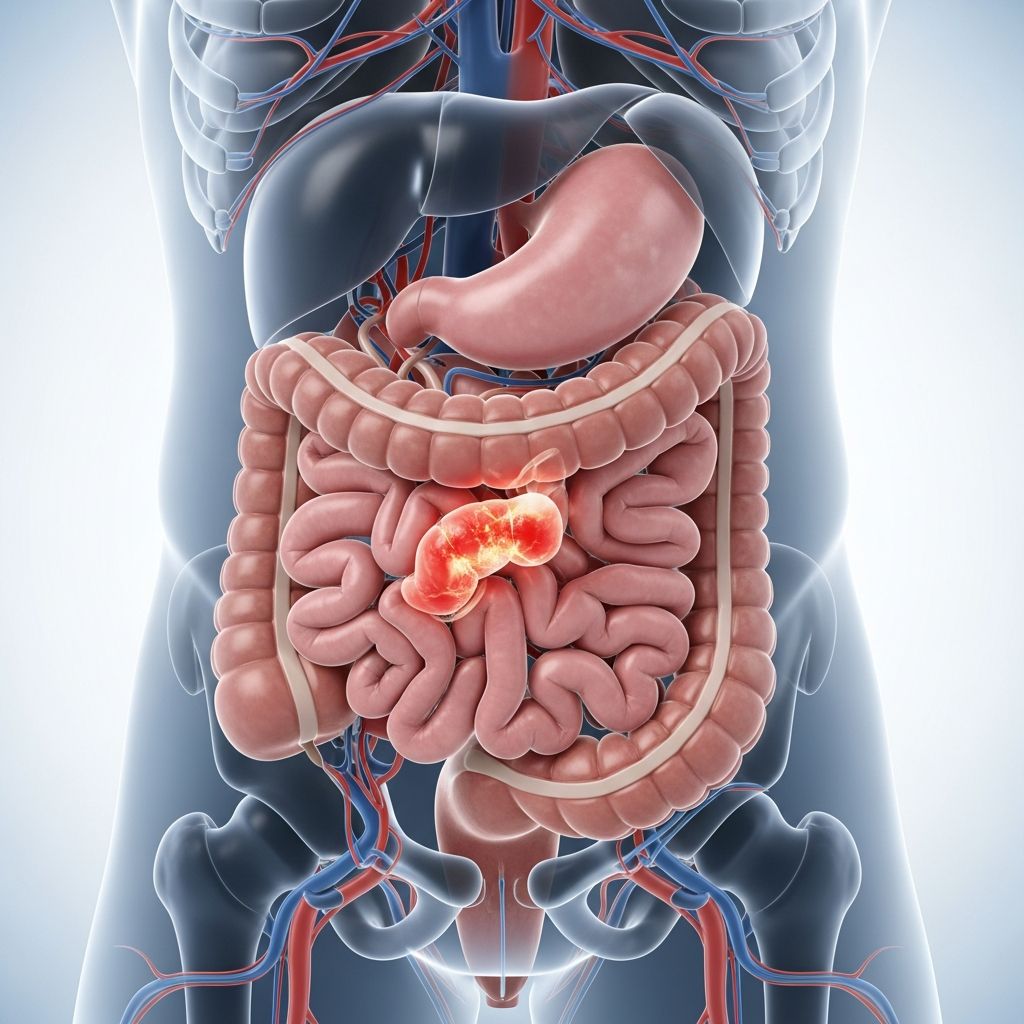
Appendicitis is one of the most common surgical emergencies of the abdomen, affecting approximately 5-10% of the population during their lifetime. This acute medical condition requires prompt diagnosis and treatment to prevent serious complications. Understanding the symptoms, causes, and treatment options is essential for anyone experiencing abdominal pain or concerned about their digestive health.
What Is Appendicitis?
Appendicitis is an acute infection and inflammation of the appendix, a small pouch of tissue approximately 3.5 inches long that attaches to the large intestine in the lower right side of the abdomen. This condition constitutes a medical emergency because if left untreated, the infected appendix can rupture, causing infected material to spread throughout the abdominal cavity. This potentially life-threatening situation can lead to peritonitis or sepsis, requiring urgent medical intervention with antibiotics and surgical removal of the appendix.
The appendix’s exact biological function remains somewhat unclear, but it contains lymphoid tissue that may play a role in immune function. When the appendix becomes blocked and infected, the resulting inflammation and pressure buildup can cause severe pain and systemic symptoms that progress rapidly over hours or days.
Symptoms of Appendicitis
Recognizing the symptoms of appendicitis is crucial for early diagnosis and treatment. Symptoms typically appear suddenly and progress rapidly, sometimes escalating into a medical emergency within 48 to 72 hours of onset. The following symptoms should prompt immediate medical attention:
Primary Symptoms
Abdominal Pain: The most characteristic symptom of appendicitis is abdominal pain that typically begins near the navel or in the upper abdomen as a dull ache. As the condition progresses, this pain becomes sharper and migrates to the lower right portion of the abdomen, where the appendix is located. The pain often worsens with movement, coughing, sneezing, or jarring motions, and typically becomes more intense as inflammation increases. Pain intensity can vary depending on the appendix’s anatomical position.
Associated Symptoms
Additional symptoms accompanying the abdominal pain may include:
- Loss of appetite
- Nausea and vomiting (occurs in approximately 75% of patients)
- Fever, typically low-grade initially but potentially worsening as the condition progresses
- Abdominal bloating and flatulence
- Diarrhea or constipation
- Abdominal swelling
It is important to note that appendicitis symptoms can mimic other digestive disorders, which sometimes leads to misdiagnosis. Appendicitis remains one of the most frequently misdiagnosed surgical conditions, particularly in children.
Causes of Appendicitis
Appendicitis is generally caused by a blockage of the appendix, which increases internal pressure and can cut off blood flow to the tissue. This blockage creates an environment where bacteria naturally present in the digestive tract multiply rapidly, causing infection and pus accumulation. The resulting inflammation damages the appendix wall, intensifying pain and irritation.
Common Causes of Appendix Blockage
The blockage leading to appendicitis can result from various factors:
Related Stories



- Hardened stool (fecal matter)
- Lymphoid hyperplasia (enlarged lymph tissues)
- Tumors or growths
- Viral, bacterial, or parasitic infections in the digestive tract
- Inflammatory bowel conditions
- Foreign objects
Risk Factors and Epidemiology
Appendicitis affects individuals of all ages, though it shows a peak incidence between ages 15-25 years. The condition occurs more frequently in males and has a lifetime risk affecting 5-10% of the population. While appendicitis can strike anyone, research suggests that diet may influence risk, with some evidence indicating that adequate dietary fiber and balanced nutrition may reduce the likelihood of developing this condition.
Complications of Appendicitis
If appendicitis is not treated promptly, the infection can progress and create serious, potentially fatal complications. Understanding these risks underscores the importance of seeking immediate medical care when symptoms appear.
Perforated or Ruptured Appendix
If inflammation is not relieved quickly, the appendix wall may begin to die, resulting in a hole or perforation. A ruptured appendix causes infected material to spill into the abdominal cavity, creating a life-threatening emergency requiring urgent surgical intervention.
Peritonitis
When bacteria from a burst appendix reach the peritoneum—the inner lining of the abdominal cavity—peritonitis develops. This severe infection produces symptoms including:
- Severe, continuous abdominal pain
- Abdominal swelling and rigidity
- Vomiting and high fever
- Pain that worsens with movement, coughing, or pressure
Peritonitis requires immediate hospitalization and aggressive antibiotic therapy.
Appendiceal Abscess
In some cases, the body may wall off an infected appendix, creating a localized collection of pus known as an abscess. Abscesses can be managed differently depending on their size and characteristics, with treatment ranging from antibiotic therapy to drainage procedures.
Additional Complications
Other potential complications of untreated appendicitis include:
- Excessive bleeding
- Systemic infection and sepsis
- Abscess formation in various abdominal locations
- General abdominal inflammation
Diagnosis of Appendicitis
Diagnosing appendicitis involves a combination of clinical evaluation and diagnostic imaging. An emergency room physician typically begins with a thorough physical examination, gently applying pressure to the abdomen to assess pain response and locate the source of discomfort.
Diagnostic Tests and Imaging
Laboratory and imaging studies used to confirm appendicitis include:
- Blood tests to assess white blood cell count and other inflammatory markers
- Urinalysis to rule out urinary tract conditions with similar symptoms
- Computed tomography (CT) scans, which provide detailed cross-sectional images of the abdomen
- Ultrasound imaging, particularly useful in pregnant women and children
- Magnetic resonance imaging (MRI), offering excellent soft tissue visualization
CT scanning is often the gold standard for appendicitis diagnosis due to its high sensitivity and specificity in visualizing the inflamed appendix and identifying complications such as perforation or abscess formation.
Treatment of Appendicitis
The standard treatment for acute appendicitis is surgical removal of the appendix, known as an appendectomy. However, treatment approaches may vary depending on the severity of the condition and presence of complications.
Acute Appendicitis Management
When acute appendicitis is diagnosed, patients are typically admitted to the hospital immediately. Standard pre-operative care includes:
- Nothing by mouth (NPO status) to prepare for surgery
- Intravenous fluid administration for hydration
- Pain management with appropriate medications
- Prophylactic antibiotics administered intravenously
- Scheduling of surgery as soon as possible to prevent infection spread and complications
Antibiotics are given both before and after surgery to combat infection and prevent post-operative complications.
Surgical Approaches
An appendectomy can be performed using two primary surgical techniques:
| Surgical Approach | Description | Advantages | Considerations |
|---|---|---|---|
| Open (Traditional) Appendectomy | Involves a single larger incision in the lower right abdomen | Direct visualization of the appendix; useful in complex cases or with complications | Longer recovery time; larger scar |
| Laparoscopic (Minimally Invasive) | Uses several small incisions and a camera to visualize and remove the appendix | Faster recovery; less post-operative pain; smaller scars; shorter hospital stay | May not be suitable for all cases; requires specialized equipment and expertise |
Management of Complicated Appendicitis
When appendicitis has progressed to complications such as abscess formation or perforation, treatment may be modified:
Small Abscess: If a small abscess is present, intravenous antibiotics are administered to reduce the infection while the patient is closely monitored. Surgery to remove the appendix is typically performed several weeks later in a procedure called an interval appendectomy.
Large Abscess: Larger abscesses or those with multiple pockets of pus require drainage in addition to antibiotic therapy. A drainage catheter may be placed to allow continued drainage, with appendectomy performed after the infection has cleared.
Multicompartmental Abscess: Complex abscesses with multiple separate pockets typically require prompt surgical drainage, with appendectomy performed either simultaneously or shortly thereafter, depending on patient safety considerations.
Antibiotic-Only Treatment
While some patients with uncomplicated appendicitis may respond well to antibiotics alone, surgery remains the standard of care because of a significant 39% recurrence rate when only antibiotics are used. This high recurrence rate necessitates appendectomy for definitive treatment in most cases.
Chronic Appendicitis
Chronic appendicitis is a less common form of the condition that occurs when the inside of the appendix is partially obstructed and becomes infected, but the pressure building inside dislodges the obstruction rather than causing rupture or perforation. Symptoms then temporarily subside until the appendix becomes blocked again.
Because chronic appendicitis symptoms resemble other chronic digestive conditions, it is frequently confused with irritable bowel syndrome, inflammatory bowel disease, or other gastrointestinal disorders. Diagnosis requires imaging studies including CT scans, MRI, or ultrasound. Chronic appendicitis is treated with surgical appendectomy.
Prevention and Risk Reduction
While appendicitis cannot be entirely prevented, research indicates that certain lifestyle measures may reduce the risk of developing this condition. Eating nutritious foods and maintaining a balanced diet may help lower appendicitis risk by promoting healthy digestive function and reducing blockage risk.
Individuals with risk factors for appendicitis should work with a gastroenterologist who can provide expert dietary advice and recommendations to help mitigate their risk. Maintaining adequate dietary fiber intake, staying hydrated, and addressing any digestive issues promptly may contribute to appendicitis prevention.
When to Seek Medical Care
Any person experiencing sudden severe abdominal pain should seek immediate emergency medical evaluation. Specific warning signs that warrant emergency care include:
- Severe abdominal pain, particularly in the lower right abdomen
- Pain accompanied by high fever and vomiting
- Signs of peritonitis, including severe continuous pain, abdominal rigidity, or pain with movement
- Symptoms developing rapidly over hours
- Inability to maintain hydration or keep food down
Given that appendicitis can progress from symptom onset to rupture within 48-72 hours, prompt medical evaluation is essential to prevent serious complications.
Recovery After Appendectomy
Recovery time depends on the surgical approach used. Patients undergoing laparoscopic appendectomy typically recover faster, often returning to normal activities within 1-3 weeks. Those undergoing open appendectomy may require 4-6 weeks for complete recovery. Patients are typically discharged within 1-2 days following uncomplicated appendectomy and instructed on wound care, activity restrictions, and signs of post-operative complications such as infection or excessive bleeding.
Frequently Asked Questions
Q: How quickly can appendicitis develop?
A: Appendicitis symptoms can develop suddenly and progress rapidly. Rupture can occur within 48-72 hours of symptom onset if left untreated, making prompt medical evaluation critical.
Q: Can appendicitis be treated without surgery?
A: While some uncomplicated cases may initially respond to antibiotics, surgery remains the standard treatment because appendicitis has a 39% recurrence rate with antibiotics alone. Surgical appendectomy provides definitive treatment.
Q: What is an interval appendectomy?
A: An interval appendectomy is a delayed surgical removal of the appendix, typically performed several weeks after acute appendicitis with abscess formation has been treated with antibiotics and drainage, allowing time for inflammation to resolve.
Q: Is appendicitis more common in certain age groups?
A: While appendicitis affects all age groups, it shows a peak incidence between ages 15-25 years and occurs more frequently in males overall.
Q: What should I do if I suspect appendicitis?
A: Seek immediate emergency medical care. Do not eat or drink before evaluation. Emergency physicians can perform imaging studies and diagnostic tests to confirm appendicitis and begin treatment promptly.
References
- Acute Appendicitis: Symptoms, Causes and Treatment — Ada Health. 2025. https://ada.com/conditions/acute-appendicitis/
- Symptoms of Appendicitis: When to See a Doctor — Intercoastal Medical. 2022-04-20. https://www.intercoastalmedical.com/2022/04/20/symptoms-of-appendicitis-when-to-see-a-doctor/
- Appendicitis — Johns Hopkins ABX Guide. 2022-11-09. https://www.hopkinsguides.com/hopkins/view/Johns_Hopkins_ABX_Guide/540032/all/Appendicitis
- Appendicitis — Johns Hopkins University. 2024. https://pure.johnshopkins.edu/en/publications/appendicitis
Similar Articles








Read full bio of medha deb