Appendicitis: Symptoms, Diagnosis & Treatment
Learn about the signs, diagnosis, and treatment options for appendicitis, a common abdominal emergency.
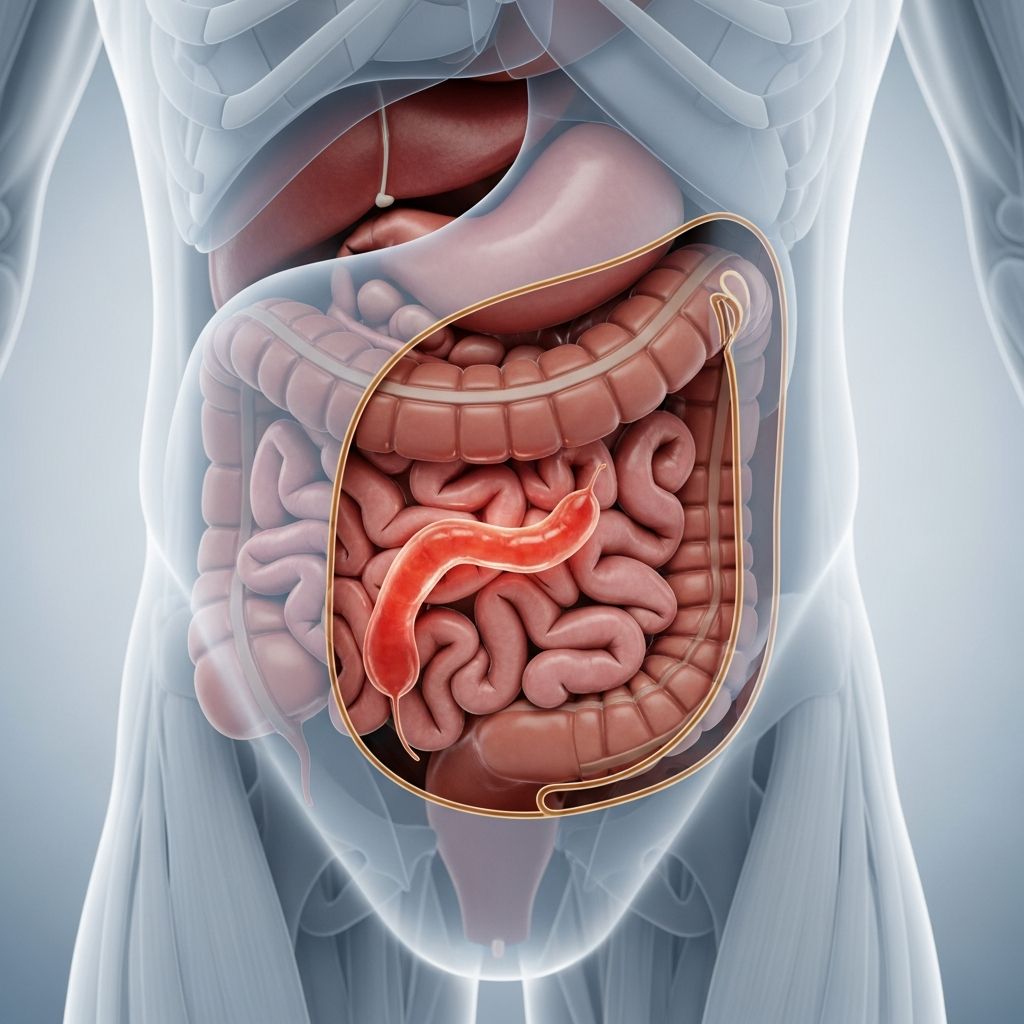
What Is Appendicitis?
Appendicitis is the inflammation of the appendix, a small, finger-shaped pouch attached to the large intestine. While the appendix has no known essential function, its inflammation can lead to severe abdominal pain and potentially life-threatening complications if not treated promptly. Appendicitis is one of the most common causes of emergency abdominal surgery worldwide.
Causes of Appendicitis
The exact cause of appendicitis is not always clear, but it typically occurs when the appendix becomes blocked. Blockages can result from:
- Fecal matter (such as an appendicolith, a hard lump of stool and minerals)
- Swollen lymphoid tissue in the wall of the appendix
- Infections in the digestive tract
- Tumors (rarely)
When the appendix is blocked, bacteria can multiply inside it, causing inflammation, swelling, and infection. If left untreated, the appendix can rupture, leading to a serious infection called peritonitis.
Symptoms of Appendicitis
The symptoms of appendicitis can vary, but the classic presentation includes:
- Abdominal pain that starts near the belly button and shifts to the lower right side
- Pain that worsens over several hours
- Nausea and vomiting
- Loss of appetite
- Low-grade fever that may worsen as the condition progresses
- Constipation or diarrhea
- Inability to pass gas
Not everyone experiences all these symptoms, and the severity can differ. In some cases, especially in children and older adults, symptoms may be less typical, making diagnosis more challenging.
Diagnosis of Appendicitis
Diagnosing appendicitis involves a combination of clinical evaluation, physical examination, and diagnostic tests. Healthcare providers will typically:
- Ask about the nature, location, and duration of pain
- Perform a physical exam to check for tenderness, guarding, and rebound tenderness in the lower right abdomen
- Order blood tests to check for signs of infection (such as elevated white blood cell count)
- Order urine tests to rule out urinary tract infections
- Use imaging tests such as ultrasound, CT scan, or MRI to visualize the appendix and surrounding structures
These tests help confirm the diagnosis and rule out other conditions that can cause similar symptoms, such as gastroenteritis, urinary tract infections, or ovarian cysts.
Treatment of Appendicitis
Appendicitis is considered a medical emergency, and prompt treatment is essential to prevent complications. The standard treatment includes both medication and surgery, though in some cases, medication alone may be sufficient.
Medication
Almost everyone with appendicitis will need antibiotics, even if there was no infection at the start. Antibiotics are used to treat or prevent infection and are often given before surgery. Pain relief medication may also be provided through an IV.
Related Stories



Surgery (Appendectomy)
The definitive treatment for appendicitis is surgical removal of the appendix, known as an appendectomy. This procedure is one of the most common surgeries performed worldwide. There are two main types of appendectomy:
- Laparoscopic appendectomy: This minimally invasive surgery involves making small incisions in the abdomen and using a laparoscope (a thin tube with a camera) to remove the appendix. Recovery is typically faster, and there is less scarring.
- Open appendectomy: This traditional surgery involves a larger incision in the lower right abdomen. It may be necessary if the appendix has ruptured or if there are complications.
Surgeons usually schedule the appendectomy within 24 hours of diagnosis to prevent the appendix from rupturing. The procedure is performed under general anesthesia, so the patient is asleep during surgery.
Recovery After Appendectomy
Recovery time after an appendectomy depends on the type of surgery and whether the appendix ruptured. Most patients recover quickly, especially with laparoscopic surgery. Typical recovery includes:
- Staying in the hospital for 24 to 48 hours for simple appendicitis
- Staying in the hospital for 5 to 7 days for ruptured appendicitis
- Receiving IV fluids and antibiotics during the hospital stay
- Gradually resuming a regular diet
- Resuming normal activities within a week for most patients
Patients are advised to avoid strenuous activities for a few weeks and to follow their healthcare provider’s instructions for wound care and pain management.
Complications of Appendicitis
If appendicitis is not treated promptly, it can lead to serious complications, including:
- Rupture of the appendix, causing peritonitis (infection of the abdominal cavity)
- Formation of an abscess (a collection of pus)
- Spread of infection to other parts of the body
- Septic shock (a life-threatening condition)
These complications can be life-threatening and require immediate medical attention.
Prevention of Appendicitis
There is no guaranteed way to prevent appendicitis, but maintaining a healthy diet and lifestyle may help reduce the risk. Eating a diet rich in fiber can help prevent constipation and the formation of fecal matter that can block the appendix. Regular medical check-ups can help detect and treat potential issues early.
When to Seek Medical Attention
If you or someone you know experiences symptoms of appendicitis, it is important to seek medical attention immediately. Do not take laxatives or enemas to relieve constipation, as these can cause the appendix to burst. Avoid taking pain medications that could mask symptoms, as this can make diagnosis more difficult.
Frequently Asked Questions (FAQs)
Q: What is the appendix?
A: The appendix is a small, finger-shaped pouch attached to the large intestine. It has no known essential function.
Q: How long does it take for the appendix to rupture?
A: The appendix can rupture within 36 hours of the first symptoms of appendicitis.
Q: Can appendicitis be treated without surgery?
A: In some cases, especially in children, appendicitis can be treated with antibiotics alone. However, surgery is the definitive treatment and is usually recommended.
Q: What are the risks of not treating appendicitis?
A: Untreated appendicitis can lead to rupture of the appendix, peritonitis, abscess formation, and septic shock, all of which can be life-threatening.
Q: How long does recovery take after an appendectomy?
A: Most patients recover within a week, but recovery time can be longer if the appendix ruptured or if there are complications.
References
- Appendicitis: Signs, Symptoms and Treatment — Cleveland Clinic. 2023. https://my.clevelandclinic.org/health/diseases/8095-appendicitis
- Appendectomy (Appendix Removal): Surgery & Recovery — Cleveland Clinic. 2023. https://my.clevelandclinic.org/health/procedures/21922-appendectomy
- Appendicitis Test: Types, Purpose, Procedure & Results — Cleveland Clinic. 2023. https://my.clevelandclinic.org/health/diagnostics/22801-appendicitis-test
Similar Articles








Read full bio of Sneha Tete