Appendicitis Symptoms: 5 Classic Signs And Atypical Clues
Recognize the signs of appendicitis early to prevent serious complications like rupture and peritonitis.
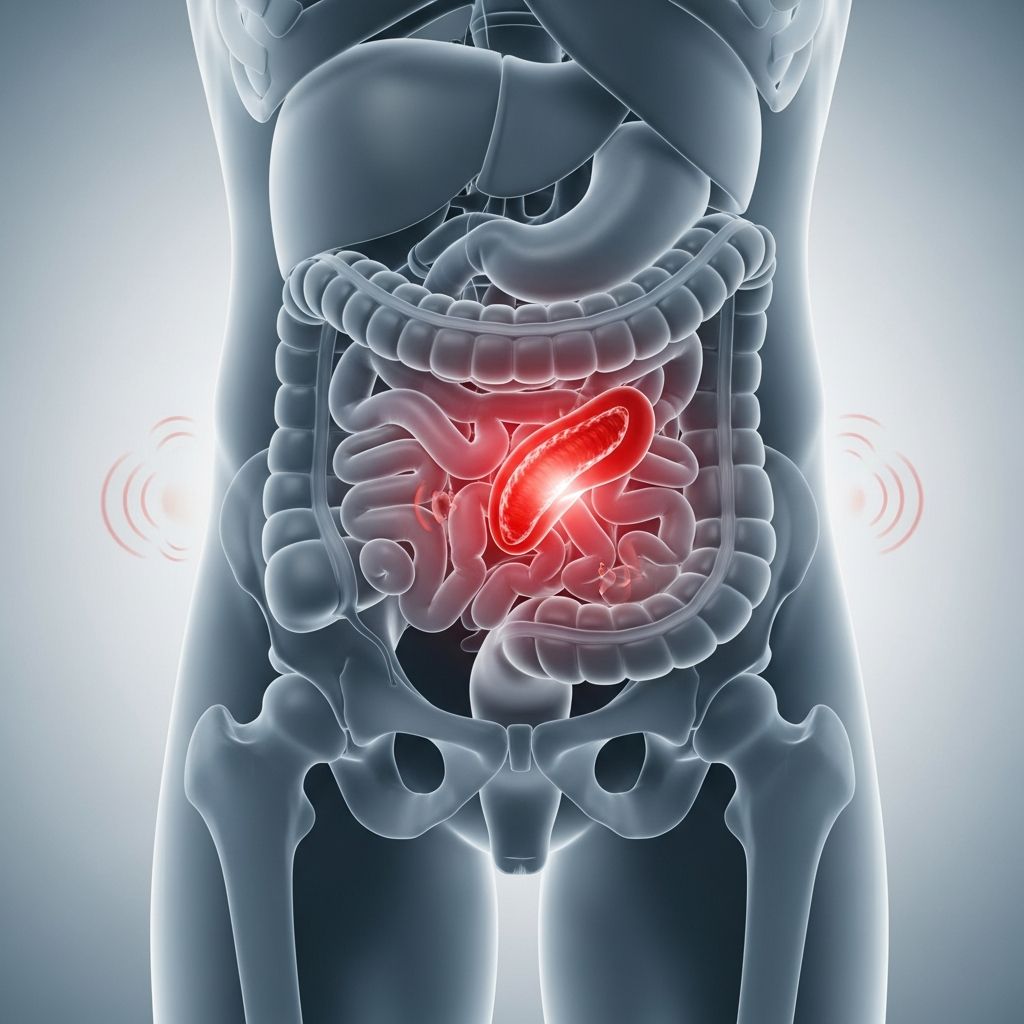
Appendicitis is a medical emergency characterized by inflammation of the appendix, a small pouch attached to the large intestine. It typically presents with sudden abdominal pain that requires prompt diagnosis and treatment to prevent complications like rupture. Recognizing symptoms early can be life-saving, as delays increase risks significantly.
What Is Appendicitis?
The appendix is a finger-sized tubular pouch extending from the lower right side of the large intestine. When blocked by feces, infection, or foreign material, it becomes inflamed, swells, and can rupture if untreated. Acute appendicitis is the most common form, onset sudden and progressing rapidly, while chronic appendicitis is rarer with milder, intermittent symptoms that can escalate.
Anyone can develop appendicitis, but it most frequently affects people aged 10-30. Prompt intervention is crucial as inflammation can lead to perforation within 24-72 hours.
Appendicitis Symptoms
The hallmark symptom is
abdominal pain
, often starting near the navel before localizing to the lower right abdomen. Pain intensifies with movement, coughing, or sneezing. Classic progression includes pain hovering for hours, followed by nausea, vomiting, and loss of appetite.Only about 50% experience the textbook presentation. Variations occur in children, elderly, and pregnant individuals, where pain may be diffuse or absent.
Classic Symptoms
- Pain migration: Begins periumbilical (around belly button), shifts to right lower quadrant (McBurney’s point).
- Nausea and vomiting: Develops after pain starts, often single episode.
- Loss of appetite: Sudden aversion to food.
- Low-grade fever: Typically 99-102°F (37.2-38.9°C).
- Rebound tenderness: Pain upon releasing pressure on abdomen.
Atypical Symptoms
- Pain in upper abdomen, back, or pelvis.
- Diarrhea or constipation.
- Urinary symptoms like painful urination.
- In infants: Irritability, bulging belly.
- In elderly: Mild pain, confusion.
Physical Signs Providers Check
- Rovsing’s sign: Pain in right lower quadrant when left side pressed.
- Psoas sign: Pain on hip extension (retrocecal appendix).
- Obturator sign: Pain on internal hip rotation (pelvic appendix).
- Guarding or rigidity in abdomen.
Appendicitis vs. Other Conditions
Symptoms mimic many issues, especially in women due to pelvic proximity. Differential diagnosis is essential.
| Condition | Key Differentiators |
|---|---|
| Gastroenteritis | Diffuse pain, prominent diarrhea/vomiting, fever. |
| Urinary Tract Infection | Burning urination, frequent urges, flank pain. |
| Ectopic Pregnancy | Missed period, vaginal bleeding, positive pregnancy test. |
| Ovarian Cyst/Torsion | Pelvic pain, irregular cycles, ultrasound findings. |
| Kidney Stones | Colicky flank pain radiating to groin, hematuria. |
| Diverticulitis | Left lower quadrant pain, older adults, fever. |
Causes of Appendicitis
Obstruction is primary trigger, trapping bacteria leading to infection and swelling.
Common Causes
- Fecalith: Hardened stool blocking lumen (most common).
- Lymphoid hyperplasia: Swollen lymph tissue from viral infection.
- Infection: Bacterial overgrowth from E. coli, Bacteroides.
Related Stories



Other Risk Factors
- Foreign bodies (seeds, though rare).
- Parasites or tumors (uncommon).
- Family history increases risk slightly.
- Low-fiber diet associated with higher incidence.
Chronic form may stem from recurrent mild obstructions or inflammatory bowel disease.
Complications of Appendicitis
Untreated, appendix can perforate, spilling bacteria into peritoneum.
- Perforation: Occurs 24-72 hours post-onset; severe pain, high fever.
- Peritonitis: Widespread infection; rigid abdomen, sepsis risk.
- Abscess: Pus pocket requiring drainage.
- Sepsis: Systemic infection, potentially fatal.
Perforation mortality was 50% pre-antibiotics; now <1% with timely surgery.
Diagnosis
History and exam first. No single test definitive; combination used.
- Physical exam: Tenderness, rebound, signs as above.
- Blood tests: Elevated WBC (10,000-18,000/μL), CRP.
- Urinalysis: Rules out UTI; few WBCs if appendicitis.
- Imaging: Ultrasound (first-line, esp. kids/pregnant); CT (95% accurate, gold standard adults).
CT sensitivity 94-98%, specificity 95-99%. MRI for pregnant patients.
Treatment
Surgical removal (appendectomy) is standard, ideally within 24 hours.
- Laparoscopic: Minimally invasive, 3-4 small incisions, faster recovery (1-2 days hospital).
- Open surgery: For perforation/abscess; larger incision.
- Antibiotics: Pre/post-op; some uncomplicated cases treated non-operatively (controversial).
Post-op: Pain meds, clear liquids advancing to diet. Full recovery 2-4 weeks.
Prevention
No guaranteed prevention, but high-fiber diet (fruits, veggies, whole grains) reduces fecaliths. Avoid constipation.
When to Seek Emergency Care
Go to ER immediately for:
- Sudden right lower abdominal pain worsening.
- Pain with fever, vomiting, inability to eat.
- Rebound tenderness or rigid abdomen.
Don’t eat/drink, avoid painkillers masking symptoms.
Frequently Asked Questions (FAQs)
Can appendicitis go away on its own?
Rarely; antibiotics may resolve uncomplicated cases, but surgery recommended to prevent recurrence (up to 30%).
How long between symptoms and rupture?
Typically 24-72 hours untreated.
Is appendicitis contagious?
No, though viral triggers possible.
What happens if appendix bursts?
Peritonitis, abscess, sepsis; requires urgent surgery, longer recovery.
Can you have appendicitis without pain?
Rare, esp. elderly/immunocompromised; other symptoms predominate.
References
- Appendicitis: Signs, Symptoms and Treatment — Cleveland Clinic. 2023-10-23. https://my.clevelandclinic.org/health/diseases/8095-appendicitis
- Appendicitis — Mayo Clinic. 2024-07-12. https://www.mayoclinic.org/diseases-conditions/appendicitis/symptoms-causes/syc-20369543
- Acute Appendicitis — National Institute of Diabetes and Digestive and Kidney Diseases (NIDDK). 2023-05-01. https://www.niddk.nih.gov/health-information/digestive-diseases/appendicitis
- Appendicitis Imaging — American College of Radiology. 2024-01-15. https://www.acr.org/Clinical-Resources/Appropriateness-Criteria
- Guidelines for Diagnosis and Treatment of Acute Appendicitis — World Society of Emergency Surgery. 2023-11-20. https://wjes.biomedcentral.com/articles/10.1186/s13017-023-00530-3
Similar Articles








Read full bio of medha deb