Appendix Pain: Could It Be Appendicitis?
Learn to recognize appendicitis symptoms and understand when to seek emergency medical care.
Understanding Appendicitis: A Medical Emergency
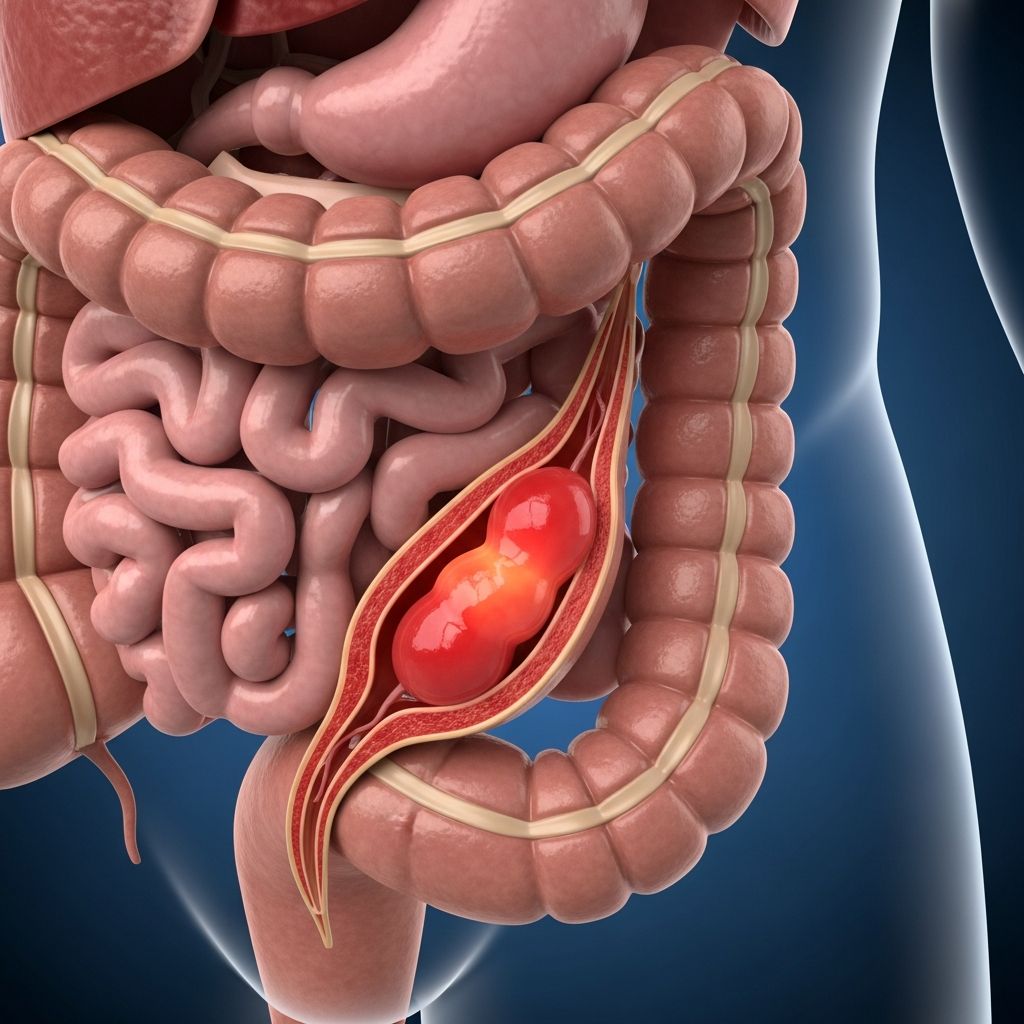
Appendicitis is a serious condition that occurs when the appendix becomes inflamed and swollen. The appendix is a small, tube-shaped organ about the size of a finger that protrudes from the lower right portion of your large intestine. While its exact biological purpose remains unclear, when it becomes infected or blocked, it can lead to a painful medical emergency requiring immediate attention. Understanding the symptoms and signs of appendicitis is crucial because this condition can quickly become life-threatening if left untreated.
Appendicitis can develop suddenly and escalate rapidly. If your inflamed appendix ruptures before treatment, bacteria can spread throughout your abdominal cavity, causing a serious infection called peritonitis. This complication can be life-threatening, making early recognition and prompt medical intervention essential. The good news is that with modern medical care, appendicitis is highly treatable, and most people recover well after surgery.
Recognizing the Symptoms of Appendicitis
The symptoms of appendicitis typically begin suddenly and can vary from person to person. However, certain patterns of symptoms are characteristic of this condition. Abdominal pain is nearly always present, along with nausea and loss of appetite. Understanding these symptoms can help you recognize when to seek medical help.
The Classic Progression of Symptoms
In the typical presentation of appendicitis, the pain pattern follows a distinctive sequence. Initially, pain begins in the middle of your abdomen, around your belly button area. This pain may come and go for several hours as inflammation develops. The pain during this stage is often described as mild to moderate and may be difficult to pinpoint exactly.
As the inflammation worsens, the pain intensifies and eventually shifts to the lower right portion of your abdomen, where your appendix is located. This migration of pain from the center to the lower right is a hallmark sign that healthcare providers look for when diagnosing appendicitis. Once the pain localizes to the lower right abdomen, it typically becomes more focused and continues to worsen progressively.
During this progression, other symptoms often develop. Nausea and vomiting typically accompany the intensifying abdominal pain. After several hours, the nausea may subside, but the abdominal pain continues and becomes more severe. This pattern—pain moving from the center to the lower right, accompanied by nausea and vomiting—is one of the most reliable indicators of appendicitis.
Common Symptoms of Appendicitis
The primary symptoms you may experience include:
- Sudden onset abdominal pain, typically starting around the belly button and moving to the lower right abdomen
- Pain that worsens with movement, coughing, walking, or any jarring movements
- Nausea and vomiting
- Loss of appetite
- Low-grade fever that may rise as the condition worsens
- Abdominal bloating and gas
- Constipation or diarrhea
- Swollen abdomen
- General malaise or feeling unwell
Variations in Symptom Presentation
It’s important to note that not everyone experiences appendicitis in the classic pattern. Only about half of people with appendicitis present with the typical symptom progression. Certain populations are more likely to have atypical presentations, including children, elderly adults, and pregnant women. In these groups, symptoms may be less obvious or follow a different pattern, making diagnosis more challenging.
Related Stories



Some people may experience pain that remains localized to the lower right abdomen from the beginning rather than starting centrally. Others might feel pain in different locations or have milder symptoms that develop more gradually. This variability underscores the importance of seeking medical evaluation for any persistent abdominal pain, especially if accompanied by fever, nausea, or vomiting.
When Fever Becomes a Warning Sign
Fever is an important symptom that may accompany appendicitis. About 40 percent of people with appendicitis develop a fever, which indicates increased inflammation or a spreading infection. A low-grade fever typically starts early in the condition but may rise as the inflammation progresses. The presence of fever, combined with abdominal pain and other symptoms, strengthens the likelihood that appendicitis is responsible for your symptoms.
If you experience a high fever along with severe abdominal pain and other appendicitis symptoms, this may indicate that your appendix has ruptured or that infection is spreading. This is a medical emergency requiring immediate hospital care. Never ignore the combination of fever and abdominal pain, particularly if it’s accompanied by severe symptoms.
Understanding the Causes of Appendicitis
Appendicitis typically occurs when the appendix becomes blocked or infected. The most common cause is when stool or mucus accumulates and blocks the opening of the appendix where it connects to your large intestine. When this opening becomes obstructed, bacteria trapped inside the appendix multiply, causing infection and inflammation. The swollen, inflamed appendix can then become increasingly painful and dangerous.
Other causes of appendicitis include viral, bacterial, or parasitic infections in your digestive tract. Occasionally, tumors or lymphoid tissue enlargement can lead to appendicitis. In some cases, the exact cause remains unclear. Regardless of the underlying cause, the result is the same: inflammation and swelling that requires medical attention.
Who Is at Risk?
Appendicitis can develop in anyone at any age, but it occurs most frequently in people between 10 and 30 years old. However, cases have been documented in younger children and elderly individuals. There is no clear way to prevent appendicitis, as it typically strikes suddenly without warning. Understanding your individual risk and knowing the symptoms remains the best defense against serious complications.
Diagnosis: How Healthcare Providers Identify Appendicitis
When you seek medical care for suspected appendicitis, your healthcare provider will begin with a detailed history and physical examination. They will ask specific questions about your pain—when it started, how it has progressed, where it is located, and what makes it better or worse. They’ll also ask about associated symptoms like fever, nausea, vomiting, and changes in bowel habits.
Physical Examination Findings
During the physical exam, your provider may check for specific signs of appendicitis. These include tenderness in the lower right abdomen, abdominal guarding (involuntary muscle tightening), and rebound tenderness (pain when pressure is released). Healthcare providers may also perform special maneuvers to check for appendicitis indicators, such as the psoas sign (pain with hip extension) or Rovsing’s sign (pain in the right lower abdomen when pressure is applied to the left side).
If you have the classic presentation of appendicitis symptoms, your provider may be able to make a diagnosis based on the history and physical exam alone. However, when symptoms are atypical or unclear, additional diagnostic tests are usually ordered.
Imaging Tests
Imaging studies are often used to confirm appendicitis. Ultrasound or CT (computed tomography) scans can visualize the appendix and detect signs of inflammation, swelling, or rupture. These tests help rule out other conditions that might cause similar symptoms and provide clear evidence of appendicitis. In some cases, a blood test may be ordered to check for elevated white blood cells, which suggests infection or inflammation.
Treatment Options for Appendicitis
Treatment for appendicitis typically involves hospitalization and surgery to remove the appendix, a procedure called an appendectomy. In some cases, antibiotics may be used initially to control infection, but surgical removal is almost always necessary to prevent complications and ensure complete recovery.
Why Surgery Is Necessary
Surgery is the standard treatment because the inflamed appendix will not heal on its own and carries the constant risk of rupture. An appendectomy is a relatively straightforward surgical procedure, often performed laparoscopically (using small incisions and a camera) rather than through open surgery. Laparoscopic surgery typically results in faster recovery, less pain, and smaller scars compared to traditional open surgery.
Recovery After Appendicitis Treatment
After your appendix is removed, you can live a completely normal life. The appendix serves no essential function in humans, and its removal does not affect your ability to digest food, fight infections, or maintain overall health. Most people recover fully and resume normal activities within a few weeks of surgery.
When to Seek Emergency Medical Care
Appendicitis is always a medical emergency. You should seek immediate medical attention if you experience any of the following:
- Sudden, severe abdominal pain
- Pain that begins around the belly button and moves to the lower right abdomen
- Abdominal pain accompanied by fever
- Persistent nausea and vomiting with abdominal pain
- Abdominal pain that worsens rapidly
- Swollen, rigid, or extremely tender abdomen
- Any combination of abdominal pain, fever, and loss of appetite
Do not delay seeking medical care or attempt self-treatment. Do not take pain medications without medical guidance, as these can mask important symptoms that your healthcare provider needs to know about. Call 911 or go to the nearest emergency room if you suspect appendicitis.
Important Considerations and Precautions
Because appendicitis symptoms can mimic other abdominal conditions, always have a healthcare provider evaluate any persistent abdominal pain. Conditions like gastroenteritis, inflammatory bowel disease, urinary tract infections, and other disorders can cause similar symptoms. Only a medical professional can properly diagnose appendicitis through examination and testing.
If you experience chronic abdominal pain without a clear cause, discuss this with your healthcare provider. While chronic appendicitis is less common than acute appendicitis, it can occur and may progress to acute appendicitis at any time. Any type of appendicitis requires the same treatment approach and should be taken seriously.
Frequently Asked Questions About Appendicitis
Q: What is the appendix and why do we have it?
A: The appendix is a small, tube-shaped organ about the size of a finger that extends from the lower right portion of your large intestine. Its exact biological purpose in humans is unclear, and you can live a completely normal life without it. Some researchers believe it may play a role in immune function, though this is still being studied.
Q: Can appendicitis be treated without surgery?
A: In most cases, appendicitis requires surgery to remove the appendix. While antibiotics may be used to help control infection before or during treatment, they cannot cure appendicitis. Surgery is necessary to prevent the appendix from rupturing and causing life-threatening complications.
Q: How quickly does appendicitis develop?
A: Appendicitis typically develops suddenly, often progressing from the first symptoms to severe pain within 12 to 24 hours. This rapid progression is why recognizing symptoms early and seeking immediate medical care is so important.
Q: What happens if appendicitis goes untreated?
A: If appendicitis is left untreated, the inflamed appendix will likely rupture, spilling bacteria into your abdominal cavity. This can cause peritonitis, a serious infection of the abdominal lining that can be life-threatening without emergency treatment. Sepsis, a severe systemic infection, can develop if the infection spreads further.
Q: Are there any long-term effects after appendix removal?
A: No, there are no long-term negative effects from having your appendix removed. You can eat normally, exercise, and engage in all regular activities. Your digestive system functions normally without the appendix, and there are no dietary restrictions required.
Q: Can appendicitis recur after treatment?
A: No, appendicitis cannot recur after your appendix has been surgically removed. Once the appendix is gone, it is impossible to develop appendicitis again.
References
- Appendicitis – Symptoms and Causes — Mayo Clinic. 2024. https://www.mayoclinic.org/diseases-conditions/appendicitis/symptoms-causes/syc-20369543
- Appendicitis: Signs, Symptoms and Treatment — Cleveland Clinic. 2024. https://my.clevelandclinic.org/health/diseases/8095-appendicitis
- Appendicitis — Massachusetts General Hospital. 2024. https://www.massgeneral.org/condition/appendicitis
- Evidence-based, cost-effective management of acute appendicitis — National Center for Biotechnology Information (NCBI). 2024. https://pmc.ncbi.nlm.nih.gov/articles/PMC11902600/
Similar Articles








Read full bio of medha deb