Apples And Diabetes: 5 Smart Tips For Eating Apples
Discover how apples can fit into a diabetes-friendly diet, their impact on blood sugar, and tips for safe consumption.
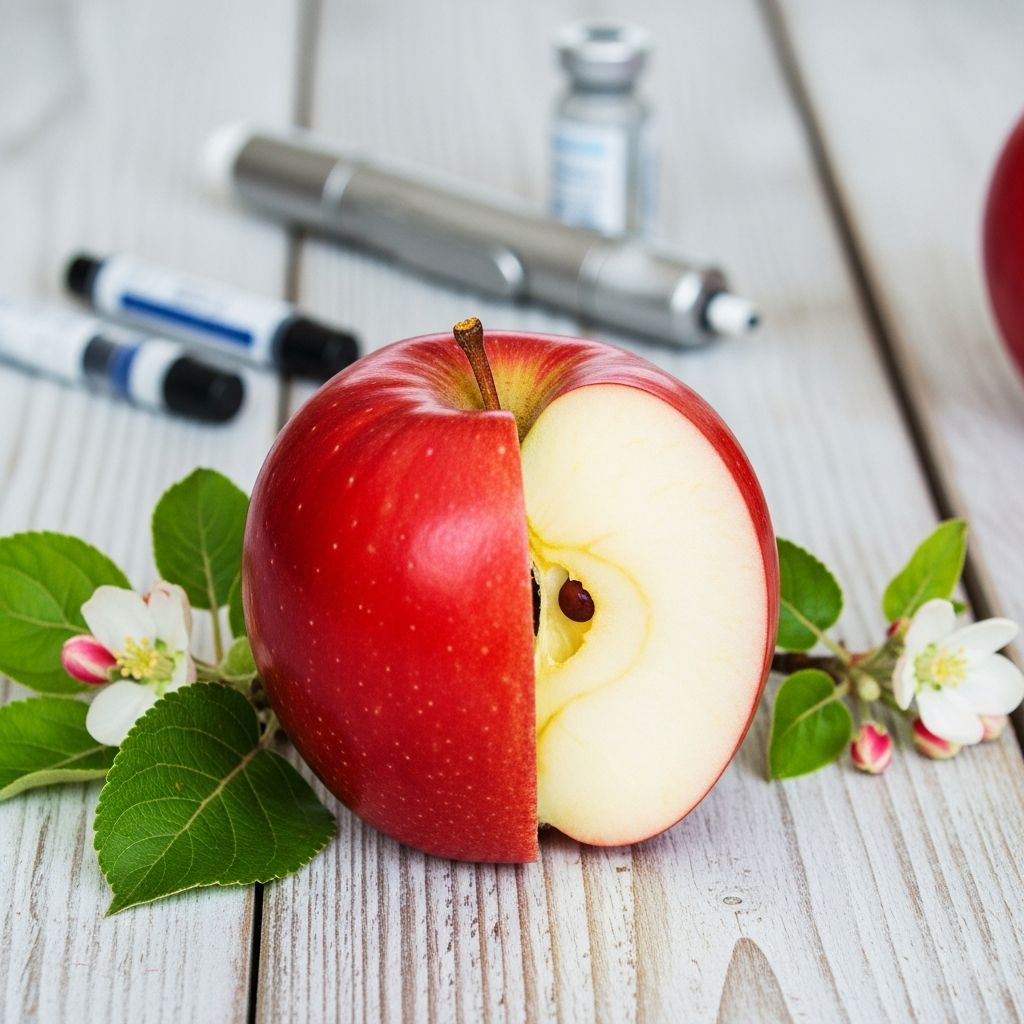
Apples are a staple fruit loved worldwide for their crisp texture, sweet-tart flavor, and versatility in meals and snacks. But for the millions managing diabetes, a key question arises: Are apples safe for diabetes? The short answer is yes—when eaten mindfully. Whole apples offer fiber, antioxidants, and nutrients that support blood sugar control without causing sharp spikes, unlike processed sugars or juices.
This comprehensive guide dives into the science behind apples and diabetes, their nutritional profile, effects on blood glucose and insulin, potential risk reductions, practical eating tips, delicious recipes, and answers to common questions. Whether you have type 1, type 2 diabetes, or prediabetes, apples can be a smart addition to your diet.
What Are the Nutrition Facts for Apples?
Apples pack impressive nutrition in a low-calorie package. A medium apple (about 182g) provides approximately 95-104 calories, 25-27g of carbohydrates (including 4.4-4.8g fiber), and essential vitamins like 9mg vitamin C—nearly 10-15% of the daily value. Their water content (85%) makes them hydrating and filling, aiding weight management crucial for diabetes control.
- Fiber powerhouse: Soluble fiber like pectin slows carb digestion, stabilizing blood sugar.
- Antioxidants: Polyphenols (e.g., quercetin, catechins, procyanidins) in the skin combat oxidative stress linked to diabetes complications.
- Low energy density: High water and fiber mean you feel full with fewer calories.
Eating the skin maximizes benefits, as it holds most antioxidants and fiber. Washing thoroughly preserves this nutrient boost.
Apples and Blood Sugar: What Does the Research Say?
Carbs are diabetes’s primary concern, as they convert to glucose. A medium apple has 25-27g carbs, but not all impact blood sugar equally. Apples’ sugar is mostly fructose, which has minimal direct effect on glucose levels when paired with fiber.
Glycemic Index (GI) and Glycemic Load (GL): Apples score low: GI around 36-40 (low), GL 4-6 (low). This means minimal blood sugar rise compared to high-GI foods like white bread (GI 70+). Fiber delays sugar absorption, preventing spikes. Polyphenols further inhibit carb digestion enzymes.
Studies confirm this: In one trial with impaired glucose tolerance individuals, eating an apple before rice lowered post-meal blood glucose peaks by up to 74 mg/dL at 45-60 minutes, extending glucose peak time (Tmax) due to pectin and polyphenols. For healthy people, effects were milder but still beneficial.
| Food | Glycemic Index | Glycemic Load (per serving) | Blood Sugar Impact |
|---|---|---|---|
| Apple (medium) | 36-40 | 4-6 | Low, gradual rise |
| Apple Juice (8 oz) | 40-50 | 10-12 | Moderate spike, no fiber |
| White Bread (1 slice) | 70-75 | 10 | High spike |
Bottom line: Whole apples moderately affect blood sugar—far better than juices or sweets.
Can Apples Help Reduce Insulin Resistance?
Insulin resistance, hallmark of type 2 diabetes, impairs cells’ glucose uptake. Apples’ polyphenols, concentrated in the skin, improve insulin sensitivity. They stimulate pancreatic insulin release and enhance cellular sugar absorption.
Related Stories



Regular consumption may lower resistance, stabilizing blood sugar. Fiber aids by slowing glucose entry, reducing insulin demand. A study linked apple polyphenols to better insulin function, potentially aiding type 2 management.
For type 1 diabetes (insulin deficiency), apples’ low GI supports steady control without excess insulin needs.
Are Antioxidants in Apples Linked to a Lower Risk of Type 2 Diabetes?
Antioxidants neutralize free radicals, reducing inflammation and diabetes risk. Apples are rich in quercetin, catechins, and procyanidins, protecting against oxidative damage.
Observational data shows promise: Women eating apples daily had 28% lower type 2 diabetes risk. A meta-analysis found apples/pears linked to 18% reduced risk, with one weekly serving cutting it by 3%. Apple-first meal ordering blunted glucose excursions in prediabetes.
These associations need more RCTs, but evidence supports apples’ protective role.
5 Tips for Eating Apples with Diabetes
Apples fit diabetes diets, but strategy matters. Guidelines from the American Diabetes Association endorse fruits for their nutrients.
- Eat whole apples: Skin on for max fiber/antioxidants. Avoid peeling.
- Skip apple juice: Lacks fiber, causes faster spikes; use for hypoglycemia rescue.
- Watch portions: One medium apple (25-27g carbs) per serving; pair with protein/nuts.
- Time intake: Eat before meals to blunt post-meal glucose, per research.
- Pair smartly: With peanut butter, cheese, or yogurt for balanced glycemic response.
Spread fruit intake daily for stable sugars.
3 Diabetes-Friendly Apple Recipes
Baked Cinnamon Apples
Prep: 5 min | Cook: 20 min | Serves: 2 | Carbs: ~20g/serving
- 2 medium apples, cored/sliced
- 1 tsp cinnamon
- 1 tbsp chopped walnuts
- Optional: 1 tsp unsweetened applesauce
Bake at 375°F for 20 min. Fiber and cinnamon stabilize glucose.
Apple Peanut Butter Packs
No-cook snack | Carbs: ~22g
Slice 1 apple; top with 1 tbsp natural peanut butter and chia seeds. Protein/fat slows digestion.
Apple Spinach Salad
Serves: 4 | Carbs: ~15g/serving
- 2 apples, diced
- 4 cups spinach
- 1/4 cup feta, 2 tbsp vinaigrette
Toss; low-GL meal supports control.
Frequently Asked Questions (FAQs)
Can people with diabetes eat apples every day?
Yes, one medium apple daily is safe and beneficial due to low GI and fiber, but monitor blood sugar and fit into carb totals.
Is apple juice okay for diabetics?
No for routine use—fiber-free, it spikes sugar faster. Reserve for low blood sugar treatment.
Which apple type is best for blood sugar control?
All varieties work; tart ones like Granny Smith may have slightly lower sugar. Eat with skin.
Do cooked apples affect blood sugar differently?
Cooking softens fiber slightly but retains low GI if no added sugar. Baking is ideal.
How many carbs in an apple?
25-27g total, 4-5g fiber (net ~20-22g) per medium apple.
References
- Do Apples Affect Diabetes and Blood Sugar Levels? — Healthline. 2023-10-15. https://www.healthline.com/nutrition/apples-and-diabetes
- Do apples affect diabetes and blood glucose? — Vinmec International Hospital. 2023-05-20. https://www.vinmec.com/eng/blog/do-apples-affect-diabetes-and-blood-sugar-en
- An Apple A Day: 10 Health Benefits of Apples — Campbell County Health. 2023-12-01. https://www.cchwyo.org/news/2023/december/an-apple-a-day-10-health-benefits-of-apples/
- Effect of Apple Consumption on Postprandial Blood Glucose Levels — National Center for Biotechnology Information (PMC). 2022-06-15. https://pmc.ncbi.nlm.nih.gov/articles/PMC9223382/
Similar Articles








Read full bio of medha deb