Apraclonidine Eye Drops (Iopidine): Uses, Dosage & Side Effects
Complete guide to Iopidine eye drops: dosage, side effects, and treatment for glaucoma.
What Is Apraclonidine (Iopidine)?
Apraclonidine hydrochloride, marketed under the brand name Iopidine, is a prescription eye drop medication belonging to a class of medicines known as alpha-adrenergic agonists. This medication is specifically designed to lower elevated pressure within the eyes and is commonly used as an adjunctive therapy for patients with glaucoma who require additional pressure control beyond their current treatment regimen.
The 0.5% formulation of Iopidine eye drops is primarily prescribed for patients who need extra assistance in controlling intraocular pressure (IOP) to delay the necessity for laser treatment or surgical intervention. The medication works by reducing the amount of fluid (aqueous humor) produced within the eye, thereby helping to maintain healthy eye pressure levels and prevent optic nerve damage associated with glaucoma.
How Does Apraclonidine Work?
Apraclonidine functions as an aqueous-suppressing drug, which means it reduces the production of fluid within the eye. The medication’s mechanism of action may provide additional intraocular pressure reductions even in patients already receiving maximally tolerated medical therapy with other glaucoma medications.
The onset of action for apraclonidine typically occurs within one hour of administration, with the maximum pressure reduction occurring approximately three to five hours after a single dose. This relatively quick action makes it particularly useful for patients who require rapid IOP control. Clinical studies have demonstrated that the 0.5% concentration of apraclonidine represents the optimal point on the dose-response curve for IOP reduction.
Uses and Indications
Apraclonidine eye drops have several important clinical applications in ophthalmology:
- Short-term glaucoma treatment: The 0.5% formulation is indicated for short-term adjunctive therapy in patients with glaucoma who are not adequately controlled on other medications.
- Preoperative and postoperative use: The 1% formulation is used just before and after certain types of laser eye surgery, including argon laser trabeculoplasty, argon laser iridotomy, and Nd:YAG laser posterior capsulotomy.
- Surgical delay: Patients on maximally tolerated medical therapy who are scheduled for laser trabeculoplasty or trabeculectomy may benefit from apraclonidine to optimize IOP control prior to surgery.
- Ocular hypertension prevention: The 1% drops specifically control or prevent rises in eye pressure that occur after certain laser surgical procedures.
Dosage and Administration
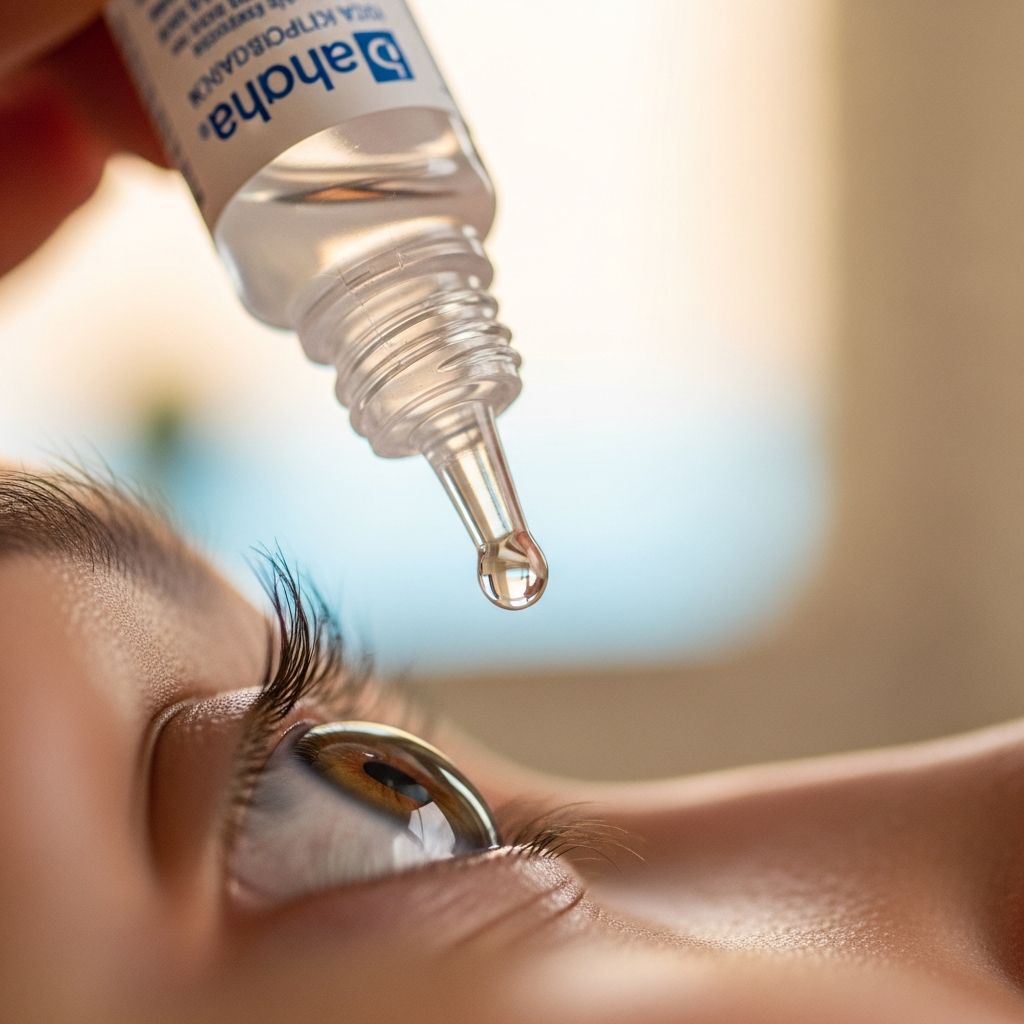
Proper administration of apraclonidine eye drops is essential for achieving optimal therapeutic benefits. The standard dosage for the 0.5% formulation is one to two drops instilled in the affected eye(s) three times daily.
To properly administer the drops, patients should follow these steps:
- Gently press on the base of the bottle to release one drop into your eye
- Close your eye for one to two minutes and press gently on the side of your nose where the corner of your eye meets your nose (this is called punctal occlusion)
- This technique helps prevent the drop from draining away and keeps the medication in your eye longer
- Repeat the process in your other eye if prescribed for both eyes
- Replace the cap securely after use
Related Stories



It is important to note that the therapeutic benefit from apraclonidine typically lasts for up to approximately one month, although this duration can vary significantly from person to person. The medication’s effectiveness may diminish over time in some patients, which is an important consideration when planning long-term treatment strategies.
Important Safety Information Before Starting Treatment
Before beginning treatment with apraclonidine eye drops, patients should inform their healthcare provider if they have any of the following conditions or circumstances:
- Hypersensitivity or allergic reactions to apraclonidine or any component of the formulation
- Depressive illness or a history of depression
- High blood pressure (hypertension)
- Parkinson’s disease
- Raynaud’s syndrome
- Coronary insufficiency or recent myocardial infarction
- Pregnancy or breastfeeding
- Liver or kidney function problems
- Previous allergic reactions to any medications
- Current use of other medications, including over-the-counter and herbal remedies
Additionally, patients should avoid wearing soft contact lenses unless specifically advised otherwise by their doctor, as the preservatives contained in most eye drop bottles can affect certain soft contact lens materials.
Potential Side Effects and Adverse Reactions
Like all medications, apraclonidine can cause side effects. Patients should be aware of both common and more serious adverse reactions.
Common Side Effects
Many patients experience mild side effects that often improve with continued use:
| Side Effect | Description | Recommended Action |
|---|---|---|
| Eye irritation and redness | Dryness, irritation, or redness of the eyes | Speak with your doctor if this continues or becomes troublesome |
| Blurred vision | Temporary blurring when drops are first instilled | Wait for vision to clear before driving or operating machinery |
| Eye watering | Increased tearing when drops are administered | This typically clears quickly on its own |
| Fatigue or dizziness | Feeling tired or experiencing dizziness | Do not drive or use tools or machines while affected |
| Headache | Head pain or discomfort | Ask pharmacist for pain relief; consult doctor if persistent |
| Unusual taste | Altered taste sensation | Speak with doctor if becomes troublesome |
| Dry mouth | Reduced salivation | Speak with doctor if becomes troublesome |
| Nasal symptoms | Runny or blocked nose | Speak with doctor if becomes troublesome |
Allergic Reactions
Allergic-like reactions to apraclonidine are relatively common and may be characterized by various ocular symptoms including hyperemia (redness), pruritus (itching), discomfort, tearing, foreign body sensation, and edema (swelling) of the lids and conjunctiva. In clinical trials, approximately 14.3% of patients treated with Iopidine 0.5% were discontinued due to adverse events, primarily consisting of allergic-like reactions.
If ocular allergic-like symptoms occur, therapy with Iopidine should be discontinued immediately. Patients who notice a rash around their eyes, or any swelling or itching, should stop using the drops and contact a doctor or pharmacist for advice.
Systemic Side Effects
Apraclonidine can cause systemic (whole-body) side effects due to its alpha-adrenergic agonist properties. These may include:
- Dizziness and somnolence (drowsiness)
- Reduction in pulse rate and blood pressure
- Depression (infrequently associated)
- Potential effects on mental alertness
Patients who engage in hazardous activities requiring mental alertness should be warned of the potential for decreased mental alertness while using apraclonidine and should be advised not to drive or operate machinery.
Drug Interactions and Precautions
Apraclonidine may interact with certain medications due to its systemic effects. Caution is advised when using apraclonidine concurrently with:
- Beta-blockers (both ophthalmic and systemic formulations)
- Antihypertensive medications
- Cardiac glycosides
These interactions are important because apraclonidine may reduce pulse and blood pressure, potentially leading to additive effects when combined with other medications that have similar cardiovascular effects.
Patients using apraclonidine should be closely monitored for any exaggerated reduction in intraocular pressure, particularly if they develop an unusually significant drop in eye pressure. Additionally, since apraclonidine has been infrequently associated with depression, patients with a history of depressive illness should be observed carefully during treatment.
Limitations and Considerations
While apraclonidine is a valuable therapeutic option, healthcare providers and patients should be aware of important limitations:
- Loss of efficacy over time: The IOP-lowering efficacy of apraclonidine diminishes over time in some patients, with the benefit typically lasting up to one month.
- Not for maximum therapy: Apraclonidine should not be used as a third aqueous suppressant in patients already on maximally tolerated medical therapy, as the addition of this agent may not significantly reduce IOP in such cases.
- Short-term use: The medication is primarily indicated for short-term use, particularly for patients waiting for laser treatment or surgery.
- Unpredictable response: An unpredictable decrease of IOP control in some patients, along with the incidence of ocular allergic responses and systemic side effects, may limit the utility of apraclonidine.
Getting the Most from Your Treatment
To maximize the benefits of apraclonidine therapy, patients should:
- Read the manufacturer’s printed information leaflet that comes with the medication before starting treatment
- Use exactly one drop into the affected eye(s) three times each day as prescribed
- Maintain regular appointments with their doctor and eye clinic so that progress can be monitored
- Report any vision changes or concerning symptoms to their healthcare provider immediately
- Understand that the therapeutic benefit usually lasts up to one month, and their doctor may discuss alternatives or adjustments after this period
- Not wear soft contact lenses unless specifically approved by their doctor
- Avoid touching the dropper tip to any surface to prevent contamination of the medication
If blurred vision or eye watering occurs after instillation, patients should wait for their vision to clear completely before driving or using tools or machines.
Long-term Use Considerations
Long-term use of preserved eye drops, including apraclonidine, may lead to eye irritation and symptoms of dry eyes. If a patient’s eyes or eyelids become red or inflamed after using the drops, they should contact their doctor for advice. This is particularly important because ocular surface disease can develop with prolonged use of preserved medications.
For glaucoma patients on maximally tolerated medical therapy who are being treated with Iopidine to delay surgery, visual field monitoring should be performed periodically to assess the effectiveness of treatment and ensure that progressive optic nerve damage is not occurring.
Frequently Asked Questions (FAQs)
Q: How quickly does apraclonidine work?
A: The onset of action of apraclonidine typically occurs within one hour, with maximum intraocular pressure reduction occurring approximately three to five hours after administration of a single dose.
Q: How long can I use apraclonidine eye drops?
A: Apraclonidine is primarily indicated for short-term use. The therapeutic benefit typically lasts up to one month, although this duration varies from person to person. Your doctor will determine the appropriate duration of treatment based on your individual needs.
Q: Can I wear contact lenses while using apraclonidine?
A: You should not wear soft contact lenses unless your doctor specifically advises otherwise, as the preservatives in eye drop bottles can affect some soft contact lens materials.
Q: What should I do if I experience an allergic reaction?
A: If you notice a rash around your eyes, swelling, itching, or other signs of allergic reaction, stop using the drops immediately and contact your doctor or pharmacist for advice.
Q: Can apraclonidine be used as the only glaucoma medication?
A: No, apraclonidine is typically used as an adjunctive (additional) therapy for patients who require extra help controlling eye pressure beyond their current medications. It is not generally used as monotherapy for glaucoma management.
Q: What is the difference between the 0.5% and 1% formulations?
A: The 0.5% formulation is used for chronic glaucoma management as an adjunctive therapy, while the 1% formulation is specifically used before and after certain laser eye surgeries to prevent or control post-operative increases in eye pressure.
Q: Can I use apraclonidine if I have high blood pressure?
A: Inform your doctor if you have high blood pressure before starting apraclonidine, as the medication can affect blood pressure and may interact with antihypertensive medications. Your doctor will determine whether apraclonidine is appropriate for you.
Q: What should I do if I forget to instill a dose?
A: If you forget a dose, instill it as soon as you remember, unless it is almost time for your next scheduled dose. Never double the dose to make up for a missed application.
References
- Iopidine Eye Drops 0.5% Data Sheet — Medsafe (New Zealand Medicines and Medical Devices Safety Authority). 2024. https://www.medsafe.govt.nz/profs/datasheet/i/iopidineeyedrops.pdf
- Apraclonidine (ophthalmic route) — Description and Uses — Mayo Clinic. 2024. https://www.mayoclinic.org/drugs-supplements/apraclonidine-ophthalmic-route/description/drg-20062024
- Iopidine Eye Drops 0.5% Medicine Information — NPS MedicineWise (Australia). 2024. https://www.nps.org.au/medicine-finder/iopidine-eye-drops
- IOPIDINE 0.5% (apraclonidine ophthalmic solution) Prescribing Information — U.S. Food and Drug Administration. 2017. https://www.accessdata.fda.gov/drugsatfda_docs/label/2017/020258s026lbl.pdf
- Apraclonidine Eye Drops (Iopidine) — Patient Information — Patient.info. 2024. https://patient.info/medicine/apraclonidine-eye-drops-iopidine
- Apraclonidine Ophthalmic Information and Dosage — MedlinePlus, U.S. National Library of Medicine. 2024. https://medlineplus.gov/druginfo/meds/a608005.html
- IOPIDINE Eye Drops Product Information — Irish Health Products Regulatory Authority (HPRA). 2024. https://assets.hpra.ie/products/Human/13175/7f44e0c0-fbf8-4d51-9b2f-12c09171b22e.pdf
Similar Articles








Read full bio of medha deb