Aquagenic Pruritus: Causes, Diagnosis, And Treatment Guide
Severe itching triggered by water contact: causes, symptoms, diagnosis, and management strategies for this rare skin condition.
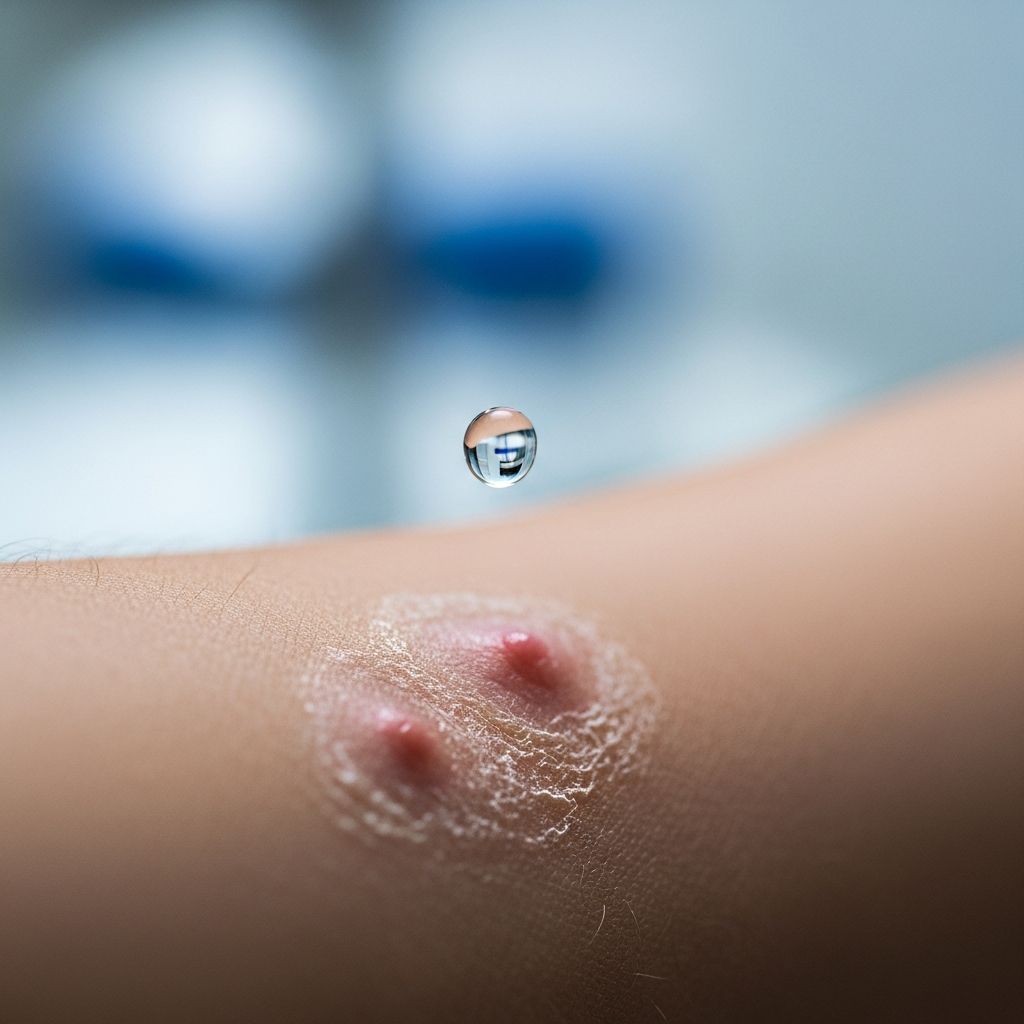
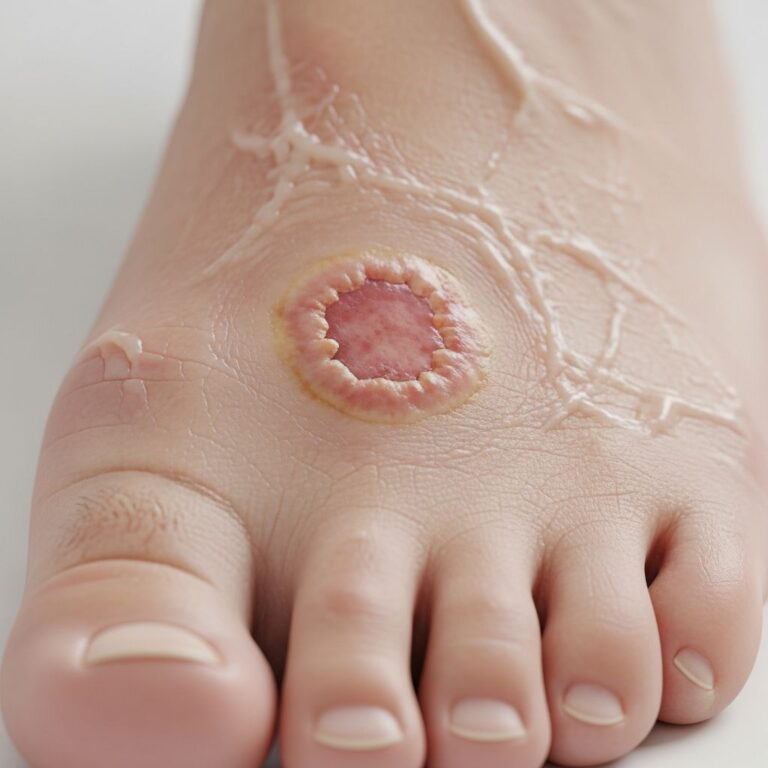
Aquagenic pruritus is a rare and distressing dermatological condition characterized by a severe prickling-like sensation or intense itch triggered exclusively by contact with water, regardless of its temperature or type. This includes tap water, seawater, rainwater, bathwater, or even sweat. Unlike other forms of urticaria, it occurs without visible skin changes such as hives or wheals, distinguishing it as a form of inducible pruritus.
What is aquagenic pruritus?
Aquagenic pruritus manifests as an immediate, profound itching or burning sensation upon water exposure, often described by patients as a ‘prickling’ or ‘stinging’ feeling that can last from 10 minutes to 2 hours. The sensation typically begins within minutes of contact and affects areas like the arms, legs, chest, and back most commonly. It impacts quality of life significantly, making routine activities such as showering, bathing, or swimming profoundly uncomfortable. First described in medical literature in the 1930s, it remains poorly understood, with prevalence unknown due to its rarity, though it predominantly affects women aged 20-40 years.
The condition can be idiopathic (occurring without an identifiable cause) or secondary to underlying systemic diseases. Importantly, it serves as a potential early warning sign for polycythaemia vera or other myeloproliferative disorders, where symptoms may precede blood abnormalities by several years. Regular haematological monitoring is thus essential for long-term management.
Who gets aquagenic pruritus?
Aquagenic pruritus is uncommon, with no precise epidemiological data available. It is more frequently reported in young to middle-aged adults, particularly females, though cases in children and the elderly exist. Familial clustering has been noted in some instances, suggesting a possible genetic predisposition. Risk factors include:
- Association with haematological malignancies like polycythaemia vera, essential thrombocythaemia, or lymphoma.
- Medications such as bupropion (an antidepressant) or certain chemotherapy agents.
- Liver disease, hypothyroidism, or psychiatric conditions in rare cases.
- No clear link to atopy or other allergic disorders, unlike aquagenic urticaria.
In secondary cases, addressing the underlying condition often alleviates symptoms. For idiopathic forms, the condition may persist lifelong, fluctuating in severity.
Causes
The exact pathophysiology of aquagenic pruritus remains elusive, but several mechanisms have been proposed based on clinical observations and limited studies. Key theories include:
- Acetylcholine release: Water contact may stimulate local cholinergic fibres in the skin, leading to mast cell degranulation and histamine release without visible wheal formation.
- Fibrinolytic activity: Increased cutaneous fibrinolysis before and after water exposure could contribute to the neural irritation.
- Neurological hypersensitivity: Abnormal activation of itch-specific C-fibres or involvement of substance P and other neuropeptides.
- Secondary causes: In up to 40% of cases, it links to polycythaemia vera, where elevated haematocrit or platelet abnormalities heighten skin sensitivity. Other associations include hepatitis C, multiple myeloma, and psychiatric stressors exacerbating symptoms.
Unlike aquagenic urticaria, which involves histamine-mediated hives, aquagenic pruritus lacks macroscopic changes, pointing to a non-histaminergic pathway predominantly.
Clinical features
The hallmark of aquagenic pruritus is its reproducibility: symptoms invariably occur 1-5 minutes after water contact and resolve spontaneously within 30-120 minutes. Key clinical characteristics include:
- Severe pruritus described as prickling, stinging, burning, or ‘crawling ants’ sensation.
- No visible eruption: skin appears normal macroscopically and microscopically during attacks.
- Triggers: Any water type/temperature; sweat alone can provoke episodes.
- Common sites: Upper trunk, arms, thighs; less often face or palms.
- Associated symptoms: Headache, fatigue, or emotional distress in chronic cases.
Patients often avoid bathing, leading to hygiene challenges and secondary skin issues. Emotional impact is profound, with reports of anxiety, depression, and social withdrawal.
Related Stories



Complications
While not life-threatening, aquagenic pruritus leads to significant morbidity:
- Psychological burden: Chronic itch disrupts sleep, daily routines, and mental health, increasing risks of depression and anxiety.
- Undiagnosed malignancy: Delayed recognition of associated blood disorders can postpone critical interventions.
- Skin damage: Excoriations from scratching may cause secondary infections or lichenification.
- Impaired quality of life: Avoidance of water-based activities affects exercise, work, and recreation.
Long-term, persistent cases require multidisciplinary care involving dermatologists, haematologists, and psychologists.
Diagnosis
Diagnosis is clinical, relying on history and provocation testing. No specific biomarker exists. Steps include:
- Detailed history: Timing, triggers, family history, systemic symptoms.
- Water challenge test: Apply 22°C water-soaked cloth to upper arm/thigh for 30 minutes; positive if pruritus develops without hives.
- Exclusion of differentials via physical exam and labs.
Baseline investigations: Full blood count, liver/renal function, erythropoietin levels, JAK2 mutation testing for polycythaemia suspicion. Skin biopsy is usually normal and not diagnostic.
Differential diagnoses
| Condition | Key Distinguishing Features |
|---|---|
| Aquagenic urticaria | Visible hives/wheals post-water; histamine-mediated; younger patients. |
| Polycythaemia vera pruritus | Itch after warm baths; erythromelalgia; abnormal bloods. |
| Cholinergic urticaria | Triggered by heat/sweat/exercise; small punctate hives. |
| Senile pruritus | Generalized dry skin itch in elderly; no water trigger. |
| Notalgia paraesthetica | Localized back itch; sensory neuropathy. |
Other considerations: Mastocytosis, neuropathic itch, drug reactions.
Treatment
No curative therapy exists; management is symptomatic and tailored. First-line approaches:
- Antihistamines: H1 (cetirizine, loratadine) ± H2 blockers; limited efficacy but low-risk trial.
- Phototherapy: Narrowband UVB or PUVA; desensitizes skin in 50-70% of cases; 2-3 sessions/week initially.
- Topical agents: Capsaicin cream (desensitizes nerves; initial burning common); barrier creams (petroleum jelly pre-exposure).
Second-line options:
- Oral agents: SSRIs (fluoxetine, paroxetine), gabapentin, naltrexone, or aspirin for neurotransmitter modulation.
- Bath additives: Sodium bicarbonate to alter pH; colloidal oatmeal.
- Lifestyle: Lukewarm/short showers, pat-dry, immediate emollients; avoid triggers.
For underlying disease: Target specific therapy (e.g., phlebotomy for polycythemia). Psychological support is crucial.
Outcome
Prognosis varies: Idiopathic cases often persist chronically with waxing/waning severity. Secondary forms improve with underlying treatment. Early detection of malignancies improves survival. Ongoing haematology surveillance is recommended annually. Multidisciplinary management enhances control, though complete resolution is rare. Patient education on coping strategies fosters resilience.
Frequently Asked Questions
What triggers aquagenic pruritus?
Any water contact, including sweat, at any temperature triggers the intense itch.
Is aquagenic pruritus dangerous?
Not directly, but it signals potential blood disorders requiring monitoring.
Can antihistamines cure it?
No, they provide partial relief; phototherapy or other agents often needed.
How is it diagnosed?
Via history and water challenge test; no rash present.
What daily tips help manage symptoms?
Use lukewarm water briefly, apply barriers pre-shower, moisturize immediately after.
References
- Aquagenic Pruritus — DermNet NZ. 2023. https://dermnetnz.org/topics/aquagenic-pruritus
- Aquagenic Pruritus: Causes, Symptoms & Treatment — Cleveland Clinic. 2023-10-04. https://my.clevelandclinic.org/health/diseases/22516-aquagenic-pruritus
- AQUAGENIC PRURITUS: BENEATH WATER “LIES” — PMC/NIH. 2011-09-30. https://pmc.ncbi.nlm.nih.gov/articles/PMC3179019/
- Aquagenic pruritus: why does it itch after a shower? — Ducray. 2023. https://www.ducray.com/en/itching-sensations/causes/aquagenic-pruritus
- Aquagenic Pruritus: When water triggers itching in sensitive skin — Prospera Biotech. 2023. https://www.prosperabiotech.com/en/blog/acuagenic-pruritus-itching/
- Pruritus (itch) – without a rash — Primary Care Dermatology Society (PCDS). 2023. https://www.pcds.org.uk/clinical-guidance/pruritus-without-a-rash
Similar Articles








Read full bio of Sneha Tete