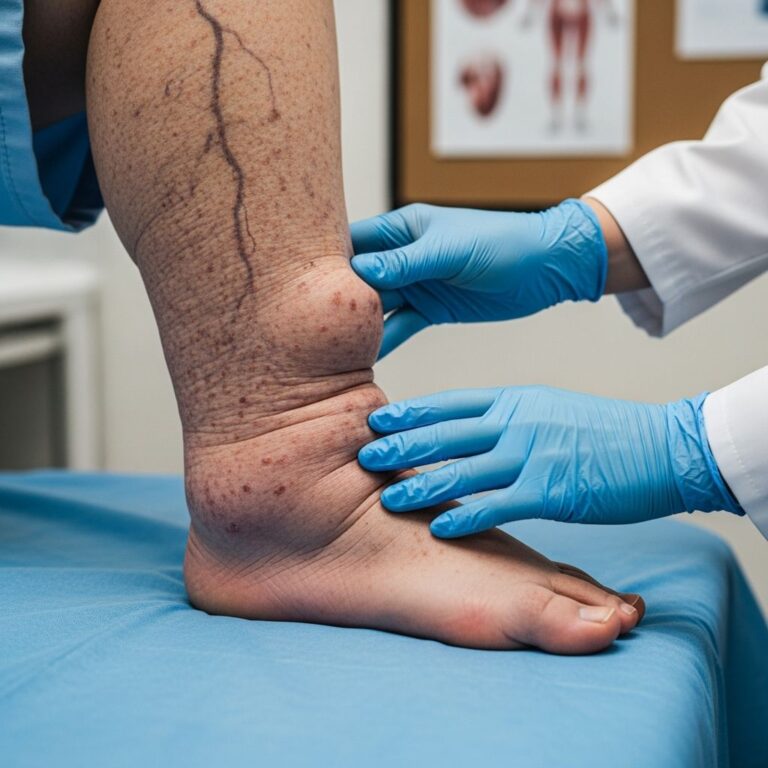
Aqueous Cream: 5 Benefits, Uses, And Safety Tips
Discover how aqueous cream hydrates dry skin, eases eczema, and serves as a gentle soap alternative for everyday relief.
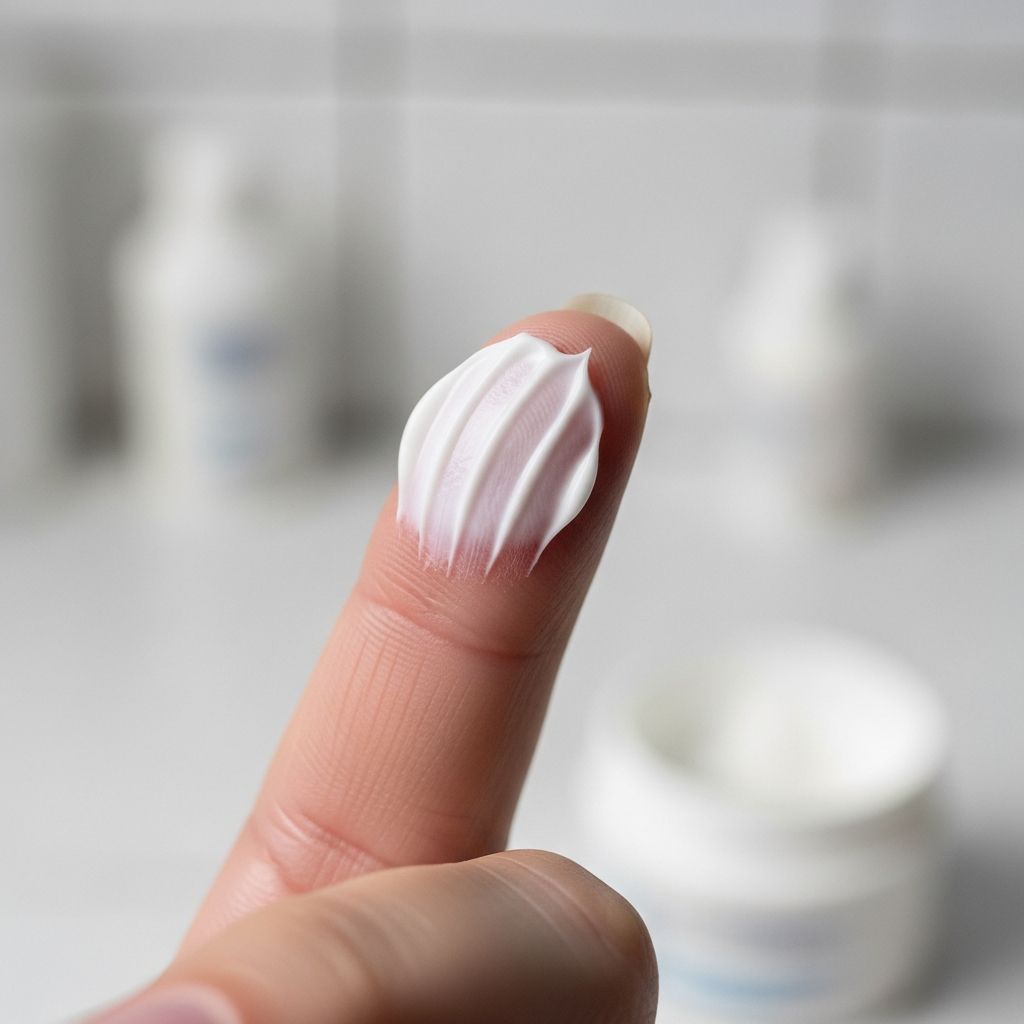
Aqueous cream stands out as a lightweight, effective emollient designed primarily to combat dryness in conditions like eczema and dermatitis. This water-based formula provides essential hydration without the greasiness of heavier ointments, making it suitable for daily use on sensitive areas.
Understanding the Basics of Aqueous Cream
At its core, aqueous cream is an emulsion of oil and water, stabilized by emulsifying agents. It functions by locking in moisture, creating a barrier that prevents evaporation from the skin’s surface. Unlike traditional soaps that strip natural oils, this cream gently cleanses while preserving the skin’s lipid balance.
Developed for those with compromised skin barriers, it addresses the root of many dermatological issues: insufficient moisture retention. Regular application helps restore suppleness, reducing itchiness and flaking associated with chronic dryness.
Primary Applications in Skincare
Aqueous cream excels in managing a range of skin concerns. Here’s how it fits into common routines:
- Eczema and Atopic Dermatitis: Soothes inflamed, itchy patches by replenishing the skin’s moisture barrier.
- Psoriasis: Alleviates scaling and roughness, promoting smoother texture over time.
- Post-Radiation Care: Hydrates and protects irradiated skin, minimizing fibrosis and long-term scarring.
- General Dryness: Ideal for environmental dryness or age-related skin changes.
In clinical settings, it’s often paired with topical steroids to enhance absorption and reduce flare-ups, acting as an adjuvant therapy.
How Aqueous Cream Works on Your Skin
The mechanism is straightforward yet powerful. Upon application, the cream’s water content hydrates the stratum corneum—the outermost skin layer—while oils like liquid paraffin form an occlusive layer. This duo prevents transepidermal water loss (TEWL), a key factor in dry skin pathology.
Additionally, when used as a wash, it emulsifies dirt and sebum without disrupting the skin’s pH or microbiome, unlike alkaline soaps. Studies highlight its role in flare prevention, with emollients like this showing superior results in maintaining remission compared to untreated skin.
Ingredients Breakdown
Standard formulations include:
| Ingredient | Function |
|---|---|
| Emulsifying Wax | Stabilizes the oil-water mixture for smooth texture. |
| Liquid Paraffin | Occlusive agent that seals in moisture. |
| White Soft Paraffin | Provides emollient properties for softness. |
| Purified Water | Base for hydration delivery. |
| Sodium Lauryl Sulfate (SLS) | Emulsifier; note potential irritant in some users. |
Fragrance-free versions minimize allergy risks, making it baby-safe when dermatologist-approved.
Step-by-Step Application Guide
To maximize benefits:
- Prepare Skin: Gently pat dry after bathing while skin is damp.
- Apply Liberally: Use a thick layer on affected areas, massaging until absorbed.
- Frequency: 2-3 times daily or as needed; more for severe dryness.
- As Soap Substitute: Lather with warm water, rinse lightly, pat dry.
- Combine Therapies: Apply 30 minutes after medicated creams.
For best results, incorporate into a consistent routine, especially in low-humidity environments.
Benefits Beyond Basic Moisturizing
Users report multifaceted advantages:
- Hydration Boost: Deeply penetrates to combat peeling and tightness.
- Barrier Protection: Shields against irritants, bacteria, and UV damage.
- Inflammation Reduction: Calms redness and swelling for faster healing.
- Fibrosis Prevention: Maintains elasticity post-radiation, reducing scarring risk.
- Versatility: Non-comedogenic, suitable for face, body, and sensitive zones.
Related Stories



Long-term use supports skin resilience, potentially lowering recurrence rates in eczema patients.
Potential Drawbacks and Precautions
While generally safe, considerations include:
- Irritation Risk: SLS may cause stinging in broken skin; opt for SLS-free alternatives if sensitive.
- Not Sterile: Avoid on open wounds to prevent infection.
- Allergy Check: Patch test new products.
- Storage: Keep at room temperature; discard if separation occurs.
The UK MHRA notes updated labeling for irritation warnings, yet affirms its utility for most. Consult professionals for children or pregnancy.
Comparing Aqueous Cream to Other Emollients
| Type | Texture | Best For | Absorption |
|---|---|---|---|
| Aqueous Cream | Light, non-greasy | Eczema, daily use | Fast |
| Ointments (e.g., Petrolatum) | Thick, occlusive | Severe dryness | Slow |
| Lotions | Fluid | Hairy areas | Medium |
| Gels | Clear, alcohol-based | Oily skin | Very fast |
Aqueous cream balances hydration and comfort, outperforming heavier options for frequent application.
Aqueous Cream in Clinical Practice
Healthcare providers recommend it for its affordability and efficacy. In radiation therapy, 6-month use post-treatment significantly aids recovery by preventing fibrosis and maintaining flexibility. For atopic dermatitis, it complements topical corticosteroids, improving adherence via pleasant texture.
Patient outcomes show reduced DLQI scores, indicating better quality of life with consistent use.
Tips for Optimal Results
- Pair with humidifiers in dry climates.
- Avoid hot showers to preserve skin oils.
- Monitor for changes; adjust with medical advice.
- Choose BP-formulated products for purity.
Frequently Asked Questions (FAQs)
Can aqueous cream be used on the face?
Yes, its lightweight nature makes it ideal for facial application, especially for eczema-prone cheeks or forehead.
Is it safe for babies?
Suitable for infants under guidance; fragrance-free formulas reduce risks.
How long should I use it?
Continuously for chronic conditions; 6 months post-radiation recommended.
Does it expire?
Check packaging; typically 12-24 months unopened.
Can it replace prescription creams?
No, it supports but doesn’t substitute medicated treatments.
Choosing the Right Product
Look for BP-compliant, SLS-free if sensitive, and from reputable suppliers. Natural additives like aloe can enhance soothing without compromising efficacy.
In summary, aqueous cream’s simplicity belies its profound impact on skin health, offering reliable relief for diverse needs when used thoughtfully.
References
- Benefits of Using Aqueous Cream for 6 Months After Radiation Therapy — Dermavitality. 2023. https://dermavitality.com/blogs/wellness-blog/the-benefits-of-using-aqueous-cream-for-6-months-after-radiation-therapy
- Aqueous cream – Knowledge and References — Taylor & Francis. 2024. https://taylorandfrancis.com/knowledge/Medicine_and_healthcare/Dermatology/Aqueous_cream/
- Aqueous Moisturizing Cream BP for Dry Irritated Skin Conditions — Medical Dressings. 2025. https://medicaldressings.co.uk/aqueous-moisturizing-cream-bp-500g-for-dry-irritated-skin-conditions/
- Aqueous cream — Healthify.nz. 2024. https://healthify.nz/medicines-a-z/a/aqueous-cream
- Understanding Aqueous Cream: Benefits and Considerations — Oreata AI. 2024. https://www.oreateai.com/blog/understanding-aqueous-cream-benefits-and-considerations/75eed36c367861e626b369763f4c292a
- Aqueous cream: may cause skin irritation — GOV.UK. 2015-02-27. https://www.gov.uk/drug-safety-update/aqueous-cream-may-cause-skin-irritation
Similar Articles








Read full bio of medha deb