Arab American Heritage Month: Culture, Cuisine & Contributions
Celebrate Arab American Heritage Month in April: Explore rich traditions, authentic cuisine, and cultural contributions to America.
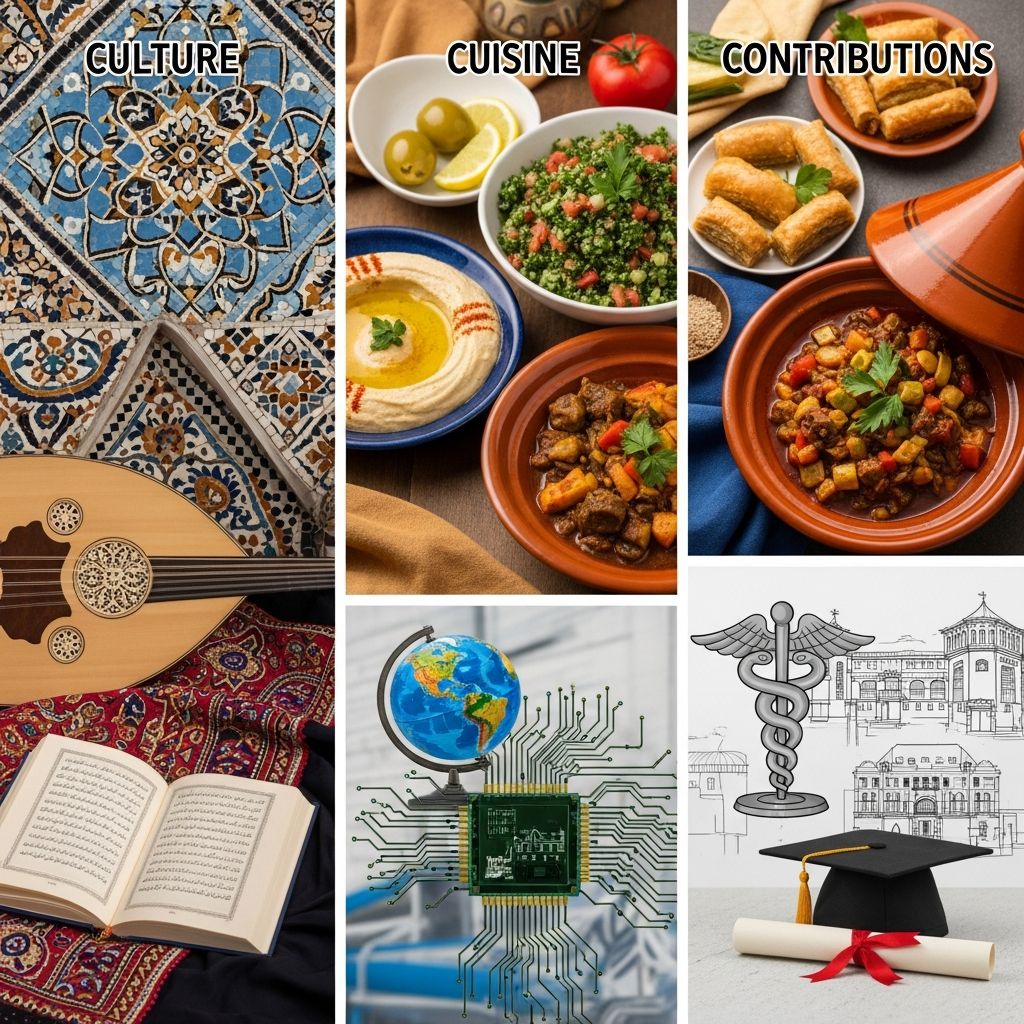
nn
April is National Arab American Heritage Month, a time to recognize Arab Americans’ culture, heritage, achievements, and contributions to the United States. This important observance celebrates the rich traditions and diverse backgrounds of approximately 3.7 million Americans of Arab descent who originate from 22 countries across the Arab world. The designation represents a significant milestone in acknowledging the vital role Arab Americans play in shaping American society.
nn
Understanding Arab American Heritage Month
nn
Arab American Heritage Month was officially launched in 2017 through the efforts of Arab America and the Arab America Foundation. The initiative began with support from only a handful of states but has since grown into a nationally recognized celebration. In 2019, House Representatives Debbie Dingell and Rashida Tlaib of Michigan introduced a congressional resolution to proclaim April as National Arab American Heritage Month. This legislative effort culminated in significant federal recognition when President Joe Biden officially acknowledged the month in 2021, becoming the first U.S. president to issue a proclamation designating April as Arab American Heritage Month.
nn
The choice of April as the designated month carries symbolic meaning. April marks the beginning of spring, representing growth, color, hope, and new beginnings—values that resonate with the Arab American experience and their contributions to American progress. Since President Biden’s initial recognition, the observance has expanded considerably, with proclamations for National Arab American Heritage Month issued by governors of 45 states and Congress, demonstrating widespread support for celebrating Arab American heritage across the nation.
nn
Historical Significance and Progress
nn
The path to federal recognition of Arab American Heritage Month reflects years of dedicated advocacy and grassroots organizing. Before the 2017 national initiative, Arab American heritage was celebrated sporadically in various states and school districts at different times throughout the year. The Arab America Foundation’s grassroots network of over 250 Arab American volunteers across 26 states has been instrumental in gathering hundreds of proclamations from states, counties, municipalities, and local school districts.
nn
As of 2025, several states have passed permanent legislation designating April as Arab American Heritage Month, including:
nn
- n
- Illinois
- Oregon
- Virginia
- Indiana
- California
n
n
n
n
n
nn
Similar legislation is pending in other states, indicating continued momentum toward broader official recognition of this important heritage month.
nn
The Diversity of Arab American Communities
nn
Arab Americans represent a diverse and multifaceted community encompassing various ethnicities, languages, and cultural traditions. The Arab American population includes individuals with heritage from 22 different countries, creating a rich tapestry of cultures within the broader Arab American identity. This diversity is reflected in different regional cuisines, linguistic variations, religious practices, and cultural celebrations that characterize different Arab American communities across the United States.
nn
Understanding this diversity is essential when celebrating Arab American Heritage Month. While there are common threads connecting Arab American communities, it is equally important to recognize and respect the unique contributions and traditions of distinct Arab American populations, whether they trace their heritage to the Levant, North Africa, the Gulf region, or other Arab-majority countries.
Related Stories



nn
Arab American Contributions to American Society
nn
Arab Americans have advanced the nation’s achievements across multiple sectors, including diplomacy, science, technology, arts, and culture. Many prominent Arab Americans have made significant contributions to American business, academia, entertainment, politics, and public service. These achievements demonstrate the integral role Arab Americans play in the broader American success story and underscore the importance of recognizing their heritage and contributions during Arab American Heritage Month.
nn
The celebration of Arab American Heritage Month serves an additional important function: combatting post-9/11 anti-Arab sentiments and acknowledging the social difficulties that Arab Americans face in their communities. By celebrating Arab American heritage and contributions, the nation affirms the value and belonging of Arab Americans within the broader American community.
nn
Culinary Traditions: The Heart of Arab American Culture
nn
One of the most enjoyable and accessible ways to celebrate Arab American Heritage Month is through exploring and experiencing authentic Arab cuisine. Food serves as a bridge between cultures, and Arab American culinary traditions offer a delicious entry point into understanding Arab heritage and values. The foods enjoyed during Arab American Heritage Month reflect centuries of tradition, regional variation, and family recipes passed down through generations.
nn
Popular Arab Dishes
nn
Depending on the country of origin, popular Arab dishes vary widely and showcase the regional diversity of Arab cuisines. Common beloved dishes include:
nn
- n
- Stuffed grape leaves – Grape leaves rolled with rice, meat, and spices
- Mahshee – Stuffed zucchini and eggplant with rice and meat filling
- Freekeh with lamb meat – Roasted green wheat paired with tender lamb
- Kabseh or Mansaf – Fragrant rice dishes served with meat and traditional yogurt-based sauce
- Kibbeh – Fried bulgur and meat balls with a crispy exterior and tender center
- Grilled kabob – Seasoned meat grilled to perfection, often served with bread and vegetables
- Lamb tagine – Slow-cooked stew with tender lamb and aromatic spices
n
n
n
n
n
n
n
nn
These dishes represent just a selection of the diverse and flavorful offerings within Arab cuisine. Each dish tells a story of regional traditions and family heritage, making them perfect for celebrating Arab American culture during the month of April.
nn
Authentic Arab Desserts
nn
No exploration of Arab culinary traditions would be complete without discussing traditional desserts. Arab sweets are known for their rich flavors, delicate textures, and generous use of nuts and syrup. Traditional desserts include:
nn
- n
- Knaffe – Shredded phyllo dough with melted cheese, topped with sugary syrup
- Awwameh – Fried dough balls soaked in sweet syrup, often flavored with rose water or orange blossom
- Baklava – Layers of delicate phyllo dough with walnuts, pistachios, or other nuts, finished with a light honey or sugar syrup
n
n
n
nn
These desserts exemplify the craftsmanship and attention to detail that characterize Arab culinary traditions. They are often enjoyed during celebrations, family gatherings, and special occasions, making them particularly appropriate for celebrating Arab American Heritage Month.
nn
Traditional Beverages
nn
No meal is complete without traditional Arab beverages. Arabic coffee, also known as Turkish coffee, serves as a symbol of hospitality and community in Arab culture. This finely ground, strongly brewed coffee is often prepared in a special pot called a dallah and served in small cups, frequently accompanied by conversation and connection. Traditional Arab tea, often infused with mint or other herbs, provides a refreshing complement to meals and is central to social gatherings throughout Arab communities.
nn
Religious and Cultural Food Practices
nn
Understanding Arab American food traditions requires awareness of the religious and cultural practices that guide many Arab Americans’ dietary choices. Muslim Arabs observe important holidays throughout the Islamic calendar, with two main celebrations centered around food and family gatherings:
nn
Eid Al Fitr
nn
Eid Al Fitr marks the end of Ramadan, the Islamic holy month of fasting. This joyous celebration brings families and communities together to enjoy special meals after weeks of daytime fasting. Traditional Eid feasts feature special dishes prepared for weeks in advance, creating an atmosphere of joy, gratitude, and community connection.
nn
Eid Al Adha
nn
Eid Al Adha commemorates the pilgrimage to Makkah and is celebrated with special meals featuring lamb or other meats. This significant holiday emphasizes themes of sacrifice, community, and sharing, with families often preparing large feasts and distributing portions to those in need.
nn
Halal Food Practices
nn
Muslims eat foods that are halal, meaning permissible to eat according to Islamic law. Halal meat must be prepared according to specific Islamic guidelines, which involves particular slaughtering and processing practices. These practices reflect deep religious principles and ethical considerations regarding animal welfare and food preparation. However, the extent to which these guidelines are followed can vary based on cultural and family traditions, with some families adhering strictly to halal practices while others may maintain different levels of observance.
nn
Muslim dietary guidelines also include abstaining from pork and its byproducts, as well as alcohol. These practices are fundamental to Islamic dietary law and have shaped Arab American food traditions for centuries.
nn
Ways to Celebrate Arab American Heritage Month
nn
Celebrating Arab American Heritage Month extends beyond enjoying traditional cuisine. There are numerous meaningful ways to honor Arab American heritage and contributions throughout April:
nn
- n
- Read books by Arab American authors – Explore literature that shares Arab American perspectives and experiences
- Support Arab American-owned businesses – Visit restaurants, shops, and enterprises owned by Arab Americans in your community
- Watch documentaries – Learn about Arab American history and the experiences of this vibrant community
- Attend cultural events – Participate in festivals, performances, and exhibitions celebrating Arab heritage and culture
- Learn about Arab American achievers – Discover inspiring stories of Arab Americans who have advanced American society in various fields
- Explore museums and exhibits – Visit collections highlighting Arab American contributions to science, technology, diplomacy, art, and culture
- Engage in community events – Join state teams and participate in special events organized by the Arab America Foundation and local organizations
- Practice cultural appreciation at work – Organize workplace events celebrating Arab American heritage, from educational presentations to cultural celebrations
n
n
n
n
n
n
n
n
nn
National Celebrations and Events
nn
Each April, the Arab America Foundation hosts a national event in Washington, D.C., commemorating National Arab American Heritage Month. This prestigious event brings together members of Congress, state and local leaders, and members of the Arab American community. The celebration features showcases of Arab heritage and culture, including performances of traditional arts, music, and dance, as well as exhibitions of authentic cuisine. These national celebrations underscore the significance of Arab American contributions to American society and provide opportunities for broader recognition and understanding.
nn
Frequently Asked Questions
nn
When is Arab American Heritage Month?
nn
Arab American Heritage Month is celebrated annually in April. The choice of April was deliberate, as the month symbolizes spring, growth, renewal, and new beginnings—values that reflect the Arab American experience and contributions to American society.
nn
Who established Arab American Heritage Month?
nn
Arab America and the Arab America Foundation launched the National Arab American Heritage Month initiative in 2017. The effort was championed by a grassroots network of volunteers and supported by advocacy from Arab American organizations and elected officials including Representatives Debbie Dingell and Rashida Tlaib.
nn
How did Arab American Heritage Month become officially recognized?
nn
While Arab American heritage was celebrated in various states beginning in the 1990s, the national initiative launched in 2017 significantly expanded recognition efforts. President Joe Biden issued the first federal proclamation recognizing Arab American Heritage Month in 2021, becoming the first U.S. president to officially acknowledge the month.
nn
What is the significance of celebrating Arab American Heritage Month?
nn
Celebrating Arab American Heritage Month recognizes the contributions, achievements, and rich cultural heritage of Arab Americans. It also serves an important function in combatting post-9/11 anti-Arab sentiments and acknowledging the social difficulties Arab Americans face, affirming their value and belonging within American society.
nn
How many Arab Americans live in the United States?
nn
Approximately 3.7 million Americans identify as having Arab descent, originating from 22 different Arab countries. This diverse population contributes significantly to American culture, economy, and society across multiple sectors.
nn
What are some authentic Arab American dishes I can try?
nn
There are many delicious options to explore, including stuffed grape leaves, mahshee, freekeh with lamb, kabseh, mansaf, kibbeh, grilled kabob, and lamb tagine. For dessert, try knaffe, awwameh, or baklava. Traditional Arabic coffee or mint tea provide authentic beverages to complement these dishes.
nn
Are there dietary restrictions I should know about when exploring Arab cuisine?
nn
Many Arab Americans, particularly those following Islamic dietary laws, eat halal foods and abstain from pork and alcohol. However, dietary practices vary among Arab American families based on cultural and personal traditions. When dining or celebrating with Arab American friends and colleagues, it is respectful to inquire about any dietary preferences or restrictions.
nn
References
n
- n
- Celebrate Arab American Heritage Month — Academy of Nutrition and Dietetics. 2025. https://www.eatright.org/food/cultural-cuisines-and-traditions/celebratory-dates/arab-american-heritage-month
- National Arab American Heritage Month 2026 — Arab America Foundation. 2025. https://arabamericafoundation.org/national-arab-american-heritage-month/
- National Arab American Heritage Month — Smithsonian Institution. 2025. https://www.si.edu/spotlight/arab-american
n
n
n
n
n
Similar Articles








Read full bio of Sneha Tete