Arcuate Uterus: Understanding Symptoms, Diagnosis, and Pregnancy Effects
Complete guide to arcuate uterus: causes, diagnosis, pregnancy risks, and treatment options for women.
Understanding Arcuate Uterus: A Comprehensive Guide
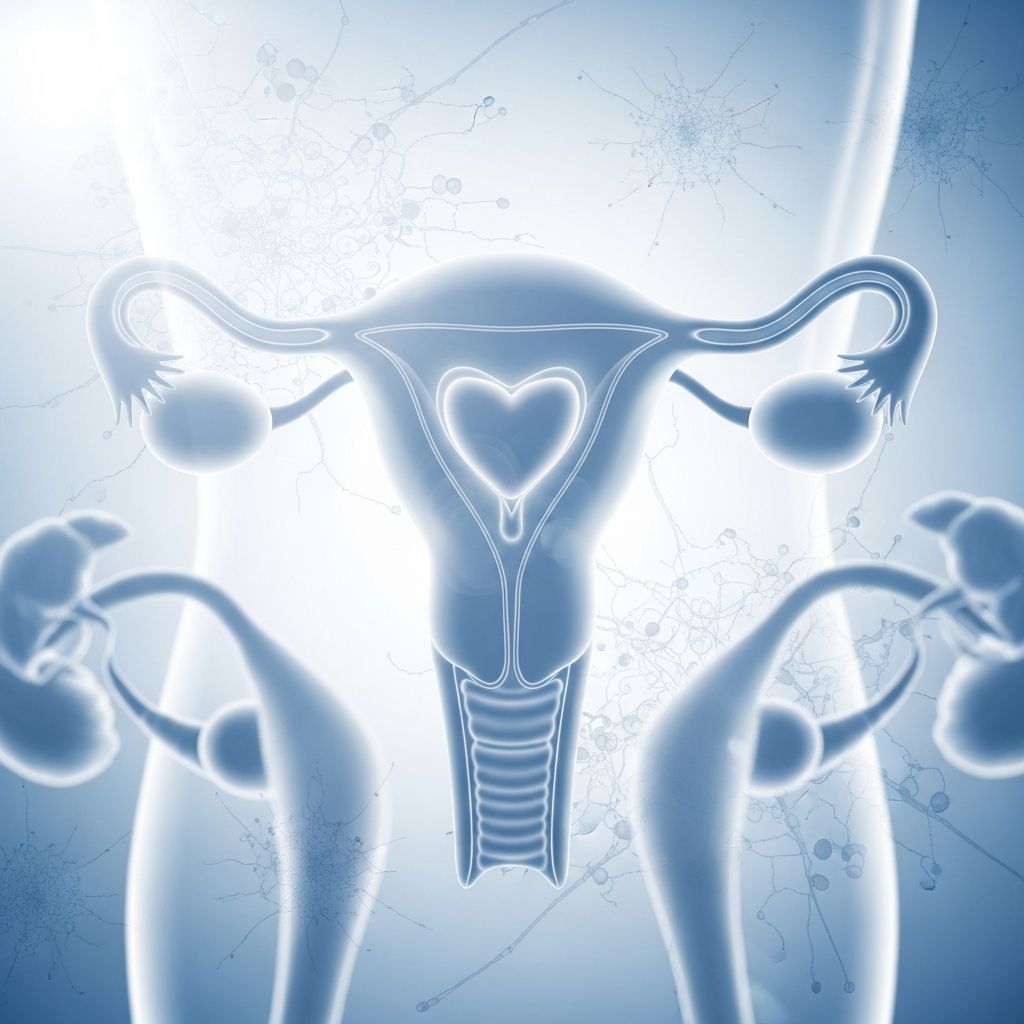
An arcuate uterus is a congenital condition in which the uterus has a slight indentation or dip at the top (fundus) of the uterine cavity. This subtle anatomical variation is one of the most common congenital uterine anomalies, affecting a significant portion of women of reproductive age. While many women with an arcuate uterus are asymptomatic and discover this condition incidentally during routine imaging, understanding its characteristics, potential effects, and management options is crucial for reproductive planning and maternal health.
What Is an Arcuate Uterus?
The arcuate uterus represents a mild form of congenital uterine anomaly characterized by a slight indentation of less than one centimeter at the fundus with an angle above 90 degrees. The condition occurs during fetal development when the Müllerian ducts, which normally fuse completely to form the uterus, do not fuse entirely at the top of the organ. This incomplete fusion results in the characteristic mild indentation that defines the arcuate uterus.
Unlike more severe uterine anomalies such as septate or bicornuate uteri, the arcuate uterus is considered one of the mildest forms of congenital uterine malformation. The cavity remains substantially normal, and the external contour of the uterus shows minimal deviation. Most women with an arcuate uterus experience no symptoms and may remain unaware of their condition throughout their lives unless it is discovered during imaging for other reasons.
Causes of Arcuate Uterus
The development of an arcuate uterus stems from embryological factors during fetal formation. During normal fetal development, two ducts called the Müllerian ducts typically fuse together to form the uterus. In cases of arcuate uterus, the ducts fail to fuse completely, particularly at the fundus or top of the uterus. This incomplete fusion results in the characteristic slight indentation.
The exact mechanisms triggering incomplete Müllerian duct fusion remain an area of ongoing research. Environmental factors, genetic predisposition, and hormonal influences during critical periods of fetal development may all contribute to this developmental variation. However, there is currently no known way to prevent an arcuate uterus, as it develops before birth during normal intrauterine development.
Diagnosis of Arcuate Uterus
Arcuate uterus is typically diagnosed through various imaging techniques that allow healthcare providers to visualize the internal structure of the uterus. Multiple diagnostic methods can identify this condition:
- Transvaginal ultrasound: This is often the first-line imaging modality used to evaluate uterine anatomy. High-resolution ultrasound can detect the characteristic indentation at the fundus.
- Transabdominal ultrasound: Provides a broader view of the pelvic organs and uterine structure.
- Magnetic Resonance Imaging (MRI): Offers detailed, three-dimensional visualization of uterine anatomy and is particularly useful when other imaging findings are unclear.
- Hysterosalpingography: An X-ray procedure using contrast material to visualize the uterine cavity and fallopian tubes.
- Sonohysterography: Uses sound waves and saline infusion to create detailed images of the uterine cavity.
In the past, invasive procedures such as hysteroscopy or laparoscopy were sometimes used to diagnose congenital uterine anomalies. However, these surgical approaches are now rarely employed for diagnostic purposes due to their invasive nature and the availability of superior non-invasive imaging alternatives.
Distinguishing an arcuate uterus from other uterine anomalies, particularly the septate uterus, is important for clinical management. Medical experts recommend using an internal indentation depth of 10 millimeters or greater to differentiate between a normal or arcuate uterus and a septate uterus.
Symptoms of Arcuate Uterus
The majority of women with an arcuate uterus are asymptomatic, meaning they experience no symptoms related to their condition. Many discover they have an arcuate uterus incidentally when undergoing ultrasound or other imaging for unrelated reasons, such as routine prenatal screening or evaluation for other gynecological concerns.
Related Stories



Because the arcuate uterus is a mild anatomical variation with minimal disruption to normal uterine function, it rarely causes pain, abnormal bleeding, or other noticeable symptoms. The condition does not typically interfere with menstruation or daily activities. However, women diagnosed with an arcuate uterus may have concerns about how this condition might affect their fertility and pregnancy outcomes.
Effects on Fertility
Regarding fertility, an arcuate uterus should not significantly impair a woman’s ability to conceive. Research suggests that an arcuate uterus does not substantially reduce fertility rates compared to women without this anomaly. Women with an arcuate uterus can typically become pregnant as easily as women with normally formed uteri.
However, while conception is usually not affected, some pregnancy-related complications may occur at higher rates in women with this condition. Women considering pregnancy who have been diagnosed with an arcuate uterus should discuss their individual risk profile with their healthcare provider to determine whether additional monitoring or precautions are warranted.
Pregnancy Complications Associated with Arcuate Uterus
While an arcuate uterus is considered one of the mildest forms of congenital uterine anomaly, recent research indicates that women with this condition do experience higher rates of certain pregnancy complications compared to women with normally formed uteri.
Hypertensive Disorders: Women with an arcuate uterus have increased odds of pregnancy-induced hypertension and preeclampsia. These serious conditions require careful monitoring throughout pregnancy.
Preterm Complications: Women with an arcuate uterus demonstrate approximately twice the risk for premature preterm rupture of membranes (PPROM) and preterm delivery. Preterm birth can have significant implications for neonatal health and development.
Placental Abnormalities: Placental abruption, a serious condition in which the placenta separates prematurely from the uterine wall, occurs at significantly higher rates in women with an arcuate uterus. This complication can threaten both maternal and fetal health.
Cesarean Delivery: Women with an arcuate uterus have substantially higher rates of cesarean section delivery, with some studies reporting thirty times the likelihood of surgical delivery. This increased rate may be attributed to malpresentations and placental complications that make vaginal delivery more difficult.
Small for Gestational Age (SGA) Neonates: Babies born to women with an arcuate uterus have about twice the risk of being small for gestational age, indicating lower birth weights than expected for their gestational age.
Postpartum Hemorrhage and Complications: Women with an arcuate uterus have higher odds of postpartum hemorrhage and wound complications following cesarean delivery.
Monitoring During Pregnancy
Given the increased risks associated with arcuate uterus, careful monitoring throughout pregnancy is advisable. While an arcuate uterus is a mild condition and does not typically require the intensive monitoring needed for other more severe uterine anomalies, women diagnosed with this condition should maintain regular prenatal care and communicate their diagnosis to their healthcare provider.
Healthcare providers may recommend more frequent ultrasound evaluations to monitor fetal growth, assess placental position and function, and evaluate amniotic fluid volume. Blood pressure monitoring becomes particularly important given the increased risk of hypertensive disorders. Additionally, discussion of delivery options and contingency planning for potential complications is prudent.
Treatment Options for Arcuate Uterus
An arcuate uterus rarely requires any specific treatment. Unlike some other congenital uterine anomalies, such as septate uterus where surgical correction through hysteroscopic metroplasty may be beneficial, there is insufficient evidence to support surgical intervention for arcuate uterus.
The evidence linking arcuate uterus to pregnancy complications, while present, is not yet strong enough to warrant routine surgical correction. Most women with an arcuate uterus are managed conservatively with careful monitoring during pregnancy. The risks of surgical intervention and the mild nature of the condition generally outweigh potential benefits of surgery.
Women diagnosed with an arcuate uterus should discuss their individual circumstances with their healthcare provider to determine the most appropriate management strategy for their specific situation.
Arcuate Uterus in Relation to Other Uterine Anomalies
Arcuate uterus is one of several congenital uterine anomalies. Understanding how it compares to other conditions is helpful for context:
| Uterine Anomaly | Characteristics | Severity |
|---|---|---|
| Arcuate Uterus | Slight indentation at fundus, angle above 90 degrees | Mild |
| Septate Uterus | Membrane (septum) divides uterine cavity into two parts | Moderate to Severe |
| Bicornuate Uterus | Two separate but connected chambers, heart-shaped appearance | Moderate |
| Unicornuate Uterus | Only one half of uterus forms; may have rudimentary horn | Severe |
| Uterus Didelphys | Two completely separate uteri; Müllerian ducts do not fuse | Severe |
Compared to other congenital uterine anomalies, the arcuate uterus appears to have fewer adverse effects on pregnancy outcomes, though recent evidence suggests more complications than previously believed.
Associated Conditions
Women with congenital uterine anomalies, including arcuate uterus, may have increased risk of associated conditions affecting other organ systems. Approximately 20-30% of individuals with Müllerian anomalies present with renal anomalies and other malformations, including cardiac defects. Healthcare providers may recommend screening for these conditions in women diagnosed with congenital uterine anomalies.
Frequently Asked Questions
Q: Is an arcuate uterus considered high-risk?
A: While more research is necessary, recent studies show that an arcuate uterus may increase the risk of certain pregnancy complications including preeclampsia, preterm delivery, and small for gestational age babies. However, it is considered one of the mildest forms of congenital uterine anomaly. If there are additional symptoms or findings on imaging, your doctor may recommend closer monitoring during pregnancy.
Q: Can you fix an arcuate uterus?
A: Doctors typically do not recommend surgical treatment for an arcuate uterus. Unlike more severe uterine anomalies such as septate uterus, which may benefit from surgical correction, the evidence does not support surgery for arcuate uterus. Most women are managed conservatively with careful monitoring during pregnancy.
Q: Can you prevent an arcuate uterus?
A: There is currently no known way to prevent an arcuate uterus, as it develops during fetal development before birth. It is a natural anatomical variation that occurs during embryological development.
Q: Is it harder to get pregnant with an arcuate uterus?
A: An arcuate uterus should not affect your ability to become pregnant. Fertility rates are typically similar to women without this condition. However, while conception is usually not affected, pregnancy complications may occur at higher rates.
Q: What should I do if I’m diagnosed with an arcuate uterus and planning pregnancy?
A: If you have been diagnosed with an arcuate uterus and are considering pregnancy, discuss your individual risk profile with your healthcare provider. They can provide personalized recommendations regarding monitoring, frequency of prenatal visits, and any necessary precautions based on your specific situation.
Q: Are there any symptoms I should watch for?
A: Most women with an arcuate uterus are asymptomatic. However, during pregnancy, it’s important to report any concerning symptoms such as vaginal bleeding, severe abdominal pain, or signs of preeclampsia (headache, visual changes, upper abdominal pain) to your healthcare provider immediately.
References
- Pregnancy and neonatal outcomes in women with arcuate uterus — National Center for Biotechnology Information (NIH/PMC). 2024. https://pmc.ncbi.nlm.nih.gov/articles/PMC12560325/
- Arcuate Uterus: Symptoms, Treatments, and Effects on Pregnancy — Healthgrades. 2024. https://resources.healthgrades.com/right-care/womens-health/arcuate-uterus
- Congenital Uterine Malformation by Experts (CUME): better criteria for distinguishing between normal and arcuate uterus and septate uterus — Ultrasound in Obstetrics & Gynecology. 2020. https://obgyn.onlinelibrary.wiley.com/doi/full/10.1002/uog.18923
- Congenital uterine anomalies — MedlinePlus, U.S. National Library of Medicine. 2024. https://medlineplus.gov/ency/imagepages/19926.htm
- How Uterine Anomalies Can Affect Fertility — Trio Fertility. 2024. https://triofertility.com/uterine-anomalies-affect-on-fertility/
Similar Articles








Read full bio of Sneha Tete