Baked Chips: Healthier Than Fried? 5 Better Snack Choices
Unpacking the nutrition facts: Do baked chips really offer a healthier crunch than fried alternatives?
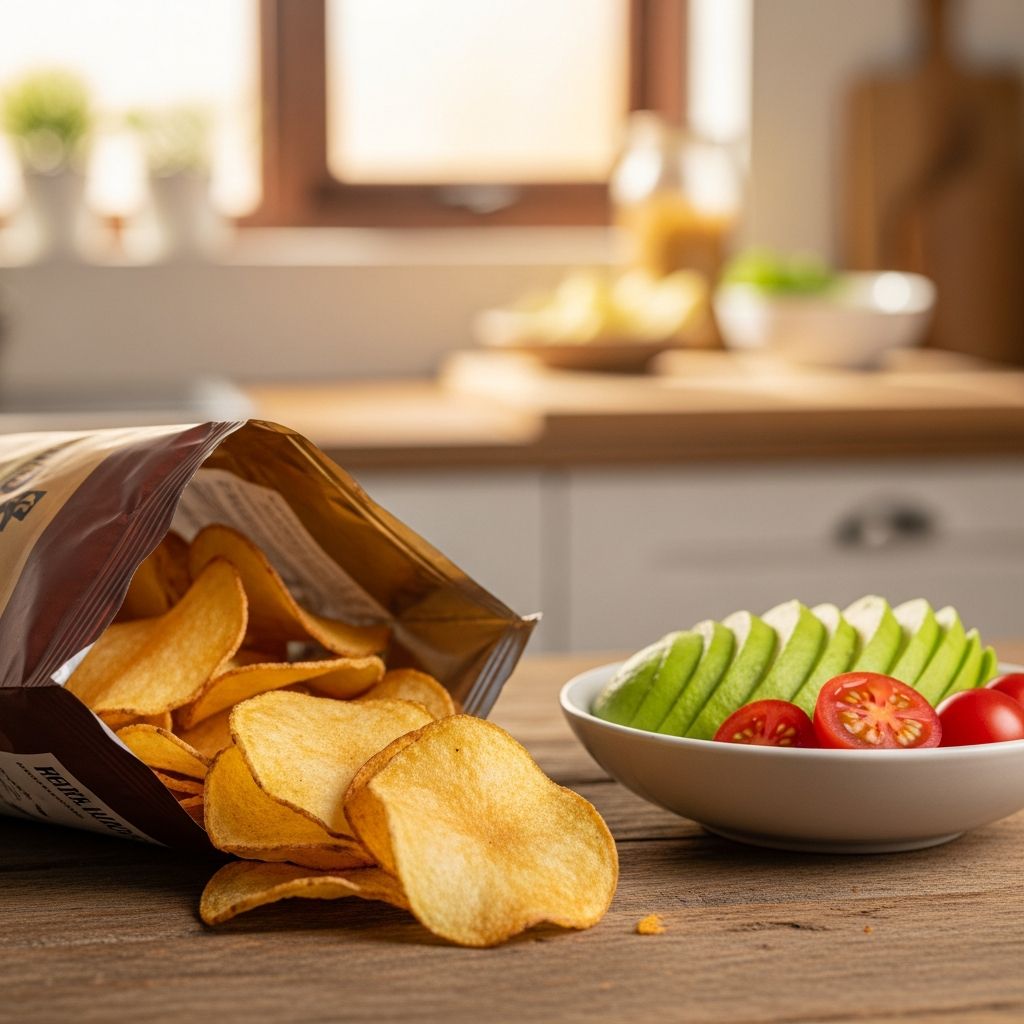
Potato chips are a beloved snack, but with health-conscious eating on the rise, many turn to baked chips as a “better” alternative to traditional fried varieties. Baked chips promise the crunchy satisfaction of chips without the guilt of deep-frying. But are they truly healthier? This article dives deep into the nutritional differences, ingredient breakdowns, health implications, and expert advice to help you decide if baked chips deserve a spot in your pantry.
What Are Baked Chips?
Baked chips are made by slicing potatoes thinly and baking them in an oven rather than frying them in oil. Manufacturers often spray the slices lightly with oil or use other fats before baking to achieve crispiness. This process aims to reduce the overall fat content compared to fried chips, which are submerged in hot oil until golden and crunchy.
The appeal of baked chips lies in their marketing as a low-fat option. Brands like Lay’s and Kettle Brand offer baked versions alongside their fried counterparts. However, the baking process isn’t entirely oil-free, and other factors like seasonings and sodium play a big role in their health profile.
- Key production difference: Baking at high temperatures (around 300-400°F) dehydrates and crisps the potato slices without full immersion in oil.
- Common additives: Vegetable oils, salt, and flavorings are still used, sometimes in dehydrated forms.
- Texture goal: Mimics the crunch of fried chips through controlled heat and air circulation.
Baked Chips vs. Fried Chips: A Nutritional Comparison
To determine if baked chips are healthier, let’s compare their nutrition facts side-by-side. We’ll use popular examples: Lay’s Classic Potato Chips (fried) versus Lay’s Baked Original Potato Crisps, based on a standard 1-ounce (28g) serving size, as reported by the USDA FoodData Central database.
| Nutrient (per 1 oz serving) | Fried Chips (Lay’s Classic) | Baked Chips (Lay’s Baked) | Difference |
|---|---|---|---|
| Calories | 160 | 120 | -25% |
| Total Fat | 10g (13% DV) | 3.5g (4% DV) | -65% |
| Saturated Fat | 1.5g (8% DV) | 0.5g (3% DV) | -67% |
| Sodium | 170mg (7% DV) | 210mg (9% DV) | +24% |
| Carbohydrates | 15g (5% DV) | 19g (7% DV) | +27% |
| Protein | 2g | 2g | No change |
Data sourced from USDA FoodData Central (2023 updates) and product labels.
Baked chips win on calories and fat, primarily because they absorb less oil. Fried chips can absorb up to 40% of their weight in oil during frying, per a 2022 study in the Journal of Food Science. However, baked chips often compensate with more carbs from starches or added sugars for crispiness, and higher sodium to enhance flavor without fat.
Healthier in Fat, But What About the Rest?
While lower fat is a clear advantage—reducing risks for heart disease as noted by the American Heart Association—baked chips aren’t a free pass. Their higher sodium can contribute to hypertension if overconsumed. A 2024 CDC report highlights that 90% of Americans exceed sodium recommendations, partly from snacks.
Related Stories



Ingredients Breakdown: Hidden Surprises in Baked Chips
Beyond macros, ingredients matter. Fried chips typically list: potatoes, vegetable oil (sunflower, corn, soybean), and salt. Simple, but oil-heavy.
Baked chips? Often more complex:
- Potatoes
- Sunflower or canola oil (sprayed lightly)
- Maltodextrin (carbohydrate thickener)
- Sugar or dextrose (for browning)
- Mono- and diglycerides (emulsifiers)
- Artificial flavors
These additives help replicate fried taste and texture but may include processed elements. The FDA classifies most as GRAS (Generally Recognized as Safe), but some, like maltodextrin, can spike blood sugar similarly to sugar, according to a 2023 NIH study on glycemic index.
Health Impacts: Short-Term and Long-Term
Short-Term Effects
Both types offer quick energy from carbs but little satiety. Baked chips’ lower fat might mean eating more to feel full, negating calorie savings. A 2024 Harvard T.H. Chan School of Public Health analysis found low-fat snacks often lead to higher overall intake.
Long-Term Considerations
Frequent fried chip consumption links to higher LDL cholesterol and obesity risks (per WHO 2023 obesity report). Baked chips mitigate fat-related issues but contribute to sodium overload and processed carb intake, potentially affecting gut health via emulsifiers, as per a 2022 peer-reviewed study in Nature.
Neither is nutrient-dense; both lack fiber, vitamins, and minerals found in whole foods like fruits or nuts.
Expert Opinions: Dietitians Weigh In
Registered dietitian nutritionists (RDNs) offer balanced views. Willow Jarosh, RDN, notes, “Baked chips are a step up from fried in moderation, but they’re still ultra-processed.” A 2025 survey by the Academy of Nutrition and Dietetics found 68% of RDNs recommend baked over fried for fat-conscious clients, but prioritize portion control.
“Opt for baked chips occasionally, but pair with protein and veggies for balance.” — Jessica Levinson, RDN
Are There Healthier Alternatives to Both?
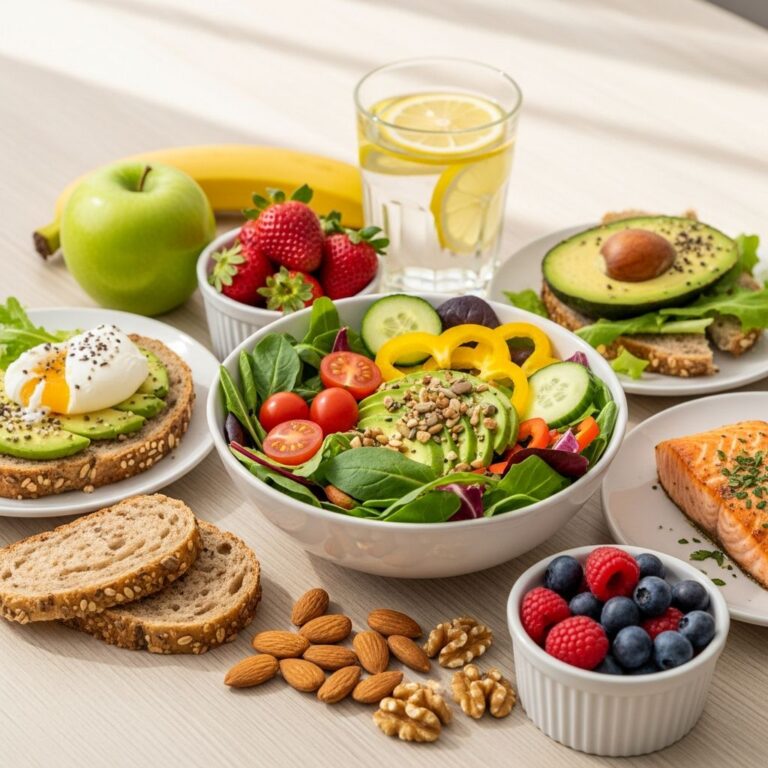
Yes! For guilt-free crunching:
- Air-popped popcorn: 30 calories per cup, high fiber.
- Veggie chips (kale, beet): More nutrients, watch sodium.
- Homemade baked chips: Slice potatoes, season lightly, bake at 400°F for 20-25 mins.
- Nuts or roasted chickpeas: Protein-packed, satisfying.
- Apple slices with nut butter: Natural sweetness and fats.
Per USDA guidelines, aim for snacks under 150 calories with at least 3g fiber and 5g protein.
Portion Control and Mindful Snacking Tips
Even healthier chips need limits. Strategies:
- Pre-portion into small bags to avoid mindless eating.
- Pair with dips like Greek yogurt hummus for protein boost.
- Choose single-serve packs (1 oz max).
- Read labels: Aim for <140mg sodium, <3g sugar per serving.
- Eat slowly, savor flavors to enhance satisfaction.
A 2024 NIH study showed portion-controlled snacking reduces daily calorie intake by 200-300 without hunger.
Frequently Asked Questions (FAQs)
Are baked chips actually fried?
No, they’re baked, but a light oil spray is common. True “air-baked” versions exist but are rarer.
Do baked chips taste like fried ones?
Close, but less oily mouthfeel. Flavors like BBQ mimic well.
Are baked chips gluten-free?
Most potato-based are, but check for wheat-derived additives in seasonings.
Can I make healthier chips at home?
Yes! Use minimal olive oil spray, herbs, and bake until crisp for ultimate control.
Which is worse: baked chips or cookies?
Depends on serving. Baked chips edge out on fat, but both are treats—moderation key.
In summary, baked chips are healthier than fried due to lower fat and calories, but higher sodium and additives mean they’re not health food. Enjoy occasionally with smart swaps and portions for balanced snacking.
References
- FoodData Central: Potato Chips, Regular — USDA Agricultural Research Service. 2023-10-15. https://fdc.nal.usda.gov/fdc-app.html#/food-details/170653/nutrients
- High Sodium Intake and Cardiovascular Disease — Centers for Disease Control and Prevention (CDC). 2024-02-28. https://www.cdc.gov/salt/index.htm
- Oil Absorption in Fried Foods — Institute of Food Technologists, Journal of Food Science. 2022-05-10. https://doi.org/10.1111/1750-3841.16189
- Emulsifiers and Gut Health — National Institutes of Health (NIH), Nature journal. 2022-11-03. https://doi.org/10.1038/s41586-022-05364-8
- Dietary Guidelines for Americans, 2020-2025 — U.S. Department of Health and Human Services / USDA. 2020-12-01 (relevant through 2025). https://www.dietaryguidelines.gov/
- Low-Fat Snacks and Intake Behavior — Harvard T.H. Chan School of Public Health. 2024-01-22. https://www.hsph.harvard.edu/nutritionsource/snacking/
Similar Articles








Read full bio of Sneha Tete