Are Black Beans Healthy? Here’s What Nutrition Experts Say
Discover the science-backed health benefits of black beans and why they deserve a place in your diet.
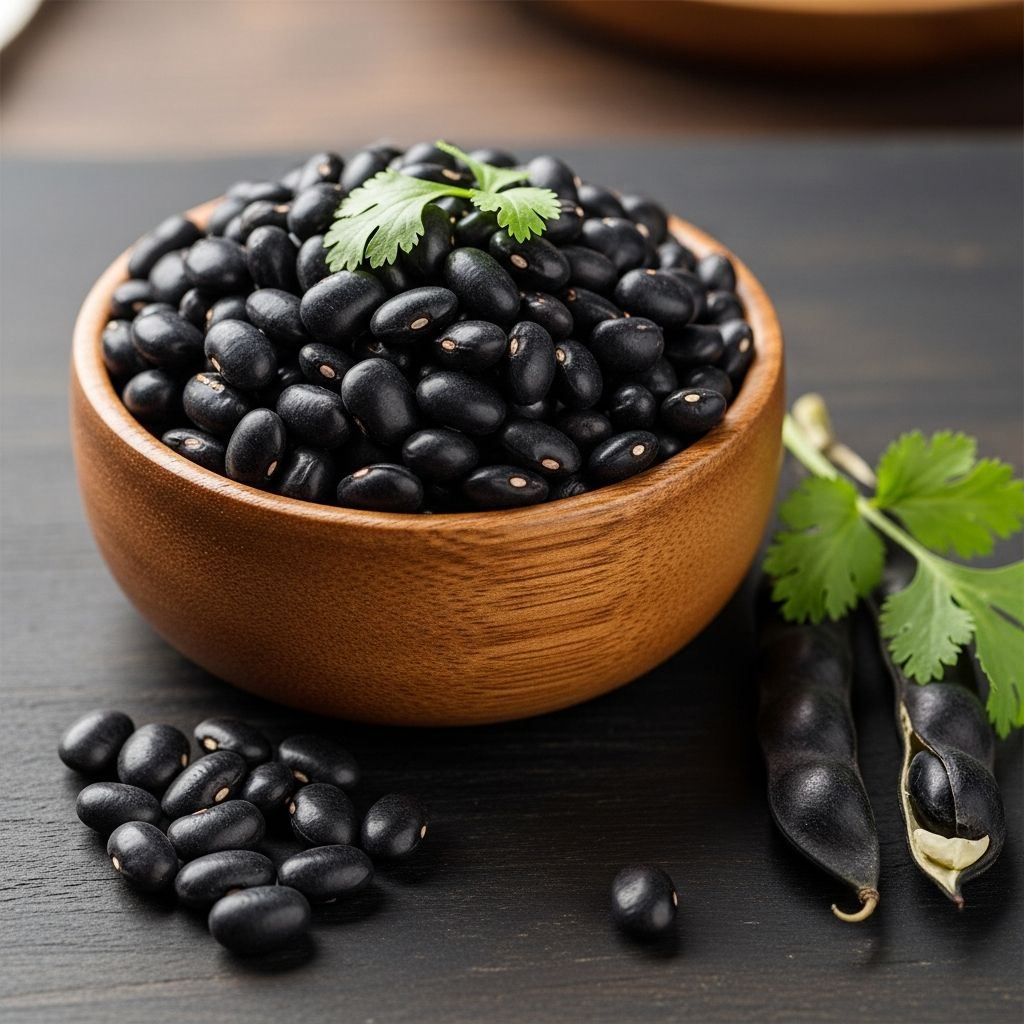
Black beans have earned their place as a nutritional powerhouse in kitchens and health-conscious diets worldwide. But are they truly as healthy as the hype suggests? According to nutrition research and dietary experts, the answer is a resounding yes. Black beans deliver an exceptional combination of plant-based protein, dietary fiber, antioxidants, and essential minerals that support multiple aspects of human health.
Nutritional Profile of Black Beans
Understanding what makes black beans so nutritious starts with examining their complete nutritional composition. A standard serving of cooked black beans—typically defined as one half-cup—provides a remarkable array of nutrients that contribute to overall health and wellness.
Nutrients Per Half-Cup Serving
Here’s a detailed breakdown of what you get in a single serving of cooked black beans:
| Nutrient | Amount | Daily Value (%) |
|---|---|---|
| Calories | 114–115 kcal | — |
| Protein | 8 grams | 15–20% |
| Carbohydrates | 20 grams | 7% |
| Fiber | 7–8 grams | 28–32% |
| Fat | 0–0.5 grams | Negligible |
| Folate | 256 micrograms | 64% |
| Iron | 3.61 mg | 20% |
| Magnesium | 120 mg | 30% |
| Phosphorus | 241 mg | 24% |
| Potassium | 611 mg | 17% |
This impressive nutrient density means that black beans deliver substantial nutritional benefits in a relatively modest package, making them an efficient food choice for those seeking maximum nutrition per calorie consumed.
Key Health Benefits of Black Beans
Supporting Heart Health
One of the most significant health benefits of black beans relates to cardiovascular wellness. The combination of
fiber, potassium, folate, and vitamin B6
in black beans creates a powerful synergy for heart protection. Black beans containzero cholesterol
, and their nutrient profile actively works to lower it.The fiber in black beans helps reduce total cholesterol levels in the bloodstream, thereby decreasing heart disease risk. Research demonstrates that consuming just
one serving of dried beans per day can reduce the risk of heart attack by up to 38%
. Furthermore, for every 10 grams of total fiber consumed, the risk of mortality from heart disease may decrease by 27%.Black beans also contain
saponin compounds
that function as antioxidants with cholesterol-lowering capacities. Additionally, folate and vitamin B6 prevent the buildup of homocysteine, a compound that can damage blood vessels and lead to heart problems when it accumulates excessively in the body.Studies have also found that
higher fiber intake correlates with lower blood pressure readings
. Flavonoids in black beans may help prevent platelet aggregation and encourage muscle relaxation in blood vessel walls, further contributing to blood-pressure-lowering effects. One study found that consuming 3/4 cup of black beans had a vasorelaxant effect, helping relax muscles within blood vessels to lower blood pressure.Regulating Blood Sugar Levels
Unlike many carbohydrate-rich foods that cause rapid blood sugar spikes, black beans actually have the
opposite effect
. Research shows that when people eat black beans with rice, their blood sugar levels tend to be lower than if they consumed rice alone.This beneficial effect stems from black beans’
complex carbohydrate structure and high fiber content
. The starch in black beans acts as a “slow burn” energy store that is slowly digested by the body, preventing blood sugar spikes. Additionally,anthocyanidins in black beans may inhibit alpha-amylase, maltase, and sucrase activity
—three enzymes that support carbohydrate digestion—which further promotes lower blood sugar levels after eating.Related Stories



For individuals managing diabetes, the research is particularly encouraging. Studies have shown that individuals with
type 1 diabetes who consume high-fiber diets have lower blood glucose levels
. People withtype 2 diabetes may experience improved blood sugar, lipids, and insulin levels
when beans are incorporated into their diet.Promoting Weight Management
Black beans offer multiple mechanisms for supporting healthy weight management. Their
high fiber content
helps increase volume in your diet without excess calories, making you feel fuller for longer periods and preventing overeating.Surveys have shown that people who eat beans regularly may weigh less and have smaller waist circumferences. In one notable study, a group of obese men who ate mostly beans and other legumes lost more weight and had larger decreases in “bad” cholesterol compared to men following other types of diets.
Building and Maintaining Strong Bones
Black beans contain an impressive array of
bone-supporting minerals
: iron, phosphorus, calcium, magnesium, manganese, copper, and zinc. Each of these nutrients plays a crucial role in bone structure and strength. Calcium and phosphorus are fundamental to bone structure, while iron and zinc maintain the strength and elasticity of bones and joints.The importance of adequate dietary intake of these minerals cannot be overstated: approximately
99% of the body’s calcium supply, 60% of its magnesium, and 85% of its phosphorus stores are contained in bone
. This underscores why consuming foods like black beans—which provide multiple bone-supporting nutrients in one package—is essential for long-term skeletal health.Providing Antioxidant Protection
Black beans are
exceptionally rich in antioxidants
. These compounds neutralize free radicals to counteract oxidative processes linked to chronic diseases. Black beans offer a significant amount ofpolyphenols, especially anthocyanins
, along with other phytonutrients likesaponins, kaempferol, and quercetin
—all of which possess powerful antioxidant properties.Because of their antioxidant richness, black bean consumption may help lower the risk for heart disease, type 2 diabetes, and some types of cancer. Black beans are actually considered the healthiest of all beans, with the highest antioxidant count among legumes.
Supporting Digestive and Gut Health
The exceptional fiber content of black beans—with
one half-cup serving providing 28 to 32% of the recommended daily value of fiber
—makes them a standout food for digestive wellness. Fiber is essential for maintaining healthy digestion, promoting regular bowel movements, and supporting the beneficial bacteria in your gut microbiome.A single serving of black beans helps you meet the recommended daily fiber intake goals:
21 to 25 grams per day for women and 30 to 38 grams per day for men
.Reducing Cancer Risk
Research suggests that
fiber intake from legumes like black beans is associated with a lower risk of colorectal cancer
. Additionally, black beans are high infolate, which plays a role in DNA synthesis and repair
. Thesaponins in black beans prevent cancer cells from multiplying and spreading throughout the body
, offering potential protective benefits.Plant-Based Protein and Versatility
Black beans contain
8 grams of plant-based protein per half-cup serving
, making them an excellent choice for vegetarians, vegans, and anyone looking to diversify their protein sources. This protein content, combined with their fiber, makes black beans particularly effective at supporting satiety and stable energy levels throughout the day.The combination of
plant-based protein, dietary fiber, and antioxidants
makes black beans nutritionally powerful for anyone seeking to reduce their risk of several serious medical conditions and help their body process calories more effectively.Considerations and Absorption Notes
While black beans are undeniably healthy, it’s worth noting that they contain
antinutrients—compounds that may hinder mineral absorption
. Despite their high iron content, the body may not absorb all of this iron as efficiently due to the presence of these antinutrients. However, this doesn’t negate black beans’ overall health benefits; it simply means that consuming them as part of a diverse, nutrient-rich diet is the most effective approach.Frequently Asked Questions About Black Beans
Q: How many black beans should I eat per day to get health benefits?
A: Just one serving (half-cup) of cooked black beans per day can provide significant health benefits. This single serving delivers 28–32% of your daily fiber needs, substantial amounts of folate and magnesium, and meaningful portions of other key nutrients. However, incorporating black beans several times per week or more is an excellent dietary practice.
Q: Are canned black beans as healthy as dried black beans?
A: Yes, canned black beans retain their nutritional value, including fiber, protein, antioxidants, and minerals. The main consideration is sodium content—canned varieties may contain added salt. You can reduce sodium by rinsing canned black beans before consumption. Both forms are nutritionally sound choices.
Q: Can black beans help with weight loss?
A: Yes, black beans can support weight loss efforts. Their high fiber and protein content promotes satiety, helping you feel full longer and reducing overall calorie intake. Research shows that people who regularly consume beans tend to weigh less and have smaller waist circumferences.
Q: Are black beans safe for people with diabetes?
A: Black beans are an excellent choice for people with diabetes. Their low glycemic index means they don’t cause rapid blood sugar spikes. Studies show that both type 1 and type 2 diabetes can benefit from higher fiber intake and black bean consumption.
Q: How do black beans compare nutritionally to other legumes?
A: Black beans are considered among the healthiest legumes, with the highest antioxidant count among beans. They offer exceptional amounts of fiber, protein, and minerals, making them a nutritional standout in the legume family.
Q: Can I eat black beans if I have a sensitive digestive system?
A: While black beans are healthy, some people experience digestive discomfort from legumes. Rinsing canned beans, cooking dried beans thoroughly, and introducing them gradually into your diet can help. Consuming them with rice or other whole grains may also improve digestibility.
References
- Black beans: Health benefits, facts, and research — Medical News Today. 2024. https://www.medicalnewstoday.com/articles/289934
- Black Beans: Health Benefits, Nutrients, Preparation, and More — WebMD. 2024. https://www.webmd.com/diet/health-benefits-black-beans
- The benefits of black beans — Mayo Clinic Community Health. 2024. https://communityhealth.mayoclinic.org/featured-stories/black-bean-benefits
- Are Black Beans Healthy? Nutrition, Benefits, and More — Healthline. 2024. https://www.healthline.com/nutrition/are-black-beans-healthy
- Why beans are nature’s perfect food — UCLA Health. 2024. https://www.uclahealth.org/news/article/why-beans-are-natures-perfect-food
- Black Beans Health Topics — NutritionFacts.org. https://nutritionfacts.org/topics/black-beans/
Similar Articles








Read full bio of medha deb