Blueberries for Diabetes: 5 Easy Ways to Add Them to Your Diet
A registered dietitian explains the science-backed benefits of blueberries for blood sugar control and diabetes management.

Blueberries are a powerhouse fruit often praised for their antioxidants and flavor, but for those managing diabetes, the key question is their impact on blood sugar. A registered dietitian breaks down the science: yes, blueberries can be an excellent addition to a diabetes-friendly diet due to their low glycemic index, high fiber content, and evidence from clinical trials showing improvements in glycemic control markers like HbA1c.
Nutrition Facts for Blueberries
One cup (148 grams) of fresh blueberries delivers approximately 84 calories, 21 grams of carbohydrates (including 4 grams of fiber), and just 15 grams of natural sugars. They are low in fat and sodium, with no cholesterol, making them ideal for heart health—a critical concern for people with diabetes.
- Key Nutrients: Blueberries provide 24% of the daily value for vitamin C, 25% for vitamin K, and manganese, plus smaller amounts of vitamin E and B6.
- Antioxidants: Rich in anthocyanins, the pigments responsible for their blue color, which combat oxidative stress linked to diabetes complications.
- **Fiber:** Soluble fiber like pectin slows carbohydrate absorption, helping stabilize blood glucose levels.
This nutrient-dense profile supports overall health without spiking blood sugar, positioning blueberries as a smart choice for diabetes management.
Are Blueberries Low Glycemic?
Yes, blueberries have a low glycemic index (GI) of approximately 53, classifying them as a low-GI food. The GI measures how quickly foods raise blood glucose; low-GI foods (under 55) cause gradual increases, beneficial for diabetes control. Their fiber and polyphenols further blunt glycemic response by delaying gastric emptying and enhancing insulin sensitivity.
| Food | Glycemic Index | Glycemic Load (per 1 cup) |
|---|---|---|
| Blueberries | 53 (Low) | Low (6-9) |
| Strawberries | 40 (Low) | Low |
| Bananas (ripe) | 62 (Medium) | Medium-High |
| White Bread | 75 (High) | High |
Glycemic load (GL), which accounts for serving size, is also low for blueberries (GL ~6 per cup), making a realistic portion unlikely to cause significant blood sugar spikes. Studies confirm that despite natural sugars, whole blueberries improve post-meal glucose compared to refined carbs.
Research on Blueberries and Diabetes
Emerging clinical evidence supports blueberries’ role in diabetes management. A double-blind, randomized trial at Stratton VA Medical Center found that overweight men with type 2 diabetes consuming the equivalent of 1 cup (22g freeze-dried) blueberries daily for 8 weeks experienced significant reductions in HbA1c (long-term blood sugar marker) and fructosamine (short-term marker), plus lowered triglycerides versus placebo. No changes in fasting glucose or insulin, but cardiometabolic improvements were notable.
Another review of preclinical and clinical studies showed blueberries enhance insulin sensitivity (measured by HOMA-IR, ITT, clamps) and glucose tolerance in obese, insulin-resistant models and humans. Epidemiological data links higher blueberry intake (≥2 servings/week) to lower type 2 diabetes risk.
- Human Trials: 6-week blueberry smoothie improved insulin sensitivity in prediabetic adults; anthocyanin capsules reduced HOMA-IR in type 2 diabetes patients.
- Mechanisms: Anthocyanins upregulate GLUT4 transporters and IRS-1 for better glucose uptake in muscle and fat.
- Population Studies: Prospective cohorts associate regular blueberry consumption with reduced T2D incidence.
While promising, more long-term RCTs are needed, especially in diverse populations. Current data indicates realistic servings (1 cup/day) aid metabolic health without adverse glycemic effects.
Related Stories



Benefits of Blueberries for Diabetes
Beyond glycemic control, blueberries offer multifaceted benefits:
- Improved Insulin Sensitivity: Polyphenols reduce insulin resistance, key in type 2 diabetes prevention.
- Cardiovascular Protection: Lower triglycerides and oxidative stress mitigate heart disease risk, the top diabetes complication.
- Anti-Inflammatory Effects: Anthocyanins decrease CRP and inflammation markers linked to vascular damage.
- Weight Management: Low-calorie, high-fiber nature promotes satiety; rodent studies show moderated high-fat diet effects on fat mass.
- Antioxidant Defense: Combat hyperglycemia-induced oxidative stress, protecting eyes, kidneys, and nerves.
These align with ADA guidelines favoring nutrient-dense, low-GI fruits for balanced diabetes eating patterns.
How Many Blueberries Can You Eat with Diabetes?
The American Diabetes Association recommends 2-3 servings of fruit daily, with berries like blueberries fitting perfectly due to their low GL. A safe serving is ¾ to 1 cup (about 120-150g) fresh or frozen blueberries, providing benefits without excess carbs (15-20g per cup). Monitor personal response with a glucometer, as factors like ripeness and pairings affect impact.
- Daily Limit: Up to 1-2 cups, spread across meals.
- Adjust for Insulin Users: Count carbs (15g/cup) in bolus calculations.
- Frozen vs. Fresh: Equally nutritious; frozen may retain more antioxidants.
Are Frozen Blueberries Good for Diabetics?
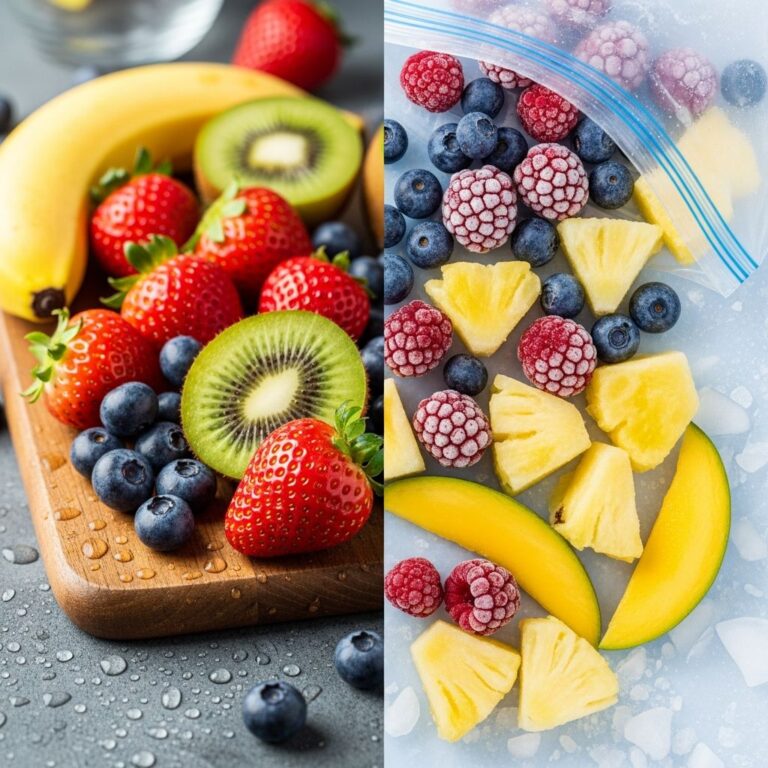
Absolutely—frozen blueberries retain nearly identical nutrition, GI, and bioactive compounds as fresh, often with higher anthocyanin levels due to flash-freezing at peak ripeness. They are convenient, affordable, and year-round available, making them practical for smoothies, oatmeal, or yogurt without blood sugar concerns.
5 Ways to Add Blueberries to Your Diabetes Diet
- Breakfast Boost: Top Greek yogurt or overnight oats with ½ cup blueberries and chia seeds for fiber synergy.
- Smoothie Power: Blend 1 cup frozen blueberries with spinach, almond milk, and protein powder—low-carb and satisfying.
- Salad Star: Toss into leafy greens with nuts, feta, and vinaigrette for a nutrient-packed lunch.
- Baked Treats: Use in almond flour muffins or as a low-sugar compote over grilled chicken.
- Snack Simple: Pair ¾ cup with a handful of almonds to balance carbs with healthy fats/protein.
These ideas keep carbs moderate while maximizing antioxidants and flavor.
Frequently Asked Questions (FAQs)
Can blueberries lower blood sugar?
Clinical trials show daily blueberry intake (1 cup equivalent) reduces HbA1c and fructosamine in type 2 diabetes, indicating better long- and short-term control, though individual results vary.
Is it OK to eat blueberries every day if you have diabetes?
Yes, 1-2 cups daily fits ADA guidelines as a low-GI fruit, supporting glycemic health and providing antioxidants without excess sugar.
What is the best time to eat blueberries for diabetics?
Anytime, but pairing with protein/fat (e.g., breakfast or snacks) optimizes blood sugar stability. Post-meal may blunt glucose spikes.
Do blueberries spike blood sugar?
No, their low GI/GL and fiber prevent spikes; studies confirm improved postprandial glucose versus high-carb foods.
Are blueberry supplements as good as whole fruit for diabetes?
Whole blueberries provide fiber and synergistic nutrients absent in supplements; prioritize food sources per expert consensus.
References
- Effect of Blueberry Consumption on Cardiometabolic Health Parameters in Men with Type 2 Diabetes — U.S. Highbush Blueberry Council / Current Developments in Nutrition. 2023. https://ushbc.blueberry.org/newsroom/new-research-explores-blueberries-positive-effects-in-men-with-type-2-diabetes/
- Blueberries’ Impact on Insulin Resistance and Glucose Intolerance — PMC / AJ Stull et al. 2016-04-15. https://pmc.ncbi.nlm.nih.gov/articles/PMC5187542/
- The State of the Science on the Health Benefits of Blueberries — Frontiers in Nutrition / AJ Stull. 2024. https://www.frontiersin.org/journals/nutrition/articles/10.3389/fnut.2024.1415737/full
- Blueberries and Health — USDA ARS. 2014. https://www.ars.usda.gov/plains-area/gfnd/gfhnrc/docs/news-articles/2014/blueberries-and-health/
Similar Articles








Read full bio of Sneha Tete