Canned Beans: Are They Healthy? 4 Proven Benefits
Uncover the nutritional benefits of canned beans, how to choose and prepare them safely, and why they deserve a spot in your healthy diet.
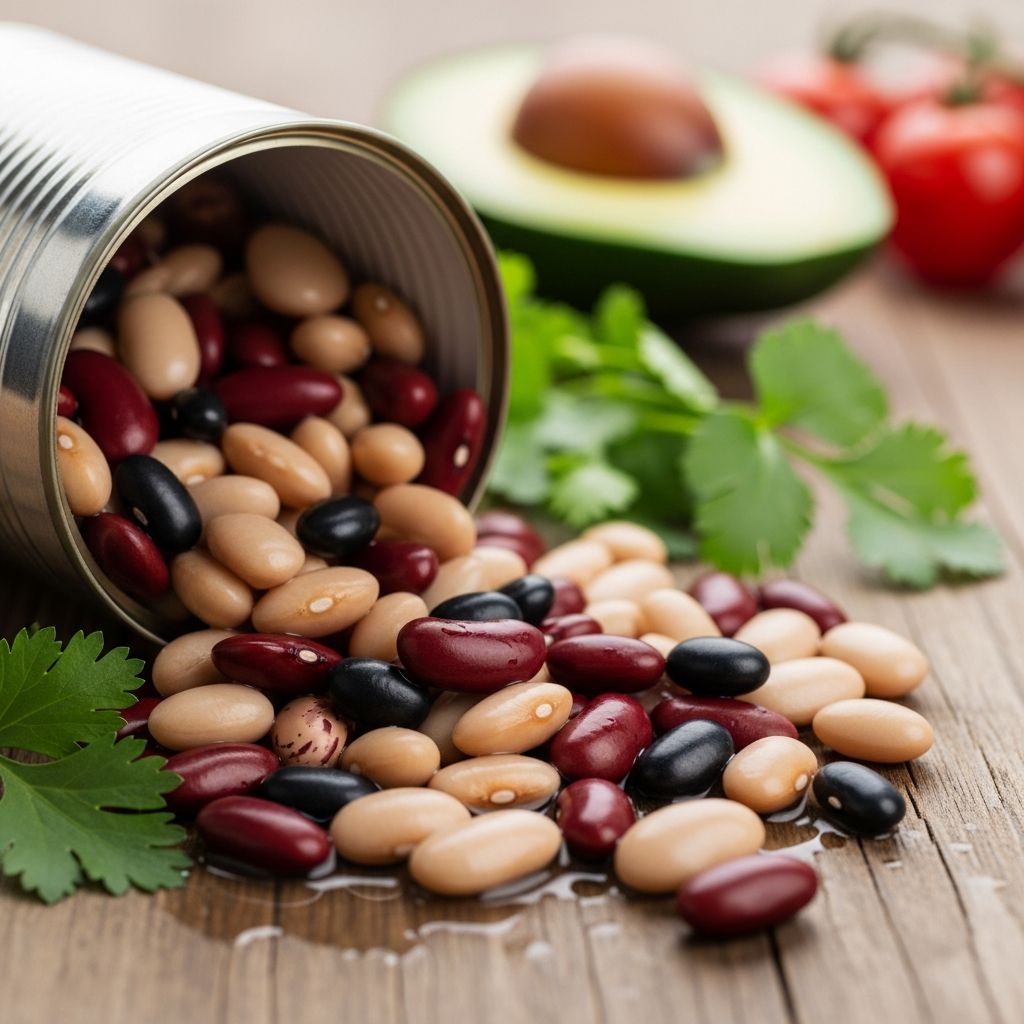
Canned beans are a nutritious, convenient food packed with protein, fiber, and essential vitamins and minerals that support overall health. Despite concerns about sodium and preservatives, proper selection and preparation make them an excellent addition to a balanced diet, enhancing nutrient intake and diet quality as shown in multiple studies.
What Are the Health Benefits of Canned Beans?
Canned beans provide significant health advantages, including improved heart health, better weight management, and enhanced diet quality. They are rich in dietary fiber, plant-based protein, potassium, magnesium, iron, folate, and other shortfall nutrients often lacking in typical diets.
Research from the National Health and Nutrition Examination Survey (NHANES) 1999-2002 demonstrates that bean consumers have higher intakes of fiber, potassium, magnesium, iron, and copper compared to non-consumers. Bean eaters also exhibit lower body weight, smaller waist circumference, a 23% reduced risk of increased waist size, and a 22% reduced risk of obesity. Baked bean consumption is linked to lower systolic blood pressure.
Further NHANES data from 2001-2018 shows that adding 1-2 servings of canned or dry beans daily to the typical U.S. diet boosts dietary fiber by 30-51%, iron/magnesium/potassium/folate by 6-13%, and overall Healthy Eating Index-2015 scores by 12-15%. Diets rich in beans correlate with lower BMI, reduced body weight, and improved waist circumference.
Beans support cardiovascular health by reducing risks of coronary heart disease, stroke, hypertension, diabetes, obesity, and gastrointestinal issues through their fiber content, which lowers blood pressure and LDL cholesterol. Regular bean consumption is associated with longer life expectancy, aligning with recommendations from the American Institute for Cancer Research to prioritize pulses like beans.
- Heart Protection: Low in fat, saturated fat, trans fat, and cholesterol; fiber and nutrients reduce heart disease risk.
- Weight Management: High fiber and protein promote satiety and lower obesity risk.
- Nutrient Boost: Address public health concerns like inadequate fiber, potassium, and magnesium intake.
- Metabolic Benefits: Improve inflammation, immune function, and metabolic parameters.
Nutritional Profile of Canned Beans
A typical 1/2-cup serving of canned beans (e.g., black, kidney, pinto) delivers about 7-8 grams of plant-based protein, 6-8 grams of fiber, and key micronutrients without the cholesterol found in animal proteins. They are naturally low-calorie (around 100-150 kcal per serving) and versatile for various diets, including vegetarian and vegan.
| Nutrient (per 1/2 cup drained) | Amount | % Daily Value* |
|---|---|---|
| Protein | 7-8g | 14-16% |
| Dietary Fiber | 6-8g | 21-29% |
| Potassium | 300-400mg | 6-9% |
| Magnesium | 40-50mg | 10-12% |
| Iron | 1.5-2.5mg | 8-14% |
| Folate | 100-150mcg | 25-38% |
| *Based on 2,000-calorie diet. Values vary by bean type. | ||
Substituting protein foods with 1-2 servings of canned beans daily significantly improves nutrient gaps, making them a smart choice for enhancing meal nutrition.
Potential Downsides of Canned Beans
While nutritious, canned beans can contain added sodium (up to 500-800mg per serving) for preservation, which may concern those monitoring blood pressure or on low-sodium diets. Some varieties include preservatives like BPA in can linings, though many brands now use BPA-free options.
High potassium levels (beneficial for most but an issue for kidney patients) and potential digestive discomfort from fiber (gas/bloating) are other considerations. Draining and rinsing reduces sodium by 30-40%, mitigating these issues.
Related Stories



- Sodium: Choose low-sodium or no-salt-added varieties.
- Potassium: Soak and drain to lower levels, especially for renal diets.
- Digestive Adjustment: Start with small portions to build tolerance.
How to Choose Healthy Canned Beans
Opt for cans labeled “low-sodium,” “no salt added,” or “reduced sodium.” Check for BPA-free linings and organic options if prioritizing minimal processing. Avoid varieties in heavy sauces with added sugars or fats.
Compare labels: Aim for <140mg sodium per serving. Popular healthy picks include black beans, chickpeas, lentils, and cannellini beans.
Are There Harmful Ingredients in Canned Beans?
Most canned beans use safe preservatives like calcium chloride (firming agent) or disodium EDTA (color retention), approved by the FDA in small amounts. Sodium levels are the primary additive concern, but rinsing addresses this effectively. No evidence of harmful levels in standard products when consumed moderately.
Tips for Preparing Canned Beans to Maximize Health Benefits
Preparation is key to optimizing canned beans’ health profile. Follow these steps for the healthiest results:
- Rinse Thoroughly: Drain and rinse under cold water for 30 seconds to remove 30-40% of sodium and excess starch.
- Soak if Needed: For dried or high-potassium concerns, soak 12 hours and drain.
- Flavor Without Salt: Use herbs, spices, garlic, onions, cumin, paprika, or low-sodium broth.
- Portion Control: Start with 1/4-1/2 cup to ease digestion.
Healthy Canned Bean Recipes
Incorporate canned beans easily with these simple, nutritious recipes.
Stewed Beans (Low-Sodium Recipe)
Serves 4. Prep: 10 min. Cook: 20 min.
Ingredients:
- 2 tbsp canola or olive oil
- ½ medium onion, chopped
- ½ red bell pepper, chopped
- ½ green bell pepper, chopped
- 4 garlic cloves, chopped
- Fresh cilantro
- 1 tsp paprika
- 1 tsp cumin
- 1 bay leaf
- 1 can (15 oz) unsalted pinto or kidney beans, rinsed
- 2 tbsp tomato paste
- 2 cups low-sodium broth
- 1 medium potato, diced (soaked 2 hours to reduce potassium)
Directions:
- Heat oil in saucepan over medium. Sauté onion, peppers, garlic, cilantro, spices, and bay leaf until onions are translucent.
- Add beans, tomato paste, broth, and potato. Boil, then simmer covered 15 min until tender.
- Serve over brown rice with salad.
Other Quick Ideas:
- Bean Salad: Mix rinsed beans, chopped veggies, olive oil, lemon, herbs.
- Tacos: Rinsed beans with spices, salsa, greens.
- Soup Base: Add to veggie broth with greens and tomatoes.
Are Canned Beans Healthier Than Dry Beans?
Canned and dry beans offer comparable nutrition; canning preserves most nutrients with minimal loss. Canned beans are more convenient, retain heat-stable vitamins, and studies show equivalent benefits in diet quality and health outcomes. Dry beans require more prep time but allow full sodium control.
How Often Should You Eat Canned Beans?
Aim for 2-3 servings (1/2 cup each) weekly to boost fiber and nutrients without excess. They fit perfectly into plant-forward diets like Mediterranean or DASH.
Frequently Asked Questions (FAQs)
Are canned beans as healthy as dried beans?
Yes, they provide similar nutrients with added convenience; rinse to minimize sodium differences.
Do canned beans cause gas?
Possibly due to fiber and oligosaccharides; rinsing helps, and gradual intake builds tolerance.
Can I eat canned beans every day?
Moderation is key (2-3 servings/week); vary types and rinse to manage sodium/potassium.
Are canned beans good for weight loss?
Absolutely—high fiber/protein promotes fullness; studies link them to lower BMI and obesity risk.
Which canned beans are healthiest?
Low-sodium black beans, chickpeas, or lentils for maximal fiber and minimal additives.
References
- Studies Supporting the Multiple Benefits of Beans — Canned Beans Organization. Accessed 2026. https://cannedbeans.org/studies-supporting-the-multiple-benefits-of-beans
- Preparing the Healthiest Beans for You — Interwell Health. Accessed 2026. https://www.interwellhealth.com/resources/kidney-health-education/preparing-the-healthiest-beans-for-you
- Canned Beans Enhance Nutrient Intake and Diet Quality — ESMED. Accessed 2026. https://esmed.org/canned-beans-enhance-nutrient-intake-and-diet-quality/
Similar Articles








Read full bio of medha deb