Are Canned Foods Nutritious for My Family?
Discover how canned foods deliver essential nutrients, convenience, and affordability for family meals while debunking common myths.
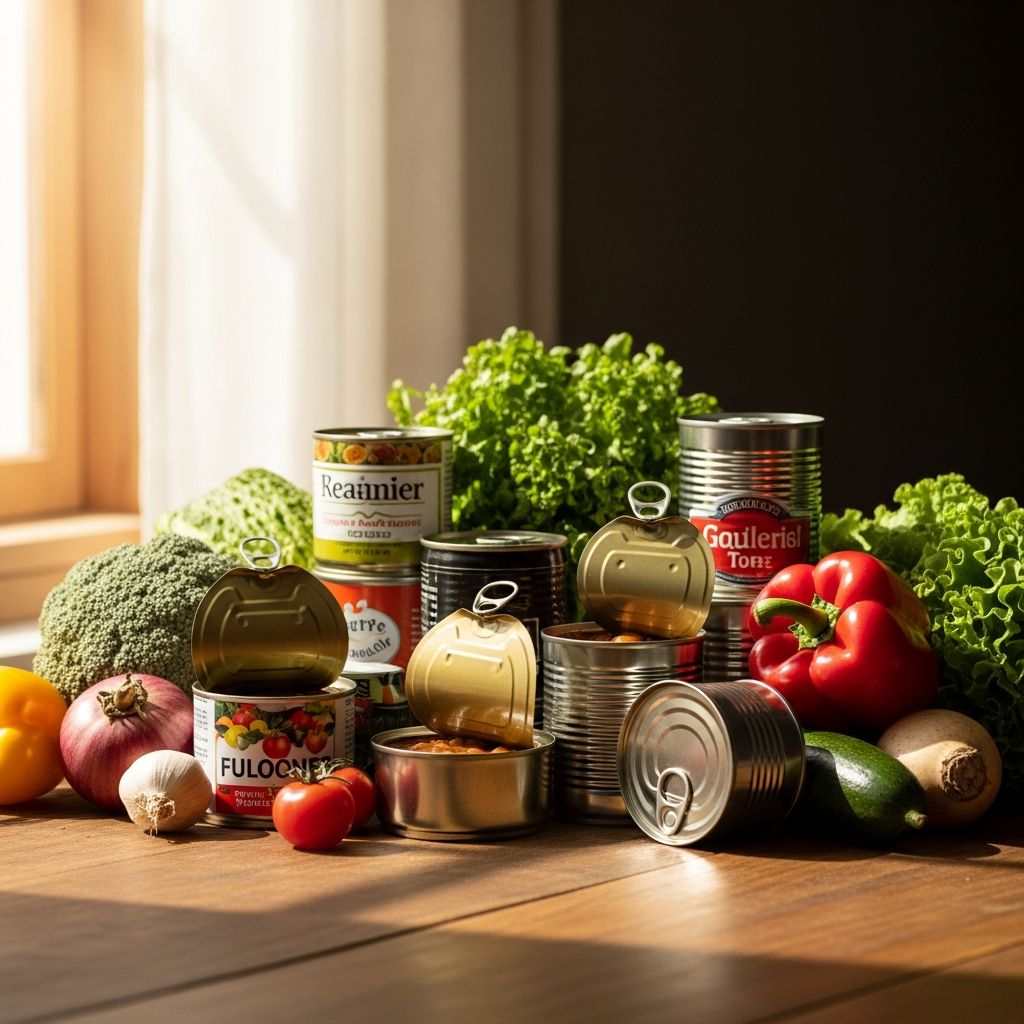
Canned foods are a nutritious, convenient, and affordable way to provide essential vitamins, minerals, and fiber for your family. Research shows they retain nutrient levels comparable to fresh or frozen counterparts, making them a smart choice for busy households.
The Nutritional Value of Canned Foods
Canned fruits, vegetables, beans, fish, and meats maintain most of their nutritional content through the canning process. Unlike fresh produce that can lose nutrients during transport and storage, canned items are often processed at peak ripeness, locking in vitamins and minerals.
Studies demonstrate that frequent canned food consumers have higher intakes of 17 essential nutrients, including shortfall nutrients like potassium, calcium, and fiber. For instance, people eating six or more canned items weekly showed improved diet quality compared to those eating two or fewer.
Protein, carbohydrates, fats, most minerals, and fat-soluble vitamins (A, D, E, K) remain largely unaffected by canning. While heat may reduce some water-soluble vitamins like C and B, other beneficial compounds, such as antioxidants in tomatoes and corn, actually increase.
How Canning Preserves Nutrients
The canning process involves sealing food in airtight containers after heating, which kills bacteria and preserves freshness without additives. This method stabilizes nutrients better than exposure to air, light, or time in fresh produce.
- Canned beans see boosted protein (>7%) and fiber (>5%) content, with reduced lectins.
- Tomatoes release more lycopene, enhancing antioxidant levels.
- Peaches in cans maintain higher vitamin C, folate, and antioxidants than fresh after storage.
Overall, canned foods contribute to healthier eating patterns by encouraging more fruit, vegetable, dairy, and protein consumption.
Health Benefits for Families
Incorporating canned foods helps families meet Dietary Guidelines for Americans, addressing common nutrient gaps. Frequent users eat more nutrient-dense food groups, supporting growth, immunity, and energy needs in children and adults.
| Nutrient | Canned Food Examples | Benefit |
|---|---|---|
| Fiber | Black beans, pears | Supports digestion and heart health |
| Magnesium | Spinach, lima beans | Aids muscle function and energy |
| Iron | Kidney beans, tuna | Prevents anemia, boosts oxygen transport |
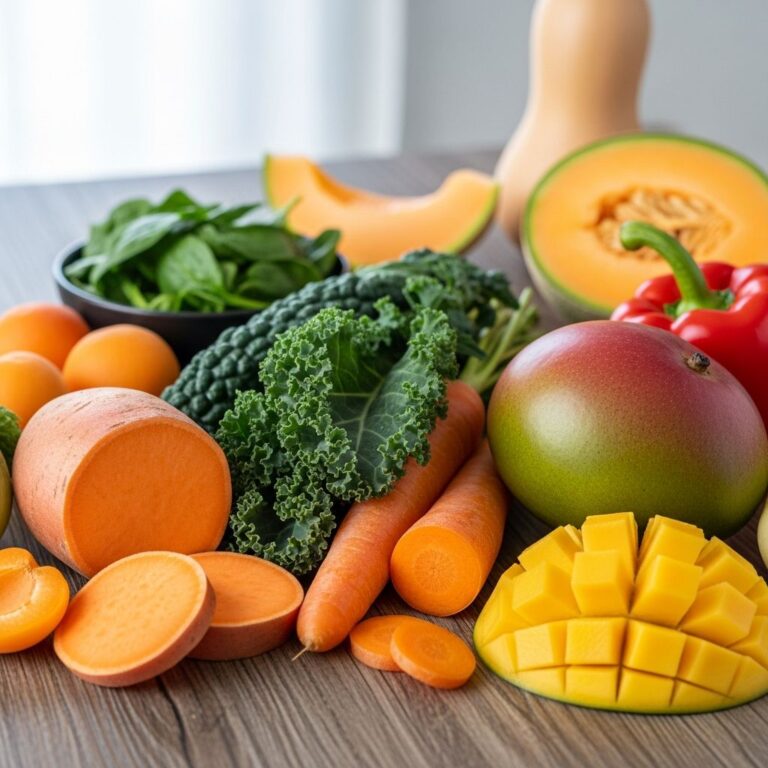
| Vitamin A | Carrots, apricots | Promotes vision and immunity |
| Calcium | White beans, salmon | Builds strong bones |
These options are low-calorie yet filling, ideal for weight management and balanced meals.
Convenience and Affordability
Canned foods offer year-round access regardless of season or location, perfect for food-insecure areas. They cost less than or equal to fresh equivalents while reducing waste—no spoilage concerns.
Easy to store with long shelf lives, they simplify meal prep: add to soups, salads, casseroles, or eat straight from the can. This versatility boosts family vegetable intake without extra effort.
Addressing Common Concerns: Sodium and Additives
Many canned foods contain added sodium for preservation, but low-sodium or no-salt-added versions are widely available. Draining and rinsing reduces sodium by 36-41%.
- Choose “low-sodium,” “reduced-sodium,” or “no salt added.”
- Rinse beans, vegetables, tuna, or chicken under water.
- Opt for fruits in 100% juice, not syrup.
Modern cans use BPA-free linings, minimizing exposure risks. Canning itself preserves food without chemical preservatives.
Selecting the Best Canned Foods
Related Stories



Look for nutrient-dense options without excess sugar or sodium:
- Fruits: In water or juice; avoid heavy syrup.
- Vegetables: Low-sodium; varieties like tomatoes, green beans, corn.
- Proteins: Beans, fish (salmon, tuna in water), poultry.
- Check labels for “packed in own juices” or natural pack.
Incorporate into meals: canned pumpkin for smoothies, salmon for patties, beans for chili.
Debunking Myths About Canned Foods
Myth 1: Canned foods lose all nutrients. Fact: They retain or enhance many; comparable to fresh.
Myth 2: Full of preservatives. Fact: Heat-sealing eliminates the need; check labels.
Myth 3: Harmful chemicals from cans. Fact: BPA levels are minimal and regulated; many BPA-free.
Myth 4: Only for emergencies. Fact: Everyday nutrient boost for better diets.
Practical Tips for Family Meals
- Stock pantry with a variety: rotate fruits, veggies, beans weekly.
- Combine with fresh: canned tomatoes in salads with greens.
- Budget-friendly: Buy in bulk during sales.
- Kid-friendly recipes: Bean dips, fruit smoothies, tuna melts.
- Portion control: Use as sides to increase veggie servings.
These strategies make nutritious eating sustainable and enjoyable.
Frequently Asked Questions
Are canned foods as healthy as fresh?
Yes, they provide similar or better nutrient retention in many cases, especially for busy families.
Do canned foods have too much sodium?
Some do, but rinsing cuts sodium significantly; choose low-sodium options.
Can I feed canned foods to children?
Absolutely—nutrient-dense and safe; great for picky eaters and convenience.
Are there BPA concerns?
Minimal risk with modern cans; most are BPA-free now.
How do canned foods help with diet quality?
Frequent use links to higher intakes of fruits, veggies, and key nutrients like fiber and potassium.
Conclusion
Canned foods empower families to eat nutritiously year-round. By selecting wisely and incorporating variety, they enhance diet quality without compromising health or budget. Embrace them as pantry staples for vibrant, well-fed households.
References
- Frequent Canned Food Use is Positively Associated with Nutrient… — PMC/NIH. 2015-07-29. https://pmc.ncbi.nlm.nih.gov/articles/PMC4517017/
- Canned Food: Good or Bad? — Healthline. Accessed 2026. https://www.healthline.com/nutrition/canned-food-good-or-bad
- Canned Foods CAN Be Healthy — University of Maine Cooperative Extension. 2022-12-08. https://extension.umaine.edu/food-health/2022/12/08/canned-foods-can-be-healthy/
- Nutrition Education: Crazy about canned goods — Southern Maine Agency on Aging. 2024-11. https://www.smaaa.org/2024/11/nutrition-education-crazy-about-canned-goods/
- Canned Foods Can Be Healthy Foods — Southwest Health. Accessed 2026. https://www.southwesthealth.org/canned-foods-can-be-healthy-foods/
Similar Articles








Read full bio of Sneha Tete