Are Certain Fruits Healthier Than Others?
Discover which fruits offer the most health benefits and nutritional value for optimal wellness.
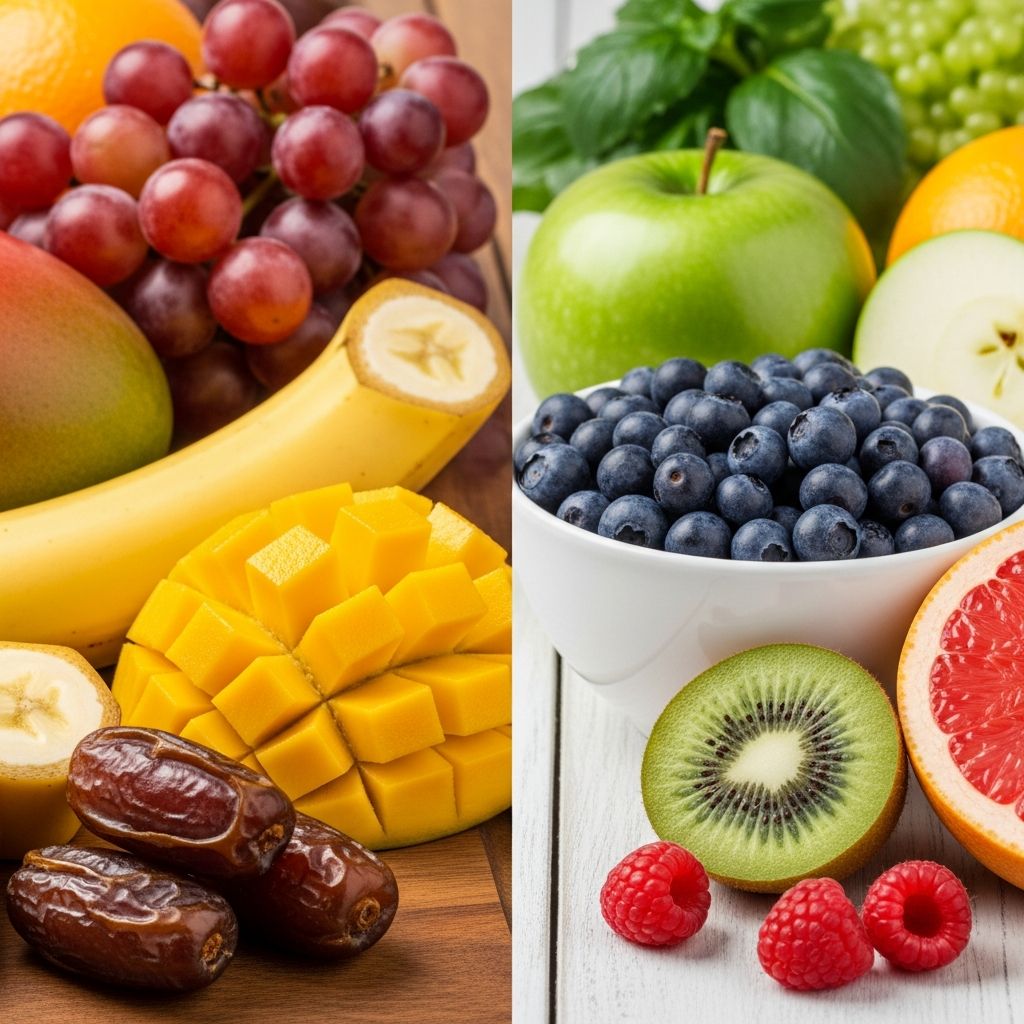
When it comes to maintaining a healthy diet, fruits are universally recognized as essential components of nutritious eating patterns. However, many people wonder whether all fruits offer the same health benefits or if certain varieties stand out as nutritional superstars. The answer is nuanced: while all fruits contribute valuable nutrients to your diet, some fruits do offer distinct advantages when it comes to specific health outcomes and nutrient density.
Understanding the nutritional differences between fruits can help you make more informed dietary choices and potentially maximize the health benefits you receive from your consumption. Rather than viewing fruits as interchangeable, recognizing their unique nutritional profiles allows you to strategically incorporate the most beneficial varieties into your daily meals and snacks.
The Nutritional Case for Berries
Among all fruit categories, berries consistently emerge as nutritional champions when evaluated by scientific research and nutritional science. These small but mighty fruits pack an extraordinary concentration of beneficial compounds that support various aspects of human health. Berries contain exceptionally high levels of antioxidants—compounds that help protect cells from damage caused by free radicals—averaging nearly 10 times the antioxidant levels found in many other fruits and vegetables.
Strawberries, in particular, are juicy red fruits with remarkable health-promoting properties. One cup (150 grams) of strawberries provides 48 calories, 11.5 grams of carbohydrates, and 3 grams of fiber. What makes strawberries especially valuable is their high anthocyanin content—flavonoids that have been shown to support cardiovascular health and reduce inflammation. Beyond their antioxidant profile, strawberries deliver 88.2 milligrams of vitamin C, along with thiamin, riboflavin, niacin, folate, and vitamins B6, A, and K.
Blackberries offer similar nutritional benefits with their own distinctive advantages. A half-cup serving (75 grams) of blackberries contains 32.2 calories, 7.21 grams of carbohydrates, and an impressive 3.98 grams of fiber—contributing significantly to daily fiber intake. These berries also provide 15.8 milligrams of vitamin C, along with calcium, magnesium, and potassium.
Citrus Fruits: Vitamin C Powerhouses
Citrus fruits, including oranges, lemons, limes, and grapefruits, represent another category of exceptionally healthy fruits. These fruits contain active components called phytochemicals that provide multiple health benefits including vitamin C, folate, potassium, and pectin. These compounds work synergistically to support immune function, bone health, and cardiovascular wellness.
Oranges stand out as among the richest sources of vitamin C available in the fruit world. A medium orange provides substantial quantities of this essential nutrient while also delivering B vitamins, including thiamin and folate. These B vitamins play crucial roles in maintaining nervous system health, supporting reproductive function, and facilitating the creation of red blood cells.
Lemons, though often used as a flavoring agent rather than consumed whole, pack impressive nutritional value. In 48 milliliters of lemon juice, you’ll find 10.6 calories, 3.31 grams of carbohydrates, 49.4 milligrams of potassium, and 18.6 milligrams of vitamin C. Lemons also contain thiamin, riboflavin, niacin, vitamin B6, folate, and vitamin A.
Limes, another sour citrus variety, provide a healthful dose of vitamin C comparable to their citrus cousins. The juice of one lime delivers 11 calories, 3.7 grams of carbohydrates, 6.16 grams of calcium, 3.52 milligrams of magnesium, 51.5 milligrams of potassium, and 13.2 milligrams of vitamin C.
Grapefruits come in pink, red, or white varieties, each offering sour, refreshing flavor alongside impressive nutritional content. Half a grapefruit (154 grams) contains 64.7 calories, 16.4 grams of carbohydrates, 2.46 grams of fiber, 33.9 milligrams of calcium, 13.9 milligrams of magnesium, 208 milligrams of potassium, and 48 milligrams of vitamin C.
Related Stories



Tropical Fruits and Their Unique Benefits
Tropical fruits offer distinct nutritional advantages that differ from berries and citrus fruits, providing valuable diversity to a fruit-forward diet. Pineapples, for example, contain specialized enzymes and nutrients that support digestive health. A slice of pineapple (166 grams) provides 83 calories, 21.7 grams of carbohydrates, 2.32 grams of fiber, 181 milligrams of potassium, 79.3 milligrams of vitamin C, 21.6 milligrams of calcium, and 1.54 milligrams of manganese.
Bananas are well-known for their extraordinarily high potassium content, making them valuable for cardiovascular and muscle health. One banana (126 grams) delivers 112 calories and 28.8 grams of carbohydrates, serving as an excellent source of dietary energy. The 3.28 grams of fiber in a typical banana supports regular bowel movements and digestive health. A banana also contains 42.8 calories, 10.9 grams of carbohydrates, 1.8 grams of fiber, 4.5 milligrams of calcium, 57.8 milligrams of potassium, and 7.28 milligrams of vitamin C.
Apples and Pomegranates: Classic and Superfood Options
Apples make quick and easy additions to any diet, and eating them with the skin on maximizes health benefits by preserving fiber and beneficial compounds. One medium apple contains 94.6 calories, 25.1 grams of carbohydrates, 4.37 grams of fiber, 195 milligrams of potassium, 10.9 milligrams of calcium, and 8.37 milligrams of vitamin C.
Pomegranates are often considered a superfood due to their exceptional antioxidant and polyphenol content. These compounds help combat oxidative stress—a process that can contribute to disease development. A 2020 research review concluded that pomegranates and pomegranate juice may help protect against obesity, diabetes, heart conditions, and some types of cancer. One raw pomegranate (282 grams) contains 234 calories, 52.7 grams of carbohydrates, 11.3 grams of fiber, 666 milligrams of potassium, 28.2 milligrams of calcium, and 28.8 milligrams of vitamin C.
Research-Backed Health Outcomes
Scientific research provides compelling evidence that certain fruits offer enhanced protection against specific health conditions. Studies examining fruit consumption patterns have revealed significant associations between specific fruit varieties and disease prevention outcomes.
A landmark study following 90,476 premenopausal women for 22 years found that those consuming approximately 3 servings of fruit daily during adolescence had a 25 percent lower risk of developing breast cancer compared to those consuming only 0.5 servings daily. Notably, higher intakes of apples, bananas, grapes, and corn during adolescence, along with oranges and kale during early adulthood, showed significant protective benefits against breast cancer development. Interestingly, fruit juice consumption at younger ages provided no protective benefit.
Another comprehensive analysis examining over 66,000 women from the Nurses’ Health Study, 85,104 women from the Nurses’ Health Study II, and 36,173 men from the Health Professionals Follow-up Study found that greater consumption of whole fruits—particularly blueberries, grapes, and apples—was associated with a lower risk of type 2 diabetes. A critical finding emphasized that greater fruit juice consumption was associated with a higher risk of type 2 diabetes, highlighting the importance of consuming whole fruits rather than processed juice products.
Research examining fruit and vegetable consumption and mortality outcomes found that higher intakes were associated with lower mortality rates, with benefits plateauing at approximately 5 servings of combined fruits and vegetables daily. When compared with lower reference intake levels, consuming 5 servings daily was associated with 12 percent lower cardiovascular disease mortality, 10 percent lower cancer mortality, and 35 percent lower respiratory disease mortality.
Optimal Consumption Patterns
Understanding the healthiest consumption patterns helps maximize nutritional benefits. Research demonstrates that whole fruit consumption outperforms fruit juice in nearly every health outcome measure. Whole fruits contain fiber, seeds, and skin—all contributing to sustained satisfaction, stable blood sugar, and superior nutrient absorption.
Weight management studies tracking over 100,000 individuals over a 24-year period found that berries, apples, pears, and other whole fruits were associated with weight loss when replacing less healthy food options. Conversely, starchy fruit juices and processed fruit products were linked with weight gain. This underscores the importance of prioritizing whole, unprocessed fruit consumption as part of a healthy dietary pattern.
Current evidence suggests aiming for approximately 2 servings of whole fruit daily, combined with 3 servings of vegetables, to achieve meaningful health benefits. This balanced approach provides comprehensive micronutrient coverage while maintaining reasonable calorie intake.
Building a Fruit-Diverse Diet
Rather than focusing on a single “healthiest” fruit, nutritional science suggests that consuming a diverse array of fruits provides the most comprehensive health benefits. Different fruits contain different combinations of vitamins, minerals, phytochemicals, and antioxidants. Rotating between berries for anthocyanins, citrus fruits for vitamin C, and tropical fruits for additional micronutrients ensures comprehensive nutrient intake.
Seasonal fruit consumption naturally encourages dietary diversity while supporting local agriculture and maximizing freshness. Summer berries, fall apples, and winter citrus fruits each provide their unique nutritional profiles throughout the year.
Color diversity within fruit consumption serves as a practical guide for micronutrient coverage. Red strawberries and pomegranates contain different beneficial compounds than yellow bananas or orange citrus fruits. Aiming for a “rainbow” of fruit colors throughout the week ensures maximum nutritional benefit.
Frequently Asked Questions
Q: Is fresh fruit always better than frozen fruit?
A: Frozen fruits are nutritionally equivalent to fresh fruits, as they are typically frozen at peak ripeness when nutrient content is highest. Frozen fruits often retain more nutrients than fresh fruit that has been stored for extended periods. Both fresh and frozen fruits are excellent choices.
Q: Why is whole fruit better than fruit juice?
A: Whole fruits contain beneficial fiber, skin, and seeds that are removed during juice processing. Whole fruits provide greater satiety, more stable blood sugar effects, and stronger disease prevention benefits. Juice consumption has been associated with higher type 2 diabetes risk compared to whole fruit intake.
Q: How many servings of fruit should I eat daily?
A: Research suggests consuming approximately 2 servings of whole fruit daily, combined with 3 servings of vegetables, to achieve optimal health benefits. This equates to about 5 total servings of fruits and vegetables daily.
Q: Are organic fruits nutritionally superior to conventional fruits?
A: Scientific evidence does not demonstrate that organic fruits have significantly higher nutrient content than conventionally grown fruits. Both organic and conventional fruits provide excellent nutritional benefits. The most important factor is consuming adequate quantities and variety of fruits regardless of growing method.
Q: Can I meet my fruit intake goals with dried fruits?
A: While dried fruits contain concentrated nutrients, they also contain concentrated sugars and lack the hydration benefit of fresh fruits. Fresh or frozen whole fruits are preferable for meeting daily fruit intake goals, though dried fruits can supplement a balanced diet in moderation.
Q: Which fruit is best for weight management?
A: Berries, apples, and pears have been specifically associated with weight loss in research studies. These fruits provide high fiber content, greater satiety, and lower calorie density compared to starchier or juice-based options.
Conclusion: Making Fruit Work for Your Health
While no single fruit qualifies as the universal “healthiest” option, scientific evidence clearly demonstrates that certain fruits offer exceptional health benefits for specific outcomes. Berries stand out for their extraordinary antioxidant content, citrus fruits excel in vitamin C delivery, and tropical fruits provide unique micronutrients and energy. The most effective dietary approach involves consuming a diverse array of whole fruits throughout the week, emphasizing variety in both type and color.
Rather than seeking a single perfect fruit, focus on consistency, variety, and whole fruit consumption to maximize the health benefits that fruit consumption offers. Combined with adequate vegetable intake and a balanced diet, a fruit-forward eating pattern supports cardiovascular health, cancer prevention, diabetes management, and healthy weight maintenance.
References
- 12 Healthiest Fruits: List, Nutrition, and Common Questions — Medical News Today. 2024. https://www.medicalnewstoday.com/articles/324431
- Vegetables and Fruits – The Nutrition Source — Harvard School of Public Health Department of Nutrition. 2024. https://nutritionsource.hsph.harvard.edu/what-should-you-eat/vegetables-and-fruits/
- Fruit and Vegetable Intake and Mortality — Circulation, American Heart Association. 2021. https://www.ahajournals.org/doi/10.1161/CIRCULATIONAHA.120.048996
Similar Articles








Read full bio of medha deb