Chickpea And Lentil Pastas: Are They Healthy? Key Benefits
Discover if chickpea and lentil pastas are nutritious alternatives to traditional pasta, with benefits for protein, fiber, and blood sugar control.
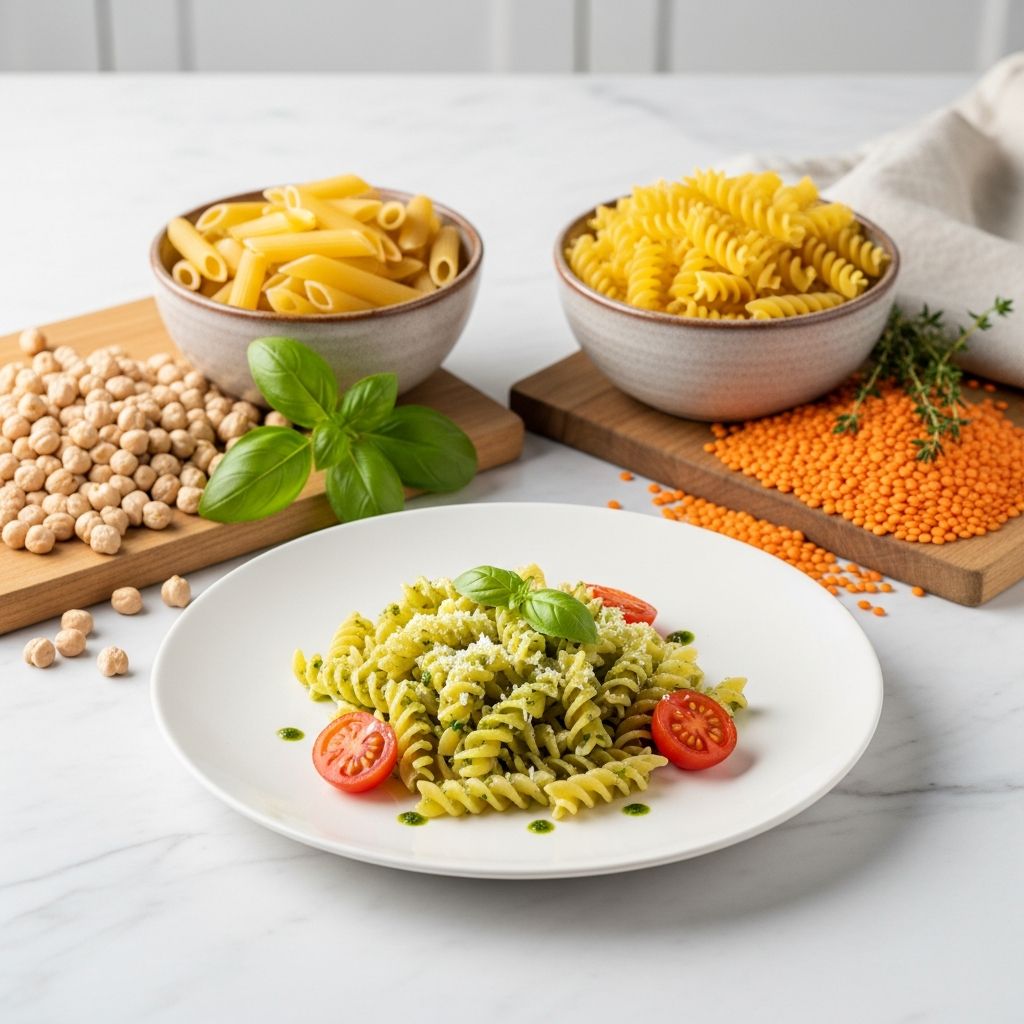
Chickpea and lentil pastas have surged in popularity as gluten-free, nutrient-dense alternatives to traditional wheat pasta. Made from legume flours like chickpeas or lentils, these pastas provide significantly more protein and fiber, making them appealing for those seeking better blood sugar control, digestive health, and weight management.
Unlike refined white pasta, which offers mostly empty carbs, legume pastas deliver vitamins, minerals, and plant compounds that support overall wellness. This article breaks down their nutrition profiles, health benefits, potential downsides, and practical tips for incorporating them into your diet.
What Are Chickpea and Lentil Pastas?
Chickpea pasta is crafted primarily from chickpea flour, often with minimal added ingredients like water or stabilizers. Lentil pasta follows a similar process using red or green lentil flour. Both are naturally gluten-free, making them suitable for celiac disease or gluten sensitivity.
These pastas mimic the shape and texture of wheat pasta—available in spaghetti, penne, rotini, and more—but boast a nuttier flavor and firmer bite. They cook similarly to regular pasta, typically in 8-12 minutes, though they may foam more due to higher protein content.
- Key ingredients: Chickpea or lentil flour (primary), sometimes tapioca or rice flour for texture.
- Gluten-free certification: Most brands are certified, but always check labels.
- Availability: Found in major grocery stores and online.
Nutritional Comparison: Legume Pasta vs. Traditional Pasta
Legume pastas excel nutritionally compared to white or whole-wheat pasta. A standard 2-ounce (57g) dry serving of chickpea pasta delivers about 14g protein, 8-11g fiber, and higher iron—roughly double the protein and fiber of wheat options.
Lentil pasta mirrors this profile, often with 12-15g protein and 7-10g fiber per serving. Both types provide B vitamins, folate, magnesium, and antioxidants absent in refined pasta.
| Nutrient (per 2 oz dry) | Chickpea Pasta | Lentil Pasta | Whole Wheat Pasta | White Pasta |
|---|---|---|---|---|
| Calories | 190-220 | 180-200 | 180 | 200 |
| Protein | 14g | 12-15g | 7g | 7g |
| Fiber | 8-11g | 7-10g | 5g | 2g |
| Net Carbs | 20-30g | 25-35g | 35g | 40g |
| Iron (% DV) | 30% | 25-35% | 11% | 10% |
Source notes: Values approximate based on popular brands like Banza (chickpea) and Barilla (lentil).
Health Benefits of Chickpea and Lentil Pastas
Superior Protein for Satiety and Muscle Support
With 11-25g protein per serving, these pastas promote fullness, aiding weight control. Protein slows digestion, stabilizing energy levels. Plant-based proteins from legumes support muscle repair, especially when paired with veggies or lean meats.
Blood Sugar Management
The high fiber and protein content lowers the glycemic index compared to wheat pasta, slowing carb absorption. Studies link legume consumption to reduced type 2 diabetes risk; one found eating legumes 3+ times weekly cut heart disease risk by 35%.
- Fiber slows sugar release into bloodstream.
- Ideal for diabetes management or low-GI diets.
- Lentil pasta often edges out chickpea in lower net carbs.
Heart Health Promotion
Soluble fiber in chickpeas and lentils binds cholesterol, reducing LDL levels. Polyphenols act as antioxidants, lowering inflammation. Regular intake correlates with decreased cardiovascular risk.
Digestive Health Boost
Prebiotic fiber feeds gut bacteria, supporting microbiome diversity. This aids regularity, reduces IBD risk, and promotes bowel health. However, start with small portions to avoid bloating from fermentable carbs (FODMAPs).
Related Stories



Weight Management Aid
Fiber-protein combo increases satiety hormones, potentially reducing calorie intake. Swapping refined pasta for legume versions supports sustainable weight loss without sacrificing satisfaction.
Gluten-Free and Nutrient-Dense
Perfect for gluten-intolerant individuals, these pastas retain legume nutrients like iron, folate, and magnesium, combating deficiencies common in gluten-free diets.
Potential Downsides and Considerations
While nutritious, legume pastas aren’t perfect. Higher FODMAPs may cause gas or bloating in sensitive individuals. Texture can be grainier if overcooked—rinse in cold water post-cooking for better results.
- Digestive adjustment: Build tolerance gradually.
- Sodium: Some brands add salt; opt for low-sodium.
- Allergies: Rare legume allergies possible.
- Not carb-free: Still 20-35g net carbs/serving.
Fortification varies; check labels for added sugars or fillers.
How to Cook Chickpea and Lentil Pastas Perfectly
Boil in salted water 8-10 minutes until al dente. Avoid overcooking to prevent mushiness. Rinse under cold water to remove excess starch and improve sauce adhesion.
- Use plenty of water (4 quarts per pound).
- Stir frequently to prevent sticking.
- Test doneness early; they cook faster than wheat.
- Pair with robust sauces like pesto, marinara, or cream-based to complement nutty flavor.
Delicious Recipes to Try
Chickpea Pasta Primavera
Sauté zucchini, cherry tomatoes, spinach, and garlic. Toss with cooked chickpea penne, olive oil, lemon zest, and parmesan. Serves 4; ready in 20 minutes.
Lentil Pasta Bolognese
Simmer lentils, mushrooms, tomato sauce, and herbs for a meaty vegan ragu. Mix with lentil spaghetti. High-protein comfort food.
One-Pot Chickpea Pasta
Combine pasta, broth, veggies, and spices in one pot. Simmer until tender. Minimal cleanup, maximum flavor.
Experiment with Asian-inspired stir-fries or cold pasta salads for variety.
Frequently Asked Questions (FAQs)
Is chickpea pasta healthier than whole wheat pasta?
Yes, it offers double the protein and fiber, better for blood sugar and satiety.
Can lentil pasta help with diabetes?
Its low glycemic impact and high fiber/protein support stable blood sugar.
Are these pastas gluten-free?
Most are, but verify labels for cross-contamination.
How do they taste compared to regular pasta?
Nuttier and earthier; best with bold sauces.
Can I use them in any recipe?
Yes, but adjust cooking time and pair thoughtfully.
Bottom Line: A Smart Pasta Swap
Chickpea and lentil pastas are healthy upgrades, delivering more nutrition with fewer refined carbs. Ideal for gluten-free, plant-based, or balanced diets, they support heart health, digestion, and weight goals. Incorporate them 2-3 times weekly for benefits without monotony.
References
- Chickpea Pasta: Nutrients, Benefits, and Recipes — Healthline. 2023-10-15. https://www.healthline.com/nutrition/chickpea-pasta
- Is Chickpea Pasta Diabetic-Friendly? Why Protein Pasta Wins — World of Pastabilities. 2024-05-20. https://worldofpastabilities.com/blogs/noodle-notes/chickpea-pasta-diabetics-guide
- Legume Consumption and Risk of Coronary Heart Disease — American Heart Association Journals (via PubMed). 2019-11-01. https://doi.org/10.1161/CIRCRESAHA.119.315317
- Dietary Fiber Intake and Risk of Colorectal Cancer — World Cancer Research Fund / American Institute for Cancer Research. 2022-07-12. https://www.wcrf.org/dietary-fiber-and-colorectal-cancer-risk/
- Chickpeas and Heart Health — USDA Agricultural Research Service. 2023-02-28. https://www.ars.usda.gov/research/publications/publication/?seqNo115=413456
Similar Articles








Read full bio of Sneha Tete