Are Chickpeas Healthy? Nutrition Benefits Explained
Discover why chickpeas are a nutritional powerhouse for heart health, weight management, and disease prevention.
Are Chickpeas Healthy? A Comprehensive Guide to Their Nutritional Benefits
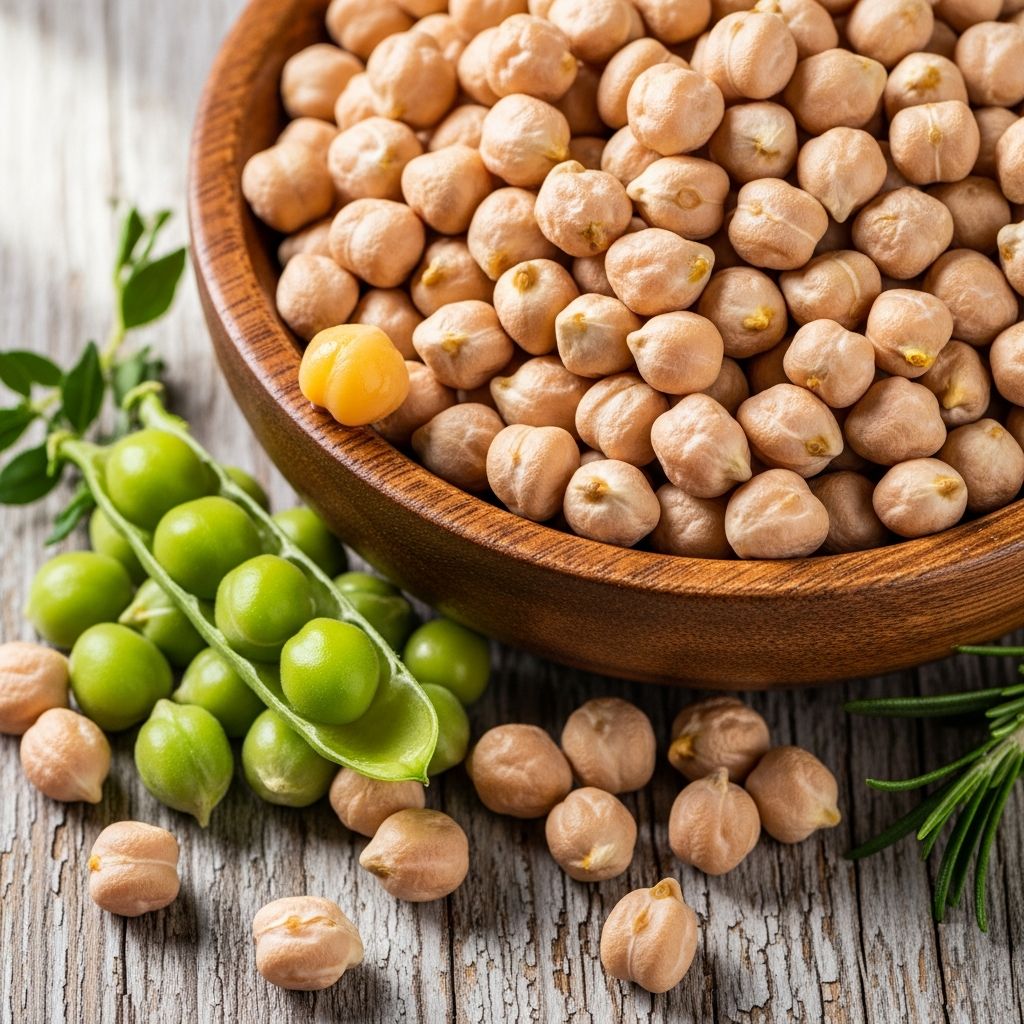
Chickpeas, also known as garbanzo beans, have become increasingly popular in diets worldwide, particularly as a key ingredient in hummus and other plant-based dishes. But beyond their versatility and delicious taste, chickpeas offer remarkable nutritional benefits that make them a genuine superfood. Whether you’re a vegetarian, vegan, or simply looking to improve your diet, chickpeas deserve a prominent place on your plate.
The Nutritional Powerhouse: What’s Inside a Cup of Chickpeas
One of the most compelling reasons to include chickpeas in your diet is their impressive nutritional profile. A single cup of cooked chickpeas (approximately 164 grams) provides a balanced mix of macronutrients and micronutrients that support overall health.
Here’s what you’ll find in one cup of cooked chickpeas:
- Calories: 269
- Protein: 14.5 grams
- Fat: 4 grams
- Carbohydrates: 45 grams
- Fiber: 12.5 grams
- Manganese: 74% of the Daily Value (DV)
- Folate (Vitamin B9): 71% of the DV
- Copper: 64% of the DV
- Iron: 26% of the DV
- Zinc: 23% of the DV
- Phosphorus: 22% of the DV
- Magnesium: 19% of the DV
- Thiamine: 16% of the DV
- Vitamin B6: 13% of the DV
- Selenium: 11% of the DV
- Potassium: 10% of the DV
What makes chickpeas particularly special is that they’re an exceptional source of manganese and folate, both essential nutrients for various bodily functions. Additionally, chickpeas provide vitamins A, C, E, and K, along with beneficial polyunsaturated fats that support heart health.
Plant-Based Protein: The Vegetarian’s Best Friend
For anyone following a vegetarian or vegan diet, chickpeas are a game-changer. With approximately 14.5 grams of protein per cup, they match the protein content of comparable legumes like black beans and lentils. This makes them an excellent alternative to meat-based protein sources.
What sets chickpeas apart from many other plant-based proteins is their amino acid profile. Chickpeas are considered a complete protein, containing all nine essential amino acids—the building blocks your body cannot produce on its own. The only amino acid present in lower amounts is methionine, which can be easily supplemented through other food sources.
The protein in chickpeas serves multiple functions:
- Promotes fullness and appetite control
- Supports weight management
- Maintains bone health
- Builds and preserves muscle strength
Additionally, consumers who regularly eat chickpeas show significantly higher intakes of dietary fiber, protein, folate, zinc, iron, and magnesium while consuming less saturated fat.
Blood Sugar Control and Diabetes Prevention
If you’re concerned about blood sugar management or type 2 diabetes risk, chickpeas are an excellent dietary choice. These legumes have a low glycemic index (GI), meaning they don’t cause rapid spikes in blood glucose levels.
The combination of fiber and protein in chickpeas is particularly beneficial for blood sugar regulation. Research has demonstrated compelling results: in one 12-week study, participants who consumed four 10.5-ounce cans of chickpeas per week experienced a notable reduction in fasting insulin levels—a critical marker of blood sugar regulation.
Related Stories



Multiple studies have linked chickpea consumption with a reduced risk of several chronic diseases, including diabetes and heart disease. These protective effects are largely attributed to their ability to lower blood sugar levels and improve insulin sensitivity.
Beyond blood sugar management, chickpeas contain several nutrients specifically beneficial for diabetes prevention:
- Magnesium: Helps regulate glucose metabolism
- B vitamins: Support energy production and metabolic function
- Zinc: Aids in glucose control and insulin function
Heart Health and Cardiovascular Protection
Your cardiovascular system benefits tremendously from regular chickpea consumption. Chickpeas are naturally low in sodium and cholesterol-free, while being rich in heart-healthy nutrients like magnesium and potassium.
The cardiovascular benefits of chickpeas include:
- Blood pressure regulation: Potassium and magnesium help prevent high blood pressure, a major risk factor for heart disease
- Cholesterol reduction: Soluble fiber in chickpeas reduces triglycerides and LDL (bad) cholesterol levels
- Polyunsaturated fats: These healthy fats help control and reduce overall cholesterol levels
A comprehensive review of 26 scientific studies found that consuming at least one serving per day of legumes, including chickpeas, significantly lowered LDL cholesterol. Furthermore, the higher amounts of dietary fiber and vegetable protein in chickpeas contribute to improved cardiovascular outcomes.
Weight Management and Satiety
If weight management is your goal, chickpeas can be a powerful ally. The combination of protein and fiber creates a powerful satiety effect—meaning chickpeas keep you feeling full longer.
This fullness factor is crucial for weight management because:
- Reduces overall calorie intake by decreasing hunger and cravings
- Stabilizes energy levels throughout the day
- Prevents overeating and unnecessary snacking
- Promotes sustainable, long-term weight loss
The high fiber content (12.5 grams per cup) plays a significant role in appetite control, as fiber slows digestion and provides sustained energy.
Digestive Health and Cancer Prevention
The substantial fiber content in chickpeas—both soluble and insoluble—makes them excellent for digestive health. This high fiber content helps prevent constipation and maintains optimal gastrointestinal health.
Beyond digestive benefits, chickpeas contain bioactive components that may help prevent cancer:
- Antioxidants: Help remove harmful free radicals that can damage cells
- Phytochemicals: Plant compounds with protective health effects
- Bioactive peptides: Protein compounds with disease-fighting properties
- Selenium and beta-carotene: Powerful antioxidants that reduce cancer risk
- Butyrate: A fatty acid produced during chickpea digestion that may reduce colorectal cancer risk
Iron Content and Anemia Prevention
For vegans, vegetarians, and anyone concerned about iron deficiency, chickpeas are a nutritional solution. A single cup of chickpeas contains 4.7 mg of iron, representing 26% of the daily value.
Iron is essential because without it, your body cannot efficiently deliver oxygen to cells, potentially leading to iron deficiency anemia. Symptoms of iron deficiency include weakness, fatigue, and shortness of breath.
What makes chickpeas particularly effective for iron absorption is their vitamin C content. Vitamin C enhances your body’s ability to absorb plant-based iron, making chickpeas an ideal food combination for preventing iron deficiency anemia.
This makes chickpeas especially valuable for:
- Vegans and vegetarians with limited iron sources
- Individuals with iron deficiency anemia
- Women of reproductive age requiring higher iron intake
- Anyone seeking plant-based iron alternatives
Bone Health and Mineral Support
Strong, healthy bones require specific minerals, and chickpeas deliver them effectively. Chickpeas provide calcium, magnesium, and phosphorus—each crucial for maintaining bone density and strength.
Additionally, chickpeas contain other bone-supporting nutrients like manganese (74% of daily value) and zinc (23% of daily value). If you’re using dried chickpeas, soaking them before cooking helps reduce phytates—compounds that can interfere with calcium absorption—making the minerals even more bioavailable to your body.
Brain and Nervous System Function
Chickpeas contain choline, a nutrient that plays a vital role in brain function and nervous system health. Additionally, their B vitamins, including folate and thiamine, support cognitive function, mood regulation, and mental clarity.
How to Incorporate Chickpeas Into Your Diet
The versatility of chickpeas makes them easy to incorporate into virtually any diet. Here are popular ways to enjoy them:
- Hummus: A delicious dip made from chickpea puree, tahini, lemon, and garlic
- Roasted chickpea snacks: Seasoned and baked until crispy
- Salads: Add whole chickpeas to green salads for protein and texture
- Curries: A staple in Indian and Middle Eastern cuisine
- Soups and stews: Hearty additions to warming bowls
- Buddha bowls: Combine with grains, vegetables, and healthy fats
- Pasta dishes: Blend into creamy sauces or use whole
- Baked goods: Chickpea flour creates nutritious alternatives
Americans have dramatically increased their chickpea consumption in recent years, particularly through hummus, making it increasingly easy to find chickpea products in most grocery stores.
Frequently Asked Questions About Chickpeas
Q: Are canned chickpeas as healthy as dried chickpeas?
A: Yes, canned chickpeas retain most nutritional benefits of dried chickpeas. While some nutrients may be slightly reduced during processing, canned chickpeas remain an excellent source of protein, fiber, vitamins, and minerals. For maximum nutrition, look for canned varieties with low sodium content.
Q: How much protein is in chickpeas compared to meat?
A: One cup of cooked chickpeas provides 14.5 grams of protein, comparable to similar plant-based legumes. While this is less than some animal proteins per serving, chickpeas offer additional benefits including fiber, complex carbohydrates, and numerous micronutrients that meat doesn’t provide.
Q: Can chickpeas help with weight loss?
A: Yes, chickpeas can support weight management due to their high fiber and protein content, which promote satiety and reduce overall calorie intake. The combination of these nutrients keeps you feeling full longer, reducing cravings and unnecessary snacking.
Q: Are chickpeas suitable for people with diabetes?
A: Absolutely. Chickpeas have a low glycemic index and contain nutrients that support blood sugar management, including fiber, protein, magnesium, and B vitamins. They can be an excellent addition to a diabetes-friendly diet when portion sizes are appropriate.
Q: How much chickpea consumption is beneficial?
A: Research suggests that consuming at least one serving per day of legumes, including chickpeas, provides significant health benefits. A serving is typically considered half a cup of cooked chickpeas, making them easy to incorporate into daily meals.
Q: Do chickpeas cause digestive issues?
A: While the high fiber content in chickpeas is beneficial for digestive health, introducing them gradually can prevent temporary bloating or gas, especially if you’re not accustomed to fiber-rich foods. Soaking dried chickpeas and cooking them thoroughly also improves digestibility.
Conclusion: Making Chickpeas Part of Your Healthy Diet
Chickpeas truly deserve their reputation as a nutritional powerhouse. With their impressive combination of protein, fiber, vitamins, minerals, and bioactive compounds, chickpeas offer comprehensive health benefits ranging from heart disease prevention to improved blood sugar control. Whether your goal is weight management, supporting a plant-based diet, or reducing chronic disease risk, chickpeas provide an inexpensive, versatile, and delicious solution. Adding chickpeas to your regular diet is a simple yet powerful step toward better long-term health and wellness.
References
- 10 Health and Nutrition Benefits of Chickpeas — Healthline. 2024. https://www.healthline.com/nutrition/chickpeas-nutrition-benefits
- Chickpeas: Health benefits and nutritional information — Medical News Today. 2024. https://www.medicalnewstoday.com/articles/280244
- 5 Health Benefits of Chickpeas — Cleveland Clinic Health System. 2024. https://health.clevelandclinic.org/health-benefits-of-chickpeas
- Chickpeas (Garbanzo Beans) — Harvard School of Public Health, The Nutrition Source. 2024. https://nutritionsource.hsph.harvard.edu/food-features/chickpeas-garbanzo-beans/
- The Health Benefits of Chickpeas — UConn Extension. November 2024. https://publications.extension.uconn.edu/publication/the-health-benefits-of-chickpeas/
- The Nutritional Value and Health Benefits of Chickpeas and Hummus — National Center for Biotechnology Information (NCBI). 2016. https://pmc.ncbi.nlm.nih.gov/articles/PMC5188421/
Similar Articles








Read full bio of medha deb