Chickpeas: 8 Health Benefits To Boost Your Diet
Discover the impressive health benefits of chickpeas, from nutrient density to disease prevention and versatile meal ideas.
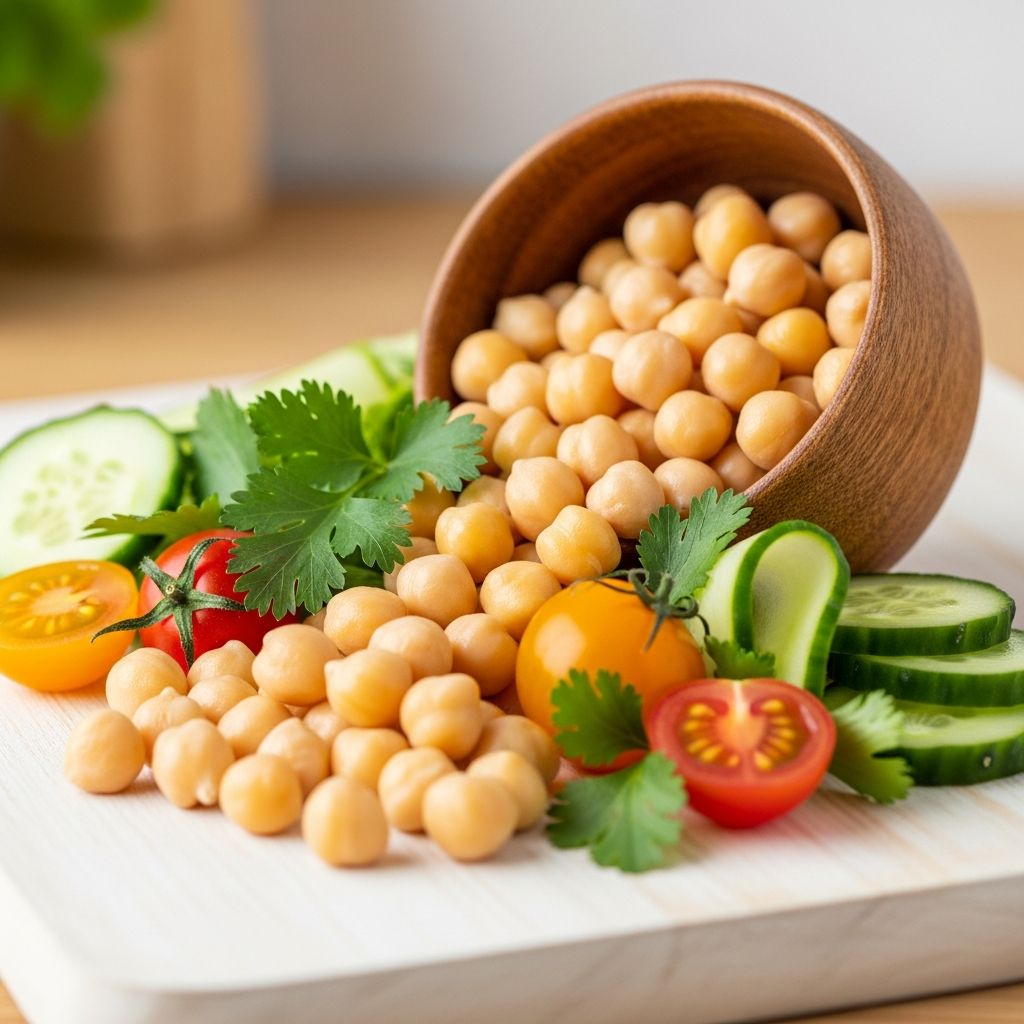
Chickpeas, also known as garbanzo beans, are a nutrient-dense legume celebrated for their versatility in cuisines worldwide, from hummus to salads and curries. These round, beige seeds pack a powerful nutritional punch, offering high levels of protein, fiber, vitamins, and minerals that contribute to overall health. Research shows chickpeas support weight management, stabilize blood sugar, promote heart health, aid digestion, and may lower risks of chronic diseases like diabetes and cancer.
Chickpeas Nutrition Facts
A one-cup (164-gram) serving of cooked chickpeas provides approximately 269 calories, making it a moderate-energy food ideal for balanced diets. About 67% of calories come from carbohydrates, with the remainder from protein and healthy fats. This serving delivers 14.5 grams of protein—comparable to black beans or lentils—and 12.5 grams of fiber, fulfilling a significant portion of daily needs.
Chickpeas stand out for their rich mineral content, including 74% of the daily value (DV) for manganese, 71% for folate (vitamin B9), 64% for copper, 26% for iron, and substantial amounts of zinc, phosphorus, magnesium, and thiamine. They also contain vitamins like B6, selenium, potassium, vitamin E, and vitamin K, supporting everything from energy metabolism to immune function.
| Nutrient | Amount per 1 Cup (164g) Cooked | % Daily Value |
|---|---|---|
| Calories | 269 kcal | – |
| Protein | 14.5 g | 29% |
| Fat | 4.25 g | 5% |
| Carbohydrates | 44.9 g | 16% |
| Fiber | 12.5 g | 45% |
| Sugars | 7.87 g | – |
| Manganese | – | 74% |
| Folate (B9) | – | 71% |
| Copper | – | 64% |
| Iron | 4.7 mg | 26% |
| Zinc | – | 23% |
| Phosphorus | – | 22% |
| Magnesium | – | 19% |
| Potassium | 477 mg | 10% |
This profile makes chickpeas a staple for plant-based eaters and those seeking nutrient-rich foods without excess calories.
Health Benefits of Chickpeas
1. Help with Weight Loss
The combination of protein and fiber in chickpeas promotes satiety, reducing overall calorie intake. A study with 12 women found that consuming 1.25 cups (200g) of chickpeas before a meal led to significantly lower appetite and calorie consumption compared to white bread. This filling effect stems from chickpeas’ ability to slow digestion and stabilize hunger hormones.
Regular chickpea consumers show higher intakes of fiber and healthier eating patterns, correlating with better weight management. Soluble fiber binds to fats and sugars, further aiding portion control and fat loss.
2. Stabilize Blood Sugar Levels
Chickpeas have a low glycemic index (GI), meaning they cause gradual blood sugar rises rather than spikes, thanks to their fiber content slowing carbohydrate absorption. In one study, chickpeas suppressed post-meal blood sugar increases by up to 36% versus white bread. A 12-week trial with 45 participants eating chickpeas weekly reduced fasting insulin levels, a key marker for blood sugar regulation.
This makes chickpeas suitable for diabetes management. The American Diabetes Association recommends them as a fiber source, with reviews showing long-term pulse consumption improves glycemic control and lowers LDL cholesterol.
3. Rich Source of Plant Protein
Providing 14.5 grams of protein per cup, chickpeas are an excellent plant-based option, nearly complete in essential amino acids (lacking only methionine in lower amounts). This supports muscle maintenance, bone health, and fullness. Studies link chickpea protein quality to better weight control and metabolic health compared to other legumes.
Related Stories



Vegetarians and vegans benefit particularly, as chickpeas boost overall protein intake alongside fiber for sustained energy.
4. Support Heart Health
Fiber in chickpeas, especially soluble types, lowers total and LDL cholesterol by binding bile acids, reducing cardiovascular risk. Potassium (477mg per cup) helps regulate blood pressure, countering sodium’s effects—opt for low-sodium canned or dry varieties.
NHANES data indicates chickpea consumers have higher polyunsaturated fat and nutrient intakes linked to better heart profiles. Vegetable proteins from chickpeas may offer additional CVD protection.
5. Promote Gut Health
With 12.5 grams of fiber per serving—including both soluble and insoluble types—chickpeas feed beneficial gut bacteria, producing short-chain fatty acids that nourish the colon lining. This supports regular bowel movements and may reduce risks of digestive disorders.
Studies confirm higher fiber intake from chickpeas improves diet quality and gut microbiome diversity.
6. May Reduce Cancer Risk
Preliminary research suggests chickpea protein hydrolysates exhibit anticancer properties, potentially lowering colon cancer likelihood. Their antioxidants, fiber, and anti-inflammatory compounds contribute. Folate and other nutrients may further protect cellular health, though more human studies are needed.
7. Support Brain Health
Choline in chickpeas aids mood, memory, muscle control, and metabolism. B vitamins like folate support neurotransmitter production, potentially benefiting mental health. Consumers show higher vitamin intakes linked to cognitive function.
8. Help Prevent Anemia
Chickpeas provide 4.7mg of iron per cup (26% DV), plus vitamin C for better absorption, combating iron-deficiency anemia. Regular intake ensures steady oxygen delivery to cells.
Potential Downsides of Chickpeas
While highly nutritious, chickpeas contain antinutrients like phytic acid and lectins, which can bind minerals and reduce absorption if consumed raw. Cooking neutralizes most, but soaking and sprouting further minimizes issues.
High fiber may cause bloating or gas in sensitive individuals—introduce gradually and stay hydrated. Those with legume allergies should avoid them. Canned versions often have added sodium; rinse thoroughly or choose no-salt-added.
FODMAP sensitivity affects some with IBS; smaller portions help. Overall, benefits outweigh risks for most.
Healthy Ways to Add Chickpeas to Your Diet
- Salads: Toss roasted chickpeas with greens, veggies, and lemon-tahini dressing for crunch and protein.
- Hummus: Blend chickpeas with garlic, tahini, olive oil, and spices—perfect for veggie dips or spreads.
- Soups and Stews: Add to minestrone, chili, or curries for thickness and nutrition.
- Roasted Snacks: Season with spices, oil, and bake at 400°F for 20-30 minutes—crispy and portable.
- Grain Bowls: Pair with quinoa, roasted veggies, and avocado for balanced meals.
- Flour Alternatives: Use chickpea flour for socca flatbreads, pancakes, or baking to boost protein.
Aim for ½-1 cup several times weekly. Dry chickpeas yield more value; soak overnight before cooking.
Frequently Asked Questions (FAQs)
Are chickpeas good for weight loss?
Yes, their protein and fiber promote fullness, reducing calorie intake. Studies show chickpea meals lower appetite compared to refined carbs.
Do chickpeas raise blood sugar?
No, their low GI and fiber content stabilize blood sugar, making them diabetes-friendly.
Are canned chickpeas healthy?
Yes, if low-sodium and rinsed to cut salt by up to 40%. Dry are preferable for control.
Can chickpeas cause gas?
Possibly due to fiber and oligosaccharides; cooking thoroughly and gradual intake minimize this.
Are chickpeas a complete protein?
Nearly—they provide most essential amino acids. Pair with grains for completeness.
Bottom Line
Chickpeas are undeniably healthy, delivering fiber, plant protein, vitamins, and minerals that aid weight control, blood sugar balance, heart and gut health, and disease prevention. Incorporate them regularly for nutrient boosts and culinary variety.
References
- 10 Health and Nutrition Benefits of Chickpeas — Healthline. 2023-05-15. https://www.healthline.com/nutrition/chickpeas-nutrition-benefits
- Chickpeas: Health benefits and nutritional information — Medical News Today. 2023-11-20. https://www.medicalnewstoday.com/articles/280244
- The Nutritional Value and Health Benefits of Chickpeas and Hummus — PMC (NCBI). 2016-11-28. https://pmc.ncbi.nlm.nih.gov/articles/PMC5188421/
Similar Articles








Read full bio of Sneha Tete