Are Colon Cleanses Safe? Facts vs. Marketing
Separating myth from reality: what science says about colon cleansing safety and effectiveness.
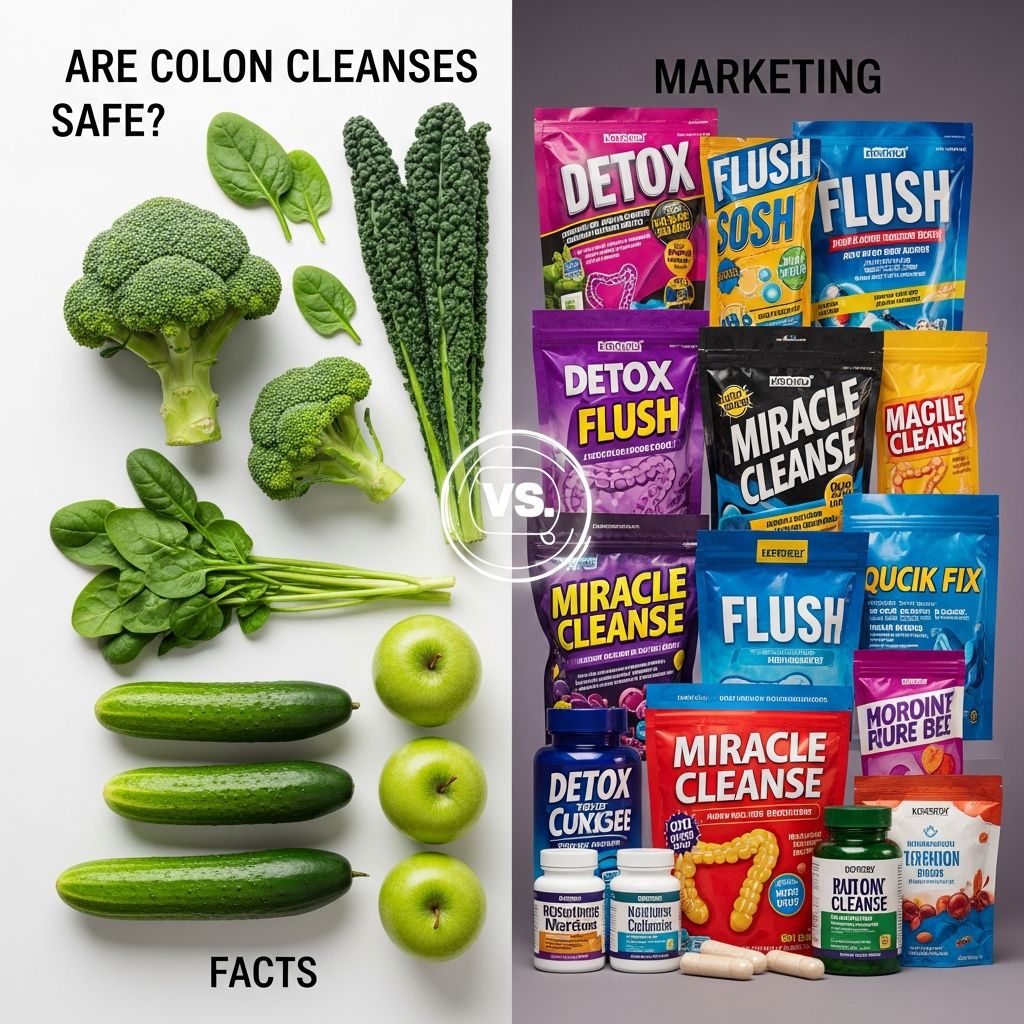
Are Colon Cleanses Safe? Separating Fact from Marketing Claims
The market for colon cleanses has exploded in recent years, with companies promoting various products and procedures as ways to remove “toxic waste,” boost energy, improve immunity, and jumpstart weight loss. Yet despite their popularity and the persuasive marketing behind them, the scientific evidence supporting colon cleanses remains remarkably thin. Moreover, regulatory agencies and major medical organizations have serious concerns about both their safety and efficacy.
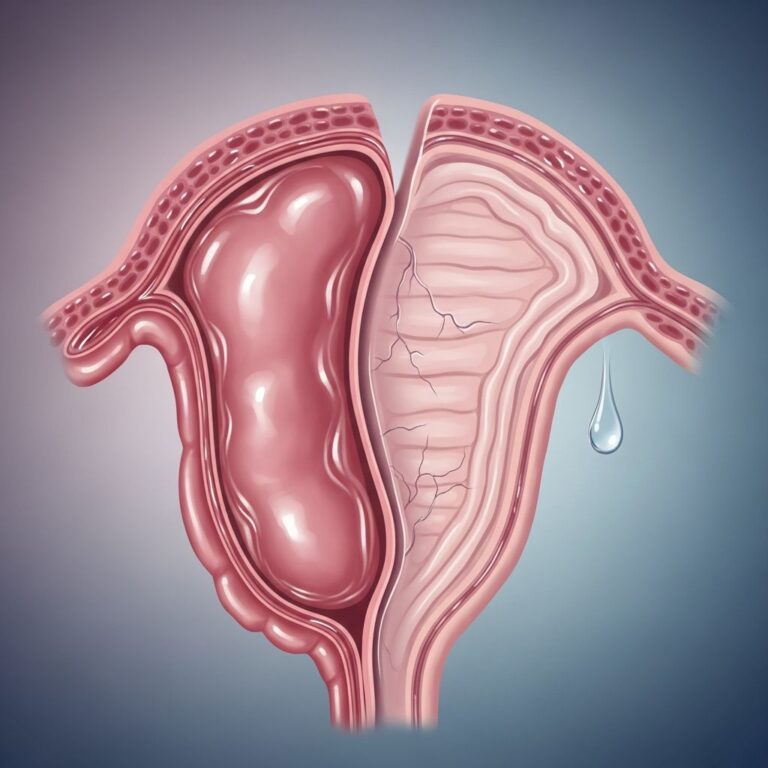
Your colon—the large intestine—plays a vital role in your digestive system by absorbing water and electrolytes from food waste before it’s eliminated from your body. The fundamental question many people ask is whether this system needs external help to function properly. The answer, according to medical professionals and evidence-based research, is no. Your body has evolved sophisticated mechanisms for managing waste removal and maintaining digestive health without the need for commercial cleanses.
Understanding What Your Body Already Does
One of the most important facts to understand is that your colon, liver, and kidneys are already equipped with natural detoxification systems. These organs work continuously to filter waste products from your bloodstream and eliminate them through normal bowel movements, urine, and other bodily processes. The concept of “toxic waste” accumulating on colon walls—a central marketing claim of the cleanse industry—lacks scientific support.
When you eat food, it moves through your digestive tract over approximately 24 to 72 hours. During this transit, your intestines absorb nutrients and water while moving solid waste (stool) toward elimination. Regular bowel movements naturally remove this waste material. There is no evidence that additional material remains “stuck” or “stagnant” on your colon walls in healthy individuals.
Furthermore, your colon harbors trillions of beneficial bacteria—your microbiome—that play essential roles in immune function, nutrient absorption, and even mental health. Colon cleanses can disrupt this delicate bacterial balance, potentially harming the very system they claim to help.
FDA Approval and Regulatory Status
A critical fact that consumers should know is that the FDA has not approved any supplements or colon irrigation systems for routine “cleansing” or general wellness purposes. This lack of approval is not accidental or arbitrary—it reflects the absence of convincing clinical evidence demonstrating that these products work as marketed.
The FDA and Federal Trade Commission have taken enforcement action against multiple companies selling colon cleanse and detox products. These actions have been triggered by products containing hidden or potentially harmful ingredients, false marketing claims about treating serious diseases, and in some cases, medical devices marketed for unapproved uses. As early as the 2000s, the FDA issued warning letters to manufacturers of colon irrigation machines regarding their promotion for non-medical uses.
Because most colon cleanse products are classified as dietary supplements, they face less rigorous regulation than pharmaceutical drugs. This regulatory gap means that products can reach the market without FDA approval, and quality control, ingredient verification, and safety testing may be minimal or absent.
What Medical Organizations Say
Major medical groups, including gastroenterology associations and leading medical institutions, do not recommend colon cleanses for health maintenance or disease prevention. The rationale is straightforward: the benefits are unproven while the risks are real and well-documented.
The only clinically justified use of intensive bowel preparation is before a colonoscopy—a medical procedure where visualization of the colon is essential for detecting polyps, cancer, or other abnormalities. In this specific context, doctors prescribe particular solutions with precise timing instructions to ensure adequate bowel preparation. This is fundamentally different from over-the-counter wellness cleanses.
Related Stories



Common Colon Cleanse Methods
Understanding the various types of colon cleanses available can help you make informed decisions:
| Method | How It Works | Claimed Benefits | Duration | Potential Side Effects | Safety Considerations |
|---|---|---|---|---|---|
| Oral Supplements (laxatives, teas, enzymes, herbs) | Pills, powders, or teas taken by mouth | Detoxification, energy boost, weight loss | Hours to days | Cramping, diarrhea, nausea, dehydration, electrolyte imbalance | Not FDA-approved; limited evidence; potential drug interactions |
| Enemas | Small-volume liquid introduced rectally | Relief from constipation | Minutes per use | Cramping, irritation, electrolyte issues if overused | Appropriate for occasional constipation under medical guidance; not for detox |
| Colon Irrigation (Colonic Hydrotherapy) | High-volume water via rectal tube, sometimes with additives | Detoxification, wellness improvement | 45-60 minutes per session | Infection, perforation, dehydration, electrolyte imbalance | Not FDA-approved for wellness; devices regulated as medical equipment; no proven benefit |
| Medical Bowel Prep (for colonoscopy) | Prescribed oral solutions (PEG-based) timed before procedure | Colon visualization for medical examination | 1-2 days of preparation | Bloating, cramping, temporary diarrhea | Ordered by physician; used only for legitimate medical procedures |
Documented Side Effects and Risks
While marketing materials often downplay risks, colon cleanses can produce both common and serious complications:
Common Side Effects
Mild to moderate side effects occur frequently and include cramping, bloating, diarrhea, nausea, vomiting, and irritation or soreness around the anus. These effects typically resolve quickly but can be uncomfortable and disruptive to daily activities.
Serious Complications
Dehydration and Electrolyte Imbalances: Aggressive colon cleansing causes significant fluid loss. For people with heart disease or kidney disease, electrolyte imbalances can trigger dangerous cardiac arrhythmias or other life-threatening conditions.
Bowel Perforation and Infection: Colon irrigation equipment, particularly when used by untrained providers or in non-sterile settings, can perforate (puncture) the bowel wall. This medical emergency requires immediate hospitalization and potentially surgery. Infections following colon irrigation have also been documented.
Kidney Problems: Severe dehydration and electrolyte loss can impair kidney function, particularly in individuals with pre-existing kidney disease.
Microbiome Disruption: Colon cleanses eliminate beneficial bacteria, potentially increasing vulnerability to pathogenic infections and reducing immune function.
Herbal Toxicity: Some herbal colon cleanse products have been linked to serious blood disorders (aplastic anemia, where bone marrow stops producing blood cells) and liver injury.
Coffee Enema Deaths: Coffee enemas, promoted by some alternative practitioners, have been associated with fatalities and are strongly discouraged by medical authorities.
Who Should Avoid Colon Cleanses
Certain individuals face heightened risk of serious complications and should especially avoid colon cleanses:
– Inflammatory bowel disease (Crohn’s disease, ulcerative colitis)- Diverticulitis or history of diverticular disease- Prior colon surgery- Severe hemorrhoids- Heart disease- Kidney disease- Pregnancy- Severe constipation- Weakened immune system- History of gastrointestinal infections
If you have any of these conditions, discussing colon cleansing with your physician is essential before proceeding.
The Problem with Colon Cleanse Practitioners
Unlike physicians, colon cleanse practitioners are not licensed by scientific or medical authorities. While they may complete training programs, these certificates typically come from private organizations rather than medical boards. This means there is no independent oversight ensuring that procedures are medically necessary, performed safely, or standardized across practitioners. Quality and safety can vary dramatically depending on who is performing the procedure and what setting they operate in.
The machines used for colon irrigation are regulated as medical devices, yet they are not FDA-approved for routine wellness cleansing. This regulatory gap allows practitioners to use equipment that hasn’t met the safety standards required for approved medical applications.
What the Science Actually Shows
When researchers have studied colon cleanse products and procedures, they have found limited clinical evidence supporting the marketed claims. Studies show no clear benefits for energy, immunity, weight loss, or disease prevention. In contrast, documented harms are well-established.
The claims about removing “toxic waste” encrusted on colon walls have no anatomical or physiological basis. The colon does not work by accumulating waste in layers. Instead, it functions as a continuous transit system where stool moves predictably toward elimination.
Additionally, some juices and products used in “detoxes” that haven’t been pasteurized or otherwise treated to kill harmful bacteria can themselves cause serious infections, particularly in children, elderly individuals, and people with compromised immune systems.
Safer and Evidence-Based Alternatives
If you’re seeking to improve your digestive health and overall well-being, evidence-based approaches are both safer and more effective:
Increase Dietary Fiber
Soluble and insoluble fiber support healthy bowel movements and feed beneficial gut bacteria. Sources include whole grains, fruits, vegetables, legumes, and nuts. Gradually increasing fiber intake allows your digestive system to adapt.
Stay Hydrated
Adequate water intake supports digestive function and prevents constipation. Most adults should aim for 8-10 glasses daily, adjusting for activity level and climate.
Regular Physical Activity
Exercise stimulates intestinal contractions and promotes healthy bowel movements. Even moderate activity like brisk walking for 30 minutes daily provides digestive benefits.
Balanced, Whole-Food Nutrition
A diet rich in whole foods—vegetables, fruits, whole grains, lean proteins, and healthy fats—naturally supports digestive health without requiring aggressive interventions.
Manage Stress
Stress significantly impacts digestive function. Yoga, meditation, deep breathing exercises, and adequate sleep support both mental health and digestion.
When to Seek Medical Attention
If you experience persistent digestive symptoms such as chronic constipation, bloating, abdominal pain, blood in stool, or unexplained weight loss, schedule an appointment with your healthcare provider rather than self-treating with a colon cleanse. These symptoms may indicate underlying conditions requiring proper medical evaluation and treatment.
Your doctor can determine whether your symptoms warrant further investigation, such as colonoscopy, or whether they reflect dietary, lifestyle, or other modifiable factors.
Frequently Asked Questions
Q: Do I need a colon cleanse to be healthy?
A: No. Your colon functions effectively without external cleansing. A healthy diet, adequate hydration, regular exercise, and stress management support natural digestive function.
Q: Are colon cleanses effective for weight loss?
A: Colon cleanses may produce temporary weight loss through fluid loss, but this is not fat loss and weight typically returns when you resume normal eating. There is no evidence they support lasting weight management.
Q: Can colon cleanses improve my immune system?
A: No. In fact, by disrupting beneficial gut bacteria essential for immune function, colon cleanses may temporarily weaken immunity rather than strengthen it.
Q: Is colon irrigation safer than oral supplements?
A: Both carry risks. Colon irrigation poses higher risks of serious complications like perforation and infection, while oral supplements can cause dehydration and electrolyte imbalances. Neither is necessary for health.
Q: What should I do if I’m already considering a colon cleanse?
A: Talk with your doctor first. If you have digestive symptoms, they can help identify the actual cause and recommend safe, evidence-based treatments. Avoid products making disease-treatment claims.
Q: Is colon prep for colonoscopy the same as a wellness cleanse?
A: No. Medical bowel prep prescribed for colonoscopy is a necessary, time-limited procedure ordered by physicians to prepare for a specific medical examination. Wellness cleanses lack medical justification and are unnecessary.
References
- Detoxes and Cleanses: What You Need To Know — National Center for Complementary and Integrative Health (NCCIH). Updated 2024. https://www.nccih.nih.gov/health/detoxes-and-cleanses-what-you-need-to-know
- Colon Cleanse: Benefits, Methods, Risks & Health Implications — WebMD. Updated 2024. https://www.webmd.com/balance/natural-colon-cleansing-is-it-necessary
- Colon Cleanse: Safety, Risks, and Safer Alternatives — BodySpec. https://www.bodyspec.com/blog/post/colon_cleanse_safety_risks_and_safer_alternatives
- Dangers of Colon Cleansing: More Harm Than Good — News Medical Life Sciences. 2011-08-01. https://www.news-medical.net/news/20110801/Dangers-of-colon-cleansing-More-harm-than-good.aspx
- U.S. Food and Drug Administration (FDA) Regulatory Information — FDA.gov. https://www.fda.gov
Similar Articles








Read full bio of medha deb