Dried Cranberries: Health Pros, Cons, And Better Alternatives
Discover the nutritional benefits and potential drawbacks of dried cranberries.
Are Dried Cranberries Good for You?
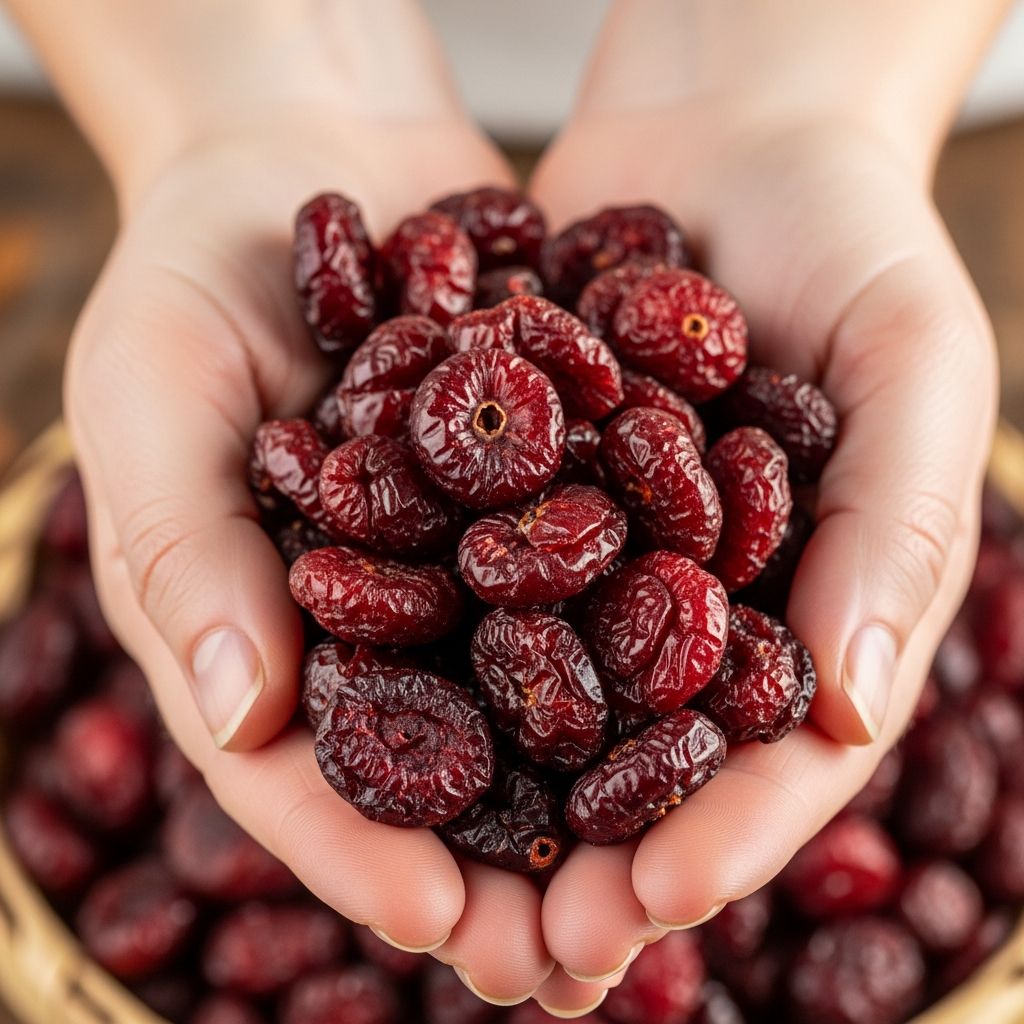
Cranberries have long been recognized for their impressive nutritional profile and potential health benefits. However, when it comes to dried cranberries, the story becomes more complicated. While fresh cranberries are packed with vitamins, minerals, and antioxidants, the drying process and added ingredients can significantly alter their nutritional value. Understanding the difference between fresh and dried cranberries is essential for making informed dietary choices.
The Nutritional Profile of Cranberries
Fresh cranberries are nutritional powerhouses that contain approximately 90% water and are primarily composed of carbohydrates and fiber. They are rich in essential vitamins and minerals, including vitamin C, vitamin E, vitamin K, and manganese. A cup of raw cranberries contains only 50 calories, making them an excellent low-calorie addition to any diet.
Cranberries are particularly notable for their exceptionally high antioxidant content. In fact, research has shown that cranberries have the highest level of phenols among 20 common fruits studied, with red grapes ranking a distant second. These antioxidants, including anthocyanins and polyphenols, work to neutralize free radicals and reduce oxidative stress in the body. The anthocyanins are responsible for the cranberries’ distinctive dark red color and have been linked to anti-inflammatory and anti-cancer properties.
How Drying Changes Nutritional Content
The process of converting fresh cranberries into dried cranberries dramatically affects their nutritional composition. One of the most significant changes occurs in vitamin content. While one cup of fresh cranberries contains 14.6 mg of vitamin C, the same volume of dried cranberries contains only 0.3 mg—a reduction of over 97%. This substantial loss of vitamin C is a major concern for those relying on dried cranberries as a source of this essential nutrient.
Beyond vitamin loss, dried cranberries undergo significant changes in their overall nutrient density. A 1/3-cup serving of dried cranberries contains 123 calories, compared to approximately 17 calories in the same serving of fresh cranberries. This dramatic increase in calorie density occurs because removing water concentrates the sugars and other compounds present in the fruit.
The Sugar Content Problem
Perhaps the most critical difference between fresh and dried cranberries is their sugar content. Dried cranberries are typically sweetened with added sugars to make them more palatable, as the natural tartness of cranberries can be unappealing to many consumers. A single serving of dried cranberries—typically 1/4 cup—contains approximately 25 grams of added sugar, which equals the American Heart Association’s recommended daily sugar intake for women.
This heavy sugar addition transforms dried cranberries from a wholesome fruit into a product that is nutritionally closer to candy than to fresh fruit. When comparing calorie content, a snack-size Halloween candy contains 60 to 110 calories, while two cups of fresh cranberries contain a similar amount of calories but provide significantly more fiber, vitamins, and antioxidants while filling you up more effectively.
Related Stories



Antioxidant Benefits and Health Claims
Despite the nutritional changes that occur during drying, dried cranberries still retain some of their impressive antioxidant properties. Cranberries are rich in A-type proanthocyanidins, flavonoids, phenolic acids, anthocyanins, and tannins—all powerful compounds that combat oxidative stress in the body. These antioxidants work by scavenging free radicals and removing reactive oxygen species that can damage cells and contribute to various chronic diseases.
The antioxidant benefits of cranberries have been associated with several health outcomes, including cardiovascular health improvements, reduced inflammation, and potential cancer prevention properties. However, it is important to note that much of the research demonstrating these benefits has been conducted on fresh cranberries or cranberry extracts rather than on sweetened dried cranberries specifically.
Urinary Tract Health and Infection Prevention
One of the most well-known health claims associated with cranberries is their ability to prevent or treat urinary tract infections (UTIs). Cranberries contain unique compounds called proanthocyanidins that work by preventing E. coli bacteria from adhering to cells in the urinary tract, thereby reducing the risk of infection.
Research has shown that cranberries may be particularly beneficial for certain populations, including children and women who experience frequent UTIs. However, it is crucial to understand that while cranberries may help prevent UTIs, they cannot cure an existing infection. Additionally, the most recent research has not definitively shown that cranberry products are effective at treating UTIs after they have developed. If you suspect you have a UTI, consult with a healthcare provider for appropriate medical treatment.
Digestive and Gut Health Benefits
Beyond urinary tract health, cranberries may offer significant benefits for digestive system health. Studies have demonstrated that cranberries can improve gut bacteria composition, particularly in individuals who consume a diet high in animal products, dairy, and refined sugars. By promoting beneficial bacteria growth, cranberries help restore balance to the microbiome.
Additionally, cranberries help reduce bile acids in the gastrointestinal tract, which are linked to an increased risk of colon and gastrointestinal cancers. The fiber content in fresh cranberries also supports digestive regularity and overall digestive health, though dried cranberries contain significantly less fiber than their fresh counterparts.
Oral Health and Dental Benefits
Cranberries offer remarkable benefits for oral health due to their ability to control harmful acids in the mouth. The fruit’s compounds work to reduce acid production and prevent it from adhering to teeth surfaces, thereby helping to prevent cavities, gum disease, tooth decay, and potentially even oral cancer. The proanthocyanidins present in cranberries play a key role in maintaining a healthy oral environment.
Cardiovascular and Metabolic Health
The vitamins and minerals found in cranberries support cardiovascular health through multiple mechanisms. Cranberries have been associated with improved blood pressure regulation and cholesterol reduction. The antioxidants present in cranberries help reduce inflammation, which is a key factor in cardiovascular disease development. Studies have shown that cranberry consumption may help maintain healthy blood vessel function and reduce the risk of heart disease.
Furthermore, research indicates that cranberries may help prevent metabolic syndrome, type 2 diabetes, and obesity by improving insulin sensitivity and reducing inflammation associated with these conditions.
Fresh vs. Dried: A Nutritional Comparison
| Nutritional Factor | Fresh Cranberries (1 cup) | Dried Cranberries (1/3 cup) |
|---|---|---|
| Calories | 50 | 123 |
| Vitamin C (mg) | 14.6 | 0.3 |
| Added Sugar | None | ~25g |
| Fiber | High | Low |
| Antioxidants | Very High | Moderate |
Processing and Storage Considerations
The way cranberries are processed and stored affects their nutritional value. Antioxidant activity in cranberries is influenced by cultivar type, genotype, growing season, ripening stage, processing methods, and storage conditions. Riper cranberries generally contain higher levels of anthocyanins and exhibit greater antioxidant capacity compared to immature berries.
Fresh cranberries, when properly stored in the freezer, can maintain their nutritional benefits for 6 to 12 months. This makes frozen cranberries an excellent alternative to dried varieties, as they retain most of the nutrients present in fresh berries without added sugars.
Alternative Ways to Consume Cranberries
If you want to incorporate cranberries into your diet year-round, consider several healthier options than sweetened dried cranberries:
- Fresh cranberries: Add them to salads, smoothies, or baked goods for maximum nutritional benefit
- Frozen cranberries: Retain most nutrients and can be added to smoothies or used in cooking
- Cranberry juice: While convenient, most commercial cranberry juice contains added sugars, though it does retain vitamin C and potassium
- Cranberry supplements: For those seeking specific health benefits like UTI prevention, supplements may be recommended by healthcare providers
Understanding Cranberry Juice and Its Limitations
Many people consume cranberries in juice form, believing this provides health benefits. While cranberry juice does retain vitamin C and potassium from the whole fruit, the processing removes important components like fiber, iron, and calcium. Cranberry juice cocktails are particularly problematic because they contain high levels of added sugar to mask the natural tartness of pure cranberry juice, making them unsuitable for those monitoring sugar intake.
The Bottom Line on Dried Cranberries
While fresh cranberries are undeniably healthy and offer numerous benefits, dried cranberries present a more complicated nutritional picture. The added sugars, loss of vitamins, and reduced antioxidant content mean that dried cranberries should be consumed in moderation and viewed as an occasional treat rather than a health food. If you enjoy dried cranberries, limit portion sizes and be mindful of your daily sugar intake.
For maximum health benefits, fresh or frozen cranberries are superior choices. They provide the full spectrum of nutrients and antioxidants without added sugars. When incorporating cranberries into your diet, aim for whole fruits whenever possible, and use dried cranberries sparingly as a flavoring ingredient rather than as a primary snack.
Frequently Asked Questions
Q: Are dried cranberries better than fresh cranberries?
A: No, fresh cranberries are nutritionally superior. Fresh cranberries contain significantly more vitamin C, fiber, and lower calorie density without added sugars. Dried cranberries undergo processing that diminishes their nutritional value and typically have added sugars.
Q: How much added sugar is in dried cranberries?
A: A typical serving of dried cranberries (about 1/4 cup) contains approximately 25 grams of added sugar, which equals the American Heart Association’s recommended daily sugar intake for women.
Q: Can dried cranberries help prevent urinary tract infections?
A: While cranberries contain compounds that may help prevent UTIs, most research supporting this benefit has been conducted on fresh cranberries or concentrated extracts. Additionally, cranberries cannot treat an existing UTI—medical treatment is necessary for active infections.
Q: Are frozen cranberries a good alternative to dried cranberries?
A: Yes, frozen cranberries are an excellent alternative. They retain most of the nutritional benefits of fresh cranberries without added sugars and can be stored for 6 to 12 months in the freezer.
Q: What are the main antioxidants in cranberries?
A: Cranberries contain polyphenols, flavonoids, phenolic acids, anthocyanins, tannins, and proanthocyanidins. These compounds work together to neutralize free radicals and reduce oxidative stress in the body.
Q: Is cranberry juice a healthy option?
A: While cranberry juice retains some nutrients like vitamin C and potassium, it loses fiber, iron, and calcium found in whole fruit. Most commercial cranberry juices contain added sugars, making them less healthy than fresh or frozen cranberries.
References
- Cranberry: Chemical Composition, Antioxidant Activity and Impact on Human Health — National Center for Biotechnology Information (NCBI/PMC). 2022. https://pmc.ncbi.nlm.nih.gov/articles/PMC8911768/
- Be Thankful for Cranberries’ Health Benefits All Year Long — American Heart Association. 2018-11-21. https://www.heart.org/en/news/2018/11/21/be-thankful-for-cranberries-health-benefits-all-year-long
- Are Cranberries Healthy? 6 Surprising Benefits — Tomah Health. https://www.tomahhealth.org/wellness/are-cranberries-healthy-6-surprising-benefits/
- Give Thanks to Your Health All Year Long with Cranberries — Cranberry Institute. https://www.cranberryinstitute.org
Similar Articles








Read full bio of medha deb