Are Energy Drinks Healthy? 5 Safer Alternatives
Uncover the truth about energy drinks: their ingredients, benefits, risks, and healthier alternatives for sustained vitality.
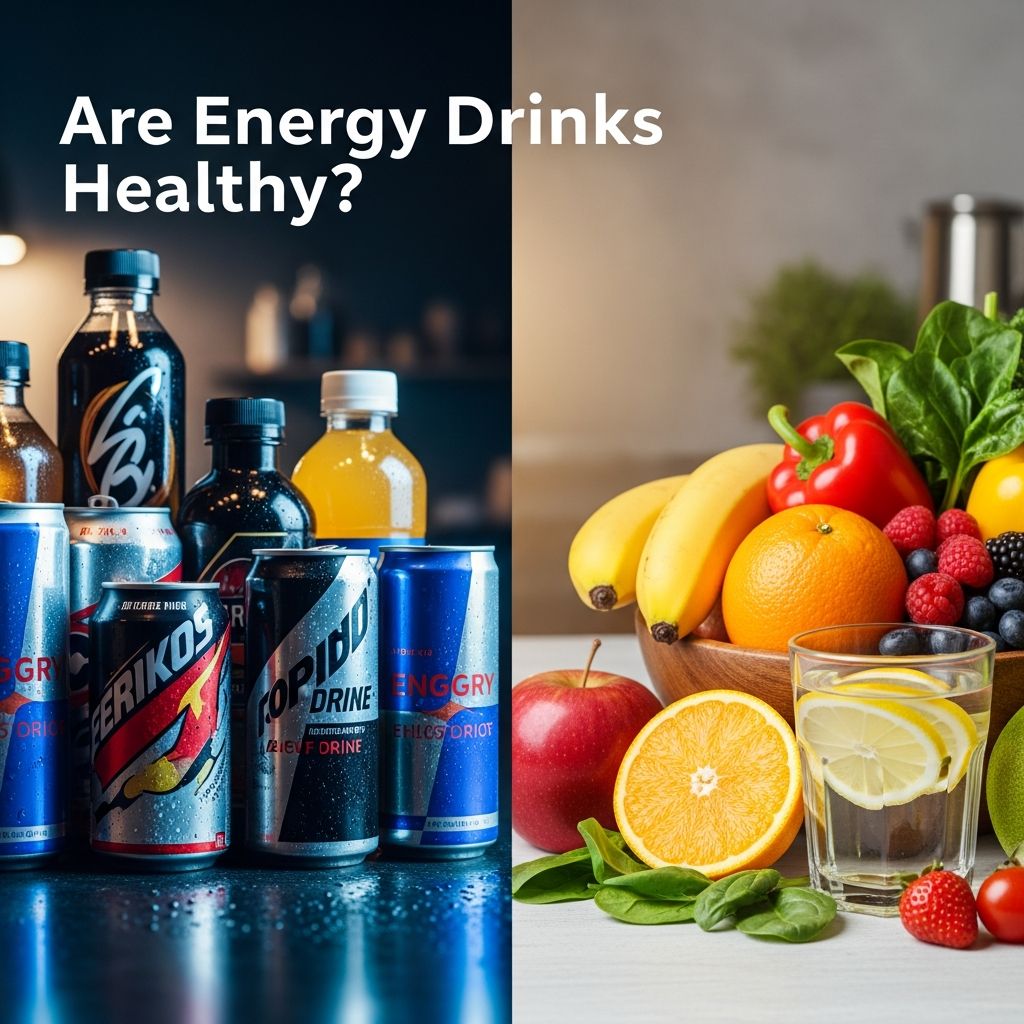
Energy drinks promise a quick boost of vitality, but their high caffeine, sugar, and stimulant content raises serious health concerns, particularly for adolescents and young adults. While they may enhance short-term performance, evidence from credible sources highlights risks like cardiovascular issues, dehydration, and metabolic disruptions outweighing benefits for most consumers.
What Are Energy Drinks?
Energy drinks are beverages marketed for improving physical and cognitive performance, typically containing 80-300mg of caffeine per serving—often more than coffee—along with sugar (21-47g per can), taurine, guarana, ginseng, B vitamins, and other stimulants. Popular brands like Monster or Red Bull target students and athletes, with 30-50% of adolescents reporting consumption despite warnings from the American Academy of Pediatrics against them for youth.
Ingredients in Energy Drinks
The core components drive both appeal and danger:
- Caffeine: Primary stimulant (up to 300mg/can), boosting alertness but risking overstimulation.
- Sugar/High-Fructose Corn Syrup: 21-47g per serving, exceeding daily limits (max 12 tsp or 50g on 2,000-calorie diet), promoting obesity and diabetes.
- Taurine, Guarana, L-Carnitine: Added for energy claims, but safety of combinations unproven; guarana amplifies caffeine effects.
- B Vitamins: Excessive doses risk toxicity, especially for those with liver/kidney issues.
- Artificial Sweeteners: In sugar-free versions, linked to potential heart risks.
These ingredients interact synergistically, intensifying effects beyond individual components.
Potential Health Benefits of Energy Drinks
Limited studies suggest modest benefits, primarily from caffeine:
- Improved exercise performance in short bursts, like reaction time or endurance.
- Enhanced alertness and cognitive function during fatigue.
- Possible reduced risk of Parkinson’s or liver disease from moderate caffeine alone—not energy drink formulas.
However, these gains are not unique to energy drinks; coffee or tea provides similar effects with fewer additives. Manufacturers’ claims lack robust, independent support, especially for youth.
Health Risks of Energy Drinks
Adverse effects are well-documented across systems:
Cardiovascular Effects
Energy drinks elevate heart rate, blood pressure, and risk arrhythmias. Cases include ventricular issues, atrial fibrillation in teens, myocardial infarction in young adults, and endothelial dysfunction promoting clots. CDC notes irregular heartbeat and heart failure risks; NIH links excess to rhythm disturbances.
Gastrointestinal and Metabolic Effects
High sugar (up to 47g/can) spikes obesity and type 2 diabetes risk, disrupts gut bacteria, and causes liver injury—jaundice and elevated enzymes reported. One 16-oz Monster exceeds daily sugar allowance.
Renal and Hydration Effects
Caffeine induces diuresis and natriuresis, causing dehydration during exercise, elevated core temperature, and reduced performance. Acute kidney injury cases followed 2-3 weeks of daily intake.
Nervous System and Behavioral Risks
Anxiety, insomnia, jitteriness, and withdrawal (headaches, fatigue) common. Mixing with alcohol quadruples risky driving perception and binge drinking in teens; linked to brain injuries.
| System | Effects | Source |
|---|---|---|
| Cardiovascular | Increased HR/BP, arrhythmias, infarction | |
| Metabolic | Obesity, diabetes, liver damage | |
| Renal | Dehydration, kidney insult | |
| Nervous | Anxiety, insomnia, withdrawal |
Related Stories



Who Should Avoid Energy Drinks?
- Children/Adolescents: AAP recommends zero intake; 1,499 ER visits in 2011 for ages 12-17.
- Pregnant Individuals: Excess caffeine risks fetal harm.
- Heart Conditions/High BP: Exacerbates risks.
- Athletes in Heat: Dehydration hazard.
- Alcohol Consumers: Amplifies impairment.
Safe Consumption Guidelines
No safe level for youth; adults limit to 400mg caffeine/day (about one 16-oz can). Avoid daily use, mixing with alcohol, or during exercise in heat. Monitor for symptoms like palpitations.
Healthier Alternatives to Energy Drinks
- Water + Snacks: Hydrate with electrolyte water; eat nuts/banana for steady energy.
- Green/Black Tea: 30-50mg caffeine, antioxidants, less sugar.
- Coffee: Controlled caffeine without excess stimulants.
- Smoothies: Fruit, yogurt, spinach for natural boost.
- Sleep/Exercise: Foundational for sustained energy.
Expert Recommendations
CDC, AAP, and Mayo Clinic urge avoidance, especially for students. Regulate marketing to youth until safety proven. Pediatricians like Dr. Stephanie Nguyen Lai deem them unsafe due to unvetted additives.
Frequently Asked Questions (FAQs)
Are energy drinks safe for teens?
No, the American Academy of Pediatrics advises against them due to high caffeine and ER risks.
How much caffeine is in energy drinks?
80-300mg per can, often exceeding soda (34mg) or coffee (95mg).
Can energy drinks cause heart problems?
Yes, they raise heart rate/BP and link to arrhythmias, infarction.
Are sugar-free energy drinks healthier?
Not necessarily; artificial sweeteners pose heart risks, plus stimulants remain.
What’s a daily caffeine limit?
400mg for healthy adults; none for kids/teens.
Energy drinks offer fleeting boosts at significant health costs. Opt for balanced nutrition, sleep, and hydration for true vitality. Consult professionals for personalized advice.
References
- Energy Drink Consumption: Beneficial and Adverse Health Effects — PMC/NCBI. 2015-10-01. https://pmc.ncbi.nlm.nih.gov/articles/PMC4682602/
- The Buzz on Energy Drinks — Centers for Disease Control and Prevention (CDC). 2023. https://www.cdc.gov/school-nutrition/energy-drinks/index.html
- Risks of Energy Drinks — Sutter Health. 2023. https://www.sutterhealth.org/health/risks-of-energy-drinks
- How do energy drinks affect your heart and overall health? — UC Davis Health. 2024-05. https://health.ucdavis.edu/blog/good-food/how-do-energy-drinks-affect-your-heart-and-overall-health/2024/05
- What’s the latest buzz on energy drinks? — Mayo Clinic Health System. 2023. https://www.mayoclinichealthsystem.org/hometown-health/speaking-of-health/the-buzz-on-energy-drinks
Similar Articles








Read full bio of Sneha Tete