Epsom Salt Baths: Benefits, Risks, And How To Use Them
Uncover the truth about Epsom salt baths: potential benefits, limited evidence, and essential safety tips for safe soaking.
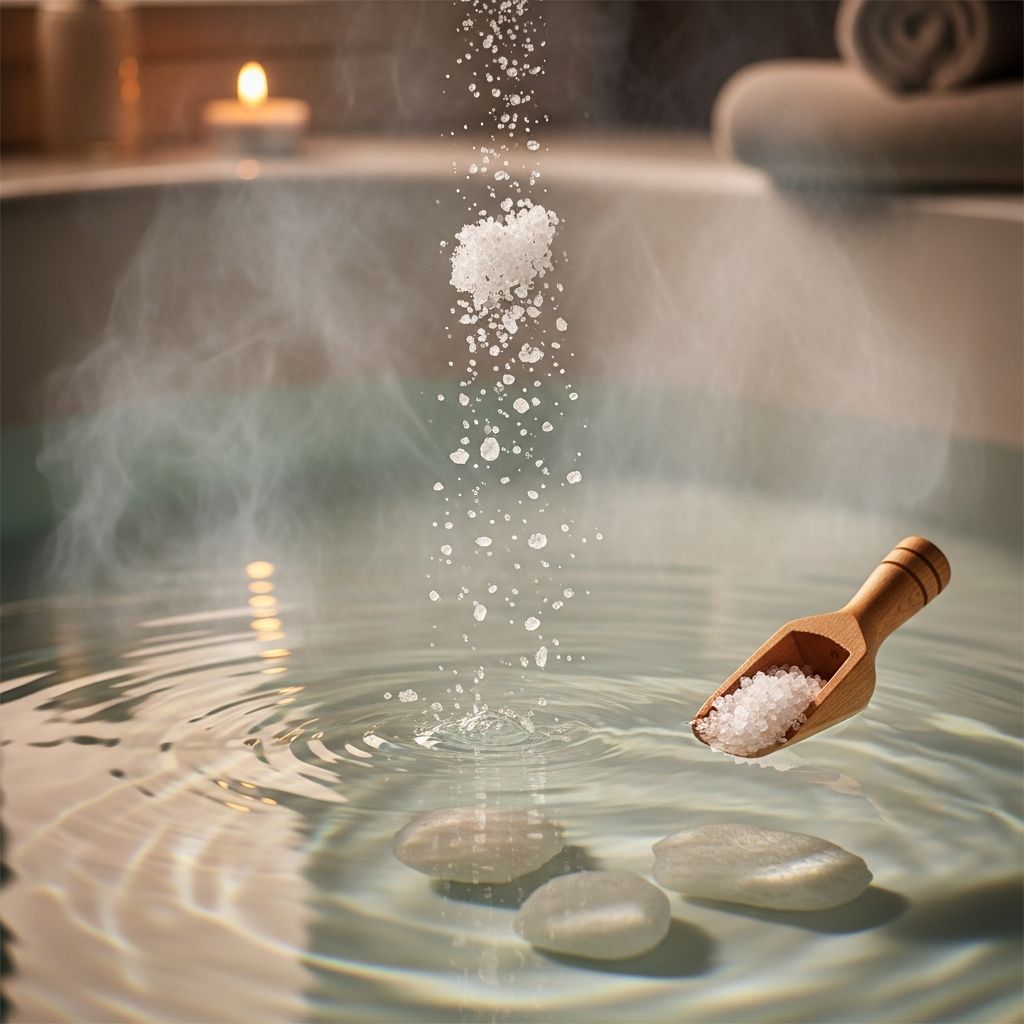
Epsom salt baths, a popular home remedy involving magnesium sulfate dissolved in warm water, are often touted for relaxation, muscle pain relief, and skin benefits, though scientific evidence remains limited.
What Is Epsom Salt?
Epsom salt, chemically known as
magnesium sulfate (MgSO₄)
, is a naturally occurring mineral compound discovered in the 17th century near Epsom, England. Unlike table salt (sodium chloride), it contains no sodium and is used primarily for baths, soaks, or laxatives.When dissolved in water, Epsom salt breaks down into magnesium and sulfate ions. Proponents claim these minerals absorb through the skin, replenishing bodily magnesium levels essential for muscle function, nerve health, and energy production. However, studies show minimal transdermal (through-skin) absorption, with most benefits likely stemming from the warm water itself.
Potential Health Benefits of Epsom Salt Baths
While anecdotal reports praise Epsom salt baths for various ailments, rigorous clinical trials are scarce. Benefits may arise from hydrotherapy—the soothing effect of warm water—rather than magnesium absorption.
Muscle Soreness and Recovery
Athletes and fitness enthusiasts often use Epsom salt soaks post-workout to ease sore muscles. One small study noted reduced foot swelling in pregnant women, and another suggested fatigue relief in lupus patients. Warm water improves blood flow, potentially explaining these effects, but no large-scale studies confirm Epsom salt’s unique role.
Pain Relief for Arthritis, Sprains, and Bruises
Epsom baths are claimed to alleviate arthritis pain, sprains, bruises, and ingrown toenails. Magnesium’s anti-inflammatory properties when ingested are established, but topical evidence is weak. A Hospital for Special Surgery expert notes no well-controlled studies support muscle recovery claims.
Stress Reduction and Better Sleep
Soaking promotes relaxation via the parasympathetic nervous system, mimicking magnesium’s calming effects on the brain. Limited evidence links oral magnesium to improved sleep, but bath absorption is unproven.
Skin Conditions and Foot Soaks
For sunburn, psoriasis, or foot fatigue, Epsom soaks may soothe irritation. Foot soaks could reduce itching and inflammation via minor magnesium uptake through hair follicles, per preliminary research.
- Arthritis and swelling: Possible mild relief from warmth.
- Sore muscles: Aids recovery indirectly.
- Sunburn and redness: Cooling effect helps.
- Constipation relief: Oral use only, not baths.
How Much Epsom Salt for a Bath?
The Mayo Clinic recommends
2 cups of Epsom salt per gallon of water
for adults, though standard baths (about 30-40 gallons) typically use 1-2 cups total. Dissolve in warm (not hot) water to avoid skin dryness.| Use Case | Recommended Amount | Duration | Water Temperature |
|---|---|---|---|
| Full Body Bath | 1-2 cups | 15-20 minutes | Warm (92-100°F) |
| Foot Soak | ½ cup per gallon | 15 minutes | Warm |
| Pregnancy Swelling | 1 cup | 10-15 minutes | Lukewarm |
Always test a skin patch first. For children, halve the amount and consult a pediatrician.
Related Stories



Are There Risks or Side Effects?
Epsom salt baths are low-risk for most, but avoid if you have open wounds, infections, burns, or severe skin inflammation.
- Skin reactions: Itchiness, rash, hives, or dryness in sensitive individuals.
- Low blood pressure: Hot water may cause dizziness; sit slowly when exiting.
- Overuse: Can dry skin; moisturize after.
Never ingest bathwater. Oral Epsom salt (as laxative) risks diarrhea, dehydration, irregular heartbeat, especially for pregnant people, kidney/heart patients, or children.
Does the Magnesium Absorb Through Your Skin?
This is the core debate: Can skin absorb magnesium from baths? A small study detected minor uptake via hair follicles, but most research shows negligible absorption compared to oral intake. The FDA approves magnesium sulfate intravenously for medical uses like eclampsia, not topically.
Experts from Cleveland Clinic and Healthline emphasize dietary magnesium (from foods like nuts, spinach) as superior. Baths may feel beneficial due to placebo or heat.
Who Shouldn’t Take Epsom Salt Baths?
- People with open wounds, burns, or infections.
- Those with severe skin conditions or allergies.
- Individuals with low blood pressure or diabetes (risk of cracks).
- Pregnant people: Consult doctor for swelling relief.
- Kidney disease patients: Impaired magnesium clearance.
Epsom Salt Bath Alternatives
If Epsom salt isn’t suitable, try:
- Warm baths with essential oils: Lavender for relaxation.
- Oatmeal soaks: For itchy skin.
- Magnesium supplements: Oral, doctor-approved.
- Contrast hydrotherapy: Alternate hot/cold for muscles.
Frequently Asked Questions (FAQs)
What are the side effects of an Epsom salt bath?
Risks are low but include itchy skin, rashes, or dryness. Avoid with open wounds or infections.
How much Epsom salt should I use for a bath?
Use 1-2 cups for a standard tub; 2 cups per gallon max. Soak 15-20 minutes.
Can you absorb magnesium from an Epsom salt bath?
Limited evidence suggests minimal absorption; benefits likely from warm water.
Are Epsom salt baths safe during pregnancy?
Possibly for foot swelling, but consult a doctor. Use lukewarm water.
Can Epsom salt baths help with sleep?
Relaxation may aid sleep indirectly, but no strong proof of magnesium’s role via skin.
Final Thoughts on Epsom Salt Baths
Epsom salt baths offer a safe, inexpensive relaxation ritual with potential minor benefits for soreness and stress, primarily from hydrotherapy. While magnesium absorption claims lack robust support, they’re unlikely to harm healthy adults. Always prioritize evidence-based practices and consult healthcare providers for medical concerns.
References
- Why Take an Epsom Salts Bath? — WebMD. Accessed 2026. http://www.webmd.com/a-to-z-guides/epsom-salt-bath
- Epsom salt: Benefits, baths, other uses, and side effects — Medical News Today. Accessed 2026. https://www.medicalnewstoday.com/articles/epsom-salt
- Epsom Salt Bath: Uses, Benefits, and Risks — Healthline. Accessed 2026. https://www.healthline.com/health/epsom-salt-bath
- Epsom Salt Bath: Uses, Benefits, and Risks — The Salt Box. Accessed 2026. https://www.thesaltbox.com.au/news/epsom-salt-bath-uses-benefits-and-risks/
- 7 Things You Probably Didn’t Know About Epsom Salt — Cleveland Clinic. Accessed 2026. https://health.clevelandclinic.org/7-things-you-probably-didnt-know-about-epsom-salt
- Benefits of Epsom Salt Foot Soaks — Ironwood Cancer & Research Centers. Accessed 2026. https://www.ironwoodcrc.com/benefits-of-epsom-salt-foot-soaks/
- Are the Widely Touted Benefits of an Epsom Salt Bath Legit? — Hospital for Special Surgery (HSS). Accessed 2026. https://news.hss.edu/are-the-widely-touted-benefits-of-an-epsom-salt-bath-legit/
Similar Articles








Read full bio of medha deb