Are Graham Crackers Healthy? Dietitian Tips And Smart Swaps
A dietitian breaks down the nutrition facts, benefits, downsides and healthier ways to enjoy graham crackers.
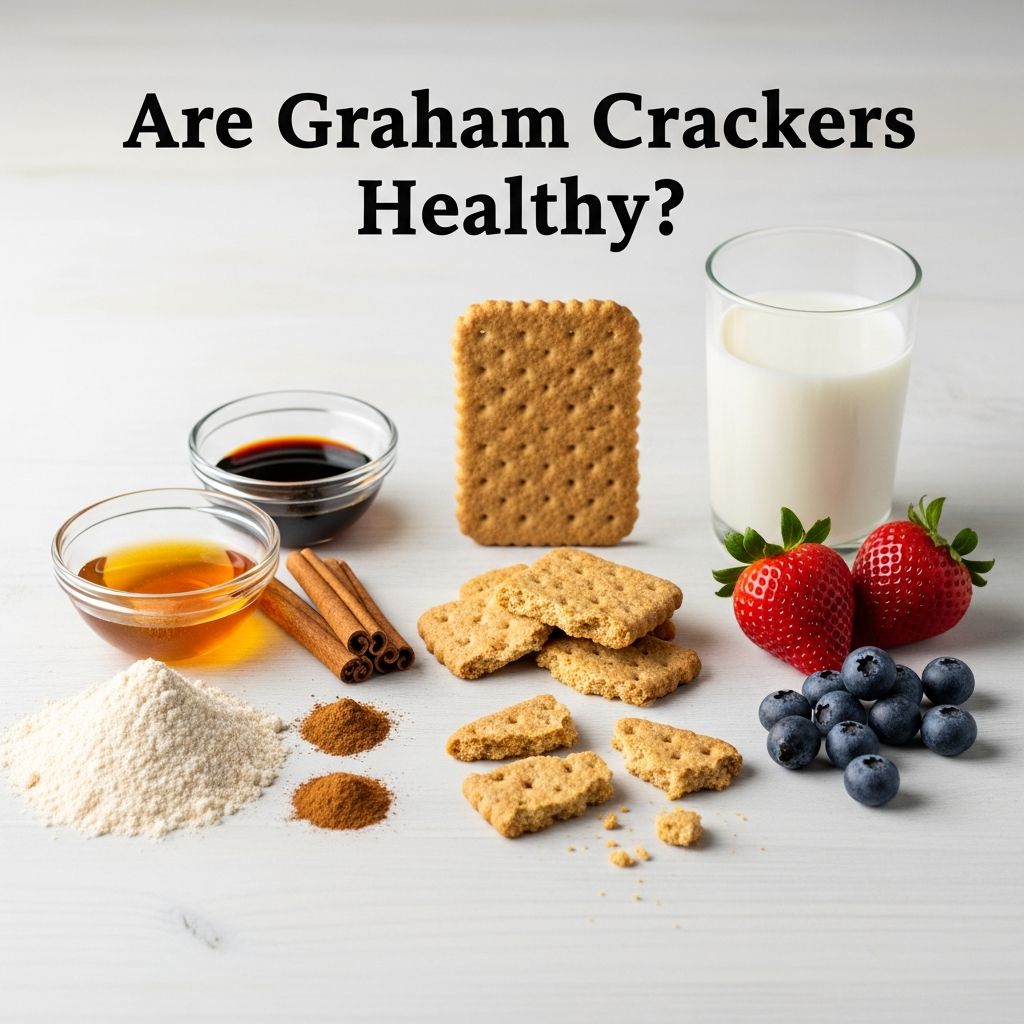
Graham crackers were invented in the 1800s by Presbyterian minister Rev. Sylvester Graham as a ‘health food’ to curb people’s ‘sinful’ urges. Made from whole grain flour, they were intended to be a simple, nutritious alternative to overly refined baked goods of the time. Fast forward to today, and graham crackers are a staple in s’mores, pie crusts, and snack packs—but are they actually healthy?
The short answer: Graham crackers can fit into a balanced diet when eaten in moderation and paired thoughtfully, but they’re not a nutrient powerhouse on their own. They offer some whole grains and quick energy but come with notable downsides like added sugars and low fiber that make them more of an occasional treat than a daily go-to snack.
What Are Graham Crackers Made Of?
Traditional graham crackers get their name from their base ingredient: graham flour, a coarsely ground whole wheat flour that retains the bran, germ, and endosperm for more fiber and nutrients than refined white flour. However, most commercial graham crackers today use a blend of whole wheat flour, enriched white flour, sugar, oil or palm oil, molasses or honey for flavor, salt, and leavening agents like baking soda.
Some ‘honey’ varieties swap sugar for honey (still an added sugar), while others include cinnamon or chocolate coating. Always scan the ingredient list: the first few items tell you what dominates the product. Ideally, whole grain flours lead, followed by minimal sweeteners.
Graham Cracker Nutrition Facts
A standard serving of graham crackers is two full sheets (about 28-31 grams), which provides:
| Nutrient | Amount per Serving | % Daily Value* |
|---|---|---|
| Calories | 120-140 | 6-7% |
| Total Fat | 3-3.5g | 4-5% |
| Saturated Fat | 0.5-1g | 3% |
| Sodium | 140-270mg | 6-12% |
| Total Carbohydrates | 22-24g | 8% |
| Dietary Fiber | 1-3g | 4-11% |
| Sugars (Added) | 7-8g | 14-16% |
| Protein | 2g | 4% |
*Based on a 2,000-calorie diet. Values vary by brand.
Per 100g, graham crackers deliver about 421 calories, 78g carbs (25g sugars), 9g fat, 7g protein, and 3g fiber—making them energy-dense from carbs but light on protein and healthy fats. They provide small amounts of iron (8% DV), magnesium, selenium, niacin, and potassium, thanks to the whole grain base.
3 Potential Health Benefits of Graham Crackers
- Quick energy from carbs: The 22g carbs per serving (mostly simple from sugars and refined flour) provide fast fuel for active kids, athletes, or between-meal hunger.
- Some whole grain fiber: Brands using real graham flour offer 1-3g fiber per serving, aiding digestion and blood sugar control better than white crackers.
- Trace minerals: Whole grains contribute iron, magnesium (9% DV), selenium (11% DV), and B vitamins like niacin (27% DV) for energy metabolism and antioxidant protection.
That said, these benefits are modest—you’d get more from whole foods like oats or fruit.
3 Downsides of Graham Crackers
- High added sugar: 7-8g per serving equals 14-16% DV for women (max 25g/day). Brands like honey-flavored hit 8g+, spiking blood sugar without satiety.
- Low fiber for the carbs: A poor 1:10-20 carb-to-fiber ratio (aim for 1:5) means quick energy crashes. USDA recommends 14-31g fiber daily for kids, but 2 sheets give <1-3g.
- Limited protein and fat: Just 2g protein leaves you hungry soon. Minimal healthy fats mean less fullness compared to nuts or cheese.
Related Stories



Are Graham Crackers Healthy for Toddlers and Kids?
Graham crackers make a convenient toddler finger food, but limit to occasional use. A serving’s 6-8g added sugar nears 25g daily limit for kids 2+ (none under 2, per AAP). Low fiber (<1g) misses USDA’s 14-31g daily goal for ages 2-18.
Make them healthier:
- Spread with peanut butter (protein + healthy fats).
- Top with sliced banana or berries (fiber + vitamins).
- Crush into yogurt parfaits.
Graham-peanut butter-‘ants on a log’ with raisins delights kids while balancing nutrition.
Are Graham Crackers Good for People with Diabetes?
Not ideal as a standalone snack due to 22g carbs and 7g sugar causing blood sugar spikes (GI ~74). Pairing helps: protein/fiber/fat slow absorption.
Smart options:
- 1 sheet (11g carbs) crushed over Greek yogurt + berries.
- With cheese or almonds.
- Limit to 1 serving; track carbs.
Consult your doctor or dietitian for personalized advice.
Are Graham Crackers Good for Weight Loss?
At 120-140 calories per serving, they’re reasonable—but easy to overeat. Low protein/fiber leads to hunger rebound. Portion to 1-2 sheets max, and always pair:
- Nut butter (satisfying fats).
- Apple slices (fiber).
- Cottage cheese (protein).
They’re not filling like veggies + hummus, so reserve for treats.
Healthier Ways to Eat Graham Crackers
Transform graham crackers from junk food to smarter snack:
- Yogurt parfait: Layer 1 crushed sheet with plain Greek yogurt, berries, nuts.
- Nut butter sandwiches: 1 sheet with almond butter + banana.
- S’mores upgrade: Dark chocolate, homemade marshmallow, fresh strawberries.
- Pie crust base: Mix crumbs with dates/nuts for no-bake crusts.
- Smoothie boost: Blend crumbs with milk, banana, spinach, protein powder.
Graham Crackers vs. Other Snacks
| Snack (per serving) | Calories | Carbs (g) | Fiber (g) | Protein (g) | Sugar (g) |
|---|---|---|---|---|---|
| Graham Crackers (2 sheets) | 130 | 22 | 1-3 | 2 | 7-8 |
| Rice Cakes (2 plain) | 70 | 14 | 1 | 1 | 0 |
| Seeded Crackers | 100 | 15 | 4 | 4 | 1 |
| Apple + 1 tbsp PB | 150 | 25 | 5 | 4 | 15 (natural) |
| Greek Yogurt + Berries | 120 | 12 | 2 | 15 | 8 (natural) |
Graham crackers lag in balance; alternatives offer more staying power.
Healthier Graham Cracker Alternatives
- Homemade version: Whole wheat flour, minimal honey, coconut oil, cinnamon.
- Seeded crackers: Omega-3s, fiber, protein from flax/chia.
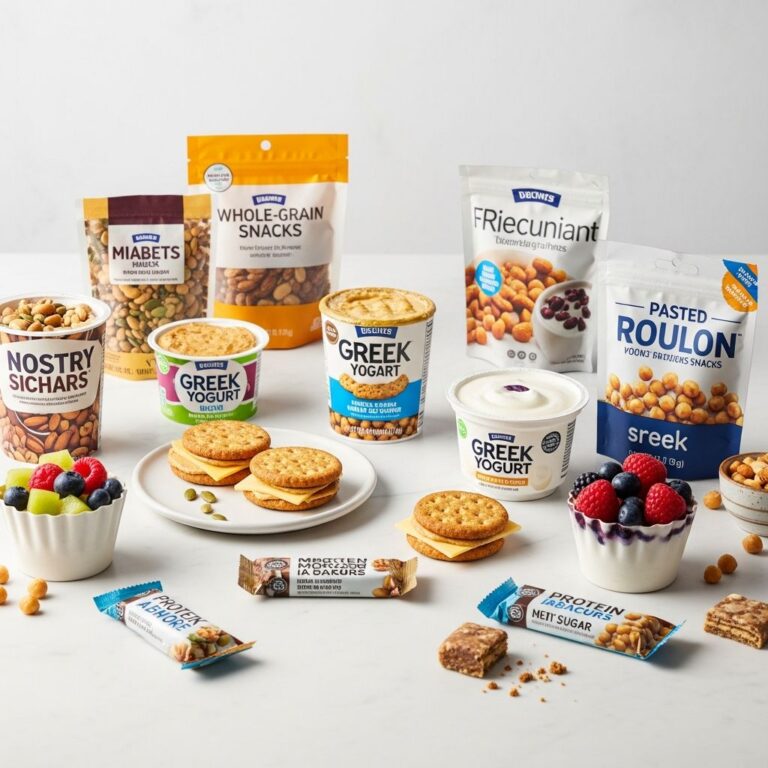
- Fruit/nut bars: Low-sugar, portable nutrition.
- Rice cakes or whole grain toast: Top your way for customization.
- Fresh fruit + cheese: Naturally sweet, nutrient-dense.
Bottom Line: Are Graham Crackers Healthy?
Graham crackers aren’t ‘bad,’ but they’re not health food heroes either. Their whole grain roots provide modest benefits, but added sugars, low fiber, and poor satiety make them best as an occasional treat. Pair with protein, fats, and fruits to boost nutrition; opt for whole grain brands with <5g sugar/serving. For daily snacking, choose fiber/protein-rich options. Moderation + smart combos = the graham way to snack smarter.
Frequently Asked Questions (FAQs)
Q: Are graham crackers healthier than regular crackers?
A: Somewhat—graham crackers have more whole grains and fiber (1-3g vs. <1g), but higher sugar makes them sweeter, not necessarily healthier overall.
Q: Can graham crackers be part of a keto diet?
A: No—22g carbs per serving exceeds strict keto limits. Choose almond flour fat bombs instead.
Q: How many graham crackers is one serving?
A: Two full sheets (~31g) = 120-140 calories, 22g carbs.
Q: Are honey graham crackers healthier?
A: No—honey is still added sugar at 8g+ per serving. Check labels.
Q: Can I eat graham crackers every day?
A: In moderation (1 serving), yes, if paired well. Daily solo risks sugar overload.
References
- Graham Crackers Nutrition — SnapCalorie. 2024. https://www.snapcalorie.com/nutrition/graham_crackers_nutrition.html
- Graham Crackers — Nutrients, Health Benefits — Listonic. 2024. https://listonic.com/p/nutrition/graham-crackers
- Is a Graham Cracker a Healthy Snack? A Nutrition Guide — Alibaba Wellness. 2024. https://wellness.alibaba.com/nutrition/graham-crackers-healthy-snack-or-not-
- Are Graham Crackers Healthy? Nutrition, Benefits, Downsides — Healthline. 2024-10-15. https://www.healthline.com/nutrition/are-graham-crackers-healthy
- Graham Crackers Nutrition — Oreate AI Blog. 2024. https://www.oreateai.com/blog/graham-crackers-nutrition/ba1ebfe4b4e46fe93e9034c37b1a06ca
Similar Articles








Read full bio of Sneha Tete