Green Beans: 6 Health Benefits For Heart, Digestion & More
Discover the impressive health benefits of green beans, from vitamins and fiber to heart health support, plus tips for optimal nutrition.
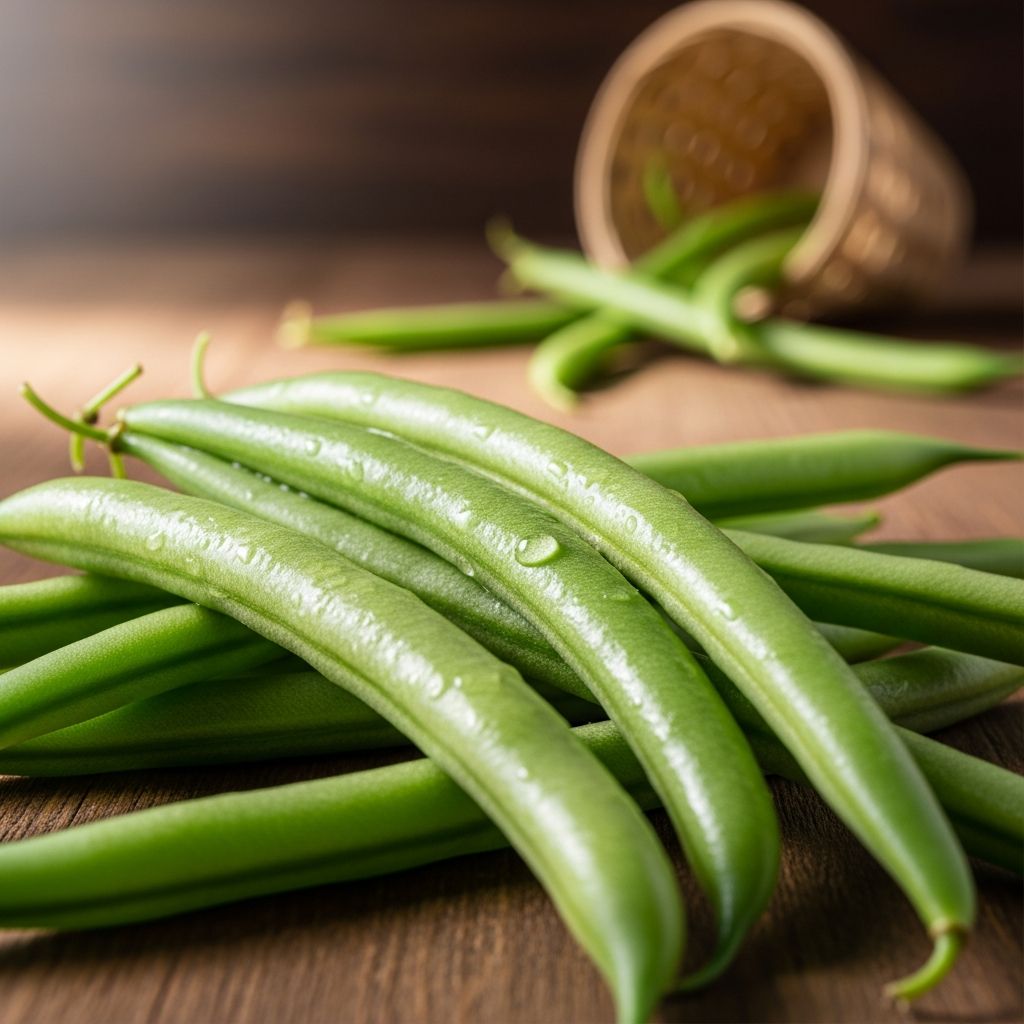
Green beans, also known as string beans or snap beans, are a versatile, low-calorie vegetable loaded with essential nutrients that support overall health. These crisp, green pods provide vitamins, minerals, fiber, and antioxidants, making them an excellent addition to any diet for heart health, digestion, and immune function.
Green Beans Nutrition Facts
One cup of raw green beans (about 110 grams) delivers approximately 31 calories, 2 grams of protein, 7 grams of carbohydrates, and 3 grams of dietary fiber. They are naturally low in fat and contain no cholesterol. Key micronutrients include 20% of the daily value (DV) for vitamin C, 15% DV for vitamin K, 10% DV for vitamin A (as beta-carotene), and significant amounts of folate (9% DV), potassium (6% DV), and manganese.
Green beans shine in their antioxidant profile, with beta-carotene, lutein, and zeaxanthin that combat oxidative stress. Their high water content (about 90%) contributes to hydration and satiety on minimal calories.
| Nutrient | Amount per 1 Cup Raw (110g) | % Daily Value |
|---|---|---|
| Calories | 31 | 2% |
| Protein | 1.8g | 4% |
| Fiber | 3.3g | 12% |
| Vitamin C | 12.2mg | 14% |
| Vitamin K | 43mcg | 36% |
| Folate | 33mcg | 8% |
| Potassium | 211mg | 4% |
Health Benefits of Green Beans
Green beans offer multiple evidence-based health advantages due to their nutrient density.
Support Heart Health
Rich in potassium, green beans help regulate blood pressure by counteracting sodium’s effects. Folate lowers homocysteine levels, a risk factor for cardiovascular disease. Fiber binds to cholesterol in the gut, reducing LDL levels. Antioxidants like vitamin C fight inflammation linked to heart disease.
Promote Digestive Health
The soluble and insoluble fiber in green beans supports regular bowel movements, prevents constipation, and feeds beneficial gut bacteria. Adequate fiber intake reduces colon cancer risk and improves overall gut health, which is often underconsumed in American diets.
Boost Immunity and Fight Inflammation
Vitamin C enhances white blood cell production and acts as an antioxidant. Beta-carotene converts to vitamin A, essential for immune function and mucosal barriers. These compounds reduce chronic inflammation associated with diseases like arthritis and diabetes.
Support Bone Health
Vitamin K is crucial for bone mineralization and reducing fracture risk. Combined with vitamin C for collagen production, green beans contribute to strong bones and may lower osteoporosis risk.
Aid Weight Management
Low-calorie and high-fiber, green beans promote fullness without excess energy intake. Their volume allows large portions, ideal for calorie control during holidays or weight loss.
Potential Cancer-Fighting Properties
Antioxidants and fiber may inhibit cancer cell growth, particularly in the colon. Population studies link high vegetable intake, including green beans, to reduced cancer risk.
Are Green Beans Good for Weight Loss?
Yes, green beans are excellent for weight loss. At just 31 calories per cup with 3 grams of fiber, they provide bulk and satisfaction. Studies show high-fiber, low-calorie vegetables like green beans improve adherence to calorie-restricted diets by curbing hunger.
Related Stories



Green Beans Carbs and Glycemic Index
Green beans contain 7 grams of carbs per cup, mostly complex with fiber, netting about 4 grams digestible carbs. Their low glycemic index (GI around 15-30) means they cause minimal blood sugar spikes, making them suitable for diabetes management.
Health Risks and Side Effects of Green Beans
Green beans are safe for most people. Those with alpha-gal syndrome (meat allergy from tick bites) may react to raw beans. Lectins, natural plant compounds, are present but cooking neutralizes them. Overconsumption may cause digestive discomfort in sensitive individuals. Opt for low-sodium canned varieties if fresh unavailable.
Types of Green Beans
- Fresh Green Beans: Crisp, vibrant; best nutritionally.
- Frozen Green Beans: Flash-frozen retains most nutrients.
- Canned Green Beans: Convenient but higher sodium; choose no-salt-added.
- Wax Beans: Yellow variety, similar nutrition.
- Purple Beans: Anthocyanin-rich for extra antioxidants.
How to Cook Green Beans the Healthy Way
Preparation preserves nutrients and flavor.
- Steaming: 5-7 minutes; retains vitamins.
- Sautéing: In olive oil with garlic; adds healthy fats.
- Roasting: 425°F for 15-20 minutes; caramelizes natural sugars.
- Blanching: Brief boil then ice bath; preserves color.
- Avoid boiling long, as it leaches water-soluble vitamins.
For casseroles, swap cream soups for Greek yogurt. Season with herbs, lemon, or spices instead of salt.
Green Beans Recipe Ideas
Simple Sautéed Green Beans
Ingredients: 1 lb green beans, 1 tbsp olive oil, 2 garlic cloves, salt/pepper.
Blanch beans 2 minutes, sauté garlic in oil, toss beans 3-4 minutes. Serves 4; 80 calories/serving.
Roasted Green Beans with Almonds
Toss trimmed beans with oil, salt, roast 20 minutes, top with slivered almonds.
Green Bean Salad
Blanched beans, cherry tomatoes, feta, vinaigrette.
Storage Tips for Green Beans
Store fresh in perforated bag in fridge up to 7 days. Frozen last 10-12 months. Canned store pantry 2-5 years.
Frequently Asked Questions (FAQs)
Are green beans low carb?
Yes, with 4g net carbs per cup, ideal for keto or low-carb diets.
Can you eat green beans raw?
Yes, raw green beans are crunchy and nutritious; wash thoroughly.
Do green beans cause gas?
Rarely; fiber may in excess, but cooking helps.
Are canned green beans healthy?
Yes if low-sodium; better than no veggies.
How many green beans should you eat per day?
1-2 cups as part of 2-3 vegetable servings daily.
Final Thoughts on Green Beans
Incorporate green beans for their fiber, vitamins, and low calories. Balance with other veggies for optimal health.
References
- Green Beans Can Be One of the Healthiest Dishes at the Holiday Table — American Heart Association. 2022-11-22. https://www.heart.org/en/news/2022/11/22/green-beans-can-be-one-of-the-healthiest-dishes-at-the-holiday-table
- Good-for-You Green Beans — Legacy Cooperative. N/A. https://kimball.legacycoopmsm.com/health_wellness/articles/295/good-for-you-green-beans
- USDA FoodData Central: Green Beans, Raw — United States Department of Agriculture. 2023-10-01. https://fdc.nal.usda.gov/fdc-app.html#/food-details/169961/nutrients
- Dietary Guidelines for Americans, 2020-2025 — U.S. Department of Agriculture and HHS. 2020-12-01. https://www.dietaryguidelines.gov/
Similar Articles








Read full bio of medha deb