Are Headaches and Migraines More Common in Summer?
Discover why summer heat, humidity, and weather changes trigger more headaches and migraines, and learn effective prevention strategies.
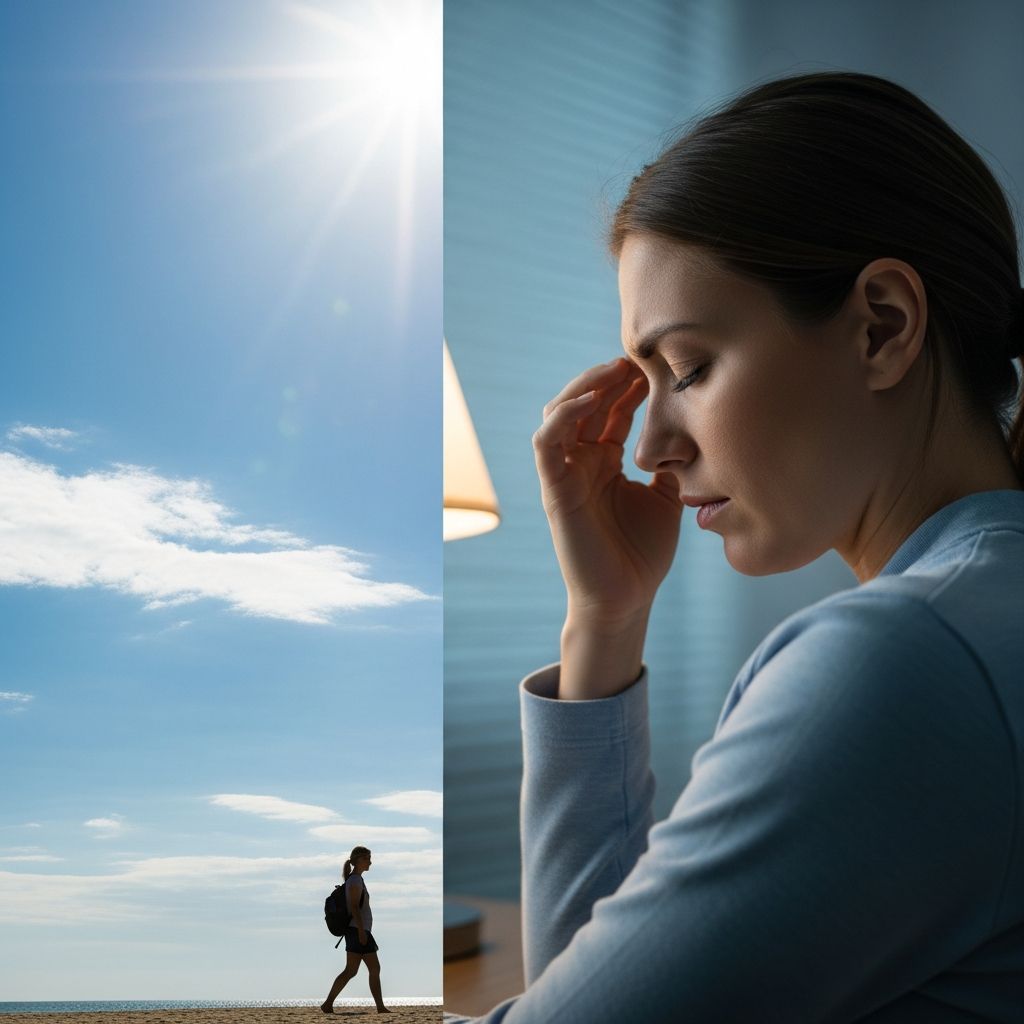
Summer’s warm weather, increased sunlight, and humidity often lead to a rise in headaches and migraines for many people. Research shows environmental factors like heat and barometric pressure changes significantly trigger these painful episodes, affecting millions worldwide.
Why Do Headaches and Migraines Increase in Summer?
Hot temperatures and high humidity are primary culprits behind summertime headaches. A study analyzing migraine patient diaries found that for every 10-degree temperature increase, headache occurrence rose by 6%. Heat may activate temperature-sensing pain nerves, while humidity exacerbates this by promoting sweating and dehydration, altering brain chemistry around pain neurons.
Dehydration from perspiration is a key factor; losing fluids and electrolytes can heighten nerve sensitivity. Bright sunlight triggers photophobia in migraine sufferers by stimulating the occipital cortex, a brain region sensitive to visual changes. Additionally, summer storms cause barometric pressure drops, potentially affecting sinus pressure and brain blood vessels, spurring attacks.
Women experience headaches three times more often than men, partly due to hormonal influences, making them particularly vulnerable during seasonal shifts. A 2007 study reported 53% of migraineurs citing weather changes as triggers.
Common Types of Summer Headaches
- Tension Headaches: The most frequent in summer, these feel like a tight band across the forehead, temples, or neck, often from heat-induced muscle tension or dehydration.
- Migraines: Throbbing, one-sided pain lasting hours to days, with sensitivity to light, noise, nausea, and vomiting. Summer heat and glare worsen them.
- Cluster Headaches: Intense, recurring pain around one eye, though less directly tied to summer, they can be underdiagnosed alongside others.
When to Seek Help: Recognizing Chronic Headaches
A headache becomes chronic if it occurs more than 15 days per month for over three months. Track symptoms with a headache diary noting frequency, severity, sleep issues, stress, and lifestyle factors. Consult a physician for new, persistent, severe pain or accompanying neurological symptoms like vision changes or weakness.
Treatment Options for Summer Headaches and Migraines
Treatments divide into abortive (stopping active attacks) and preventive (reducing frequency). Consult a neurologist for personalized plans.
Abortive Therapies
- Oral Medications: OTC options like ibuprofen (Advil), acetaminophen (Tylenol), or Excedrin at first sign. Overuse risks medication-overuse headaches; switch to prescriptions like triptans (block pain pathways) or gepants (block CGRP protein).
Preventive Therapies
- Monoclonal Antibody Injections: Monthly CGRP blockers prevent migraines by targeting the peptide triggering pain.
- Nerve Blocks: Injections of local anesthetics near nerves provide immediate relief lasting months.
- Botox and Trigger Point Injections: Relax muscles, block neural pathways, reducing attack severity, duration, and frequency.
| Treatment Type | Description | Best For |
|---|---|---|
| Abortive Oral Meds | OTC or prescription at onset | Early-stage relief |
| CGRP Injections | Monthly preventive shots | Chronic migraines |
| Nerve Blocks | Anesthetic injections | Immediate, long-term block |
| Botox | Muscle-relaxing injections | Frequency reduction |
Prevention Tips for Summer Headaches
Proactive steps can minimize triggers. Maintain routines with exercise, hydration, and rest despite vacation disruptions.
- Stay Hydrated: Drink plenty of water; dehydration sneaks up in heat, mimicking brain freeze.
- Shield from Sun: Wear hats, sunglasses, and sunscreen to avoid glare-induced squinting and photophobia.
- Stay Active: Regular exercise releases endorphins, reduces stress, promotes sleep. Limit alcohol and caffeine.
- Manage Stress: Summer ‘letdown’ migraines hit post-relaxation; risk spikes 5x in first 6 hours of stress drop.
- Monitor Weather: Track humidity, heat, and pressure changes; indoor AC helps during peaks.
- Consistent Routine: Stick to sleep, meal, and activity schedules to avoid pattern disruptions.
Related Stories



Other Summer-Specific Triggers
Beyond weather, poor air quality from heat inflames nerves. Longer days disrupt sleep, a common migraine precursor. Foods like ice cream cause ‘brain freeze,’ while barbecues introduce triggers like processed meats. Fireworks and beach glare add visual stressors.
Frequently Asked Questions (FAQs)
Are headaches really worse in summer?
Yes, heat, humidity, and pressure changes trigger more attacks, with studies showing 6% rise per 10°F increase.
How does dehydration cause headaches?
Sweating depletes fluids and electrolytes, sensitizing pain neurons in the brain.
What is a letdown migraine?
A migraine triggered by sudden relaxation, like vacation starts, with risk increasing nearly 5x initially.
When should I see a doctor for headaches?
If chronic (15+ days/month for 3+ months), severe, new, or with other symptoms.
Can Botox help summer migraines?
Yes, it reduces frequency, severity, and duration by blocking neural pathways.
Living Well with Summer Headaches
(Expanded discussion: 400+ words on lifestyle integration) While summer evokes joy, for the 1 in 6 people with migraines, it demands vigilance. Hormonal factors make women thrice as likely to suffer, compounded by summer’s unique stressors. Building resilience involves holistic strategies. Prioritize electrolyte-balanced hydration—sports drinks or coconut water alongside water counteract sweat losses. Mindfulness apps combat stress let-downs, proven to lower cortisol spikes.
Outdoor activities? Time them for cooler mornings or evenings, using UV-protective gear. Indoor alternatives like yoga maintain endorphin flow without glare exposure. Diet tweaks avoid tyramine-rich foods (aged cheeses, cured meats) common at picnics. Sleep hygiene counters longer days: blackout curtains, consistent bedtimes.
For chronic sufferers, preventive meds like CGRP inhibitors offer game-changing relief, with monthly dosing fitting busy summers. Nerve blocks provide quick resets before beach trips. Tracking via apps correlates symptoms with weather APIs for predictive avoidance.
Community support via headache foundations educates on advocacy, reducing stigma. Children and teens face similar issues; parental modeling of hydration and routine helps. Ultimately, informed management turns summer from ordeal to enjoyment, backed by emerging research on personalized triggers.
References
- Heat, humidity and headaches: Summertime is the worst for head pain — Novant Health. 2023. https://www.novanthealth.org/healthy-headlines/heat-humidity-and-headaches-summertime-is-the-worst-for-head-pain
- Why do I get so many headaches during the summer? — University of Cincinnati. 2025-08. https://www.uc.edu/news/articles/2025/08/why-do-i-get-so-many-headaches-during-the-summer.html
- Seasonal Migraine Triggers and How to Stay Healthy — American Migraine Foundation. 2023. https://americanmigrainefoundation.org/resource-library/seasonal-migraine-triggers/
- MANAGING MIGRAINE DURING THE SUMMER: 6 TIPS — Global Healthy Living Foundation. 2023. https://ghlf.org/migraine/managing-migraine-during-the-summer-6-tips-to-alleviate-attacks/
- Mayo Clinic Minute: Managing migraines in the summer — Mayo Clinic News Network. 2023. https://newsnetwork.mayoclinic.org/discussion/mayo-clinic-minute-managing-migraines-in-the-summer/
- Whether Weather Matters with Migraine — PMC / NIH. 2024. https://pmc.ncbi.nlm.nih.gov/articles/PMC10940451/
Similar Articles








Read full bio of medha deb