Are JUST Egg Healthy? Dietitians Weigh In on Plant-Based Eggs
Dietitians break down the nutrition, taste, and sustainability of JUST Egg and other plant-based egg alternatives compared to real eggs.
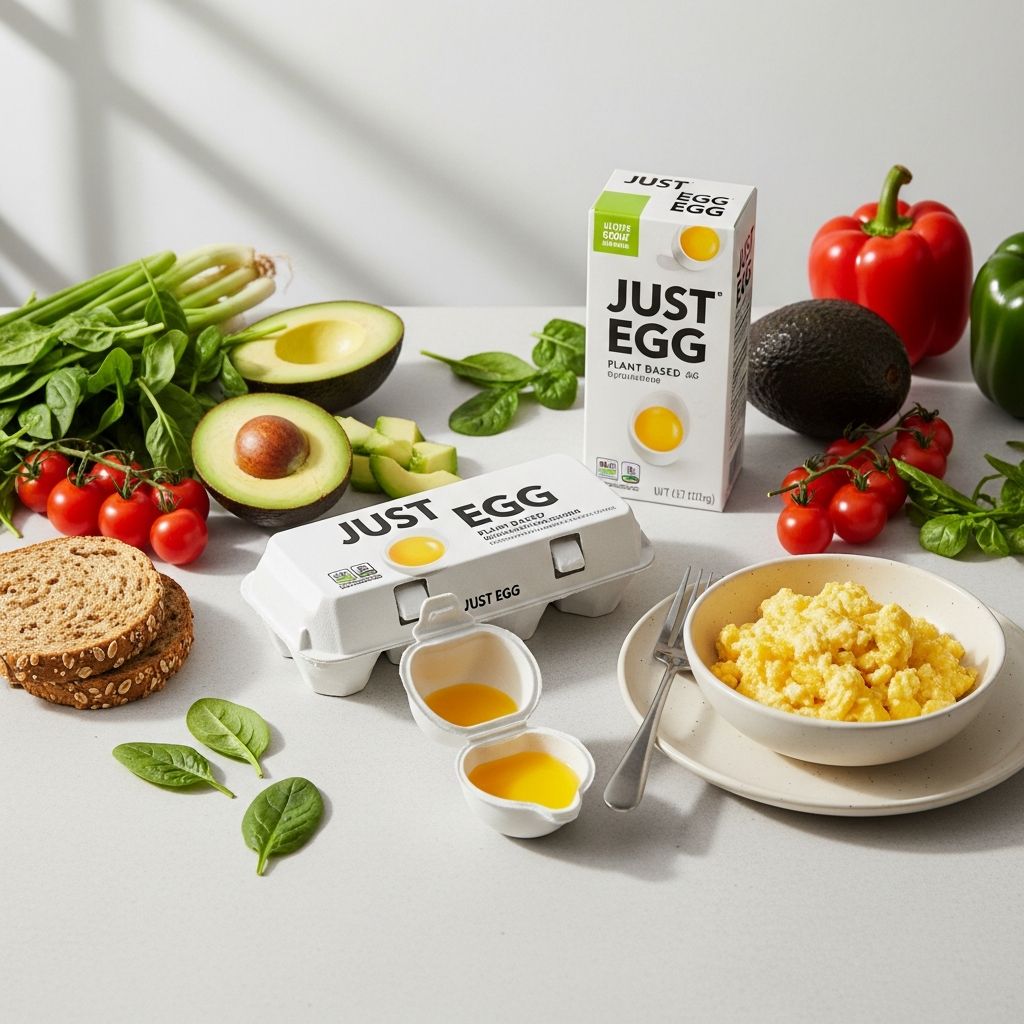
The rise of plant-based diets has sparked innovation in the food industry, particularly with egg alternatives like JUST Egg. Made primarily from mung bean protein, these products promise the texture and versatility of real eggs without the cholesterol or animal products. But are they nutritionally superior, or just a trendy substitute? Dietitians emphasize that while plant-based eggs offer benefits for vegans and those reducing cholesterol, they differ in key nutrients from real eggs. This article dives into the nutrition, taste, sustainability, and expert opinions to help you decide if JUST Egg fits your healthy eating goals.
What Are Plant-Based Eggs?
Plant-based eggs are innovative substitutes designed to mimic the look, taste, and cooking properties of chicken eggs. JUST Egg, a leading brand, uses mung bean protein isolate as its base, combined with water, canola oil, and natural flavors for color and texture. Unlike traditional eggs, these products contain no animal ingredients, making them ideal for vegans, vegetarians, or anyone avoiding cholesterol.
Other options like VeganEgg rely on soy powder mixed with water, but JUST Egg stands out for its ready-to-pour liquid form, equivalent to about eight eggs per 12-ounce bottle. These alternatives scramble, form omelets, and even work in baking, providing convenience for plant-forward meals.
- **Key Ingredients in JUST Egg:** Water, mung bean protein isolate, expeller-pressed canola oil, gellan gum, natural flavors, turmeric and carrot extractives for color, salt, and preservatives like nisin.
- **Preparation:** Shake well due to natural separation, then pour and cook like real eggs—no mixing required.
- **Availability:** Found in grocery stores like H-E-B and Kroger, priced around $7-12 for 16 ounces.
Nutrition Comparison: Plant-Based Eggs vs. Real Eggs
Dietitians recommend comparing nutrition labels closely. Real eggs provide complete protein with all essential amino acids, plus vitamins like B12, D, and choline. Plant-based versions match protein levels but often add sodium and lack certain micronutrients.
| Nutrient (per serving) | JUST Egg (3 tbsp, ~44g) | VeganEgg (per serving) | Real Egg (1 large) |
|---|---|---|---|
| Calories | 45-70 | 35 | 70 |
| Total Fat | 2.5-5g (0g sat) | 1g | 5g (1.5g sat) |
| Cholesterol | 0mg | 0mg | 185mg |
| Sodium | 150-210mg | 150mg | 70mg |
| Protein | 5g | 3g | 6g |
| Carbs/Fiber/Sugar | 0-1g / 0g / 0g | 5g / 1g / 1g | 0g / 0g / 0g |
Data varies slightly by source and serving size; JUST Egg servings show 60 calories, 4g fat, 5g protein, and zero cholesterol in larger cartons. Real eggs edge out in protein quality and natural nutrients, but plant-based options win on heart health with no cholesterol and less saturated fat. Dietitians note that mung beans provide sustainable protein, but added gums and oils increase processed ingredient count—10-16 vs. one in real eggs.
Pros and Cons of Plant-Based Eggs According to Dietitians
**Pros:**
- Cholesterol-free and lower in saturated fat, beneficial for heart health.
- Sustainable: Mung beans require less water, land, and emissions than egg production.
- Vegan-friendly with similar protein for muscle maintenance.
- Versatile for scrambles, frittatas, and baking; users praise convenience.
**Cons:**
- Higher sodium may concern those with hypertension.
- Processed with additives; lacks egg’s natural vitamins like B12 (fortification needed).
- Cost: $0.46-$0.78 per ounce vs. cheaper real eggs.
- Taste variability: Some detect a “bean-y” flavor despite good texture.
Registered dietitians like those cited in reviews suggest moderation: great for occasional use or flexitarian diets, but not a full replacement if you tolerate eggs well.
Related Stories



Taste Tests and Real-User Experiences
Blind taste tests reveal mixed results. In one comparison, testers identified real eggs easily due to superior flavor, rating VeganEgg rubbery and JUST Egg bean-like but texturally promising. Seasonings help mask flavors in JUST Egg. User reviews rave: “Best egg substitute ever—perfect scrambles,” and “My non-vegan husband loves it.” Baking success in cakes goes unnoticed.
“Scrambled egg does whatever a scrambled egg does… This is just like egg.” — Anonymous reviewer
Dietitians advise trying small batches; folded JUST Egg varieties offer toaster-ready convenience with 80 calories and 6g protein per piece.
Sustainability and Environmental Impact
Plant-based eggs shine here. Mung bean production uses far fewer resources: less water, land, and carbon than raising chickens. JUST Egg highlights this, positioning it as a planet-friendly protein. For eco-conscious eaters, it’s a win, aligning with trends toward sustainable eating.
Recipes Using Plant-Based Eggs
Incorporate JUST Egg into meals easily:
- **Classic Scramble:** Pour 3 tbsp per egg equivalent into a hot pan with oil, stir until set. Add veggies, salt, pepper. Serves fluffy results in minutes.
- **Omelet:** 6 tbsp base, fold in spinach, mushrooms, vegan cheese. Cooks like traditional.
- **French Toast:** Dip bread in mix of JUST Egg, plant milk, cinnamon; fry golden.
- **Frittata:** Bake 1 cup with potatoes, onions, herbs for 20 minutes.
- **Baked Goods:** Replace eggs 1:1 in muffins or cakes for moist texture.
These recipes maintain familiar tastes while boosting plant intake.
Who Should Choose Plant-Based Eggs?
Vegans, those with egg allergies, high cholesterol patients, or environmentalists benefit most. Dietitians caution against over-reliance if you need B12 or complete proteins without supplements. For general health, a mix works best.
Frequently Asked Questions (FAQs)
Q: Are JUST Eggs healthier than real eggs?
A: They offer zero cholesterol and less saturated fat, but real eggs provide more natural nutrients like choline and B12. Choose based on your health goals.
Q: Can you use JUST Egg in baking?
A: Yes, as a 1:1 replacement. Users report excellent results in cakes and muffins—no one notices the difference.
Q: Is JUST Egg sustainable?
A: Highly—mung beans need less resources than egg farming, reducing environmental impact.
Q: What’s the taste like?
A: Good texture mimicking eggs, but some note a mild bean flavor; seasonings enhance it.
Q: How much does JUST Egg cost?
A: About $7-12 for 16 oz, pricier than real eggs but convenient for plant-based eating.
Q: Are there folded plant-based eggs?
A: Yes, JUST Egg Folded toasts perfectly for sandwiches: 80 calories, 6g protein, cholesterol-free.
The plant-based egg trend, led by JUST Egg, provides viable options for diverse diets. While not identical to real eggs nutritionally, their benefits in sustainability and heart health make them worthwhile. Consult a dietitian for personalized advice.
References
- Eggs vs. Egg Substitutes — Utah Farm Bureau. 2019-05-01. https://www.utahfarmbureau.org/Article/Eggs-vs-Egg-Substitutes
- Just Egg Plant Based Egg — H-E-B. Accessed 2026. https://www.heb.com/product-detail/just-egg-plant-based-egg/10740523
- Just Egg Liquid Egg Alternative — Vegan Essentials. Accessed 2026. https://veganessentials.com/products/just-egg-liquid-egg-alternative-by-just
- Just Egg Folded — Eat Just. Accessed 2026. https://www.ju.st/eat/just-egg-folded
- Just Egg Plant Based Eggs, 16 oz — Kroger. Accessed 2026. https://www.kroger.com/p/just-egg-plant-based-eggs/0019101100127
Similar Articles








Read full bio of medha deb