Are Kidney Beans Healthy? Benefits, Risks, And Recipes
Discover the impressive nutrition profile and health benefits of kidney beans, from heart health to blood sugar control.
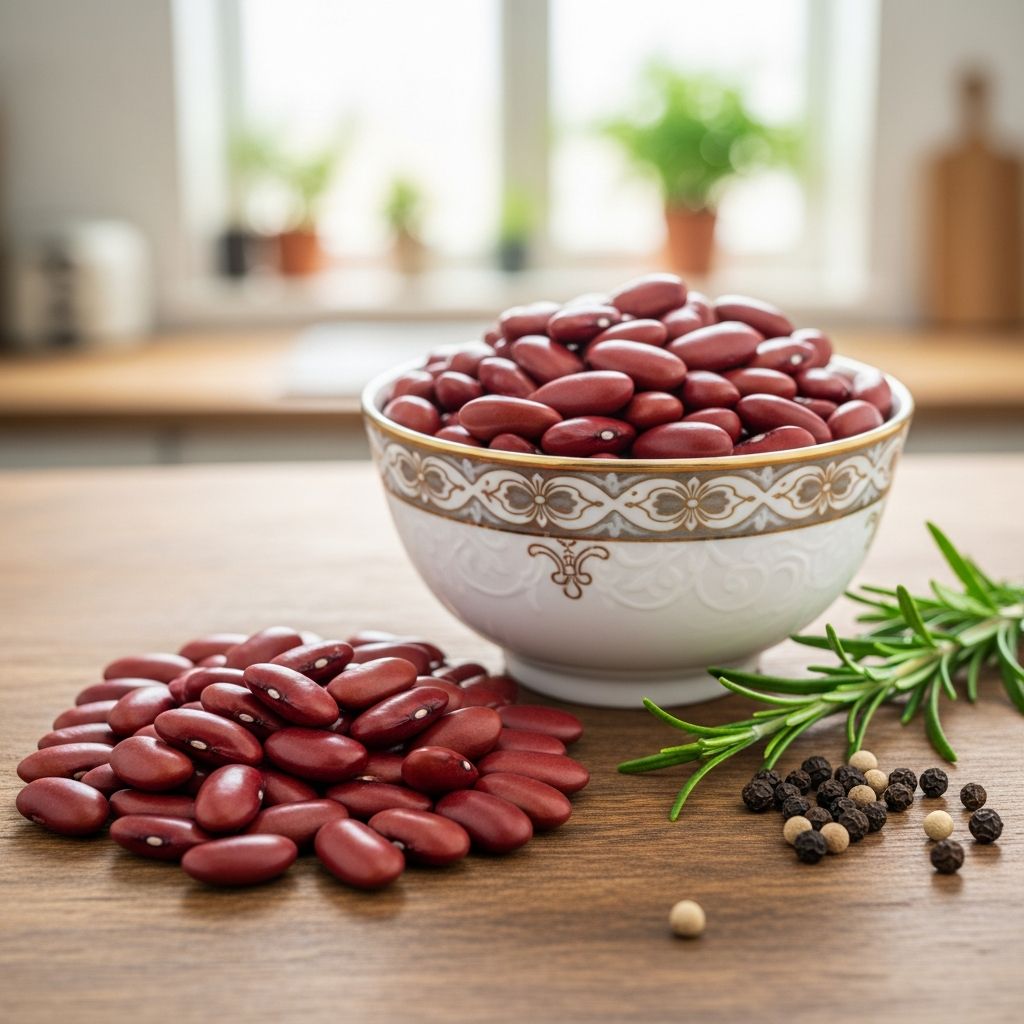
Kidney beans (Phaseolus vulgaris) are a popular legume known for their rich red color and kidney-like shape. These versatile beans are staples in dishes worldwide, from chili and salads to curries and soups. But are kidney beans healthy? Yes, kidney beans offer an impressive nutritional profile, providing high-quality plant-based protein, dietary fiber, vitamins, and minerals that support various aspects of health, including heart function, digestion, blood sugar control, and weight management.
Boiled kidney beans are low in fat and calories while being nutrient-dense, making them an excellent addition to a balanced diet. A half-cup serving delivers substantial protein and fiber, helping you feel full longer and reducing overall calorie intake. However, proper preparation is essential due to natural toxins present in raw beans. This article dives into their nutrition, benefits, potential downsides, and practical tips.
What Are Kidney Beans?
Kidney beans belong to the legume family and come in light red and dark red varieties. They are named for their curved, kidney-shaped pods. These beans have been cultivated for thousands of years, originating from Mesoamerica, and are now grown globally.
Dried kidney beans require soaking and thorough cooking, while canned versions are pre-cooked and convenient but may contain added sodium. Nutritionally, both forms are similar when rinsed, though dried beans allow better control over sodium and preservatives. Kidney beans are affordable, shelf-stable in dried form, and versatile in vegetarian, vegan, and omnivorous diets.
Kidney Bean Nutrition Facts
Kidney beans are mainly composed of carbohydrates and fiber but also provide complete protein. They are rich in molybdenum, folate, iron, copper, manganese, potassium, and vitamin K1. Here’s a breakdown of nutrients in a typical serving:
| Nutrient | Amount per 1/2 cup (88g) canned, drained | % Daily Value* |
|---|---|---|
| Calories | 105 | 5% |
| Protein | 7g | 14% |
| Carbohydrates | 19g | 7% |
| Fiber | 7g | 25% |
| Fat | 1g | 1% |
| Iron | 2.2mg | 12% |
| Folate (B9) | 130mcg | 33% |
| Potassium | 405mg | 12% |
| Magnesium | 45mg | 11% |
*Based on a 2,000-calorie diet. Data adapted from USDA via WebMD and Healthline. For 100g boiled: 127 calories, 8.7g protein, 6.4g fiber.
Compared to other beans, kidney beans have slightly less fat than black beans but comparable fiber and protein to pinto or red beans. Their low glycemic index makes them suitable for blood sugar management.
Health Benefits of Kidney Beans
Kidney beans contribute to overall health through their nutrient density. Eating at least half a cup daily can increase fiber, protein, folate, and iron intake while reducing fat consumption.
Improve Heart Health
Kidney beans support cardiovascular health by lowering LDL cholesterol thanks to soluble fiber. They are cholesterol-free, low in saturated fat, and rich in potassium, which helps regulate blood pressure. Replacing meat with beans reduces heart disease risk. Studies show daily bean consumption improves lipid profiles.
Help with Weight Loss
High protein (8-9g per serving) and fiber content promote satiety, curbing appetite and aiding weight management. The resistant starch acts like fiber, stabilizing blood sugar and reducing calorie intake. Research links bean eaters to healthier weights and waist sizes.
Related Stories



Boost Digestion and Gut Health
With 25% DV fiber per serving, kidney beans prevent constipation and feed beneficial gut bacteria, producing short-chain fatty acids (SCFAs) like butyrate that protect colon health. Soluble fiber supports regular bowel movements.
Maintain Healthy Blood Sugar Levels
Low glycemic carbs, protein, and fiber slow sugar absorption, beneficial for type 2 diabetes management. They moderate post-meal blood sugar spikes. Pairing with vitamin C enhances iron absorption for energy stability.
Support Bone and Muscle Health
Calcium, magnesium, phosphorus, and plant protein strengthen bones and muscles. These minerals aid posture, mobility, and oxygen transport via iron.
Rich in Antioxidants and Anti-Cancer Potential
Polyphenols, saponins, and fibers may reduce colon cancer risk by promoting healthy gut fermentation. Iron combats fatigue, especially for vegetarians.
Potential Downsides and Risks
While nutritious, kidney beans contain phytohaemagglutinin (PHA), a lectin toxin highest in raw or undercooked beans, causing nausea, vomiting, and diarrhea. Always boil dried beans for at least 10 minutes or use canned (fully cooked). Soaking reduces cooking time and gas-causing compounds.
High fiber may cause bloating initially; introduce gradually and drink water. Those with gout should moderate purine-rich legumes. Canned beans may have added sodium—rinse to reduce by 40%.
Are Kidney Beans Good for You?
Absolutely—kidney beans are a superfood for most people. Their benefits outweigh risks when properly prepared. They excel as a meat alternative in plant-based diets, supporting sustainability and health.
Bottom Line
Incorporate kidney beans 3-4 times weekly for optimal benefits. They aid weight loss, heart health, digestion, and blood sugar control while being affordable and versatile. Consult a doctor for personalized advice, especially with digestive issues.
Simple Kidney Bean Recipes
- Classic Chili: Sauté onions, garlic, tomatoes; add 2 cans kidney beans, spices, ground turkey (optional). Simmer 20 minutes. Serves 4.
- Kidney Bean Salad: Mix rinsed beans, cucumber, feta, olive oil, lemon. Refreshing side dish.
- Rajma Curry: Indian-style with tomatoes, onions, ginger, garam masala. Serve over rice.
- Bean Burgers: Mash beans with oats, spices; grill for vegan patties.
These recipes highlight kidney beans’ adaptability and nutrition.
Frequently Asked Questions (FAQs)
Are canned kidney beans healthy?
Yes, rinsed canned kidney beans retain most nutrients with low sodium. Prefer no-salt-added varieties.
Can you eat kidney beans raw?
No—raw beans contain toxic PHA. Cook thoroughly to neutralize it.
Do kidney beans cause gas?
Initially yes, due to fiber and oligosaccharides. Soak, rinse, and eat gradually to minimize.
Are kidney beans good for diabetics?
Yes, their low GI and fiber help stabilize blood sugar.
How much protein in kidney beans?
About 7-9g per half-cup serving, comparable to meat.
Red beans vs. kidney beans?
Similar; kidney beans have more protein, red beans more micronutrients like magnesium.
References
- Surprising Kidney Bean Benefits for Your Health — Care Insurance. 2023. https://www.careinsurance.com/blog/health-insurance-articles/surprising-kidney-bean-benefits-for-your-health
- Health Benefits of Kidney Beans — WebMD. 2024-01-15. https://www.webmd.com/diet/health-benefits-kidney-beans
- Kidney Beans 101: Nutrition Facts and Health Benefits — Healthline. 2023-05-20. https://www.healthline.com/nutrition/foods/kidney-beans
- Therapeutic Potential of White Kidney Beans (Phaseolus vulgaris) — PMC (NCBI). 2024. https://pmc.ncbi.nlm.nih.gov/articles/PMC12651736/
- Red Beans vs. Kidney Beans: A Complete Nutrition Guide — Your Latina Nutritionist. 2023. https://yourlatinanutritionist.com/blog/red-beans-vs-kidney-beans
Similar Articles








Read full bio of medha deb