Are Lentils Healthy? 8 Proven Health Benefits
Discover the impressive nutrition profile of lentils and their powerful health benefits, from heart health to blood sugar control.
Lentils are among the most nutrient-dense foods available, offering a powerhouse of plant-based protein, fiber, vitamins, and minerals that support overall health. These affordable legumes provide benefits like improved heart health, better blood sugar control, enhanced digestion, and weight management, making them ideal for vegetarian, vegan, and balanced diets.
What Are Lentils?
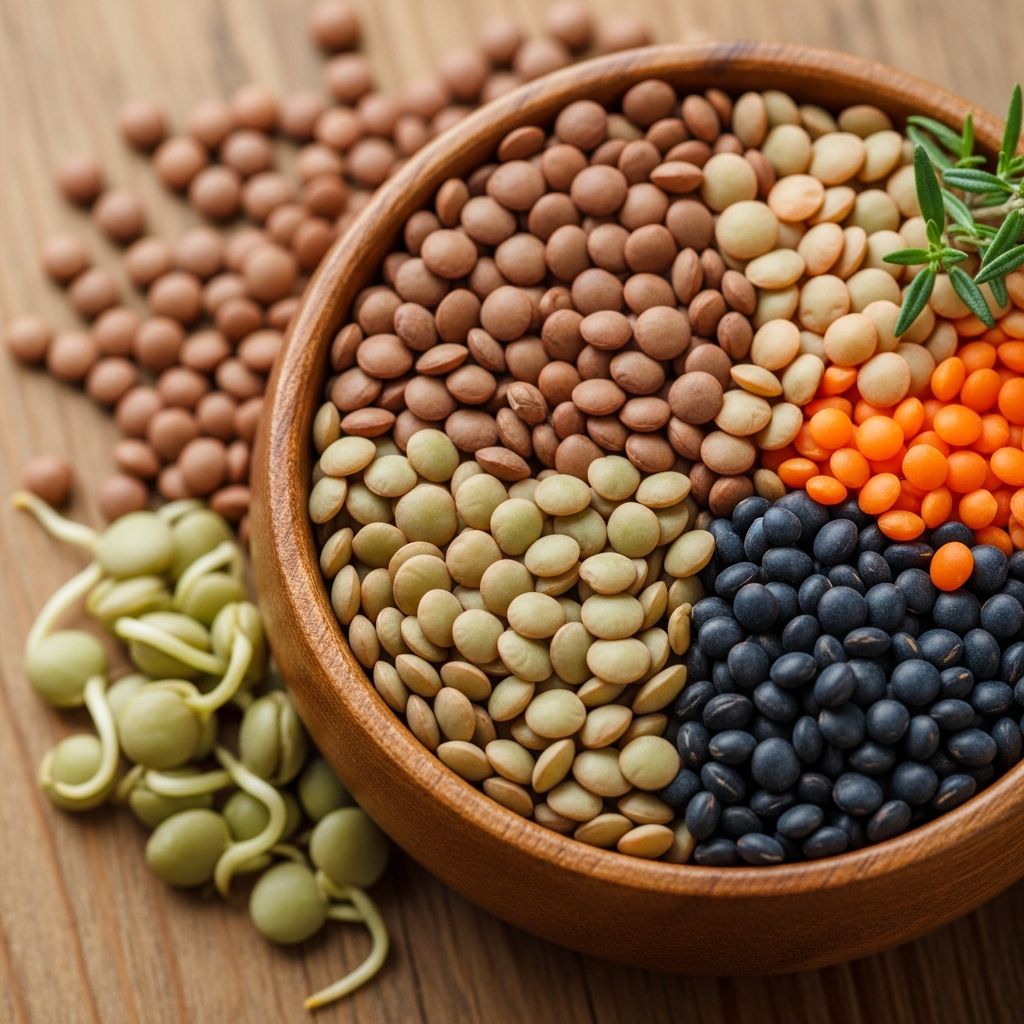
Lentils (*Lens culinaris*) are small legumes available in various colors including green, brown, red, black, and yellow. They have been a dietary staple for thousands of years across cultures, valued for their versatility, long shelf life, and nutritional superiority over many other foods. Unlike beans, lentils cook quickly without soaking and maintain their shape or break down into creamy textures depending on the variety.
Green and brown lentils hold their shape well for salads and sides, while red and yellow lentils become mushy, perfect for soups, dals, and spreads. All types deliver similar nutritional benefits, though green lentils are often highlighted for their slightly higher protein and fiber content.
Lentils Nutrition Facts
One cup (198g) of cooked lentils provides approximately 230 calories, 18g of protein, 40g of carbohydrates (including 16g of fiber), and less than 1g of fat. This makes them exceptionally low in calories while high in satiating nutrients.
Key micronutrients per cup of cooked lentils include:
- Folate: 90% of Daily Value (DV) – Essential for DNA synthesis and red blood cell formation.
- Iron: 37% DV – Crucial for oxygen transport, especially for plant-based eaters.
- Potassium: 16% DV – Supports heart rhythm and counters sodium’s effects.
- Zinc: 23% DV – Boosts immune function and wound healing.
- Magnesium: 17% DV – Aids muscle function and energy production.
- Manganese: 43% DV – Antioxidant support and bone health.
Lentils rank second only to soybeans in protein among legumes and provide complete protein when paired with grains like rice or quinoa.
| Nutrient | Amount per 1/2 Cup Cooked | % Daily Value |
|---|---|---|
| Calories | 115 | 6% |
| Protein | 9g | 18% |
| Fiber | 8g | 32% |
| Iron | 3.3mg | 18% |
| Folate | 179mcg | 45% |
| Potassium | 369mg | 8% |
Data adapted from USDA via Healthline and WebMD.
Health Benefits of Lentils
1. Excellent Source of Plant-Based Protein
Lentils deliver 18g of protein per cooked cup, making them a top meat alternative. This complete amino acid profile (when combined with grains) supports muscle repair, satiety, and bone health. Replacing red meat with lentils reduces heart disease risk while providing high-quality protein without saturated fats.
2. High in Fiber for Digestive Health
With 16g of fiber per cup, lentils meet over half the daily recommendation. Soluble fiber lowers cholesterol, while insoluble fiber promotes regular bowel movements and feeds gut bacteria. Studies show lentils increase stool weight and improve gut function, reducing constipation and supporting microbiome health.
Related Stories



3. Stabilize Blood Sugar Levels
The low glycemic index of lentils, combined with fiber and protein, slows glucose absorption, preventing spikes. An animal study found lentils uniquely lowered blood sugar beyond their macronutrient effects. Human research links legume intake to reduced type 2 diabetes risk.
4. Promote Heart Health
Lentils lower LDL cholesterol, triglycerides, and blood pressure while raising HDL. An 8-week study in people with type 2 diabetes showed 1/3 cup daily improved lipid profiles. Potassium and ACE-inhibiting proteins further protect cardiovascular health. Legume consumption is linked to lower heart disease risk.
5. Aid Weight Management
High protein and fiber content promotes fullness, reducing calorie intake. Lentils’ low calorie density (230 per cup) supports weight loss without hunger. Magnesium helps curb cravings, and their satiating effects make them ideal for sustainable dieting.
6. Rich in Iron to Fight Fatigue
Providing 37% DV iron per cup, lentils combat anemia, especially in vegetarians. Iron forms hemoglobin for oxygen delivery, boosting energy. Pair with vitamin C-rich foods to enhance absorption.
7. Packed with Antioxidants and Anti-Inflammatory Compounds
Lentils rank high in antioxidants among legumes, with polyphenols offering anti-inflammatory, anticancer, and neuroprotective effects. These compounds survive cooking and may inhibit cancer cell growth.
8. Support Brain and Overall Health
Folate, B vitamins, and polyphenols protect heart and brain health. Lentils reduce risks of hypertension, prediabetes, and certain cancers.
Types of Lentils
- Green/Brown: Firm texture, earthy flavor; best for salads, pilafs.
- Red/Yellow: Quick-cooking, mild; ideal for soups, curries.
- Black (Beluga): Caviar-like, high antioxidants.
- French Green (Puy): Peppery, hold shape well.
All varieties offer similar nutrition, with green slightly edging in protein.
Potential Downsides of Lentils
Lentils contain anti-nutrients like phytates that may reduce mineral absorption; soaking, sprouting, or cooking minimizes this. They can cause bloating due to fiber and oligosaccharides—start with small portions and increase gradually. Those with IBS may need to limit intake. Lentils are low in certain amino acids, so pair with grains.
How to Cook Lentils
Basic Method: Rinse 1 cup lentils. Boil in 3 cups water or broth with salt. Simmer 20-40 minutes (red: 20min, green/brown: 35-40min). No soaking needed.
- Salads: Cook al dente, toss with veggies, vinaigrette.
- Soups/Stews: Add directly to pots.
- Alternatives: Blend into patties, dips, or meat extenders.
Store cooked lentils in fridge 5 days or freeze 6 months.
Simple Lentil Recipes
Lentil Soup
Sauté onions, garlic, carrots; add 1 cup lentils, 4 cups broth, tomatoes, spices. Simmer 30min. Serves 4; 250cal/serving.
Lentil Salad
Mix cooked green lentils, cucumber, feta, herbs, lemon dressing. High-protein lunch.
Red Lentil Dal
Cook red lentils with ginger, turmeric, coconut milk. Serve over rice.
Frequently Asked Questions (FAQs)
Are lentils a complete protein?
Not alone, but pairing with grains like rice provides all essential amino acids.
Do lentils cause gas?
Yes, due to fiber; rinse well, cook thoroughly, and introduce slowly.
Are lentils good for weight loss?
Yes, their fiber and protein promote satiety and low calories aid fat loss.
Can diabetics eat lentils?
Absolutely; low GI stabilizes blood sugar.
How much lentils should I eat daily?
1/2-1 cup cooked (2-3 servings/week) fits most diets.
Bottom Line
Lentils are undeniably healthy, delivering unmatched nutrition for minimal calories. Incorporate them regularly for optimal health benefits.
References
- Lentils: Nutrition, Benefits, and How to Cook Them — Healthline. 2023. https://www.healthline.com/nutrition/lentils
- 8 Health Benefits of Lentils — Arrowhead Mills. 2024. https://arrowheadmills.com/blog/are-lentils-good-for-you-8-reasons-to-eat-more-lentils/
- Health Benefits of Lentils — WebMD. 2024. https://www.webmd.com/food-recipes/benefits-lentils
- Health Benefits of Lentils and Types — Cleveland Clinic. 2023. https://health.clevelandclinic.org/health-benefits-of-lentils
- Lentils and Nutrition: The Latest Research — NutritionFacts.org. 2024. https://nutritionfacts.org/topics/lentils/
Similar Articles








Read full bio of medha deb