Are Onions Good For You: 7 Health Benefits & Ways To Add More
Discover the impressive health benefits of onions, from cancer prevention to heart health and beyond.
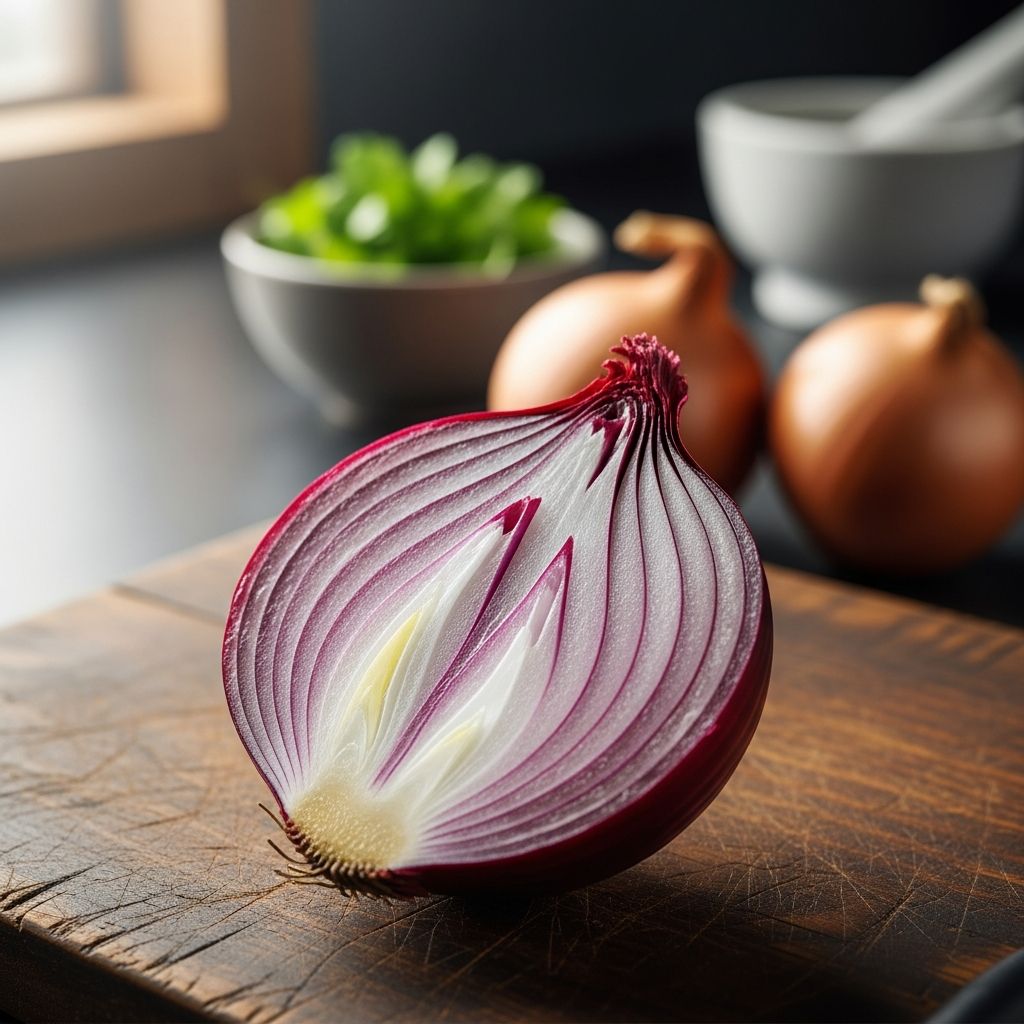
Onions are a staple in kitchens worldwide, adding flavor to countless dishes while delivering significant health benefits. These versatile vegetables from the Allium family, related to garlic and leeks, are rich in antioxidants like quercetin, vitamins, minerals, and prebiotic fibers that support overall wellness.
What Are Onions?
Onions (Allium cepa) belong to the Allium genus, alongside garlic, shallots, and leeks. Available in varieties like yellow, red, white, and sweet onions, they range from pungent to mild. The average person consumes about 20 pounds annually, enjoying them raw, cooked, pickled, or powdered.
Onions owe their distinctive aroma and tear-inducing effects to sulfur compounds formed when cells are damaged. These same compounds contribute to their health-promoting properties. Nutritionally low in calories yet nutrient-dense, onions provide vitamins C and B6, potassium, folate, manganese, copper, and fiber.
Nutrition Facts for Onions
A 1-cup serving (about 150g) of chopped raw onions contains approximately:
| Nutrient | Amount | % Daily Value* |
|---|---|---|
| Calories | 64 | 3% |
| Carbohydrates | 15g | 5% |
| Protein | 2g | 4% |
| Fat | 0g | 0% |
| Fiber | 3g | 11% |
| Sugar | 7g | – |
| Vitamin C | 12mg | 13% |
| Vitamin B6 | 0.2mg | 12% |
| Potassium | 249mg | 5% |
*Percent Daily Values based on a 2,000-calorie diet. Onions are also sources of manganese, copper, and folate.
Health Benefits of Onions
Onions contain over 17 flavonoids, including quercetin and anthocyanins, plus organic sulfur compounds. These antioxidants combat oxidative stress, inflammation, and cell damage, linking onions to multiple health advantages.
Lower Cancer Risk
Regular onion consumption correlates with reduced risks of colorectal, throat, ovarian, prostate, and lung cancers. Quercetin and sulfur compounds inhibit cancer cell growth and promote apoptosis in lab studies. One analysis found highest onion eaters had the lowest cancer incidences.
Heart Health
Onions’ sulfur compounds lower cholesterol, prevent blood clots, and reduce blood pressure, decreasing heart disease and stroke risk. Quercetin acts as an anti-inflammatory, supporting vascular health. Raw onions maximize these benefits.
Blood Sugar Regulation
Quercetin and sulfur boost insulin production and sensitivity. Animal studies show onion powder lowers fasting blood sugar, triglycerides, and cholesterol in diabetic models.
Bone Density Support
Daily onion intake increases bone mineral density, especially in postmenopausal women, potentially preventing osteoporosis by inhibiting bone resorption and oxidative stress.
Digestive Health
Onions provide prebiotics like inulin and fructooligosaccharides (FOS), feeding beneficial gut bacteria such as Lactobacillus and Bifidobacterium. This produces short-chain fatty acids that enhance gut barrier function, immunity, and digestion while reducing inflammation.
Antibacterial Properties
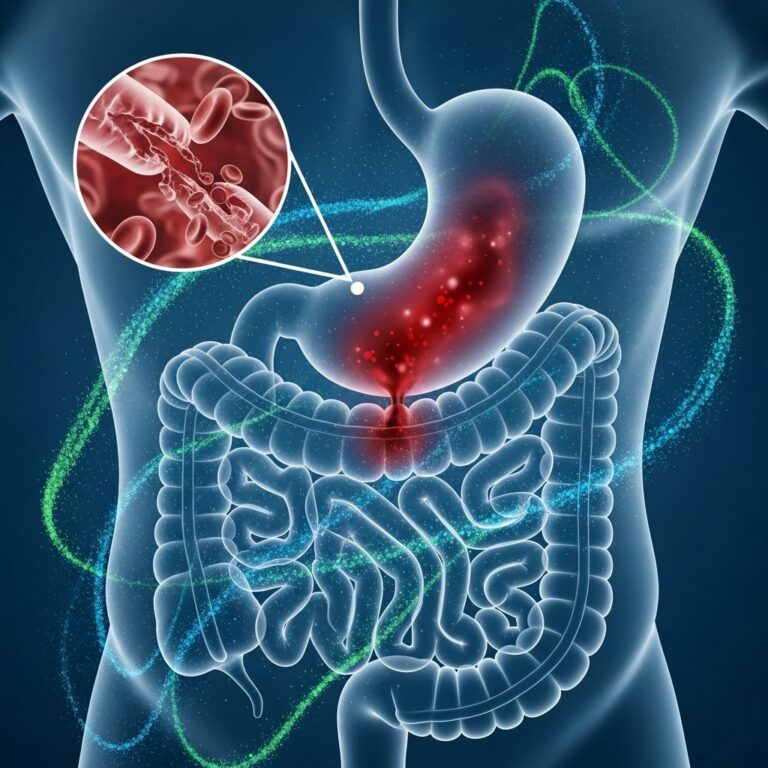
Onion extracts combat bacteria including E. coli, S. aureus, P. aeruginosa, and H. pylori (linked to ulcers and gastric cancer). Quercetin disrupts bacterial cell walls.
Immune Boost and Anti-Inflammatory Effects
Vitamin C and quercetin strengthen immunity, fight inflammation, and may lower Alzheimer’s risk via flavonoid-rich diets.
Potential Downsides of Onions
While beneficial, onions can cause digestive discomfort like bloating or gas due to FOS, especially in those with IBS. Raw onions may irritate the mouth or stomach. Allergies are rare but possible. Those on blood thinners should consult doctors due to antiplatelet effects.
How to Add More Onions to Your Diet
Related Stories



Incorporate onions easily:
- Raw: Slice into salads, salsas, or sandwiches for maximum antioxidants.
- Cooked: Sauté for soups, stir-fries, or caramelized toppings.
- Roasted: Whole or wedged with veggies for sweetness.
- Pickled: Quick-pickled red onions for tacos.
- Powdered: In rubs, dressings, or dips.
Aim for 1/2 to 1 onion daily. Red and yellow varieties offer the most antioxidants.
Recipe Ideas with Onions
Caramelized Onion and Quinoa Salad
Ingredients (serves 4):
- 2 large yellow onions, sliced
- 1 cup quinoa, cooked
- 1/2 cup feta cheese
- 1/4 cup walnuts
- Balsamic vinaigrette
Instructions: Caramelize onions in olive oil over low heat for 30 minutes. Toss with quinoa, feta, walnuts, and dressing. Rich in fiber and quercetin.
Onion Soup
Classic French onion soup: Sauté 4 onions until golden, deglaze with wine, simmer in broth, top with cheesy toast. Heart-healthy comfort food.
FAQs
Are onions good for weight loss?
Yes, low-calorie onions add bulk and flavor to meals, promoting satiety with fiber.
Can onions help with high blood pressure?
Quercetin may lower blood pressure; human studies are ongoing.
Which onions are healthiest?
Red onions have the most anthocyanins; all provide benefits.
Do onions cause bad breath?
Sulfur compounds can; chew parsley or brush after eating.
Are onions safe for diabetics?
Yes, they help regulate blood sugar without spiking it.
Bottom Line
Onions are exceptionally good for you, offering antioxidants, prebiotics, and nutrients that support heart, bone, gut, and immune health while potentially reducing cancer risk. Add them liberally to your diet for flavorful, low-risk wellness gains.
References
- Onions: Health Benefits and Nutrition — WebMD. 2023-10-15. https://www.webmd.com/diet/health-benefits-onions
- Onion Benefits: Nutrients, Antioxidants, and Cooking Ideas — Healthline. 2024-05-20. https://www.healthline.com/nutrition/onion-benefits
- Onions–a global benefit to health — PubMed (International Journal of Food Science & Technology). 2002-11-01. https://pubmed.ncbi.nlm.nih.gov/12410539/
- Onions – Layers of Nutrition and Flavor — National Onion Association. 2018-10-01. https://www.onions-usa.org/wp-content/uploads/2019/10/NOA-RD-Toolkit-2018_Final.pdf
Similar Articles








Read full bio of medha deb