Peanuts: 7 Health Benefits For Heart & Weight Management
Discover the impressive health benefits of peanuts, from heart health to weight management, backed by science and nutrition experts.
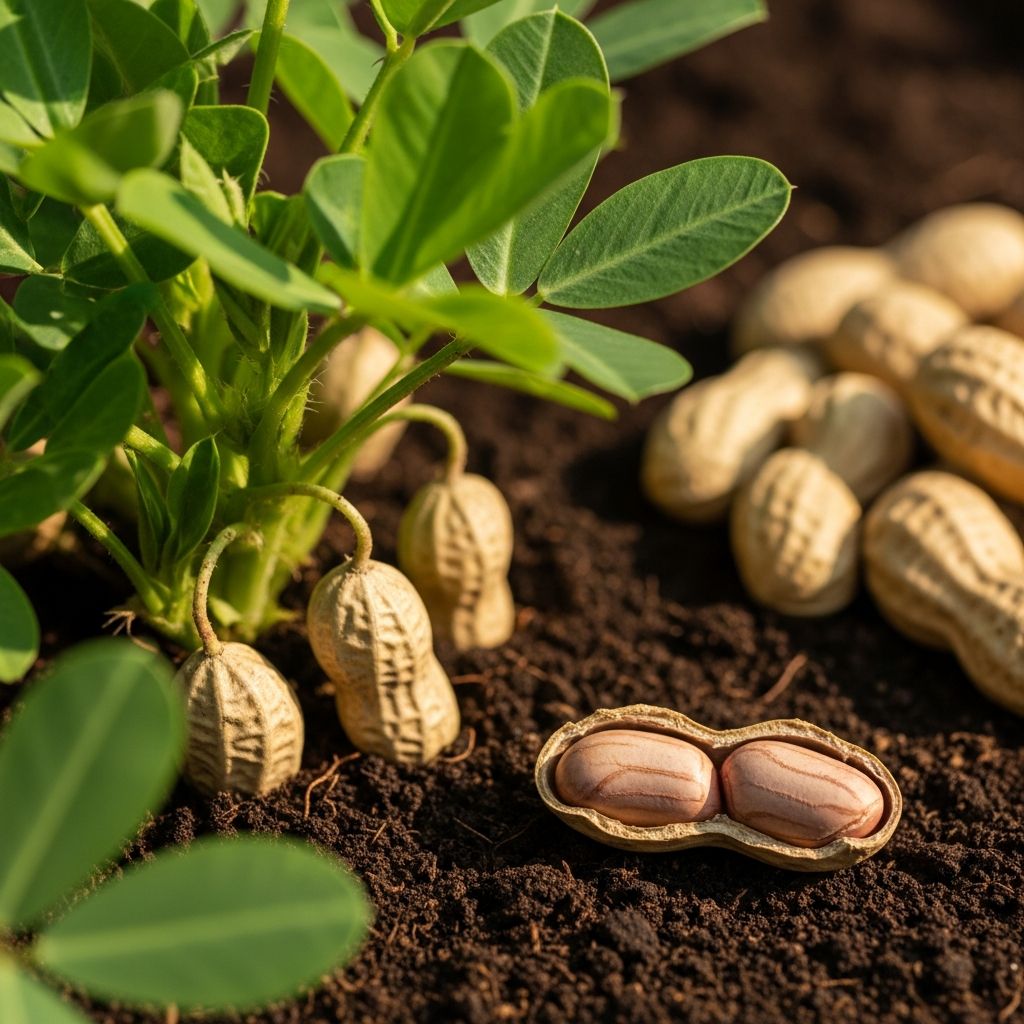
Peanuts, often mistaken for nuts but technically legumes, offer a powerhouse of nutrition that can enhance your diet. Rich in
protein
,healthy fats
,fiber
, and essential vitamins and minerals, peanuts support heart health, blood sugar control, weight management, and reduced inflammation. Despite their calorie density, research shows regular moderate consumption links to better health outcomes and even longevity.This article dives into peanuts’ nutritional profile, science-backed benefits, potential downsides, and practical ways to incorporate them, mirroring expert insights from registered dietitians and studies.
What Are Peanuts, Anyway?
Peanuts (Arachis hypogaea) grow underground in pods, originating from South America and now a global staple. In the U.S., Americans consume about 8 pounds yearly, half as peanut butter. Unlike tree nuts, peanuts are legumes like beans, but nutritionally similar with high protein and fats.
Available raw, roasted, boiled, or as butter, choosing unsalted, unsweetened varieties maximizes benefits while minimizing added sugars and sodium.
Peanuts’ Impressive Nutrition Profile
A 1-ounce (28g) serving of dry-roasted peanuts delivers around 180 calories, making them energy-dense but nutrient-packed. Here’s the breakdown:
| Nutrient | Amount per 1 oz | % Daily Value* |
|---|---|---|
| Calories | 180 | 9% |
| Protein | 8g | 16% |
| Total Fat | 15g | 19% |
| Saturated Fat | 2g | 10% |
| Carbohydrates | 4g | 1% |
| Fiber | 2g | 7% |
| Sugars | 1g | – |
*Based on a 2,000-calorie diet. Data from USDA via WebMD and Healthline.
Peanuts shine in
healthy unsaturated fats
(monounsaturated and polyunsaturated), rivaling olive oil for heart benefits. They provide more protein than most nuts (7g per serving), all 20 essential amino acids including arginine for vascular health, and fiber for satiety and digestion.Key Vitamins in Peanuts
- Niacin (B3): 20% DV; converts food to energy, supports digestion, nerves, skin.
- Folate (B9): Aids red blood cell formation, cell growth.
- Vitamin E: Antioxidant protecting cells from free radical damage.
- Thiamine (B1): Essential for energy metabolism, heart, muscle, nerve function.
- Pyridoxine (B6) & Pantothenic Acid (B5): Boost immunity, energy production.
- Biotin: Crucial for pregnancy, one of richest sources.
Essential Minerals
- Magnesium: Regulates blood sugar, pressure, muscle function; heart-protective.
- Phosphorus: Bone/teeth health, energy production.
- Copper: Red blood cells, immunity, vessels.
- Manganese: Cholesterol processing, nutrient metabolism.
- Potassium, Zinc, Iron, Selenium: Blood pressure control, immunity, antioxidant defense.
Antioxidants like resveratrol, CoQ10, and phytosterols further elevate peanuts’ status. Roasting or boiling enhances these compounds.
7 Health Benefits of Eating Peanuts
Studies link peanut consumption to multiple benefits, primarily from healthy fats, protein, fiber, and anti-inflammatory compounds.
1. Promote Heart Health
Peanuts’ monounsaturated fats, phytosterols, and fiber lower LDL cholesterol, blood pressure, and clot risk while reducing inflammation. Phytosterols block cholesterol absorption. Regular intake associates with 13-20% reduced heart disease risk.
2. Aid Blood Sugar Control and Diabetes Prevention
Low-glycemic (won’t spike blood sugar), peanuts improve insulin sensitivity. Women eating peanuts had lower type 2 diabetes risk. Magnesium and fiber contribute.
3. Support Weight Management
Despite calories, peanuts promote fullness via protein, fiber, fats. Studies show nut eaters (including peanuts) have lower BMI, reduced weight gain. May boost calorie burn.
Related Stories



4. Reduce Inflammation
Antioxidants, omega-6s, magnesium lower markers like C-reactive protein. Links to lower heart disease, diabetes, cancer risk.
5. Boost Longevity
CoQ10, amino acids, antioxidants support cell health. Nut consumers show fewer deaths from cancer, heart, respiratory diseases.
6. Provide Complete Plant Protein
Highest protein among nuts, with all amino acids. Ideal for vegetarians/vegans.
7. Enhance Brain and Immune Health
Niacin, B vitamins support nerves; resveratrol, selenium boost immunity.
Potential Downsides of Peanuts
Peanuts aren’t perfect. They’re calorie-dense (160-180 kcal/oz), so overeating adds pounds. Some butters add sugar/salt.
- Aflatoxins: Rare mold toxin; U.S. regulations limit to safe levels.
- Allergies: Common allergen; affects 1-2%. Avoid if allergic.
- Oxalates/Phytates: May hinder mineral absorption; minimal issue in balanced diets.
Moderation: 1-1.5 oz/day. Opt for unsalted.
Are There Different Types of Peanuts?
- Raw: Mild, retain natural nutrients.
- Dry-Roasted: Crunchy; boosted antioxidants.
- Boiled: Southern style; higher isoflavones.
- Peanut Butter: Choose natural (just peanuts/salt).
- Flavored/Salted: Limit due to extras.
Delicious Ways to Add Peanuts to Your Diet
- Sprinkle on salads/oatmeal.
- Spread natural PB on apples, celery.
- Mix trail mix with dried fruit.
- Blend into smoothies/sauces.
- Snack 1 oz handful.
Recipe: Peanut Energy Balls – Blend 1 cup oats, ½ cup PB, dates, chocolate chips. Chill, enjoy[Inspired by general nutrition sites].
Peanut Nutrition Facts: The Bottom Line
Peanuts are undeniably healthy in moderation. Their nutrient density supports heart health, diabetes prevention, weight control, and more. Backed by USDA data and studies, they’re a smart snack. Consult a doctor for allergies or conditions.
Frequently Asked Questions (FAQs)
Are peanuts good for weight loss?
Yes, their protein/fiber promote satiety, linking to less weight gain despite calories.
Can peanuts lower cholesterol?
Yes, unsaturated fats/phytosterols reduce LDL.
Are peanuts inflammatory?
No, they reduce inflammation via antioxidants.
How many peanuts per day?
1 oz (handful) is ideal.
Are peanuts nuts?
No, legumes, but nutritionally nut-like.
References
- Nutrition Facts and Health Benefits of Peanuts — WebMD. 2023. https://www.webmd.com/diet/health-benefits-peanuts
- Peanut Nutrition 101 — National Peanut Board. 2024. https://nationalpeanutboard.org/news/peanut-nutrition/
- Peanuts 101: Nutrition Facts and Health Benefits — Healthline. 2024-01-27. https://www.healthline.com/nutrition/peanuts
- Peanut Nutrition Facts — Virginia Diner (USDA-based). 2023. https://www.vadiner.com/peanut-nutrition
- A Guide to Peanut Nutrition — Hampton Farms. 2024. https://www.hamptonfarms.com/blogs/news/a-guide-to-peanut-nutrition
- 4 Reasons Peanuts Are Good for You — Cleveland Clinic. 2023-05-10. https://health.clevelandclinic.org/are-peanuts-good-for-you
Similar Articles








Read full bio of medha deb