Are Pickles Good For Weight Loss? What You Need To Know
Discover if pickles can support your weight loss goals through low calories, vinegar benefits, and probiotics—while navigating sodium pitfalls.
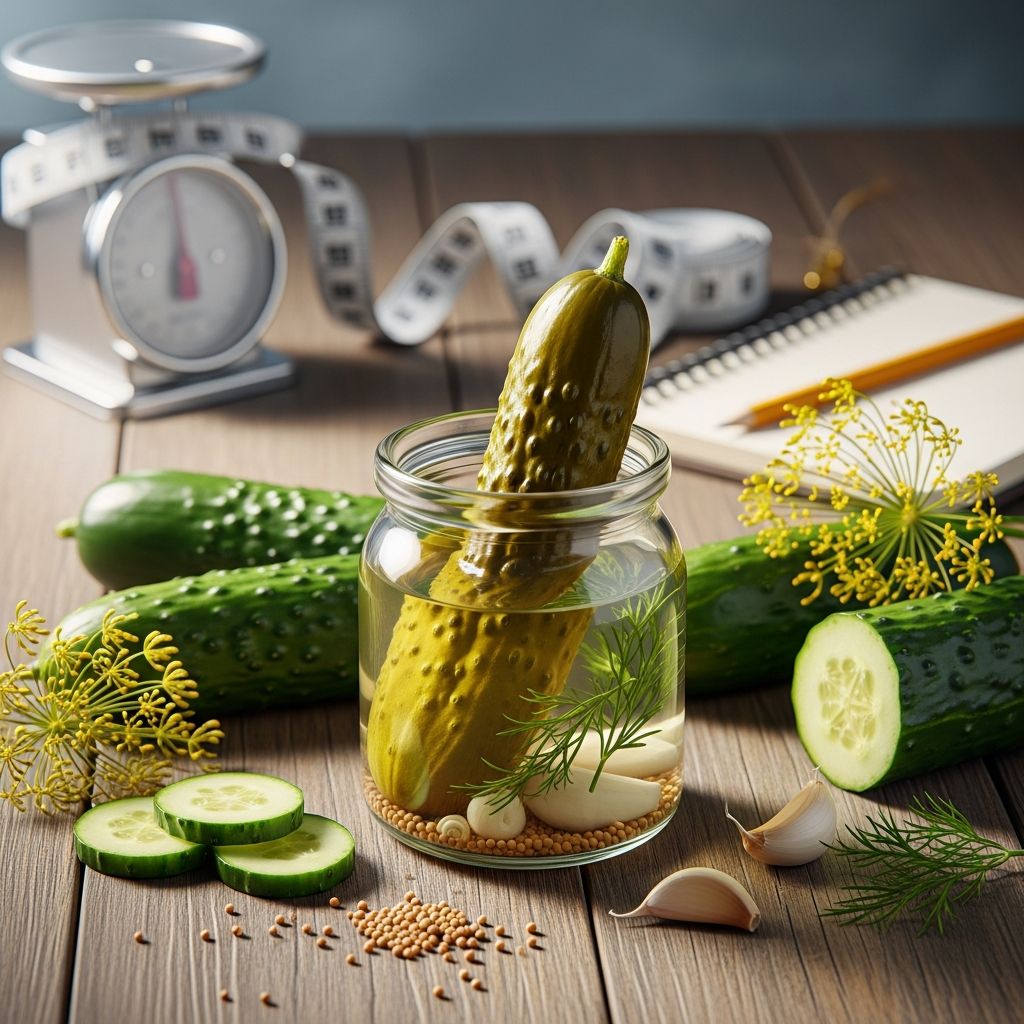
Pickles, the tangy and crunchy cucumber-based snack, have gained attention as a potential aid for weight loss due to their low calorie content and unique nutritional properties. While they are not a magic bullet for shedding pounds, they can fit into a calorie-controlled diet when chosen wisely. This article explores the science behind pickles and weight loss, including benefits from vinegar and probiotics, potential drawbacks like high sodium, and practical incorporation strategies.
Pickles 101: Nutrition Facts and Types
Understanding the nutritional profile of pickles is essential before considering them for weight loss. A typical cup of cucumber pickles (about 150g) contains approximately 12-17 calories, 2-3g carbohydrates, 0.5g protein, negligible fat, and 1g fiber. They are predominantly water (over 94%), which contributes to their low energy density. However, sodium levels are high, often exceeding 1,200mg per serving—nearly 50% of the daily recommended intake of 2,300mg according to U.S. dietary guidelines.
There are two main types of pickles:
- Vinegar pickles: Made with vinegar, salt, and spices; quick-processed and shelf-stable but lacking live probiotics.
- Fermented pickles: Created through lacto-fermentation in a saltwater brine, containing beneficial probiotics for gut health.
Key micronutrients include small amounts of vitamin K, vitamin C, and antioxidants, particularly in fermented varieties. Always check labels, as some brands add sugars or artificial colors.
Potential Benefits of Pickles for Weight Loss
Pickles support weight loss primarily through calorie control and specific bioactive compounds. Their
low-calorie density
allows for satisfying portions without significant energy intake, helping create a calorie deficit essential for fat loss.Low-Calorie, High-Volume Snacking
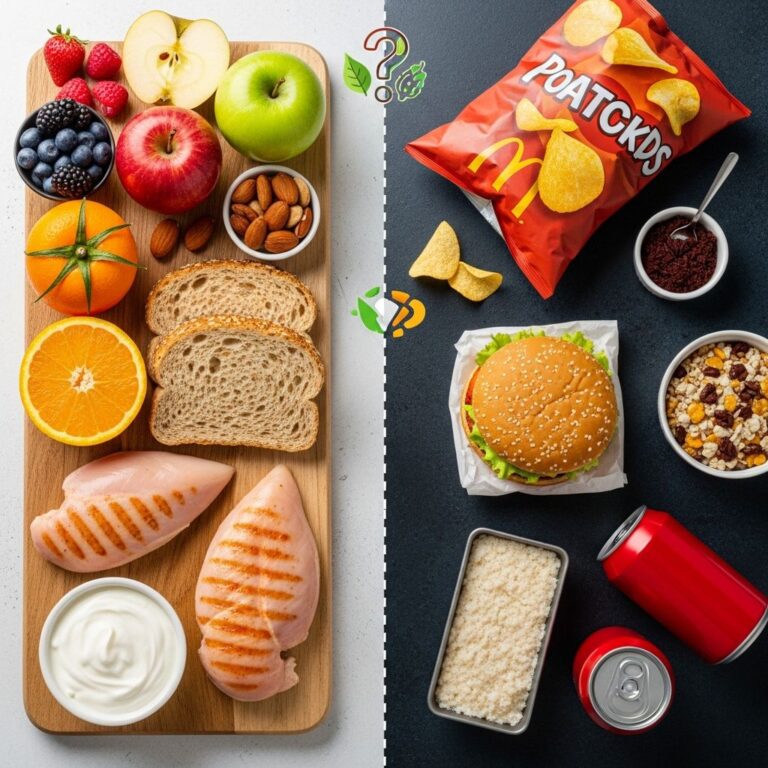
With just 12 calories per cup, pickles replace higher-calorie snacks like chips (150+ calories per ounce). High water content promotes fullness, as low-calorie, high-volume foods aid portion control per research in The Journal of Nutrition (2018), which found such foods reduce overall intake.
Vinegar’s Role in Appetite Suppression and Blood Sugar Control
The vinegar in pickles, typically acetic acid, shows promise for weight management. A review of studies indicated vinegar with meals reduces post-meal appetite. A Japanese study found daily vinegar consumption lowered body weight, waist circumference, and triglycerides after 12 weeks compared to placebo. Vinegar also blunts blood sugar spikes 30 minutes post-meal and may lower HbA1c over time, stabilizing energy and curbing hunger.
This aligns with WebMD’s insights: vinegar slows carbohydrate absorption, reducing insulin spikes that trigger hunger.
Probiotics from Fermented Pickles
Fermented pickles deliver probiotics, supporting gut health. A 2020 Nutrients study linked a healthy microbiome to improved metabolism and reduced inflammation, indirectly aiding weight loss. Probiotics enhance nutrient absorption and digestion, potentially optimizing calorie utilization.
Hydration and Muscle Cramp Relief
High water content (94%) supports hydration, which boosts metabolism and distinguishes thirst from hunger. Pickle juice may relieve exercise-induced cramps better than water, per limited studies, benefiting active weight loss routines.
Potential Downsides and Risks
Despite benefits, pickles have limitations for weight loss.
Related Stories



High Sodium Content
Sodium levels (1,200mg+ per cup) can cause water retention, masking scale progress and raising blood pressure risks. A 2021 Hypertension study noted high-sodium foods complicate weight loss via retention. Those with hypertension or heart issues should limit intake.
Limited Satiety and Nutrients
Low protein (0.5g) and fiber (1g) mean pickles alone won’t sustain fullness, risking overeating later. They lack substantial vitamins or minerals for a complete diet.
Added Ingredients in Processed Varieties
Bread-and-butter pickles often contain sugars, increasing calories. Artificial additives are safe in moderation but opt for clean-label products.
How Pickles Compare to Other Low-Calorie Snacks
| Snack (1 cup serving) | Calories | Sodium (mg) | Protein (g) | Fiber (g) |
|---|---|---|---|---|
| Pickles | 12-17 | 1,200 | 0.5 | 1 |
| Cucumber slices | 16 | 2 | 0.7 | 0.5 |
| Celery sticks | 16 | 81 | 0.7 | 1.6 |
| Air-popped popcorn | 31 | 2 | 1 | 3.5 |
| Cherry tomatoes | 27 | 7 | 1.3 | 1.2 |
Pickles excel in flavor but lag in sodium and satiety compared to fresh veggies. Pairing enhances value.
Practical Ways to Incorporate Pickles into a Weight Loss Diet
Moderation is key: limit to 1/2-1 cup daily, choosing low-sodium or fermented options.
- Snack smart: Pair with Greek yogurt or turkey slices for protein (e.g., 100g yogurt + pickles = 150 calories, sustained fullness).
- Meal enhancer: Add to salads, sandwiches, or bowls without extra calories.
- Recipe ideas: Tuna salad with chopped pickles; grilled chicken skewers with pickle relish.
- Sample daily menu (1,200-1,500 calories):
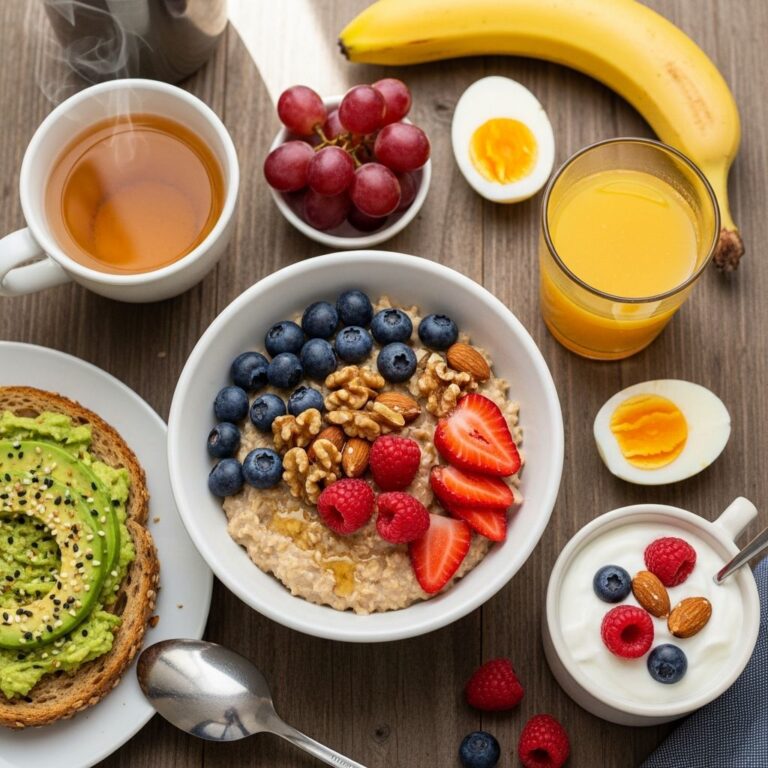
- Breakfast: Oatmeal with berries (300 cal).
- Lunch: Turkey wrap with pickles (400 cal).
- Snack: Apple + 1/2 cup pickles (100 cal).
- Dinner: Salmon, quinoa, veggies (500 cal).
Track sodium to stay under limits.
Expert Insights
Dietitians note pickles aid via vinegar and low calories but emphasize balance. Cleveland Clinic experts highlight blood sugar stabilization over direct weight loss effects. GoodRx stresses checking labels for dietary fit.
Common Myths About Pickles and Weight Loss
- Myth: Pickles are a superfood for fat loss.
Truth: Beneficial but not standalone; pair with balanced nutrition. - Myth: All pickles are equal.
Truth: Fermented offer probiotics; others vary in sodium/sugar. - Myth: Pickle juice alone drives weight loss.
Truth: Vinegar helps modestly; whole diet matters.
Frequently Asked Questions (FAQs)
Are pickles low-carb?
Yes, with 2-3g carbs per cup, they’re keto-friendly in moderation.
Is pickle juice good for weight loss?
It may curb appetite via vinegar and stabilize blood sugar, but evidence is indirect.
Can too many pickles hinder weight loss?
High sodium causes bloating; excess calories from sweetened types add up.
Are fermented pickles better for gut health?
Yes, probiotics support microbiome diversity linked to better weight management.
How much sodium is safe with pickles?
Aim under 2,300mg daily; low-sodium varieties help.
Bottom Line
Pickles can support weight loss as a low-calorie, flavorful snack with vinegar’s appetite-suppressing and blood sugar benefits, plus probiotics in fermented types. However, high sodium demands caution—choose low-sodium options and pair with proteins/fiber. They’re a tool, not a solution; sustainable habits drive results.
References
- Are Pickles Good for Weight Loss? How They Can Help (and Hurt) — GoodRx. 2023. https://www.goodrx.com/well-being/diet-nutrition/are-pickles-good-for-weight-loss
- Pickles: Nutrition, Benefits, Risks, & Preparation — WebMD. 2023-05-15. https://www.webmd.com/food-recipes/health-benefits-pickles
- Is Pickle Juice Good for You? 6 Potential Benefits — Cleveland Clinic. 2023. https://health.clevelandclinic.org/6-health-benefits-of-drinking-pickle-juice
- Vinegar Intake Reduces Body Weight, Body Fat Mass, and Serum Triglyceride Levels in Obese Japanese Subjects — PubMed (Kondo et al.). 2009-10. https://pubmed.ncbi.nlm.nih.gov/19661687/
- Effects of Probiotics on Weight Loss: A Systematic Review — Nutrients Journal. 2020. https://www.mdpi.com/2072-6643/12/10/3067
Similar Articles








Read full bio of medha deb